
Direct Answer: Gynecomastia in men is the enlargement of breast gland tissue caused by an imbalance between male and female sex hormones. The treatment approach depends on the duration of the condition, the root cause, and the degree of glandular fibrosis. Generally, medication is highly effective in the early stage (the first 12–24 months) when the glandular tissue is actively proliferating and causing pain. Conversely, surgery is indicated when the condition is prolonged, the breast tissue has become fibrotic (scarred), no longer responds to medication, or severely impacts the patient’s psychology and aesthetics.
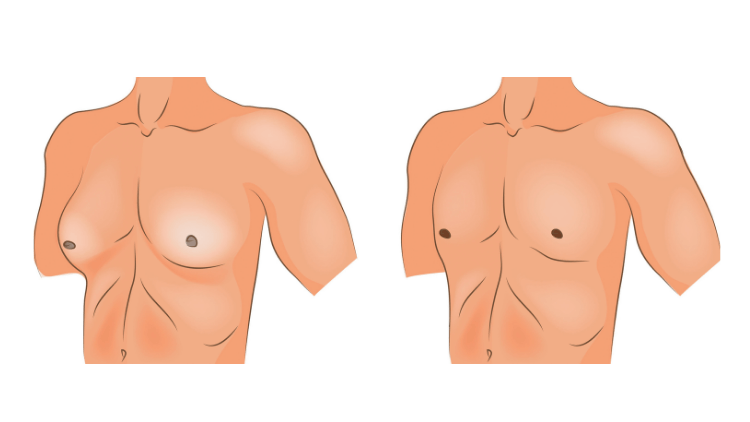
What is Gynecomastia in Men?
Gynecomastia is not a rare condition. According to medical reports, it can appear at various stages of a man’s life, from infancy and puberty to andropause (after age 50).
The Nature of the Pathology
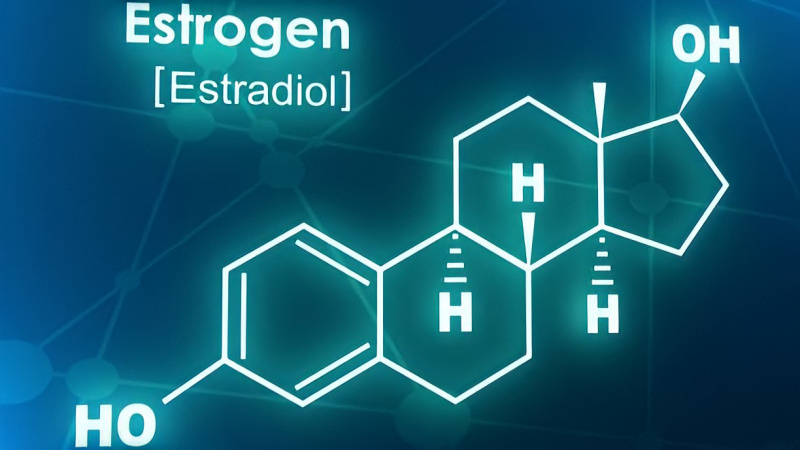
Normally, the male body produces a small amount of estrogen (female sex hormone) alongside testosterone (male sex hormone). When this ratio is disrupted—specifically, when estrogen levels rise excessively or testosterone levels drop—male breast glandular tissue is stimulated and grows larger than normal. This enlargement stems from the glandular tissue itself, not merely an accumulation of fat.
Distinguishing from Pseudogynecomastia
A very common mistake is confusing true gynecomastia with pseudogynecomastia (enlarged breasts due to fat). Pseudogynecomastia occurs primarily in overweight or obese individuals, where the breasts enlarge entirely due to fat accumulation without the proliferation of glandular ducts. While pseudogynecomastia can improve with diet and exercise, true gynecomastia rarely disappears through standard chest exercises. Doctors usually differentiate these two conditions via clinical palpation (finding a firm, rubbery, mobile mass under the areola) or breast ultrasound.
What Causes Gynecomastia in Men?
To determine the correct treatment method, doctors must identify the root cause of this hormonal imbalance.
Physiological Hormonal Changes
- Puberty: Drastic hormonal fluctuations between the ages of 12 and 14 cause many boys to experience swelling and tenderness in one or both breasts. Most of these cases will naturally resolve and disappear within 6 months to 2 years without medical intervention.
- Older Men: The age-related decline in testosterone (andropause), combined with an increase in body fat (fat is where testosterone is converted into estrogen), makes older men more susceptible to breast enlargement.
Medication Side Effects
Many widely used medications can cause breast enlargement as a side effect, including:
- Medications for prostate enlargement and prostate cancer (anti-androgens).
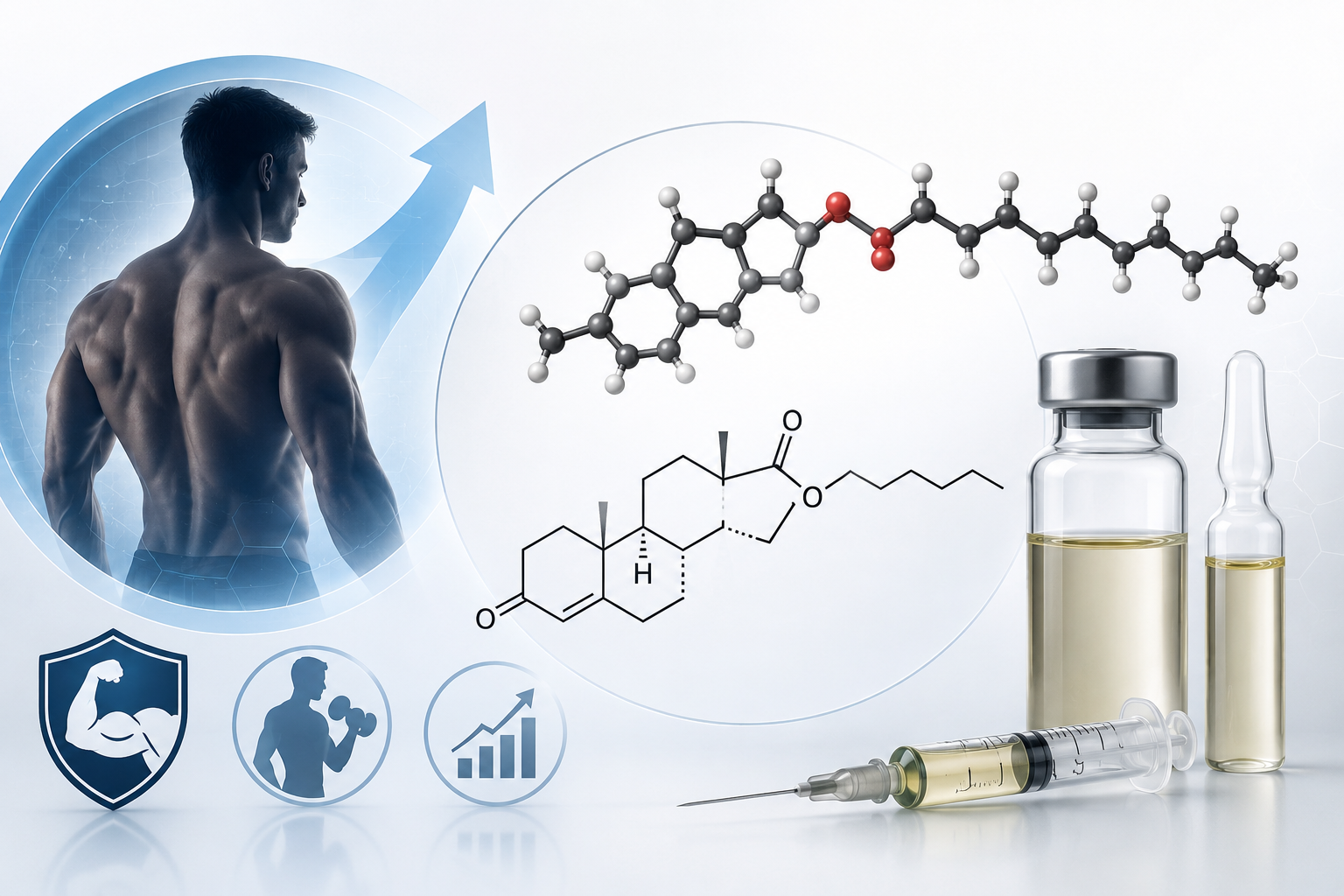
- Anabolic steroids commonly abused in bodybuilding.
- Certain blood pressure and heart failure medications (e.g., Spironolactone), antidepressants, ulcer medications (Cimetidine), or antifungal medications (Ketoconazole).
Underlying Medical Conditions
- Hypogonadism: Genetic syndromes (like Klinefelter syndrome) or pituitary gland issues that reduce testosterone production.
- Hyperthyroidism: An overactive thyroid gland alters the metabolism of sex hormones.
- Liver and Kidney Disease: Cirrhosis, liver failure, or chronic kidney failure reduce the body’s ability to clear estrogen from the blood.
- Tumors: Tumors in the testicles, adrenal glands, or pituitary gland can completely alter the body’s endocrine landscape.
Signs of Gynecomastia and When to See a Doctor?
The most characteristic sign of gynecomastia is the enlargement of one or both breasts. The skin around the areola may swell, and upon palpation, a dense, hard, or lumpy tissue mass can be felt. It is sometimes sensitive and painful to touch or when rubbing against clothing.
You should see a doctor immediately if you experience the following symptoms:
- Swollen breasts accompanied by a continuous burning or painful sensation.
- A hard, solid lump that is firmly attached to surrounding tissue and immobile (a warning sign of male breast cancer).
- Discharge or bleeding from the nipple.
- The skin around the breast is red, inflamed, or ulcerated.
- The breast enlargement severely impacts your psychological well-being, causing low self-esteem, depression, or social withdrawal.
When Do Men with Gynecomastia Need Medication?
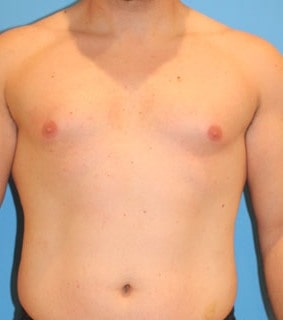
Medical treatment is the top priority when gynecomastia is in the active phase. This phase typically lasts for the first 12 to 24 months after symptoms begin. During this time, the glandular tissue is actively proliferating, highly vascularized, and causing pain, but has not yet become fibrotic (scarred).
Goals of Medical Treatment
Medications aim to block the stimulatory signals of estrogen on breast tissue, thereby reducing pain, preventing further breast enlargement, and promoting the regression of the glandular mass.
Commonly Prescribed Medication Classes
Medications for gynecomastia are strictly prescription drugs, requiring an order from an endocrinologist or andrologist after quantitative hormone testing. These drugs are often used “off-label” based on clinical medical evidence.
- SERMs (Selective Estrogen Receptor Modulators): Typically Tamoxifen or Raloxifene. These drugs work by binding to estrogen receptors in the breast tissue, preventing actual estrogen from attaching and stimulating tissue growth. This is a highly effective class of drugs for reducing pain and shrinking breast size if used early.
- Aromatase Inhibitors (AIs): Such as Anastrozole. These drugs inhibit the aromatase enzyme (responsible for converting testosterone into estrogen in the body), thereby reducing the total amount of estrogen in the blood.
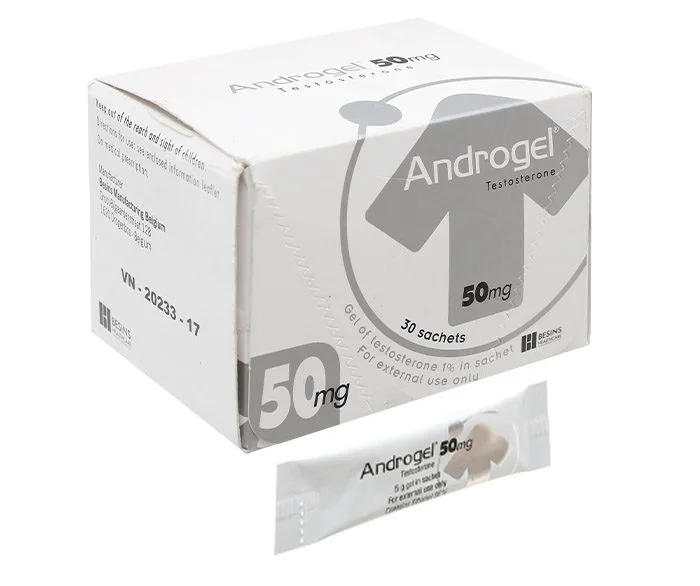
- Testosterone Replacement Therapy (TRT): Used only when the root cause of breast enlargement is a testosterone deficiency (hypogonadism). Arbitrarily supplementing testosterone when there is no deficiency can worsen gynecomastia, as the excess testosterone will be converted back into estrogen.
Safety, Side Effects, and Drug Interactions
- Do Not Self-Medicate: Endocrine medications can cause severe systemic disorders if used at the wrong dose or by the wrong person. Never buy medication based on someone else’s prescription or purchase unverified drugs advertised online.
- Side Effects: Drugs like Tamoxifen can cause hot flashes, nausea, mood changes, and decreased libido in a small number of men. In rare cases, they can increase the risk of deep vein thrombosis (blood clots).
- Drug Interactions: You must inform your doctor about all medications you are currently taking (including antidepressants, cardiovascular drugs, and supplements), as they can interact with endocrine drugs, reducing treatment efficacy or increasing liver toxicity.
- When to Stop Medication: Stop taking the drug and contact your doctor immediately if you experience leg swelling and pain (signs of a blood clot), sudden shortness of breath, jaundice, yellowing of the eyes, or severe allergic reactions.
When is Surgery a Mandatory Solution?
Medication does not yield the desired results in all cases. A doctor will recommend surgical removal of the male breast gland in the following situations:
- Fibrotic Phase (Chronic Stage): The breast enlargement has persisted for more than 12–24 months. At this point, the breast tissue is no longer just glandular cells but has become fibrotic, forming hard scar tissue. Endocrine medications are completely ineffective at dissolving this scar tissue.
- Unresponsive to Conservative Treatment: The patient has taken medication according to the prescribed protocol for 3–6 months, but the breast size has not decreased, or the pain has not subsided.
- Psychological and Aesthetic Reasons: The enlarged breasts cause deep psychological trauma, hinder daily activities, and make the patient hesitant to communicate or participate in sports.
- Suspicion of Malignancy: There are abnormal signs on clinical examination or ultrasound that raise suspicion of breast cancer, requiring surgical removal of the tissue for a biopsy.
Common Surgical Methods
Surgical treatment for male gynecomastia often combines two techniques to ensure the highest aesthetic outcome:
- Liposuction: The doctor makes a tiny incision to insert a suction tube, removing excess fat around the chest area to help flatten and reshape the chest contours.
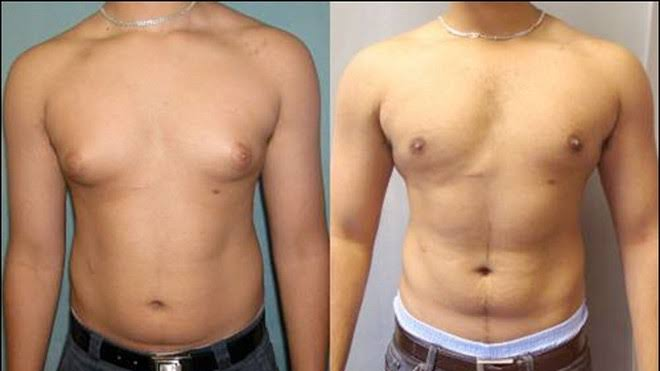
- Mastectomy (Gland Removal): Performed through a semi-circular incision at the lower edge of the areola. The doctor dissects and removes the entire hard, fibrotic glandular mass. This technique is often combined with liposuction to prevent the chest from becoming sunken or asymmetrical.
Surgery is generally safe, and recovery time is relatively quick. However, patients must still comply with wearing a post-operative compression garment to reduce swelling and help the skin retract tightly against the chest wall.
The Role of Pharmacists and Doctors at Men’s Health Andrology Pharmacy
The treatment process for gynecomastia goes beyond just receiving a prescription or undergoing surgery; it requires in-depth medical companionship, from diagnosing the endocrine cause to monitoring the body’s physical changes.
Men’s Health Andrology Pharmacy, a unit within the Men’s Health Center ecosystem founded by Dr. Tra Anh Duy (MD, Specialist Level 2), ensures that patients are always consulted, advised, and supported by doctors and pharmacists in choosing appropriate healthcare solutions. We understand that physical changes related to endocrinology often cause embarrassment for men. Therefore, Men’s Health always emphasizes professionalism, safety, discretion, information confidentiality, and respect for personal needs throughout the examination, treatment, and follow-up process.
When a doctor prescribes endocrine treatment medications (prescription drugs), the pharmacist at Men’s Health Andrology Pharmacy will provide detailed instructions on how to use them, when to take them, side effects to monitor, and potential drug interactions. The close coordination between clinicians and pharmacists helps optimize the efficacy of medical treatment while ensuring absolute safety for the patient and preventing unauthorized drug abuse.
Lifestyle Changes and Prevention Advice
In addition to medical interventions, lifestyle adjustments play a key role in preventing recurrence or supporting the regression of the breast gland:
- Avoid Anabolic Steroids: Strictly do not use muscle-building stimulants or testosterone without the supervision of a medical doctor.
- Limit Alcohol and Stimulants: Alcohol impairs the function of the liver—the main organ that clears estrogen—and marijuana has also been shown to cause sex hormone disorders.
- Control Body Weight: Maintain an ideal Body Mass Index (BMI). A balanced diet and regular exercise help reduce excess fat, thereby decreasing the conversion of testosterone to estrogen in peripheral fat tissues.
- Regular Health Check-ups: Properly manage underlying medical conditions (liver, kidney, thyroid) and proactively discuss with your doctor if you suspect your breasts are enlarging due to a side effect of a medication you are currently taking. Your doctor may consider switching to a safer alternative.
Frequently Asked Questions (FAQs) About Gynecomastia in Men
Can Gynecomastia Resolve on Its Own?
Yes, especially during puberty. Most boys who experience breast swelling during puberty will see it resolve naturally within 1–2 years as hormone levels rebalance. In adult men, if the cause is a medication side effect, stopping the drug in time (under a doctor’s guidance) can also help the chest return to normal without surgery. However, if the breasts have been enlarged for over 2 years, the chance of it resolving on its own is very low.
Will Gym Workouts Reduce Male Gynecomastia?
If you have true gynecomastia (caused by glandular tissue), doing chest exercises at the gym (like bench presses) will not reduce the glandular tissue. In fact, developing the underlying chest muscles can push the glandular mass further out, making the condition look more prominent. Gym workouts are highly effective only for pseudogynecomastia (enlarged breasts due to fat accumulation).
Does Gynecomastia Increase the Risk of Breast Cancer?
Gynecomastia itself is a benign mass and does not progress into breast cancer. However, men with this condition—especially if accompanied by factors such as a family history of breast cancer, BRCA2 gene mutations, or Klinefelter syndrome—still need careful screening. This is because some symptoms of male breast cancer (a hard, one-sided lump) are easily confused with gynecomastia.
Can Topical Creams Cure Gynecomastia?
Currently, no topical creams, gels, or herbal remedies have been medically proven to shrink fibrotic breast tissue or permanently resolve internal hormonal imbalances in the body. Believing in advertisements for chest-flattening creams not only wastes money but also causes patients to miss the “golden window” during which endocrine medication could be effective.
Does Male Mastectomy Surgery Leave Large Scars?
With modern surgical techniques, aesthetic/thoracic surgeons typically combine liposuction with a very small incision (a semi-circular incision along the lower half of the areola). This incision aligns with the natural color boundary of the areola. After recovery, the scar is usually very faint, difficult to detect with the naked eye, and ensures a highly aesthetic result for men.
Conclusion
Gynecomastia in men is a fully correctable condition if the stage and root cause are accurately assessed. Medication is typically prioritized when the glandular tissue is still in the active proliferation phase, has not yet become fibrotic, and there is a clear physiological endocrine imbalance. Meanwhile, surgery is the most definitive and aesthetic solution for cases that have transitioned to the chronic stage.
Patients should absolutely not self-diagnose, self-administer endocrine drugs, or use unverified topical products available on the market to shrink their chest, as this carries the risk of severe side effects. Upon noticing abnormal changes in the chest area, accompanied by pain or feelings of self-consciousness, men should confidently seek out specialized medical facilities. The Men’s Health Center ecosystem is always ready to accompany patients, providing professional, safe, and discreet examination, consultation, and treatment services to help men quickly regain their confidence and masculinity.