

Estrogen in men is an essential hormone for bone health, sexual function, metabolism, and the proper functioning of multiple tissues in the body. The most clinically relevant form of estrogen in men is estradiol (E2). For adult men, many laboratories use a standard reference range for E2 of 10–40 pg/mL (equivalent to roughly 37–147 pmol/L). However, there is no single “ideal” number that applies universally; results must be evaluated based on the laboratory’s specific reference range, the patient’s symptoms, testosterone levels, and overall health status.

What is Estrogen in Men?
Men still produce and require an appropriate amount of estrogen to maintain normal physiological functions. Estrogen is not a hormone exclusive to women.
Estrogen is a collective term for a group of steroid hormones. The three most commonly mentioned forms are:
- Estradiol (E2): The form with the most potent biological activity and the one most frequently tested in men.
- Estrone (E1): Has weaker estrogenic activity than estradiol.
- Estriol (E3): Primarily of concern during pregnancy in women.
In andrology practice, when doctors refer to “estrogen testing in men,” they are most concerned with serum estradiol.
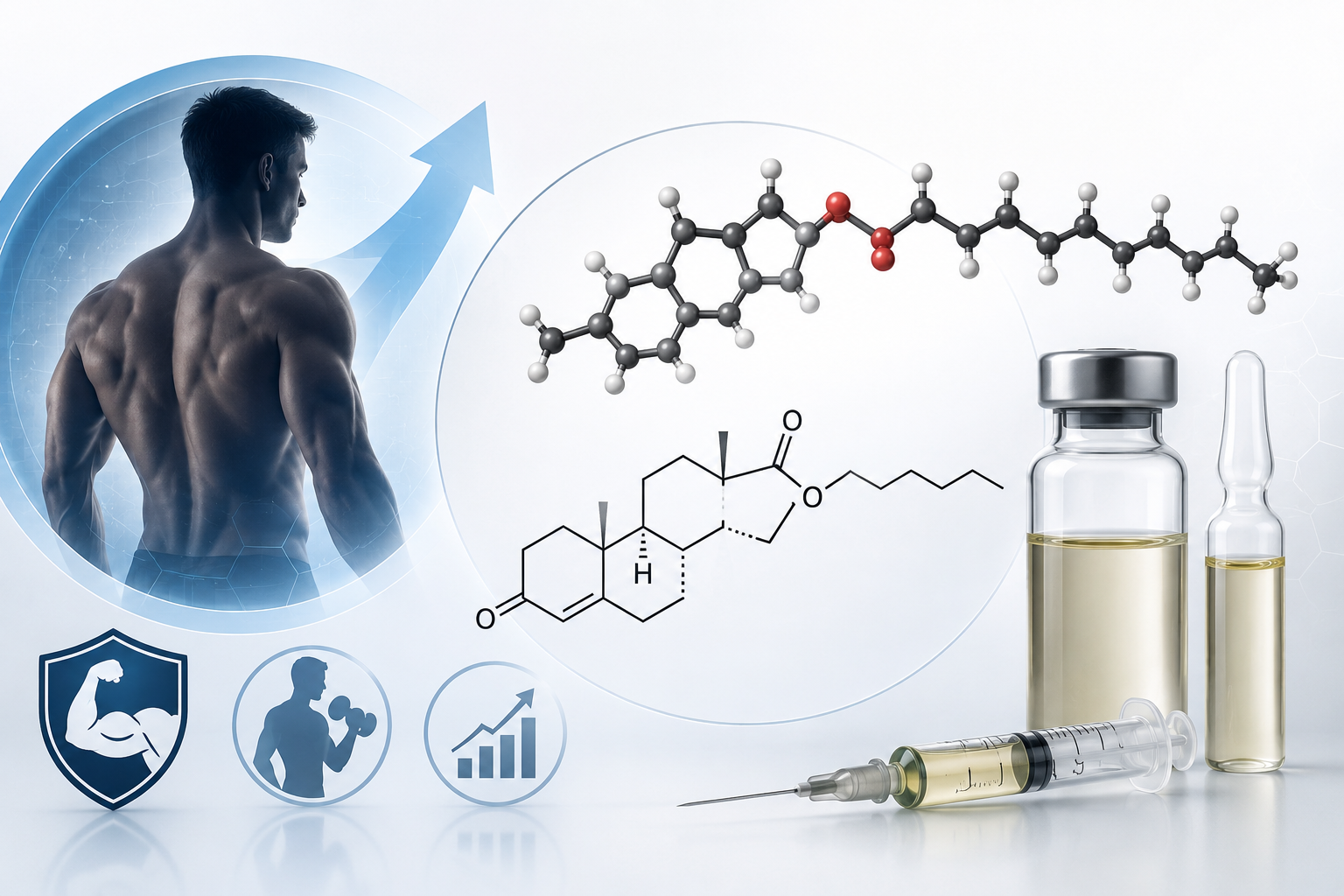
The majority of estradiol in men is not produced by a specific separate organ. Instead, a portion of androgens, particularly testosterone, is converted into estradiol by the enzyme aromatase in various tissues throughout the body, including adipose (fat) tissue.
Therefore, testosterone and estrogen are not entirely opposing hormones. They are closely linked and need to be maintained in a balanced state.
What is the Role of Estrogen in the Male Body?
Estrogen is involved in numerous critical functions in men, most notably maintaining bone density, sexual function, and certain metabolic and neurological activities. Because of this, the physiological goal is not to drive estrogen as low as possible.
According to the Endocrine Society, estradiol in men plays a role in bone maintenance, nitric oxide production, and brain function.
1. Maintaining a Healthy Skeletal System
Estrogen, specifically estradiol, plays a vital role in bone remodeling and maintaining bone mineral density in men. Bones continuously undergo two processes:
- Formation of new bone.
- Resorption and breakdown of old bone tissue.
Sex hormones help regulate the balance between these two processes. If estrogen drops too low for an extended period, bone loss can accelerate. This is why self-medicating to “block estrogen” or drive estradiol to very low levels is not a safe strategy for optimizing testosterone.
2. Supporting Libido and Sexual Function
Male libido and sexual function do not rely solely on testosterone. Estradiol is also actively involved in the regulatory system for sexual function. However, this does not mean that low libido or erectile dysfunction (ED) is automatically caused by high or low estrogen.
ED, decreased libido, or reduced sexual satisfaction can also be linked to:
- Low testosterone
- Cardiovascular disease
- Diabetes
- Obesity
- Dyslipidemia (abnormal blood lipids)
- Medication side effects
- Sleep deprivation
- Stress, anxiety, or depression
- Thyroid or prolactin disorders
- Relationship issues
Therefore, one should not self-test for estradiol and self-prescribe hormone-adjusting medications based on a single sexual symptom.
3. Regulating Body Composition
Estradiol is associated with fat distribution and metabolic regulation in men.
Notably, adipose (fat) tissue contains the aromatase enzyme. As body fat increases, the conversion of androgens to estrogens in peripheral tissues can also increase. This explains why some overweight or obese men may experience an altered ratio between testosterone and estrogen. However, one cannot conclude that having belly fat definitively means estrogen is high. Clinical evaluation and testing are required.
4. Brain and Nervous System Function
Estradiol participates in central nervous system activities and is linked to numerous biological processes in the brain. The Endocrine Society notes that maintaining appropriate estradiol levels is associated with healthy brain function in men.
Mood, cognition, and sexual health are simultaneously influenced by multiple hormones and psycho-social factors. Thus, not every change in emotion or concentration should be attributed to estrogen.

5. Balancing with Testosterone
What matters is not just whether estrogen is high or low, but the patient’s overall endocrine context.
- For example, a person with estradiol within the reference range but significantly decreased testosterone may still have an abnormal androgen-to-estrogen ratio.
- Conversely, a person with estradiol near the upper limit, but with normal testosterone and absolutely no symptoms, may not require any treatment.
Because of this, doctors usually do not “treat the estrogen number” in isolation.
What is the Normal Estrogen Level in Men?
If testing for estradiol (E2), the common reference range for adult men is 10–40 pg/mL. Converted to the SI unit system, this equals approximately 37–147 pmol/L.
Note: Mayo Clinic Laboratories currently publishes the reference range for adult male estradiol as 10–40 pg/mL.
| Parameter | Common Reference Range |
| Estradiol (E2) | 10–40 pg/mL |
| Estradiol (E2) in SI units | Approx. 37–147 pmol/L |
Does Every Man Need to Keep E2 Between 10–40 pg/mL?
No. This is a reference range used by some laboratory systems, not an absolute threshold applicable to every lab and every person. Reference ranges can vary based on:
- Quantitative methods.
- Testing equipment.
- Assay sensitivity.
- Age.
- The population used to establish the reference range.
- Pathological conditions.
- Medications or hormones currently being used.
Therefore, when reading results, prioritize the reference range printed directly on the report from the testing laboratory.
Is There an “Optimal” Estrogen Level for All Men?
Currently, there is no single estradiol number considered optimal for all men.
For instance, two men might both have an E2 of 38 pg/mL, but the clinical meaning differs:
- Person A: Has normal testosterone, no breast pain, no gynecomastia, and no symptoms. (Healthy)
- Person B: Is on testosterone therapy, experiencing breast tenderness, and has other endocrine changes. (Needs evaluation)
Results must always be interpreted based on symptoms, clinical examination, testosterone levels, and the treatment context.
How Accurate is Estrogen Testing in Men?
Testing estradiol in men requires careful selection and interpretation because E2 levels in men are significantly lower than in premenopausal women.
Standard immunoassays may have reduced accuracy when measuring low concentrations of estradiol. Specialized hormone testing literature frequently notes the discrepancy between immunoassays and mass spectrometry when quantifying low E2 in men.
In situations requiring high precision, testing via Liquid Chromatography-Tandem Mass Spectrometry (LC-MS/MS) may be preferred, depending on lab capabilities and the doctor’s orders. This is particularly crucial if standard test results do not align with clinical symptoms.
What Are the Symptoms of High Estrogen in Men?
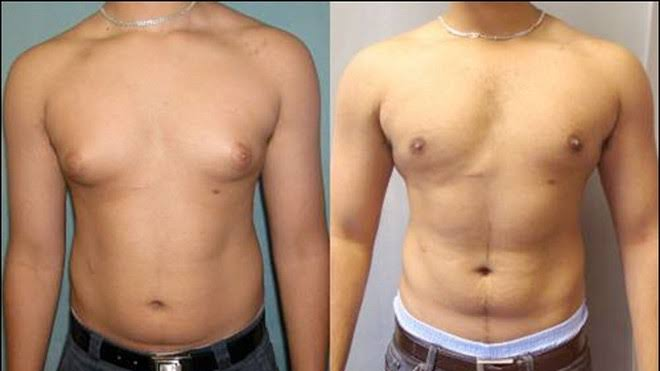
High estrogen does not always cause clear symptoms. One of the primary signs that leads doctors to suspect an estrogen-androgen imbalance is gynecomastia (enlarged male breasts) or breast tenderness.
Additionally, patients may concurrently experience:
- Decreased libido.
- Changes in sexual function.
- Reduced fertility (in certain endocrine disorders).
- Symptoms associated with accompanying low testosterone.
However, these symptoms are not specific exclusively to high estrogen. You cannot self-diagnose high E2 based solely on low libido, erectile dysfunction, or weight gain.
Why Does Estrogen Increase in Men?
Estradiol can rise due to increased conversion of testosterone to estrogen, medications, underlying diseases, or shifts in the endocrine system. Common scenarios doctors evaluate include:
Overweight and Obesity
Fat tissue contains aromatase, the enzyme that converts androgens into estrogen. Therefore, excess body fat can contribute to an imbalance in sex hormones. Sensible weight loss in overweight individuals benefits metabolic health and improves the overall endocrine environment.
Use of Testosterone or Anabolic Steroids
When testosterone levels in the body rise, a portion of it is converted into estradiol. This is particularly notable in individuals who:
- Self-administer testosterone.
- Increase testosterone dosage without medical supervision.
- Use anabolic steroids for muscle building.
- Combine multiple hormones based on gym “bro-science” or social media advice.
Self-prescribing hormones can cause severe endocrine imbalances and impair fertility.
Declining Testosterone
In some cases, the issue is not that estradiol is excessively high, but rather that testosterone is too low, altering the ratio between estrogen and androgens. This is why E2 is rarely evaluated in isolation.
Medical Conditions and Medications
Liver disease, endocrine disorders, testicular diseases, or certain medications can disrupt the estrogen-androgen balance. Rarer causes may need to be investigated if hormone levels are markedly elevated or accompanied by other unusual signs.
Is Low Estrogen Dangerous for Men?
Yes. Prolonged, excessively low estradiol can be detrimental, particularly to bone health and physiological function. This condition may occur when:
- Testosterone drops significantly.
- There is an abnormality in the androgen-to-estrogen conversion process.
- Using aromatase inhibitors (medications that block estrogen production).
- Experiencing certain rare endocrine disorders.
Symptoms can be non-specific. Patients should not self-diagnose “low estrogen” merely because they experience:
- Low libido.
- Fatigue.
- Brain fog/difficulty concentrating.
- Decreased strength.
- Mood changes.
These symptoms are common across a vast array of other medical conditions.
When Should Men Get Tested for Estradiol?
Not all men need routine estrogen testing. E2 testing is typically ordered when specific clinical issues need clarification. The American Urological Association (AUA) guidelines recommend measuring estradiol in testosterone-deficient patients who present with gynecomastia or breast symptoms, and in specific scenarios requiring E2 monitoring during testosterone therapy.
A doctor may consider testing if a patient has:
- Abnormal breast enlargement (Gynecomastia).
- Breast tenderness or pain.
- Symptoms arising while on testosterone therapy (TRT).
- Abnormal testosterone levels requiring further evaluation.
- Infertility coupled with suspected endocrine disorders.
- Signs of hypogonadism.
- Suspected underlying conditions affecting sex hormone balance.
What Other Hormones Might Men Need to Test?
Estradiol is just one piece of the male endocrine puzzle. Depending on the clinical issue, doctors may order:
- Total Testosterone.
- Free Testosterone (when appropriate).
- LH (Luteinizing Hormone).
- FSH (Follicle-Stimulating Hormone).
- Prolactin.
- SHBG (Sex Hormone-Binding Globulin).
- TSH or other thyroid panels.
- Liver, kidney, or metabolic function tests (as needed).
For infertility evaluations, hormones must be contextualized alongside reproductive history, andrological exams, and a semen analysis.
Should Men Self-Medicate with Estrogen-Lowering Drugs?
No. You should never self-medicate based on the misconception that “the lower the estrogen, the higher the testosterone or sexual performance.”
A commonly mentioned class of drugs is aromatase inhibitors (AIs). These reduce the conversion of androgens to estrogen and must strictly be used under professional medical guidance in appropriate clinical scenarios.
Do not buy or use these drugs based on:
- A single E2 result hovering near the upper limit.
- Anecdotal advice from gym-goers.
- Someone else’s prescription.
- Information from online forums or social media.
- The desire for a quick testosterone boost.
Crashing estradiol levels too low can severely damage bone health and estrogen-dependent physiological functions. Furthermore, men currently undergoing testosterone therapy should never independently add “estrogen blockers” or alter their testosterone dosage without a physician’s evaluation.
What to Do if Estrogen Test Results Are High or Low?
A single test result outside the reference range is not enough to diagnose a disease, nor does it automatically mandate medication. Doctors typically follow these steps:
- Compare the result against the specific lab’s reference range.
- Note the assay/testing method used.
- Evaluate clinical symptoms.
- Check testosterone and related hormones if necessary.
- Review all current medications, supplements, or hormones the patient is taking.
- Assess body weight, liver health, metabolic status, and related medical history.
- Retest if results do not align with clinical presentation.
- Treat the underlying cause if an issue is identified.
Do not self-prescribe drugs to raise or lower estrogen, especially when the root cause remains unknown.
When Should Men with Abnormal Estrogen See a Doctor?
You should consult an andrologist or endocrinologist if you experience any of the following:
- New-onset or progressive breast enlargement.
- Persistent breast pain or tenderness.
- A hard lump in the breast, particularly on one side.
- Nipple discharge or bleeding.
- Prolonged low libido.
- Recurrent erectile dysfunction.
- Signs of hypogonadism.
- Infertility.
- Markedly abnormal testosterone or estradiol lab results.
- Side effects while on prescribed testosterone therapy.
- Abnormal symptoms while self-administering anabolic steroids or hormone-modulating drugs.
Red Flag: If you discover an abnormal breast mass, nipple discharge, skin changes, or enlarged armpit lymph nodes, seek immediate medical attention to determine the cause rather than assuming it is merely high estrogen.
How to Naturally Maintain Estrogen Balance in Men?
The most sustainable approach is to maintain stable metabolic health and a balanced endocrine system. Effective lifestyle measures include:
- Maintain a Healthy Weight: For overweight or obese men, reducing body fat through proper diet and exercise improves metabolic health and the hormonal environment.
- Exercise Regularly: Combine aerobic activity with strength training. Reduce sedentary time and increase daily physical activity. (Anabolic steroids are not needed to build muscle).
- Get Adequate Sleep: Chronic sleep deprivation wreaks havoc on the endocrine system, metabolism, mood, and sexual function. A consistent sleep schedule is vital for hormonal health.
- Limit Alcohol Consumption: Excessive alcohol intake negatively impacts the liver, metabolism, and sexual function. Limiting alcohol benefits overall health, not just estrogen levels.
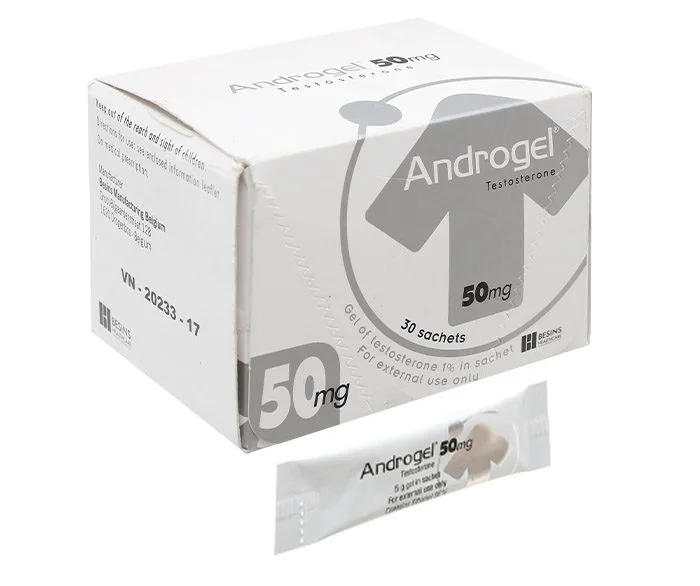
- Avoid Unprescribed Hormones: Testosterone is a prescription medication. Its use must be based on symptoms, lab tests, and medical evaluation. Men planning to have children must be especially cautious, as exogenous testosterone can suppress sperm production.
The Role of Doctors and Pharmacists in Treating Male Endocrine Disorders
Testosterone-estrogen issues must be approached by addressing the root cause, rather than obsessing over forcing a lab number to a specific target.
Within the Men’s Health Men’s Health Center ecosystem, issues related to male endocrinology, sexual function, and reproductive health are evaluated based on symptoms, physical examinations, and appropriate testing.
The Men’s Health Andrology Pharmacy, part of the Men’s Health ecosystem founded by Dr. Tra Anh Duy (MD, Specialist Level 2), assists patients by counseling on prescribed medication usage, explaining protocols, and highlighting monitoring requirements.
For testosterone, aromatase inhibitors, or other endocrine medications, patients should never self-purchase or self-adjust dosages. Collaboration between doctors and pharmacists ensures that treatment is professionally monitored, safe, discreet, confidential, and tailored specifically to each individual case.
Frequently Asked Questions (FAQs) About Estrogen in Men
1. What is a normal estrogen level for men?
If testing estradiol (E2), 10–40 pg/mL (approx. 37–147 pmol/L) is a common reference range for adult men. However, you should always prioritize the specific reference range provided by the laboratory performing the test.
2. Do men have estrogen?
Yes. Men naturally produce estrogen and require an appropriate amount to maintain bone density, brain function, sexual function, and various other physiological activities.
3. Where is estrogen produced in men?
A significant portion of estradiol in men is produced peripherally when testosterone and other androgens are converted into estrogen by the enzyme aromatase, which is notably present in fat tissue.
4. Does high estrogen cause breast enlargement in men?
It can. An imbalance between estrogenic and androgenic effects is a primary mechanism behind gynecomastia. However, not all cases of enlarged breasts are caused by elevated E2 levels in the blood.
5. Does high estrogen cause erectile dysfunction?
Abnormal estrogen can affect the hormonal environment and sexual function, but ED is not a specific, exclusive sign of high estrogen. Cardiovascular disease, metabolic issues, low testosterone, psychological factors, and medications must all be considered.
6. Does belly fat increase estrogen?
It can. Adipose (fat) tissue contains aromatase, so excess body fat can increase the conversion of androgens to estrogen. However, blood tests are required to confirm if a specific individual actually has high estradiol.
7. Does high testosterone increase estrogen?
It can, because a portion of testosterone is naturally converted into estradiol. This requires special attention in individuals self-administering testosterone or anabolic steroids.
8. If my E2 is over 40 pg/mL, do I need to take estrogen-lowering medication?
Treatment cannot be decided based solely on the number 40 pg/mL. A doctor must evaluate the lab’s reference range, your symptoms, testosterone levels, current medications, and the underlying cause before considering any medical intervention.
9. Is lower estrogen always better for men?
No. Estrogen that is too low can negatively impact bone health and other physiological functions. The goal is hormonal balance, not the elimination of estrogen.
10. Do healthy men need routine estrogen testing?
Generally, routine estradiol testing is not necessary for healthy men. The test is clinically valuable when specific symptoms or scenarios arise, such as gynecomastia, breast pain, abnormal testosterone levels, or when monitoring prescribed hormone therapy.
Conclusion
Estrogen in men is an essential hormone, not a “bad” hormone that needs to be driven as low as possible. Estradiol is vital for maintaining bones, sexual function, neurological activity, and the body’s metabolic balance.
For adult men, an E2 of roughly 10–40 pg/mL (37–147 pmol/L) is a reference range used by several laboratories, but it should not be viewed as an absolute threshold for everyone. Lab results must be evaluated in the context of the assay method used, the specific lab’s reference range, total testosterone levels, clinical symptoms, and overall health status.
If estradiol is found to be high or low—especially when accompanied by gynecomastia, breast pain, low libido, erectile dysfunction, infertility, or abnormal testosterone—the patient should be properly evaluated by an andrologist or endocrinologist. Do not self-diagnose or self-medicate with long-term estrogen blockers, testosterone, or other endocrine drugs, as hormone therapy must target the root cause and be professionally monitored.