
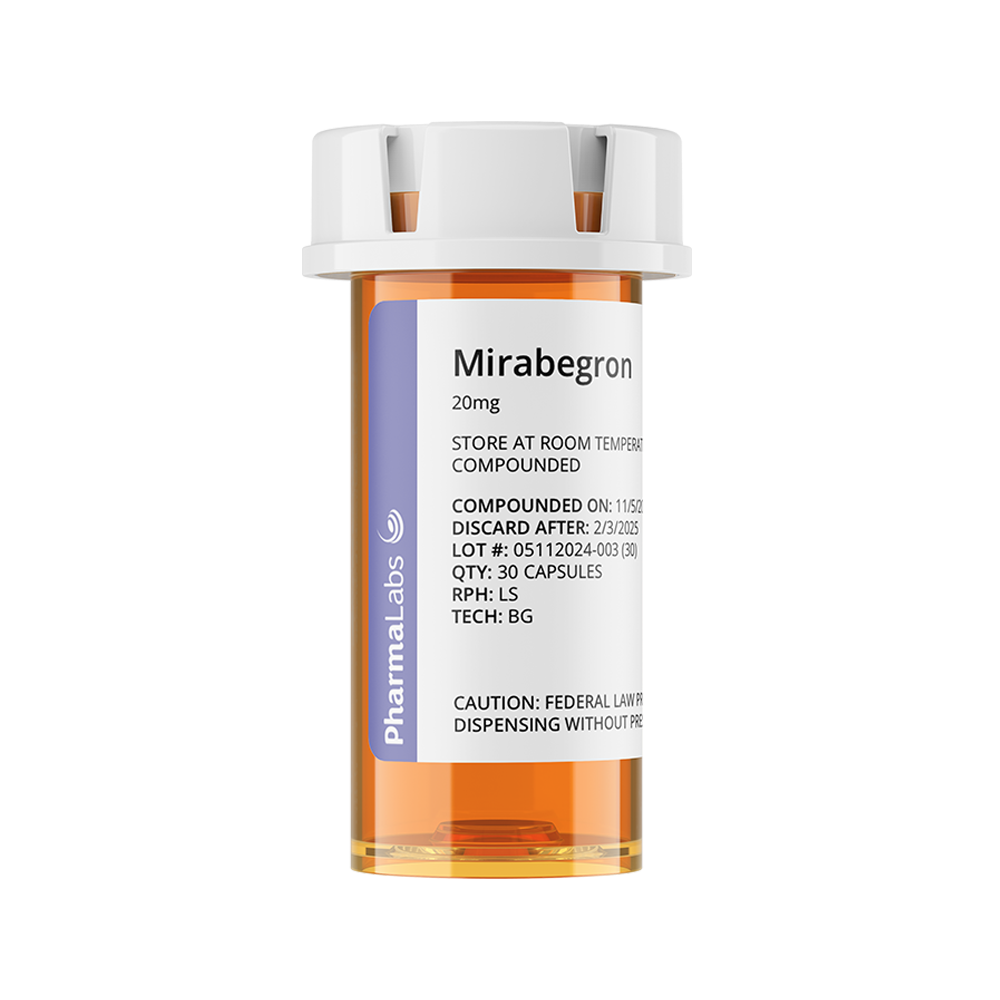
Mirabegron is a selective beta-3 adrenergic receptor agonist (β3-agonist) primarily indicated for the treatment of overactive bladder (OAB) symptoms, including urgency, frequency, and urge urinary incontinence. In men, mirabegron works by binding to beta-3 receptors located on the detrusor muscle of the bladder, promoting smooth muscle relaxation during the storage phase without impairing bladder contraction during voiding. This unique mechanism offers an effective alternative to traditional antimuscarinics, especially for male patients concerned about cognitive side effects or urinary retention associated with lower urinary tract symptoms (LUTS) and benign prostatic hyperplasia (BPH).
1. What Is Mirabegron and How Does It Act on Beta-3 Adrenoreceptors?
Mirabegron is a first-in-class, orally active, selective beta-3 adrenoreceptor agonist developed to restore normal bladder storage capacity. To understand its action, it is essential to examine the distribution of adrenergic receptors in the lower urinary tract.
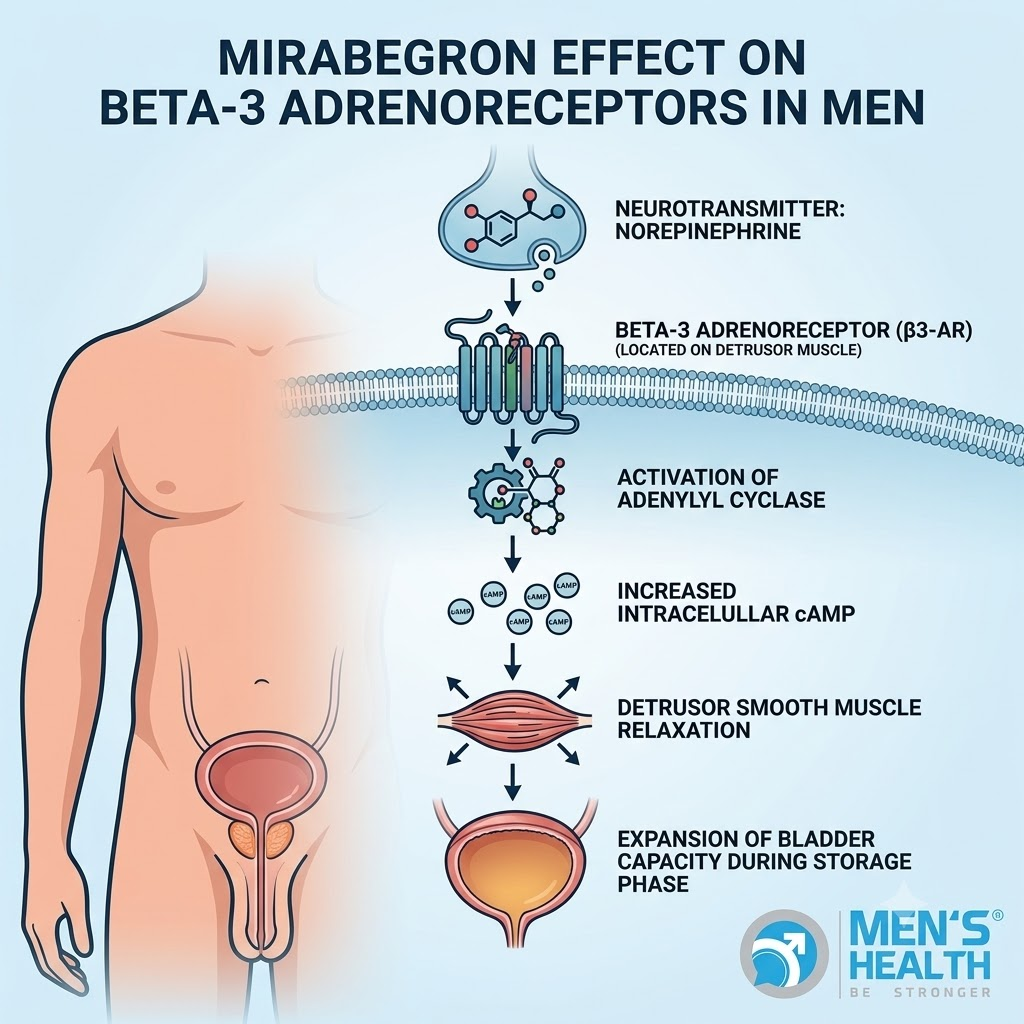
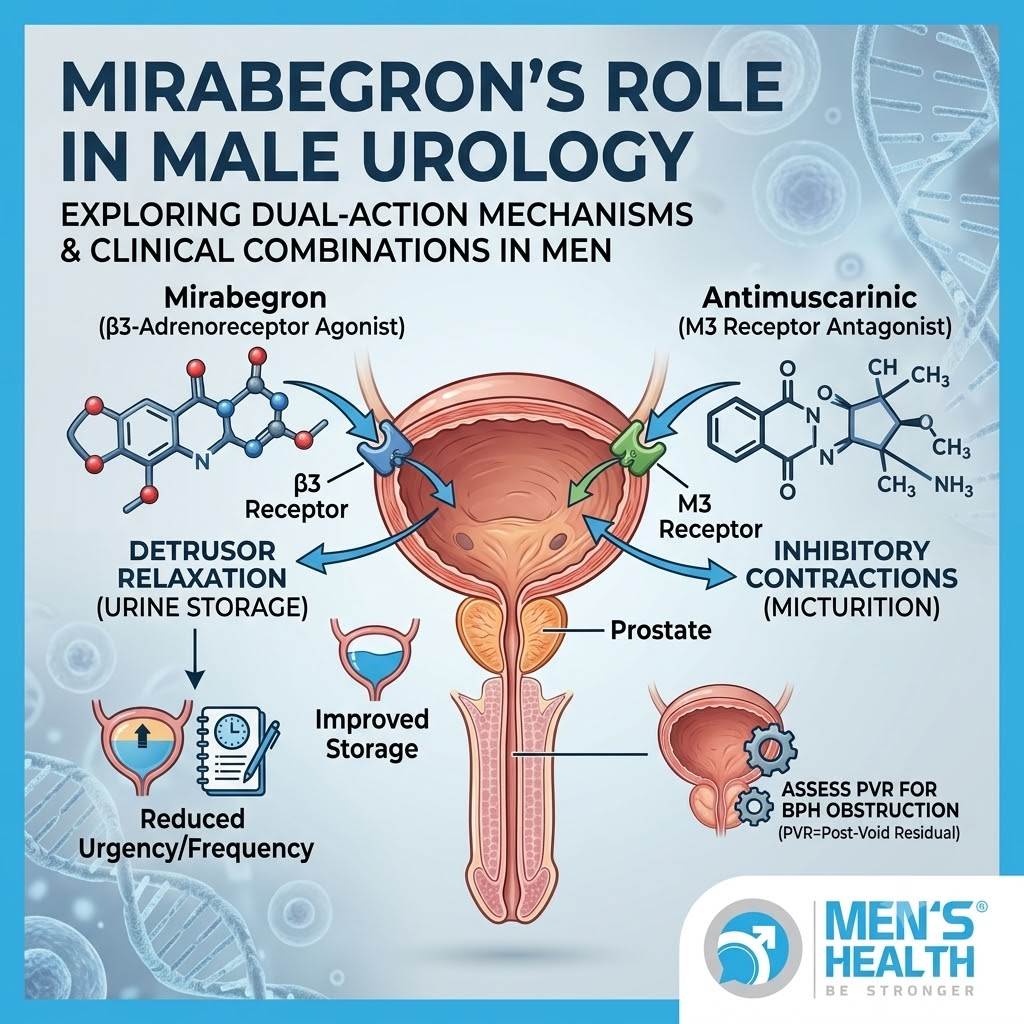
During the urine storage phase, sympathetic nerve stimulation releases norepinephrine, which binds to β3-adrenoreceptors on the detrusor smooth muscle cells. Activation of these receptors stimulates the enzyme adenylyl cyclase, leading to an increase in intracellular cyclic adenosine monophosphate (cAMP). This cascade causes direct relaxation of the detrusor muscle, allowing the bladder to expand and hold larger volumes of urine at lower intravesical pressures.
Unlike classical anticholinergic drugs (antimuscarinics) that block acetylcholine at M2 and M3 muscarinic receptors to prevent involuntary bladder contractions, mirabegron enhances the physiological relaxation pathway. Consequently, it improves storage parameters without compromising detrusor contractility during micturition.
2. Indications and Therapeutic Role of Mirabegron in Male Lower Urinary Tract Symptoms (LUTS)
Lower urinary tract symptoms in men often stem from a complex interplay between bladder outlet obstruction (BOO) caused by Benign Prostatic Hyperplasia (BPH) and detrusor overactivity (DO).
Treatment of Overactive Bladder (OAB)
Mirabegron is officially approved for managing the core storage symptoms of OAB:
- Urinary Urgency: A sudden, compelling desire to pass urine that is difficult to defer.
- Increased Daytime Frequency: Needing to micturate excessively throughout the day.
- Nocturia: Waking up multiple times during the night to void.
- Urge Urinary Incontinence: Involuntary leakage accompanied or immediately preceded by urgency.
Combination Therapy with Alpha-Blockers for Male BPH/LUTS
In clinical practice, male LUTS is frequently driven by both prostate enlargement (obstructive symptom) and detrusor muscle irritability (storage symptom). Monotherapy with an alpha-1 blocker (such as tamsulosin or silodosin) relieves mechanical outlet resistance but may leave storage symptoms unresolved.
According to current international urological guidelines, combining mirabegron with an alpha-blocker provides dual therapeutic action: alpha-blockers relax the prostatic smooth muscle, while mirabegron relaxes the detrusor muscle during storage. This combination significantly reduces voiding frequency and urgency episodes without increasing the risk of acute urinary retention (AUR) compared to anticholinergic combination regimens.
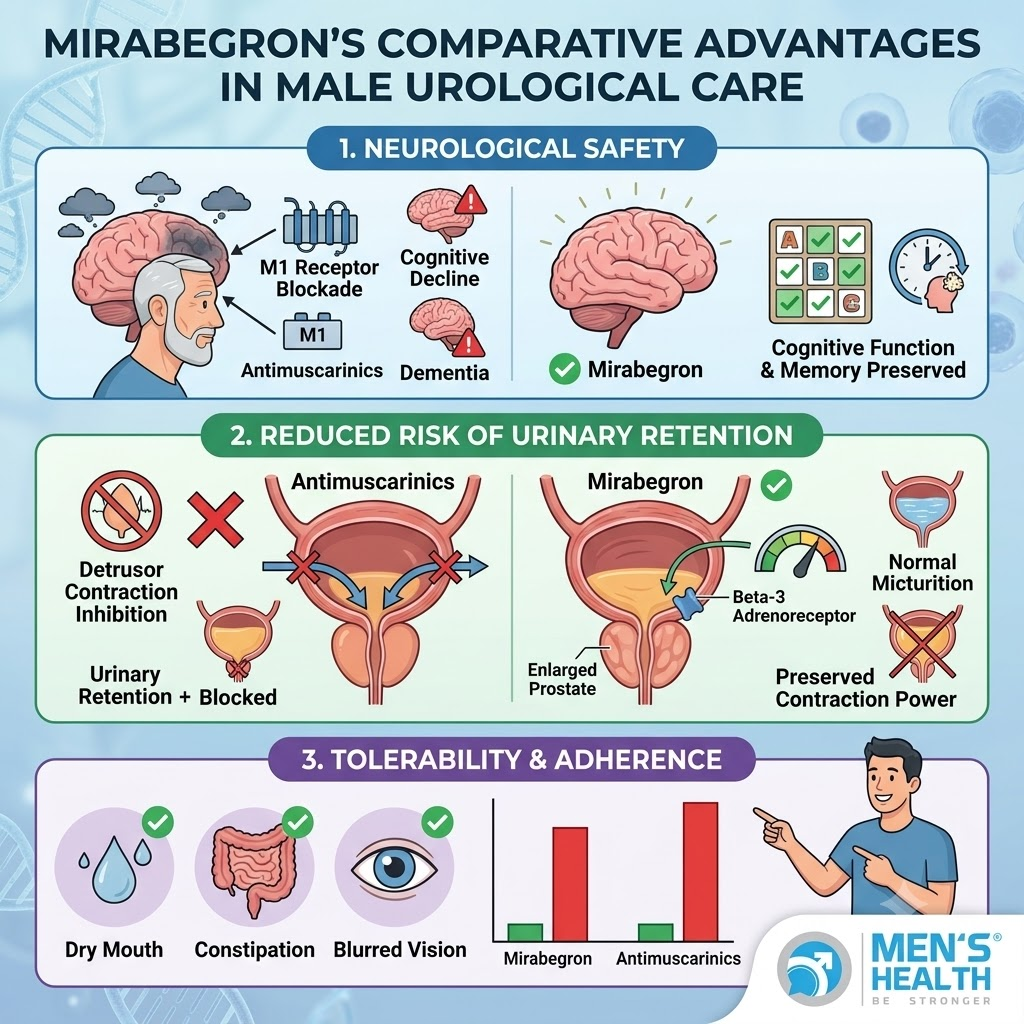
3. Key Advantages of Mirabegron Over Traditional Antimuscarinic Agents
Antimuscarinic medications (such as oxybutynin, tolterodine, and solifenacin) have long been the mainstay for OAB. However, their clinical utility in male patients is often constrained by systemic adverse effects and safety concerns.
4. Cardiovascular Effects and Pharmacological Risk Profile
Because beta-adrenergic receptors are also present in the cardiovascular system (β1 and β2 in the heart and blood vessels, with low-level expression of β3 in cardiac tissue), the cardiovascular safety of mirabegron warrants careful consideration.
Blood Pressure and Heart Rate Monitoring
Mirabegron can cause dose-dependent increases in blood pressure and heart rate due to off-target activation of cardiac β1-receptors or peripheral vascular beta-receptors at higher concentrations:
- Systolic and Diastolic BP: Mean increases of 1 – 2 mmHg in blood pressure have been observed in clinical trials.
- Pulse Rate: Minimal mean heart rate increases of approximately 1 – 2 beats per minute may occur.
Contraindications and Cautionary Groups
- Severe Uncontrolled Hypertension: Mirabegron is strictly contraindicated in patients with severe uncontrolled hypertension, defined as systolic blood pressure ≥ 180 mmHg or diastolic blood pressure ≥ 110 mmHg.
- Pre-existing Cardiovascular Disease: Men with a history of stage 2 hypertension, baseline tachycardia, ischemic heart disease, or cardiac arrhythmias require baseline cardiovascular evaluation and periodic blood pressure checks during treatment initiation.
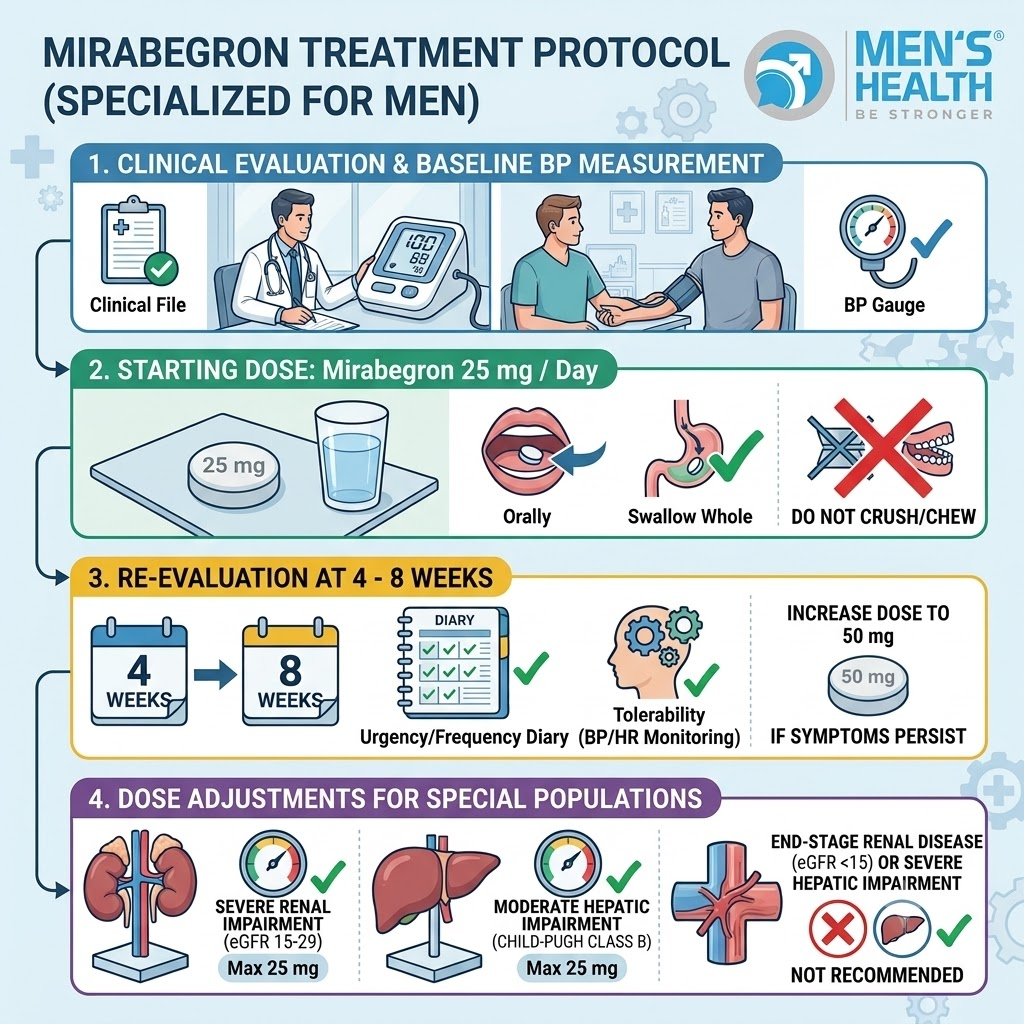
5. Dosage, Administration, and Pharmacokinetics in Male Patients
Mirabegron is formulated as an extended-release (ER) tablet to ensure steady systemic exposure over a 24-hour cycle.
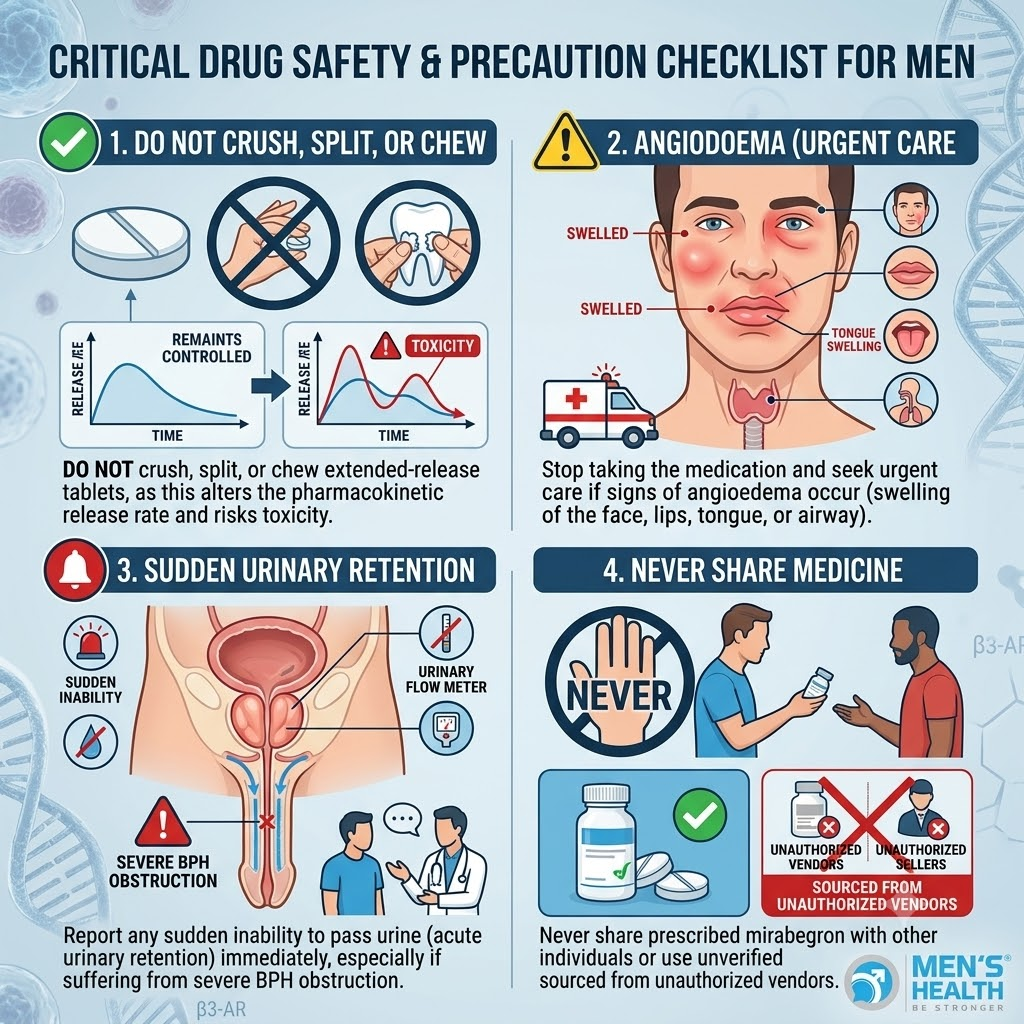
6. Adverse Effects, Drug Interactions, and Safety Precautions
While generally well tolerated, mirabegron possesses specific pharmacological properties that dictate its safety and interaction profile.
Common Adverse Reactions
- Vascular: Hypertension, sinus tachycardia, or palpitations.
- Gastrointestinal: Nausea, constipation, diarrhea, or dry mouth (significantly lower rate than antimuscarinics).
- Neurological: Headache, dizziness.
- Infectious: Urinary tract infections (UTIs) and nasopharyngitis.
Important Drug-Drug Interactions
Mirabegron is a moderate inhibitor of the cytochrome P450 enzyme CYP2D6. This enzyme inhibition can lead to elevated plasma concentrations of co-administered drugs metabolized by CYP2D6:
- Substrates with Narrow Therapeutic Index: Metoprolol, nebivolol, thioridazine, flecainide, and propafenone. Careful dose titration and clinical monitoring are advised.
- Antidepressants: Desipramine, imipramine, and venlafaxine may require dosage adjustments when co-prescribed with mirabegron.
- Digoxin Interaction: Mirabegron is a weak inhibitor of P-glycoprotein (P-gp). When co-administered with digoxin, serum digoxin concentrations should be monitored, and the lowest effective digoxin dose should be utilized.
7. Role of Men’s Health Pharmacy in Male Urological Care
Managing complex lower urinary tract symptoms, benign prostatic hyperplasia, and overactive bladder requires a coordinated, patient-centered clinical approach.
Men’s Health Pharmacy operates as an integral component of the Men’s Health Center ecosystem, founded by Dr. Tra Anh Duy (MD, PhD, Spec II). Within this specialized setting, patients receive comprehensive care where expert urologists and clinical pharmacists collaborate to guide proper pharmaceutical choices, review drug interactions, and ensure treatment safety. Men’s Health prioritizes professional excellence, patient safety, utmost discretion, strict confidentiality, and personalized care throughout diagnosis, therapy, and clinical follow-up.
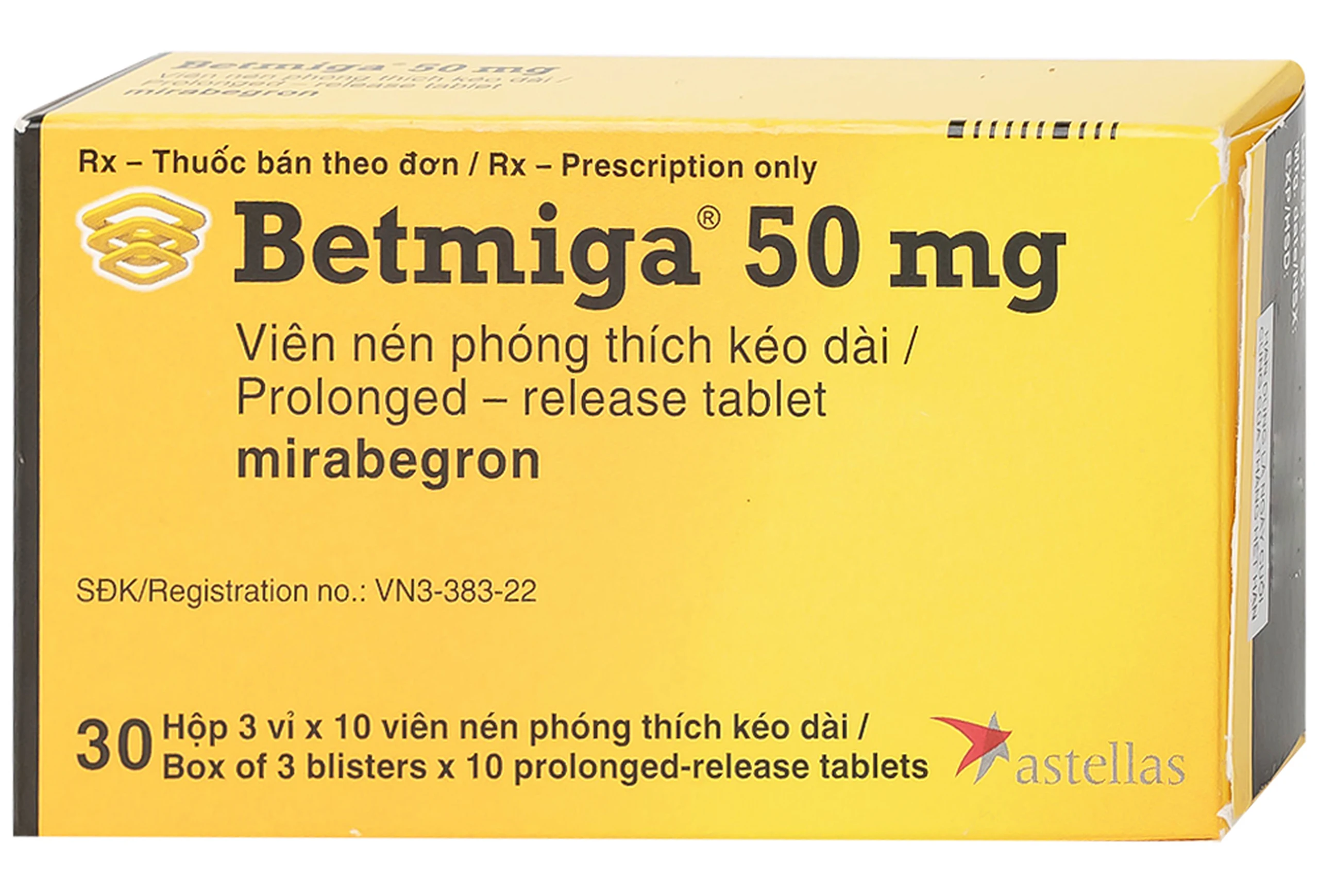
When male patients present with storage and voiding LUTS, specialists at Men’s Health perform thorough urodynamic and cardiovascular evaluations to identify the underlying pathology before prescribing selective beta-3 agonists like mirabegron or combination regimens.
8. Lifestyle Modifications and Non-Pharmacological Strategies for OAB
Pharmacotherapy with mirabegron yields optimal results when combined with structured behavioral interventions and lifestyle modifications:
- Fluid Management: Regulate daily fluid intake (typically 1.5 – 2 liters/day). Limit liquid consumption 2 – 3 hours before bedtime to reduce nocturia episodes.
- Dietary Triggers Elimination: Reduce or eliminate dietary bladder irritants, including caffeine, alcohol, artificial sweeteners, carbonated beverages, and highly spiced foods.
- Bladder Training: Practice timed voiding and gradual interval extension techniques to suppress urgency surges and retrain detrusor reflex responses.
- Pelvic Floor Muscle Training (Kegel Exercises): Strengthen the pelvic floor musculature under professional guidance to improve voluntary sphincter control during sudden urgency signals.
- Weight Management and Smoking Cessation: Maintain a healthy Body Mass Index (BMI) to decrease intra-abdominal pressure on the bladder, and cease smoking to prevent chronic coughing, which exacerbates urinary leakage.
9. Common Misconceptions Regarding Mirabegron in Men
- Believing mirabegron shrinks an enlarged prostate: Mirabegron targets the detrusor muscle of the bladder to relieve storage symptoms (urgency, frequency); it does not alter prostate volume or inhibit 5-alpha reductase activity.
- Assuming mirabegron is a performance enhancer or ED treatment: Mirabegron has no direct therapeutic efficacy for erectile dysfunction or sexual stamina and should never be used off-label for performance enhancement.
- Stopping medication as soon as symptoms improve: OAB is a chronic condition. Discontinuing mirabegron abruptly without consulting a urologist often leads to immediate recurrence of bothersome urgency and frequency.
- Ignoring blood pressure monitoring while on treatment: Assuming that because mirabegron is “not a heart pill,” blood pressure monitoring is unnecessary is a dangerous oversight, given its potential for modest blood pressure elevation.
10. Comparative Summary of Treatment Modalities for Male OAB and LUTS
| Therapeutic Approach | Primary Target / Mechanism | Impact on Voiding / Retention Risk | Common Side Effects | Cognitive Safety Profile |
| Beta-3 Agonist (Mirabegron) | Selective β3-AR stimulation; detrusor relaxation | Low risk of urinary retention; maintains voiding power | Mild BP elevation, headache, UTI, dry mouth (rare) | High (Does not cross blood-brain barrier / non-anticholinergic) |
| Antimuscarinics (Solifenacin/Oxybutynin) | Competitive blockade of M2/M3 bladder receptors | Moderate to high retention risk in obstructed BPH | Severe dry mouth, constipation, blurred vision | Low (Risk of cognitive impairment, especially in elderly men) |
| Alpha-1 Blockers (Tamsulosin/Silodosin) | $\alpha_1\text{-AR}$ blockade; prostatic smooth muscle relaxation | Reduces voiding resistance; improves urine flow | Retrograde ejaculation, orthostatic hypotension, nasal congestion | High (No central cholinergic blockade) |
| 5-Alpha Reductase Inhibitors (Finasteride) | Inhibits 5AR enzyme; reduces dihydrotestosterone (DHT) | Slowly reduces prostate size over 3 – 6 months | Decreased libido, erectile dysfunction, gynecomastia | High (No direct central nervous system cholinergic impairment) |
Mirabegron Effect on Beta-3 Adrenoreceptors in Men and Frequently Asked Questions
How long does it take for mirabegron to show noticeable clinical improvements in male OAB?
Initial improvements in urinary urgency and voiding frequency are often observed within 1 – 2 weeks of starting mirabegron therapy. However, full therapeutic efficacy and maximum expansion of bladder capacity typically require 4 – 8 weeks of consistent daily administration.
Can men with benign prostatic hyperplasia (BPH) safely take mirabegron?
Yes, men with BPH who experience persistent urinary urgency, frequency, or urge incontinence can safely take mirabegron, particularly when combined with an alpha-blocker. Unlike antimuscarinics, mirabegron relaxes the bladder during storage without suppressing the contraction force needed for emptying, minimizing acute urinary retention risks.
Does mirabegron affect male erectile function or sexual health?
Mirabegron does not negatively impact erectile function, ejaculation, or serum testosterone levels. By relieving distressing urinary storage symptoms and nocturia, successful treatment with mirabegron frequently improves overall quality of life and sexual confidence in men.
What should a male patient do if he misses a daily dose of mirabegron?
If a dose is missed, the patient should take it as soon as remembered on the same day. If more than 12 hours have elapsed since the scheduled time, skip the missed dose and resume the normal daily schedule the following morning. Never double the dose to make up for a missed tablet.
Is routine blood pressure monitoring required for all men taking mirabegron?
Yes, baseline blood pressure measurement prior to initiating mirabegron therapy is strongly recommended for all male patients. Periodic blood pressure re-evaluations should be performed during the first few months of treatment and following any dose increase to 50 mg daily, especially in patients with pre-existing hypertension.
Can mirabegron be taken alongside over-the-counter cold and flu medications?
Men taking mirabegron should exercise caution with over-the-counter decongestants containing pseudoephedrine or phenylephrine. Combining sympathomimetic amine decongestants with a beta-3 agonist can lead to additive vascular vasoconstriction and significant elevations in blood pressure.
Conclusion
The mirabegron effect on beta-3 adrenoreceptors in men represents a major therapeutic advancement in managing male lower urinary tract symptoms, urinary urgency, and overactive bladder. By selectively promoting detrusor muscle relaxation during urine storage without impairing voiding contraction or central cognitive function, mirabegron offers a effective, well-tolerated treatment option—especially when combined with alpha-blockers for men with co-existing BPH.
Patients must avoid self-diagnosis, self-medication, or modifying prescribed dosages without medical oversight. Proper evaluation of lower urinary tract symptoms requires a comprehensive urological and cardiovascular assessment. For expert, evidence-based care, men experiencing urinary frequency, urgency, or lower urinary tract discomfort are encouraged to seek consultation at Men’s Health Center, where clinical specialists provide precise diagnostics, tailored treatment plans, and discreet, personalized care.