
Post-PEP follow-up in men is a mandatory medical protocol designed to evaluate the efficacy of HIV post-exposure prophylaxis, manage drug side effects, and screen for concurrent sexually transmitted infections. Adhering to the correct testing schedule at designated milestone dates enables men to accurately confirm an HIV-negative status, relieve psychological stress, and protect both themselves and their partners with absolute safety.
1. The Nature of PEP Treatment and Why Follow-Up is Mandatory
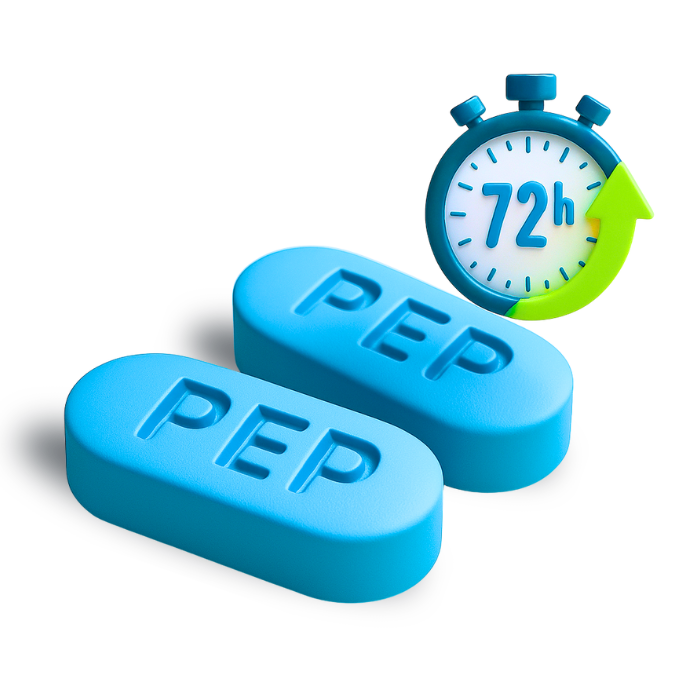
PEP (Post-Exposure Prophylaxis) is an emergency prophylactic treatment using antiretroviral (ARV) medications for individuals who have recently experienced high-risk behaviors involving HIV exposure. To achieve optimal efficacy, the PEP regimen must be initiated as early as possible within the 72-hour “golden window” post-exposure and taken continuously for 28 days.
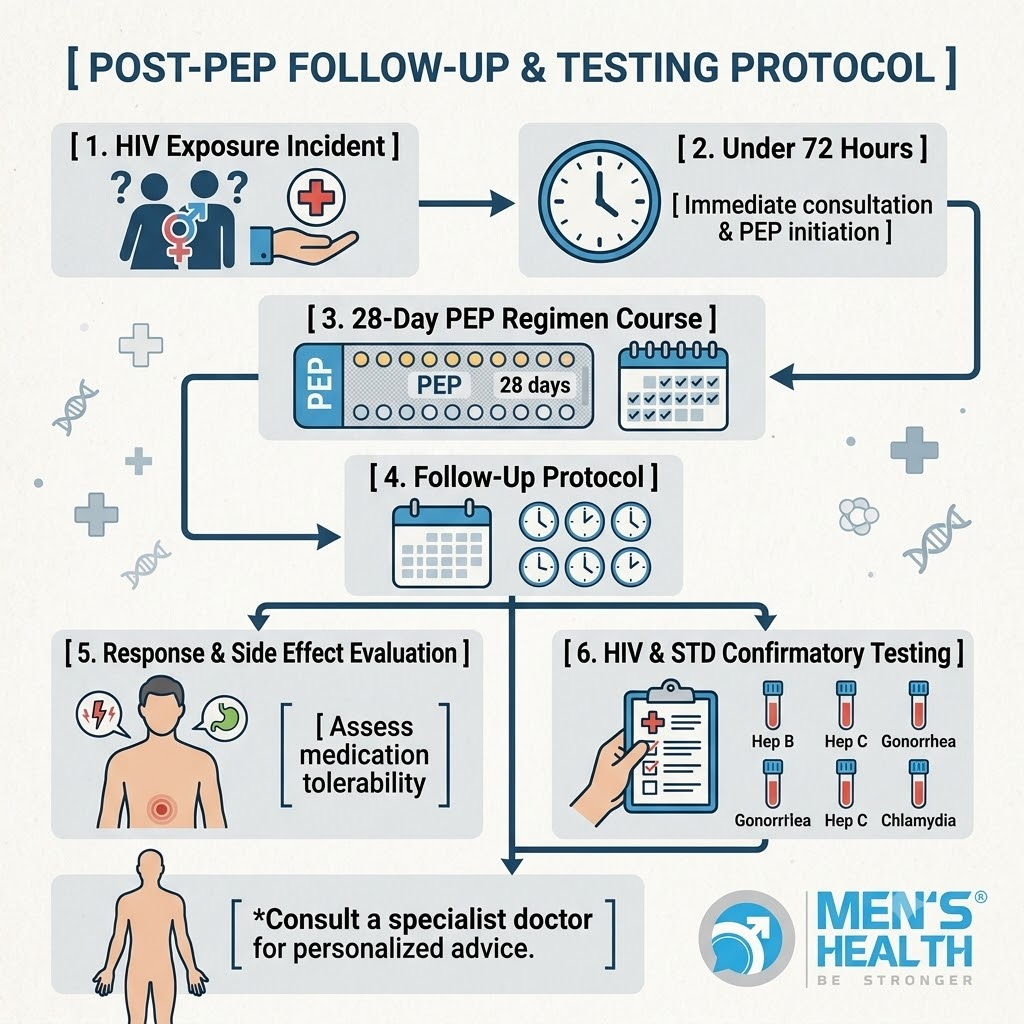
Many men mistakenly assume that completing the 28-day course of PEP medications completes the prophylactic process. However, according to current specialized medical guidelines, post-PEP follow-up is a vital link that cannot be bypassed for several critical medical reasons:
- Confirming HIV-Negative Status: Follow-up ensures blood tests are performed at standard milestone dates to confirm that the HIV virus has not successfully invaded the body.
- Evaluating Liver and Kidney Function: ARV medications are metabolized through the liver and excreted through the kidneys. Blood testing enables physicians to closely monitor liver enzyme levels (AST, ALT) and renal function (Creatinine) to detect early organ toxicity.
- Screening for Concurrent Sexually Transmitted Infections (STDs): HIV exposure incidents frequently coincide with risks of acquiring other bacterial and viral pathogens such as Gonorrhea, Chlamydia, Syphilis, Hepatitis B, Hepatitis C, or HPV.
- Transitioning to Long-Term Protection (PrEP): If a man continues to face high exposure risks in the future, physicians will advise transitioning from PEP to PrEP (Pre-Exposure Prophylaxis) for sustained, long-term protection.
2. Checklist of Post-PEP Follow-Up Milestones Men Must Note
The post-PEP follow-up process is structured around standardized timelines to ensure no medical risk is overlooked. Men should memorize the milestone checklist below:
- Milestone 1: Day 14 (During the Ongoing PEP Regimen)
- Objective: Assess drug tolerability, manage side effects, and monitor organ function.
- Action Items:
- Clinical examination, recording side effects such as fatigue, nausea, diarrhea, headaches, or skin rashes.
- Complete blood count, liver function tests (ALT/AST), and renal function (Creatinine).
- Evaluation of medication adherence (taking doses on schedule without missing doses).
- Milestone 2: Day 28 (Completion of the PEP Regimen)
- Objective: Evaluate treatment outcomes immediately upon discontinuing ARV medication.
- Action Items:
- HIV testing (priority given to 4th-generation HIV Ag/Ab Combo confirmatory testing).
- Re-evaluating liver and kidney function to ensure the body has recovered following the medication cycle.
- Assessing re-exposure risks to consider a PrEP prescription.
- Milestone 3: Month 3 (12 Weeks Post-Exposure)
- Objective: A high-accuracy, broad-spectrum confirmatory testing milestone.
- Action Items:
- HIV Ag/Ab Combo or HIV Ab testing.
- Comprehensive screening for STDs: Syphilis (VDRL/TPHA), Hepatitis B (HBsAg), Hepatitis C (Anti-HCV), and Chlamydia/Gonorrhea via Real-time PCR technology.
- Milestone 4: Month 6 (24 Weeks Post-Exposure — Special Cases)
- Objective: Final absolute safety confirmation milestone for very high-risk cases.
- Action Items: Final confirmatory HIV test for men with a confirmed HIV-positive source, co-occurring Hepatitis C, or severely compromised immune systems.
| CHECKLIST OF POST-PEP FOLLOW-UP MILESTONES |
| [ ] Day 14: Check side effects, drug tolerability, liver & kidney function tests. |
| [ ] Day 28: Complete regimen, HIV Ag/Ab Combo test, general evaluation. |
| [ ] Month 3: Confirmatory HIV test, comprehensive screening for Syphilis and STDs. |
| [ ] Month 6: Final follow-up milestone (Reserved for very high-risk exposure cases). |
3. Mandatory Tests in the Post-PEP Follow-Up Protocol
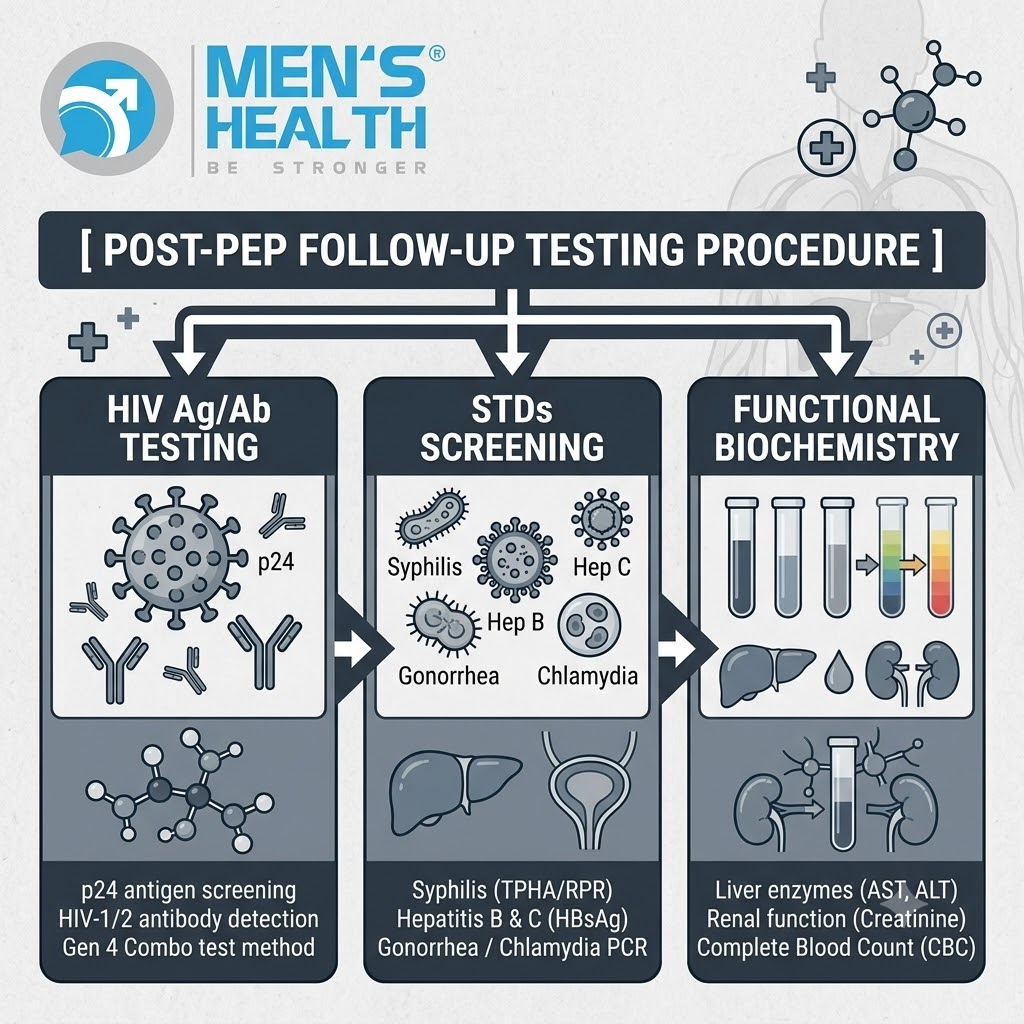
To secure the most accurate diagnostic results, specialists will prescribe a combined testing panel integrating HIV screening with biochemical metrics:
- HIV Confirmatory Testing
- HIV Ag/Ab Combo Test (4th Generation): Detects both viral p24 antigen and HIV-1/HIV-2 antibodies in the blood. This is the optimal method for early HIV detection starting from weeks 3 to 4 post-exposure.
- HIV NAT/PCR Test (If needed): Measures HIV viral RNA load in the blood, typically applied in high-suspicion cases or when serological test results remain unclear.
- Screening for Sexually Transmitted Infections (STDs)
- Syphilis Testing: Performing RPR/VDRL assays combined with TPHA/TPPA to detect Treponema pallidum spirochetes.
- Hepatitis B & C Screening: HBsAg and Anti-HCV testing to rule out viral hepatitis transmission risks via blood or sexual contact.
- Urethral Real-Time PCR Assay: Accurately detects Neisseria gonorrhoeae (Gonorrhea) and Chlamydia trachomatis even before acute symptoms fully manifest.
- Biochemical Safety Monitoring Tests
- Liver Function Evaluation (AST, ALT): Monitors hepatic cellular damage caused by ARV drugs or acute viral hepatitis infection.
- Renal Function Evaluation (Creatinine, eGFR): Assesses renal filtration capacity, particularly crucial when the PEP regimen contains Tenofovir Disoproxil Fumarate (TDF).
4. Managing PEP Medication Side Effects and Usage Guidelines
ARV medications used in PEP are potent antiviral drugs. Although modern generation regimens have significantly improved safety profiles, men may still experience unwanted side effects during the 28-day treatment course.
- Common Side Effects:
- Gastrointestinal disturbances: Nausea, vomiting, mild diarrhea, bloating, or loss of appetite.
- Neurological impacts: Headaches, fatigue, dizziness, lethargy, light or broken sleep with vivid dreams.
- Dermatological reactions: Mild erythematous rash or scattered itching.
- Optimal Side Effect Management Guidelines:
- Take medications with or following a light meal to reduce stomach irritation and nausea.
- Maintain adequate fluid intake ($2$ to $2.5$ liters per day) to support renal clearance of the drugs.
- Never arbitrarily discontinue medications upon experiencing mild side effects. Abandoning the regimen entirely nullifies protective efficacy and increases the risk of treatment failure.
5. The Role of Medication and Crucial Warnings to Avoid
Managing medications during and after a PEP course demands strict adherence to medical guidelines.
| CRITICAL MEDICAL WARNING |
| • ARV medications used in PEP regimens are STRICTLY PRESCRIPTION DRUGS. |
| • Men must ABSOLUTELY NOT self-purchase unverified ARV prescriptions online, reuse old prescriptions, or share prescriptions with others. |
| • Using incorrect regimens, inappropriate dosages, or counterfeit drugs will lead to prophylactic failure and increase the risk of dangerous drug resistance. |
| • If severe allergic symptoms occur (high fever, widespread rash, facial swelling, breathing difficulty), patients must stop medication and visit a hospital immediately. |
| • Patients require direct consultation from qualified Physicians or Pharmacists. |
- Common Pitfalls in PEP Usage:
- Stopping medication immediately after 28 days without attending follow-up: A common mistake causing men to miss health status verification and fail to screen for latent STDs.
- Taking medications outside fixed hourly schedules: ARV drugs require stable blood concentration levels. Frequent schedule shifts compromise viral suppression capabilities.
- Unsafe sexual activity while taking PEP: Throughout the 28-day PEP course and until a confirmed negative test result is achieved at month 3, men must consistently use condoms to prevent cross-infection or new exposure risks.
- Self-administering unverified liver-detoxifying herbal supplements: Certain unverified herbal products can induce drug interactions, reducing the absorption or therapeutic efficacy of ARV drugs.
6. Introduction to the Men’s Health Center Healthcare Ecosystem
For men experiencing an HIV exposure incident, panic and anxiety regarding information confidentiality represent the greatest barriers. Selecting an specialized, discreet, and attentive medical facility is essential.
The Men’s Health Center (founded by Assoc. Prof. Dr. Tra Anh Duy) is a leading prestigious medical institution specializing in Andrology, Sexual Medicine, and Sexually Transmitted Disease Prevention. The center provides emergency HIV exposure consultation services, personalized post-PEP follow-up roadmaps, and advanced diagnostic testing with high accuracy.

Collaborating within this ecosystem, Men’s Health Andrology Pharmacy serves as a provider of safe, standardized pharmaceutical solutions:
- Men’s Health Andrology Pharmacy is a unit within the Men’s Health Center ecosystem founded by Assoc. Prof. Dr. Tra Anh Duy. Here, patients always receive guidance, explanations, and support from physicians and pharmacists in selecting appropriate healthcare solutions.
- Supplies genuine prescription pharmaceuticals, liver-supportive functional products, and mucosal protectants adhering to rigorous quality inspection standards.
- Men’s Health places special emphasis on professionalism, safety, discretion, absolute information privacy, and respect for individual privacy throughout each client’s consultation, treatment, and long-term health tracking journey.
7. Lifestyle Modification and Post-PEP Health Care Guidelines
Alongside adhering to follow-up schedules, men must establish a scientific routine to restore physical and mental well-being post-prophylaxis:
- Recovery Nutrition: Incorporate foods rich in protein, vitamin C, zinc, and antioxidants from green vegetables and fresh fruit to boost immune function.
- Substance Minimization: Completely avoid alcohol, beer, tobacco, and stimulants during the PEP course and the follow-up waiting period to reduce hepatic workload.
- Psychological Stress Relief: Prolonged anxiety negatively impacts immune function. Men can share concerns with psychological counselors or participate in light physical sports (walking, meditation, yoga).
- Safe Sexual Practices: Consistently use condoms correctly during all sexual acts. If engaging in frequent high-risk exposure frequencies, consult a physician regarding transition to daily PrEP.
Post-PEP Follow-Up in Men: Frequently Asked Questions (FAQs)
Is a negative HIV test after completing 28 days of PEP 100% safe?
A negative 4th-generation HIV Ag/Ab Combo test result at day 28 offers strong reassurance (over 95% accuracy). However, to confirm absolute 100% safety, you must undergo a confirmatory re-test at the 3-month (12-week) mark according to medical guidelines.
Do I need to fast (skip breakfast) for post-PEP follow-up blood tests?
Fasting is recommended. Because post-PEP follow-up protocols include biochemical assays evaluating liver, kidney, and glucose function, fasting for 6 to 8 hours prior to blood drawing ensures maximum test accuracy.
Can I engage in sexual intercourse while taking PEP?
You may engage in sexual intercourse, but you must consistently use condoms 100% of the time throughout the medication course and continue until a confirmed negative test result is obtained at month 3. This prevents cross-infection and avoids triggering new exposure risks.
What should I do during follow-up if I accidentally miss a PEP dose during the 28 days?
If a dose is missed, take it immediately as remembered (unless it is nearly time for the next scheduled dose). At your follow-up appointment, report missed doses honestly to your physician so they can evaluate treatment failure risks and manage accordingly.
Are post-PEP follow-up testing costs expensive?
Testing costs vary depending on ordered diagnostic panels (HIV assays, liver/kidney function panels, STD screens). This constitutes a completely reasonable and necessary medical investment to safeguard long-term health.
Is it necessary to test for Syphilis and Hepatitis B during post-PEP follow-up?
Extremely necessary. Behaviors leading to HIV exposure are identical direct transmission routes for Treponema pallidum and hepatitis B and C viruses. Parallel screening enables early detection and prompt treatment of these pathologies.
Conclusion
The post-PEP follow-up checklist for men is an essential medical guide enabling men to proactively manage their health, evaluate HIV prophylactic efficacy, and comprehensively screen for sexually transmitted infections. Executing correct testing milestones at Day 14, Day 28, and Month 3 is the key to confirming an absolutely safe status.
Men must never arbitrarily stop medication, purchase unverified prescriptions, or bypass follow-up out of hesitation. When facing an exposure incident or seeking safe follow-up route guidance, contact the Men’s Health Center immediately for examination, testing, and dedicated, safe, discreet, and confidential professional support from specialist physicians and pharmacists.