
Gabapentin and pelvic pain in men is a topic of significant interest to patients dealing with chronic, persistent pain in the perineum, scrotum, penis, or anus. Gabapentin is a medication used to treat pain of neuropathic origin, helping to reduce abnormal pain signals sent to the brain. When combined with a comprehensive medical regimen, the medication helps control chronic pelvic pain symptoms in men. However, this is a prescription drug that strictly requires a physician’s prescription to ensure safety and avoid serious side effects.
1. What is Chronic Pelvic Pain Syndrome in Men?
Chronic Pelvic Pain Syndrome (CPPS) in men is a condition characterized by pain, pressure, or discomfort lasting for at least 3 to 6 months in the pelvis, perineum, lower back, scrotum, or genitals without any evidence of common bacterial infection. This is a form of Chronic Pelvic Pain Syndrome (CP/CPPS — Category III according to the classification by the U.S. National Institutes of Health – NIH).
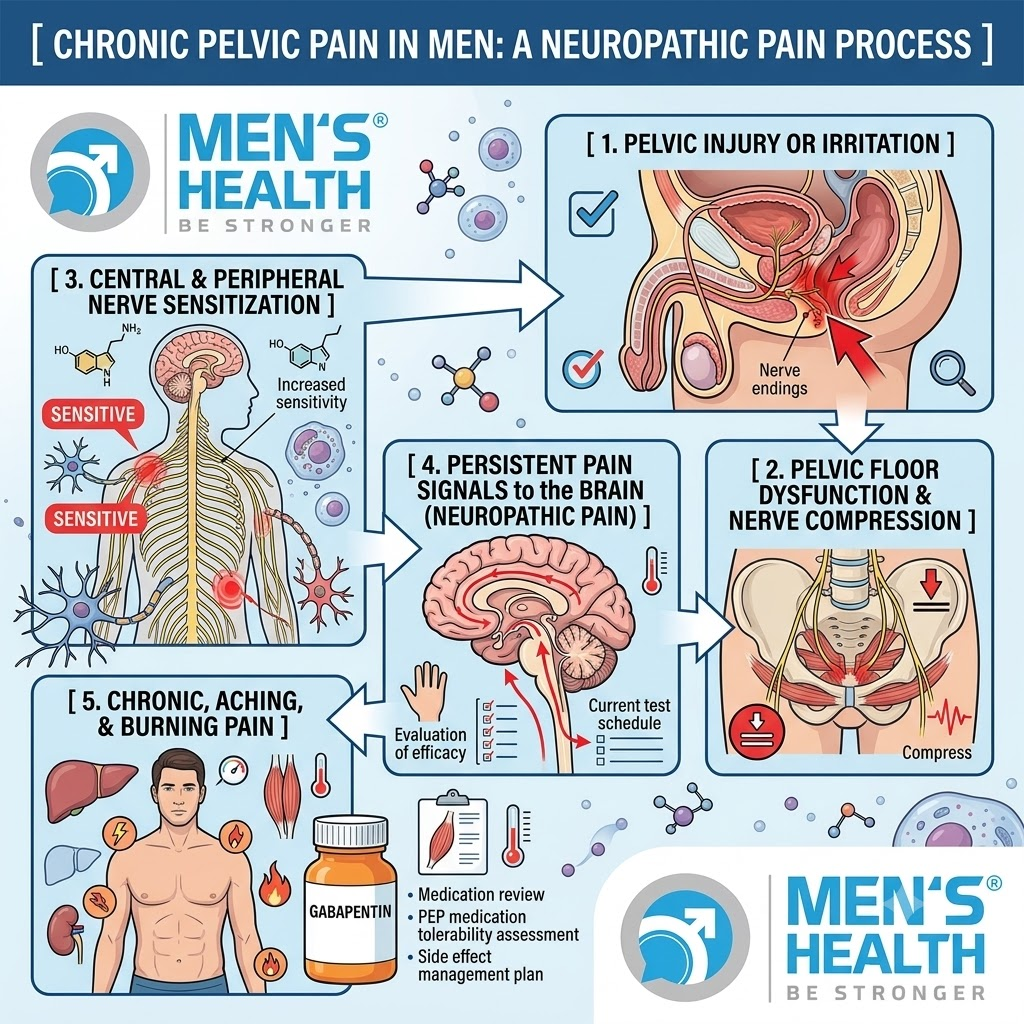
Regarding its pathophysiology, chronic pelvic pain is a complex interaction between chronic spasms of the pelvic floor muscles, non-bacterial inflammation, and nervous system sensitization (Central/Peripheral Sensitization). The pelvic nerves (especially the Pudendal Nerve) are continuously compressed or stimulated, leading to “false pain signaling” to the brain even when acute physical damage is no longer present.
2. Causes and Signs of Chronic Pelvic Pain in Men
Understanding the causes and symptoms helps patients recognize the condition early and avoid panic.
- Causes and Risk Factors:
- Injury or compression of the pudendal nerve: Caused by prolonged sitting (office workers, drivers), long-distance bicycling, perineal trauma, or pelvic surgery.
- Pelvic floor muscle dysfunction: Chronic spasms and increased pelvic muscle tone leading to the formation of Trigger Points.
- History of prostatitis: Acute or subacute inflammation episodes that have subsided but left behind nerve sensitization.
- Chronic psychological factors: Prolonged stress, anxiety, or depression that stimulate the sympathetic nervous system, increasing pelvic floor muscle spasms and pain perception.
- Characteristic Symptom Signs:
- Characteristic pain sensation: Sharp pain, burning discomfort, feeling like a “stone” or tense mass in the perineum (between the scrotum and anus).
- Radiating pain: Pain can radiate to the scrotum, the shaft of the penis, the suprapubic region, the lower back, or the inner thighs.
- Urinary disturbances: Urinary frequency, urgency, dysuria, incomplete emptying sensation, and burning pain during or after urination.
- Sexual function impacts: Pain during ejaculation, pain after sexual intercourse, or erectile dysfunction caused by fear of pain or prolonged anxiety.
3. What is Gabapentin and Its Mechanism of Action in Pelvic Pain?
Gabapentin was originally developed as an anticonvulsant medication, but it is now widely applied in treating chronic neuropathic pain syndromes.
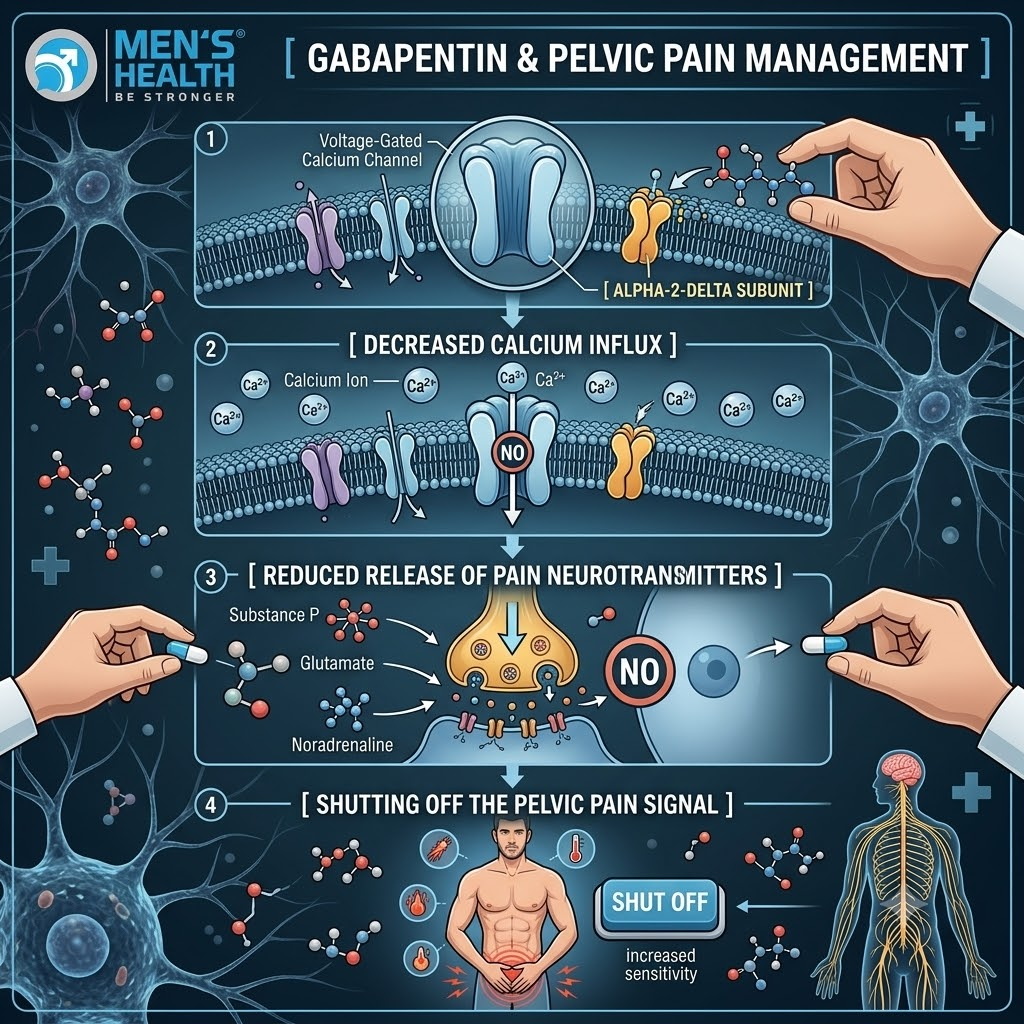
- Mechanism of Action of Gabapentin:
- Inhibition of voltage-gated Calcium channels: Gabapentin specifically binds to the $\alpha_2\delta$ ($\text{alpha-2-delta}$) subunit of Calcium channels on neurons in the spinal cord and brain.
- Reduction of pain-inducing neurotransmitters: By blocking Calcium influx into presynaptic neurons, the drug reduces the release of chemical mediators such as Glutamate and Substance P—molecules that transmit pain signals from the pelvis to the brain.
- Raising the pain threshold: The drug helps soothe a sensitized nervous system, reducing burning sensations and sharp pain caused by pudendal nerve compression.
- Treatment Goals When Using Gabapentin:
- Reduce the intensity of chronic pelvic pain, helping patients feel more comfortable in daily activities.
- Improve sleep quality disrupted by nighttime burning pain.
- Facilitate pelvic floor physical therapy sessions.
4. Diagnostic Protocol for Pelvic Pain in Men
Chronic pelvic pain requires a rigorous exclusionary diagnostic process to avoid missing other dangerous pathologies.
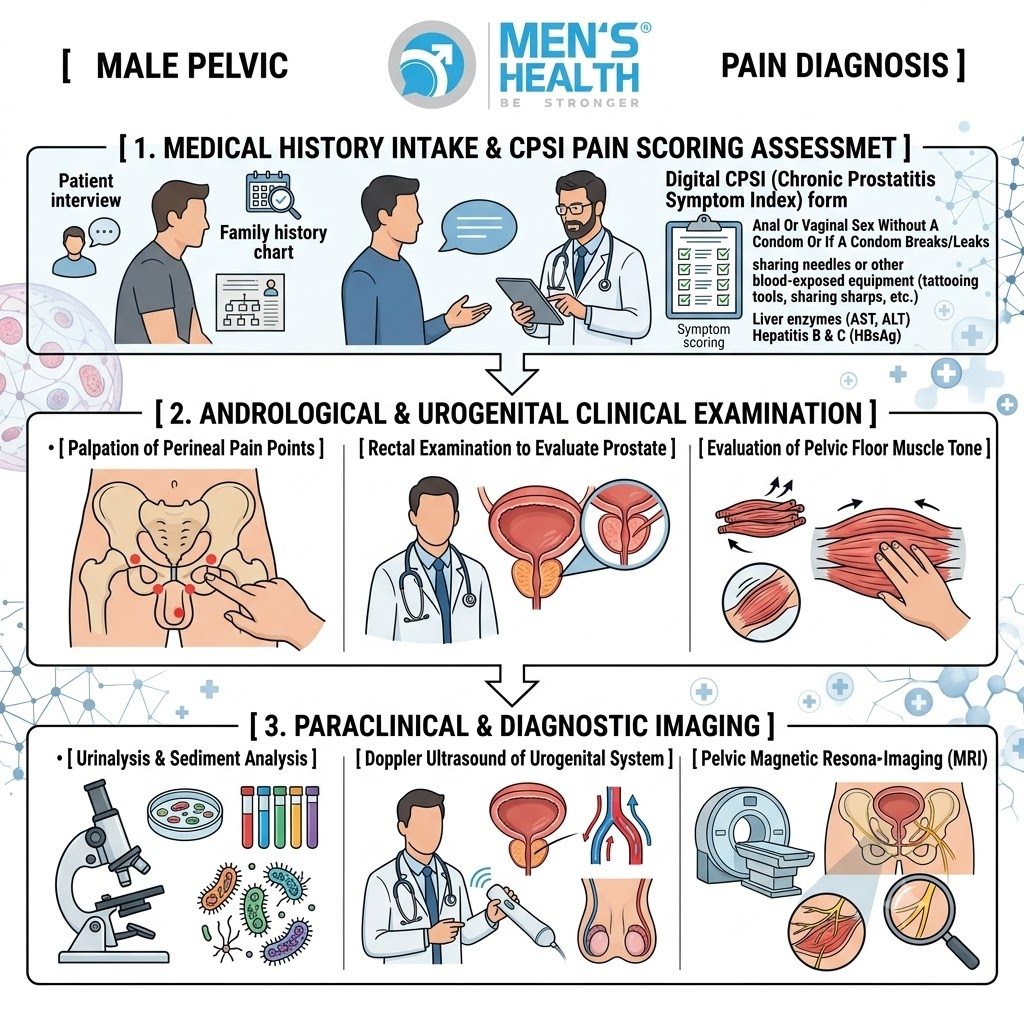
Physicians utilize the National Institutes of Health Chronic Prostatitis Symptom Index (NIH-CPSI) to quantify pain severity, urinary impacts, and quality of life before and after treatment.
5. Safety Requirements for Gabapentin and Medical Cautions
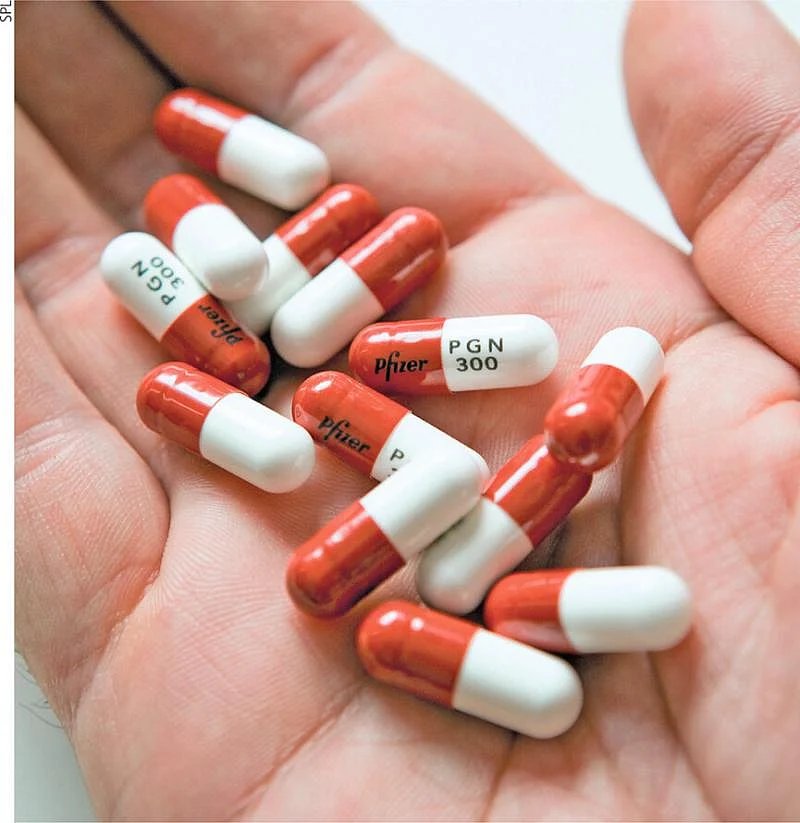
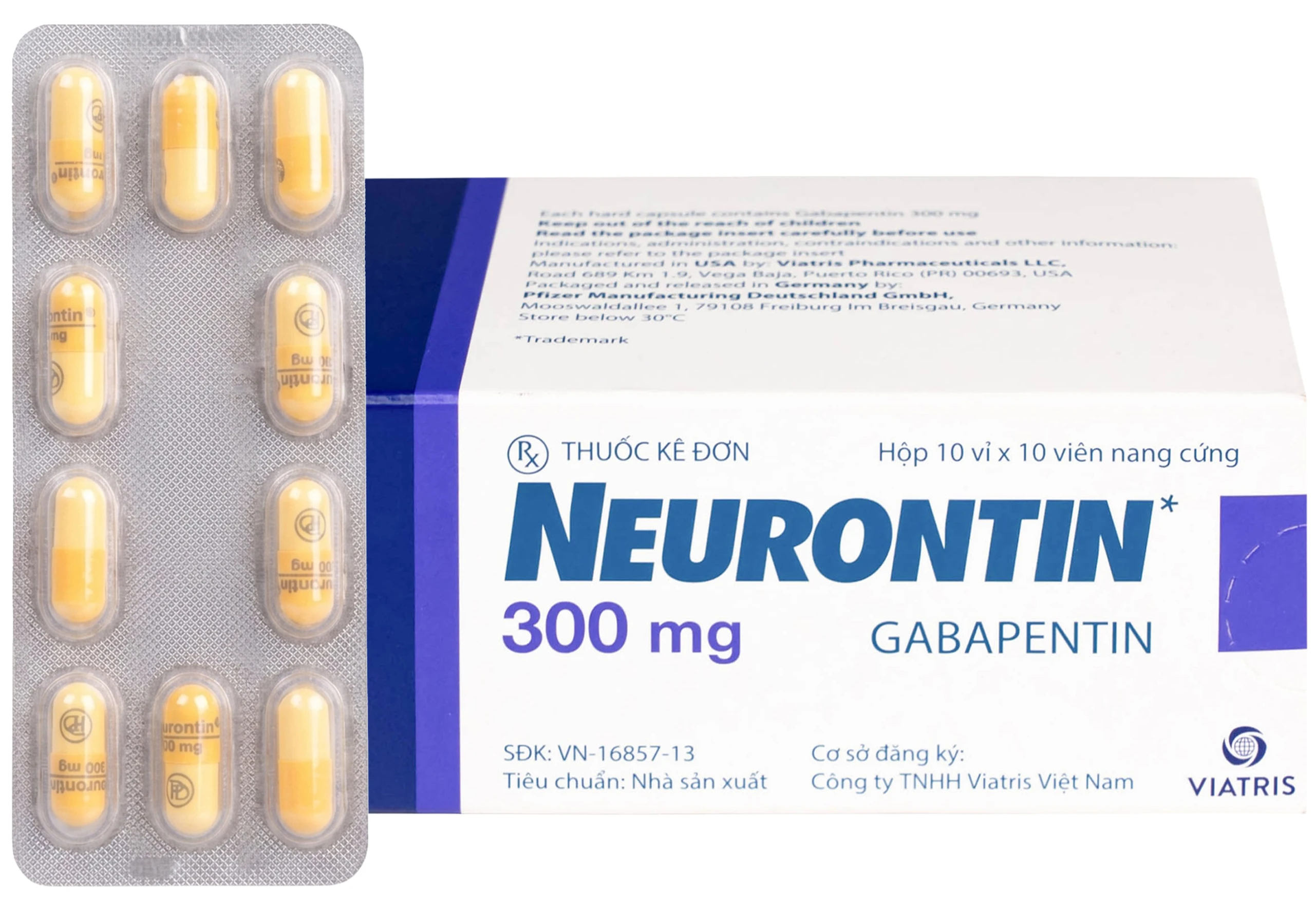
Gabapentin is a STRICTLY PRESCRIPTION MEDICATION (Rx). Patients must never self-purchase for use or adjust dosages without instructions from a specialist physician.
- Common Adverse Reactions:
- Nervous system: Drowsiness, dizziness, fatigue, loss of balance, decreased concentration.
- Gastrointestinal & Metabolic: Nausea, dry mouth, mild weight gain, peripheral edema (swelling of feet and ankles).
- Contraindications and Populations Requiring Caution:
- Renal function impairment: Gabapentin is entirely eliminated unchanged through the kidneys. Physicians must adjust and reduce dosages based on Creatinine clearance ($eGFR$).
- History of psychiatric disorders / depression: The drug may increase the risk of suicidal ideation or unusual mood changes in a small number of patients.
- Elderly individuals: Highly prone to falls due to side effects causing dizziness and imbalance.
- Important Drug Interactions:
- Aluminum/Magnesium-containing antacids: Decrease Gabapentin absorption. Gabapentin must be taken at least 2 hours apart from these stomach medications.
- Opioid painkillers (Morphine, Tramadol, etc.): Increase blood concentrations of Gabapentin and elevate the risk of respiratory depression and severe sedation.
- Alcohol, beer, and stimulants: Strongly increase the central nervous system depressant effects of the drug.
| CRITICAL MEDICAL WARNING |
| • ABSOLUTELY DO NOT STOP GABAPENTIN ABRUPTLY. |
| • Abruptly stopping the medication can trigger withdrawal symptoms: anxiety, insomnia, nausea, sweating, or even provoke seizures. |
| • When wishing to discontinue treatment, the physician will guide gradual dose reduction (tapering) over at least 1 to 2 weeks. |
| • Do not self-use someone else’s Gabapentin prescription or give your prescription to others. |
6. Comprehensive Treatment Regimen for Pelvic Pain in Men
Gabapentin is only one component of a multimodal therapy strategy for chronic pelvic pain. Monotherapy with a single drug rarely achieves definitive results.
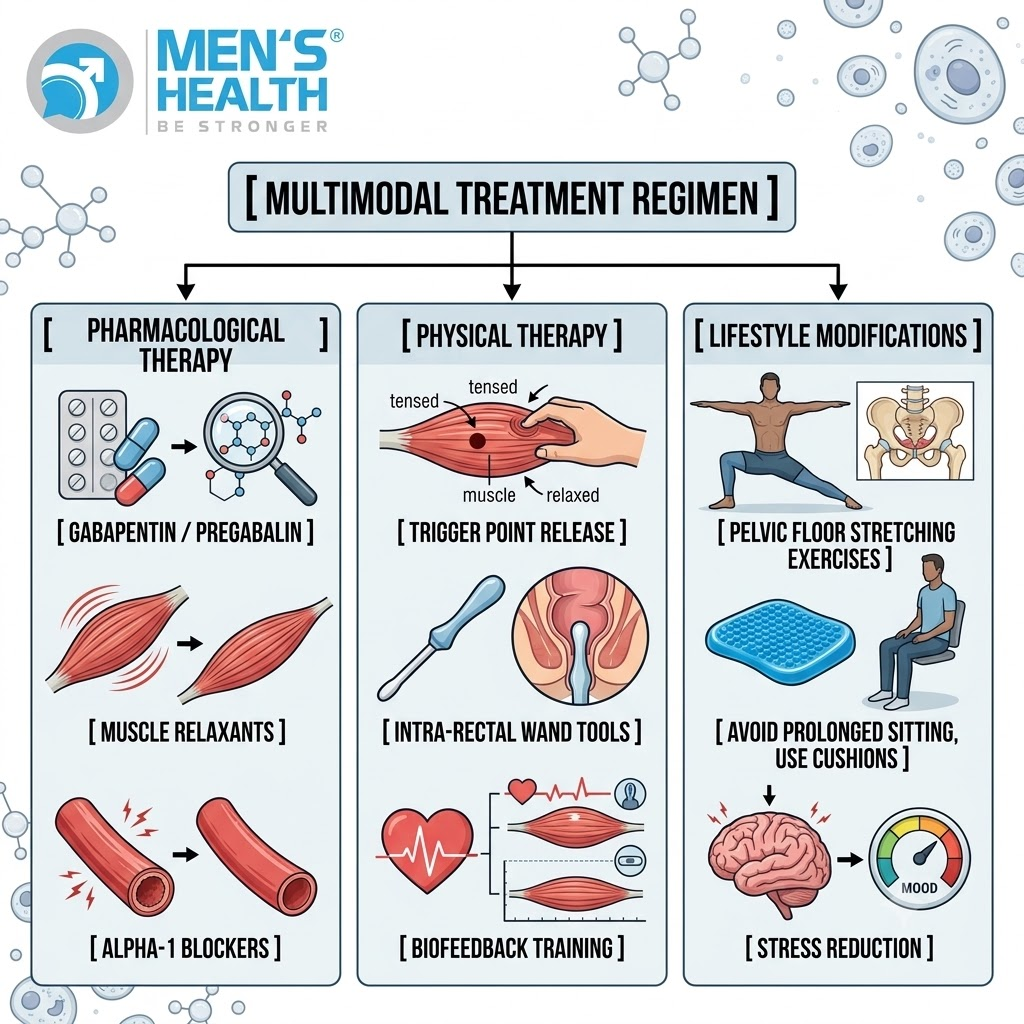
- Pharmacological Combinations
- Muscle relaxants (such as Baclofen, Eperisone): Reduce chronic spasms in pelvic floor muscles.
- Alpha-1 blockers (such as Tamsulosin, Alfuzosin): Relax the bladder neck and prostate smooth muscle, improving urinary hesitation and frequency.
- Non-Steroidal Anti-Inflammatory Drugs (NSAIDs): Used short-term during acute pain flare-ups.
- Pelvic Floor Physical Therapy
- This is a core methodology. Physical therapists perform massage techniques and release trigger points externally and internally via the rectal route, helping relax the levator ani muscle group.
- Biofeedback training helps men recognize and voluntarily relax tight pelvic floor muscles.
- Lifestyle Changes and Home Care
- Using a cutout cushion (doughnut cushion): Reduces direct pressure on the perineum and pudendal nerve during office work.
- Warm sitz baths: Help relax muscles and improve pelvic blood circulation.
- Dietary adjustments: Limit bladder irritants such as coffee, alcohol, beer, excessively spicy foods, or carbonated beverages.
7. Common Pitfalls for Men Experiencing Pelvic Pain
- Assuming bacterial prostatitis and self-treating with prolonged antibiotics: Over 90% of chronic pelvic pain cases are non-bacterial. Arbitrary antibiotic use causes gut dysbiosis, antibiotic resistance, and renal/hepatic damage without relieving pain.
- Believing Gabapentin is an “aphrodisiac” or performance enhancer: Gabapentin is a neuropathic pain medication; it does not enhance performance or cure premature ejaculation.
- Arbitrarily increasing Gabapentin dosage when pain does not subside immediately: The medication requires days to weeks to maximize its neuropathic pain relief efficacy. Sudden dose escalation only increases toxicity and side effect risks.
- Completely avoiding sexual activity or overexertion: Both extreme states are unfavorable. Men should maintain moderate, gentle sexual activity while keeping a relaxed mindset.
8. Introduction to the Men’s Health Center Healthcare Ecosystem
Chronic pelvic pain is a complex pathology that deeply impacts a man’s psychology and confidence. Seeking a specialized medical facility that understands the root cause and ensures information confidentiality is a top priority for patients.
The Men’s Health Center (founded by Assoc. Prof. Dr. Tra Anh Duy) is a leading specialized institution focusing on Andrology, Sexual Medicine, and Urology. Equipped with modern technology and an experienced team of experts, the center applies internationally standardized diagnostic protocols (NIH-CPSI) to accurately identify pelvic pain causes and build personalized multimodal treatment roadmaps for each patient.
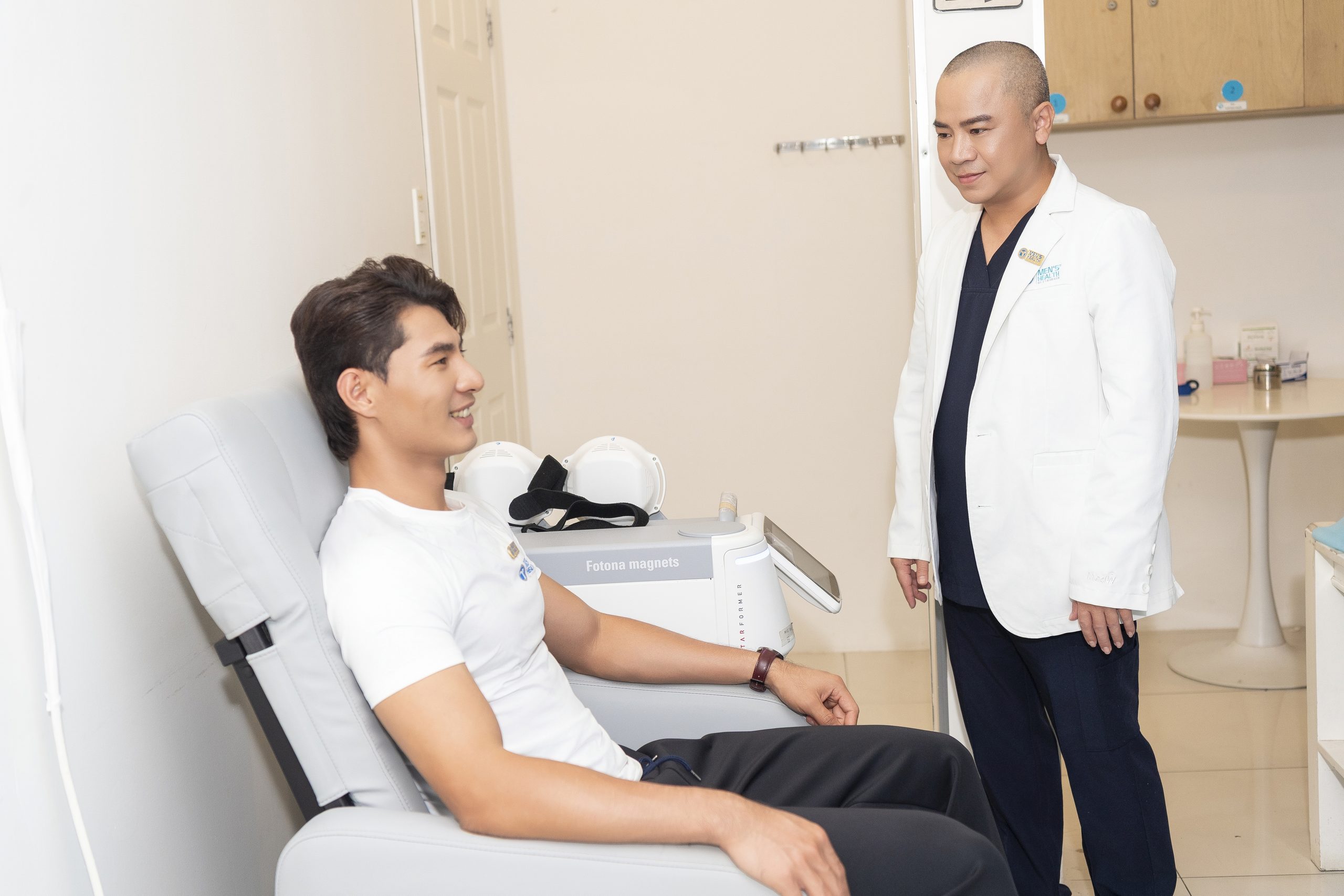
Collaborating within this ecosystem, Men’s Health Andrology Pharmacy plays a crucial role in providing safe pharmaceutical solutions:
- Men’s Health Andrology Pharmacy is a unit within the Men’s Health Center ecosystem founded by Assoc. Prof. Dr. Tra Anh Duy. Here, patients always receive guidance, explanations, and support from physicians and pharmacists in selecting appropriate healthcare solutions.
- Supplies genuine prescription pharmaceuticals, neuro-pain therapies, and muscle relaxants adhering to rigorous quality inspection standards.
- Men’s Health places special emphasis on professionalism, safety, discretion, absolute information privacy, and respect for individual privacy throughout each client’s consultation, treatment, and long-term health tracking journey.
9. Comparison Table of Common Drug Classes Used in Chronic Pelvic Pain
| Drug Class | Common Representatives | Treatment Goal | Important Medical Cautions |
| Neuropathic Pain Modulators | Gabapentin, Pregabalin | Reduce neuropathic pain signals, dysesthesia, burning pain | Prescription drug. Avoid abrupt discontinuation. Causes drowsiness and dizziness. |
| Alpha-1 Blockers | Tamsulosin, Alfuzosin | Relax bladder neck muscles, reduce urinary frequency and hesitancy | May cause orthostatic hypotension and mild retrograde ejaculation. |
| Muscle Relaxants | Baclofen, Eperisone | Reduce chronic pelvic floor muscle spasms | Causes fatigue and mild muscle weakness. Must be used at prescribed doses. |
| NSAID Painkillers | Ibuprofen, Celecoxib | Reduce inflammation and pain during acute flare-ups | Do not use long-term due to risks of peptic ulcers and renal impact. |
Gabapentin and Pelvic Pain in Men: Frequently Asked Questions (FAQs)
How long does it take for Gabapentin to relieve pelvic pain?
Gabapentin is not an immediate fast-acting painkiller. Typically, patients need to use it continuously for 1 to 2 weeks at the prescribed dosage for the drug to reach stable blood concentrations and begin delivering noticeable pain relief.
Does Gabapentin affect erectile function or sperm quality?
Gabapentin primarily acts on the central nervous system. In a small number of patients, the drug may cause mild side effects such as reduced libido or difficulty achieving orgasm due to drowsiness and fatigue. It does not directly impair sperm quality or cause infertility.
Can I self-purchase Gabapentin at a pharmacy if I experience pelvic pain?
Absolutely not. Gabapentin is a strict prescription drug. Self-administration without medical examination can lead to misdiagnosis, drug toxicity, renal failure, or dangerous neurological reactions.
Does prolonged office work worsen pelvic pain?
Yes. Sitting continuously for long periods increases direct pressure on the perineum, compresses the pudendal nerve, and increases pelvic floor muscle spasms. Men should stand up and walk around for 5 to 10 minutes after every 60 minutes of work.
Can chronic pelvic pain be completely eliminated with Gabapentin?
Gabapentin plays an important role in controlling pain signals, but for definitive treatment, patients must combine it with pelvic floor physical therapy, psychological management, and lifestyle modifications under a physician’s guidance.
What should I do if I accidentally miss a Gabapentin dose?
If you miss a dose, take it as soon as you remember. However, if it is nearly time for your next scheduled dose, skip the missed dose and resume your regular dosing schedule. Never double up on doses to make up for a missed one.
Conclusion
Gabapentin and pelvic pain in men represent an effective medical approach in controlling chronic neuropathic pain, burning discomfort in the perineum and genitals. However, Gabapentin only maximizes its efficacy and ensures safety when prescribed at the right dose for the right condition as part of a comprehensive multimodal treatment regimen.
Men should never endure pain in silence or arbitrarily use unverified antibiotics and painkillers. When experiencing prolonged pelvic pain symptoms, proactively visit the Men’s Health Center for accurate diagnosis by specialist physicians, relief from anxiety, and a safe, professional, and confidential recovery roadmap.