
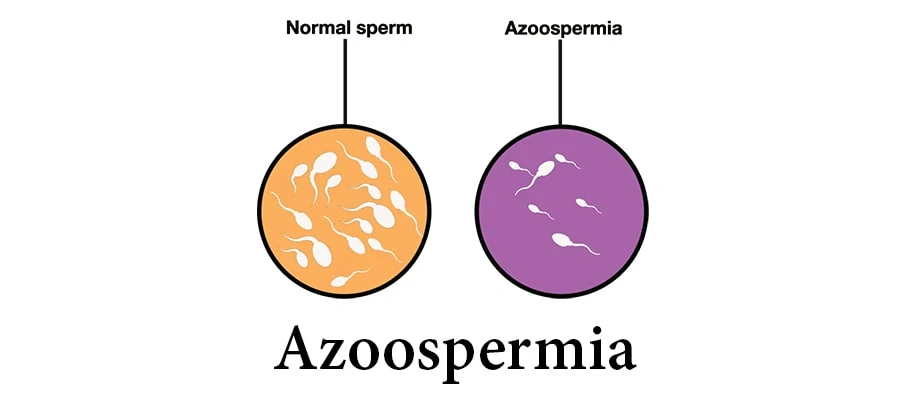
Azoospermia is a condition in which absolutely no sperm is found in a man’s semen after ejaculation. According to current specialized medical guidelines, azoospermia is most accurately determined through a Semen Analysis performed at least twice, spaced 2 to 4 weeks apart. Diagnosing this condition cannot be done with the naked eye or subjective feeling; it requires a process of centrifuging the sample and meticulously analyzing it under a microscope at standardized andrology laboratories. Identifying the exact cause of azoospermia is the first and most crucial step for doctors to develop a treatment plan, helping men realize their dream of fatherhood.
The Concept of Azoospermia and Basic Classifications
In medicine, azoospermia does not mean that a man loses his sexual capabilities or cannot ejaculate. Most men with this syndrome still maintain normal sexual desire, erectile function, and ejaculatory fluid volume. The only difference is the absence of sperm (male reproductive cells) in that stream of seminal fluid.
Based on pathology, andrology experts divide azoospermia into two main categories:
- Obstructive Azoospermia (OA): This is a condition where the testicles still produce sperm normally, but due to a blockage or congenital defect somewhere along the vas deferens (reproductive tract), the sperm cannot mix with the semen to exit the body. This group accounts for about 40% of azoospermia cases.
- Non-obstructive Azoospermia (NOA): This is a more severe condition, accounting for about 60% of azoospermia cases. In this group, the reproductive ducts are completely clear, but the “production factory” (the testicles) itself has severely impaired function or has completely stopped producing sperm.
Causes and Risk Factors of Azoospermia
Understanding the cause is crucial in guiding the diagnostic tests for azoospermia.
Causes of Obstruction (OA):
- Congenital: Congenital Bilateral Absence of the Vas Deferens (CBAVD), often linked to cystic fibrosis transmembrane conductance regulator (CFTR) gene mutations.
- Infections: Sequelae following episodes of epididymitis, prostatitis, or sexually transmitted infections (like gonorrhea or chlamydia).
- Trauma or Surgery: Damage from groin/scrotal surgeries (such as inguinal hernia repair) or a vasectomy procedure.
Causes of Impaired Sperm Production (NOA):
- Genetics: Klinefelter syndrome (47,XXY karyotype), Y-chromosome microdeletions (AZF).
- Testicular Pathologies: Orchitis due to mumps complications during puberty, undescended testicles not lowered into the scrotum in time, or severe varicocele.
- Hormonal: Pituitary failure or Kallmann syndrome, causing a deficiency in testicular-stimulating hormones (FSH, LH).
- Toxins and Medical Treatments: Abuse of exogenous testosterone (muscle-building steroids), exposure to toxic chemicals, or a history of cancer treatments like chemotherapy and radiotherapy.
Warning Signs of Azoospermia
Azoospermia often progresses silently without obvious symptoms. Most men only discover the condition when they experience delayed conception after 1 year of marriage without using contraception. However, some of the following hidden signs can serve as a warning bell:
- Semen that is watery (like rice water) or has an unusually low volume (under 1.5ml per ejaculation).
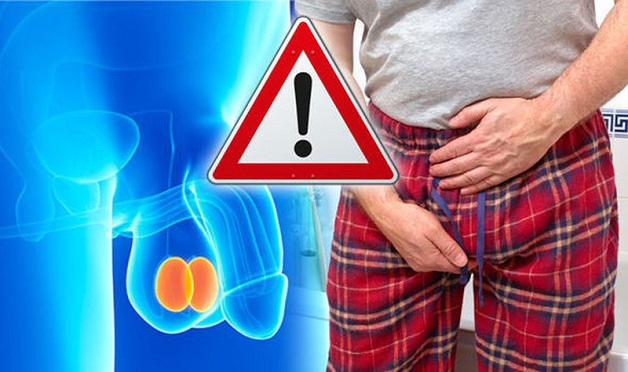
- Testicles that are small or atrophied, or the presence of abnormal lumps, swelling, or pain in the scrotum.
- Signs of endocrine disorders: Loss of body hair, abnormal breast enlargement (gynecomastia), decreased libido, or erectile dysfunction.
- Pelvic pain or burning pain during ejaculation (a potential sign of infection causing obstruction).
Note: You cannot self-diagnose based solely on these symptoms. When experiencing these signs or delayed conception, men need to seek a professional medical examination.
How is Azoospermia Determined? The Medical Diagnostic Process

To make an accurate conclusion that a man has azoospermia, specialists will conduct a systematic diagnostic process, including:
1. Semen Analysis – The Gold Standard
This is the first and mandatory step. The patient will provide a semen sample after abstaining from ejaculation for 2 to 7 days.
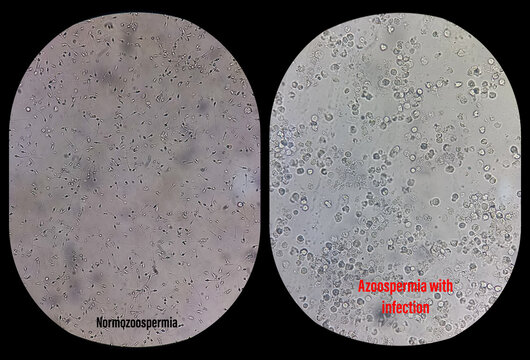
- Sample Centrifugation: According to World Health Organization (WHO) standards, if the initial examination of the semen sample under a microscope reveals no sperm, the lab technician must centrifuge the sample at a high speed (about 3000 rpm for 15 minutes).
- Examining the Pellet: The sediment at the bottom of the test tube will be extracted and examined again. If the centrifuged pellet still contains absolutely no sperm (whether dead or immobile), the initial conclusion is azoospermia.
- Repeating the Test: The doctor will always require a second test after a few weeks to rule out temporary influencing factors (high fever, stress, or sample collection errors).
2. Hormonal Testing (Reproductive Hormones)
The patient’s blood will be analyzed to quantify hormones: FSH, LH, Testosterone, Prolactin, and Estradiol.
- Normal FSH, Normal Testosterone: Suggests the cause is obstructive (OA).
- Elevated FSH, Low or Normal Testosterone: A typical sign of testicular failure, meaning the production factory is exhausted (NOA).
- Low FSH, LH, and Testosterone: Suggests azoospermia due to pituitary failure (the central endocrine gland is not sending signals).
3. Ultrasound and Imaging Diagnostics
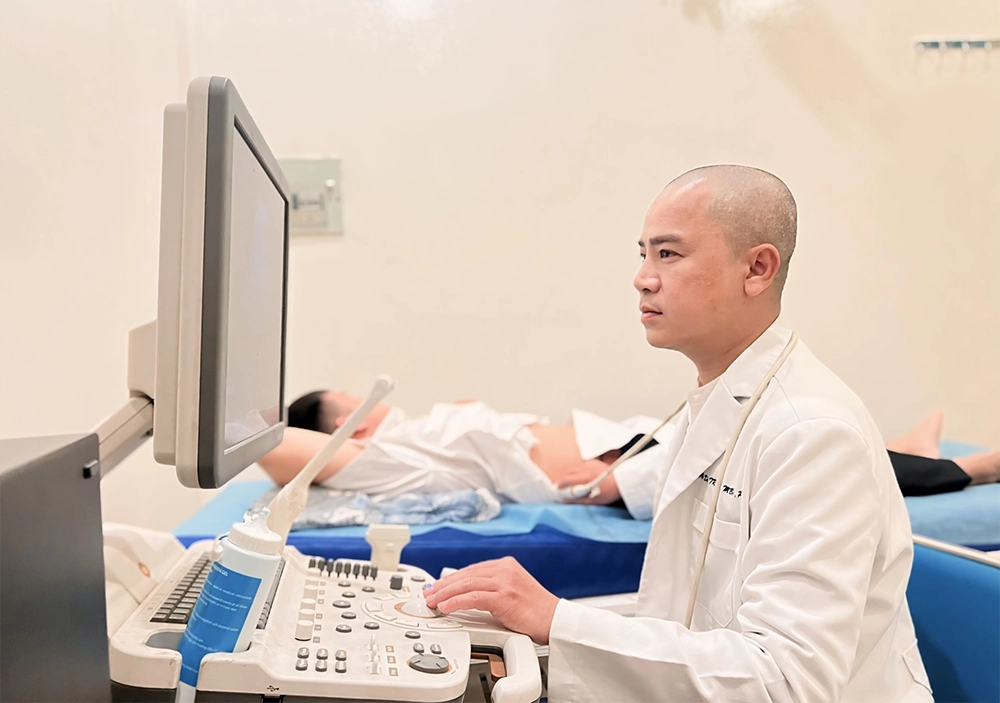
- Scrotal Ultrasound: Evaluates testicular volume and detects varicoceles, tumors, or epididymal cysts.
- Transrectal Ultrasound (TRUS): Indicated when an obstruction of the ejaculatory duct or seminal vesicle agenesis is suspected.
4. Genetic Testing
Clinical studies show that genetics play a major role in non-obstructive azoospermia. Routine tests include:
- Karyotype: To detect Klinefelter syndrome (47,XXY) or structural chromosomal abnormalities.
- Y-chromosome Microdeletions (AZF): The loss of AZFa, AZFb, or AZFc regions determines the prognosis of whether sperm can be found via surgery. AZFc deletions have a sperm retrieval rate of about 50-60%, while AZFa and AZFb deletions have a 0% rate.
5. Testicular Biopsy
Previously used primarily for diagnosis, this technique is now usually combined with sperm retrieval surgery for In Vitro Fertilization (IVF). This allows doctors to extract testicular tissue to check the level of spermatogenesis while simultaneously cryopreserving (freezing) any found sperm.
Current Treatments for Azoospermia

Once the condition and its root cause are clearly identified, the doctor will create a personalized treatment plan. Today, with advancements in reproductive medicine, azoospermia is no longer an absolute sentence of infertility.
Surgical Treatment
For men with azoospermia who wish to have biological children, sperm retrieval surgery combined with Intracytoplasmic Sperm Injection (ICSI) is the optimal solution.
- For Obstructive Azoospermia (OA): Doctors can perform reconstructive microsurgery (vasectomy reversal) or apply simple epididymal sperm aspiration techniques (PESA, MESA). The sperm retrieval rate is over 90%.
- For Non-obstructive Azoospermia (NOA): Microdissection testicular sperm extraction (microTESE) is a breakthrough in modern andrology. Under a high-magnification microscope, the surgeon searches for potential remaining seminiferous tubules deep inside the testicle.
Medical Treatment (Medication)
Medication is prescribed in specific cases, especially for azoospermia caused by endocrine disorders (pituitary failure) or to prepare the hormonal baseline before microTESE surgery.
At the Men’s Health Center ecosystem founded by Dr. Tra Anh Duy, MD, PhD, the use of medication always strictly adheres to medical principles. The Men’s Health Andrology Pharmacy plays a crucial role in providing endocrine and spermatogenesis support medications exactly as prescribed by the treating physician.
- Treatment Goal: To stimulate the endocrine system and improve the nurturing environment for sperm in the testicles (using Gonadotropins like hCG, hMG, or Estrogen receptor modulators like Clomiphene citrate).
- Notes on Medication: These are strictly prescription drugs requiring close supervision by a doctor and a specialized pharmacist. Endocrine medications can cause side effects like mood swings, elevated liver enzymes, or temporary sexual dysfunction if dosed incorrectly.
- Strictly Avoid Self-Medication: Patients who self-purchase testosterone (intended for late-onset hypogonadism) based on rumors to “boost performance” will actually completely inhibit the spermatogenesis process, making the azoospermia far more severe and harder to salvage.
The Men’s Health Andrology Pharmacy consistently emphasizes collaboration between clinical doctors and pharmacists to thoroughly consult on drug interactions, safe usage, and absolute patient confidentiality. Never buy unverified medications of unknown origin, and do not use another patient’s prescription, as every individual’s constitution and cause of azoospermia are completely unique.
Lifestyle and Prevention to Support Reproductive Health
Although azoospermia is largely due to complex medical factors, maintaining a healthy lifestyle plays an important role in supporting treatment and preventing a decline in sperm quality:
- Stay away from smoking, alcohol, and stimulants.
- Avoid exposure to toxic chemical environments and heavy metals.
- Limit exposing the scrotal area to high temperatures (e.g., soaking in hot tubs, resting laptops directly on your lap, or wearing excessively tight underwear).
- Control your weight, manage stress, and exercise moderately.
- Most importantly, male adolescents diagnosed with mumps must be monitored promptly for orchitis complications to implement fertility preservation measures (sperm cryopreservation).
Frequently Asked Questions About Azoospermia
Can azoospermia be cured?
Depending on the cause, azoospermia absolutely has a chance to be treated. If it is obstructive, the rate of successfully retrieving sperm for IVF is very high. If it is non-obstructive, modern techniques like microTESE still offer a 40-50% success rate in finding sperm.
If my semen looks watery and transparent, is it definitely azoospermia?
No. Watery or transparent semen is a warning sign of poor semen quality, but it is not enough to confirm azoospermia. A formal semen analysis involving a centrifugation step at a medical facility is required for an accurate diagnosis.
Can men with azoospermia have normal sex and ejaculate?
Absolutely. Sperm only makes up about 1-5% of the total semen volume (the remainder is fluid from the seminal vesicles and prostate). Therefore, patients with azoospermia still experience normal libido, erections, and ejaculate a normal volume of fluid.
Can azoospermia caused by mumps complications result in biological children?
Yes. Mumps orchitis causes testicular atrophy and azoospermia, but many tissue areas inside may still harbor residual sperm. MicroTESE surgery is currently the most superior method for extracting sperm in these cases.
Should I take oral herbal remedies based on word-of-mouth to cure azoospermia?
No. Azoospermia is primarily caused by mechanical blockages, genetic errors, or severe testicular atrophy. Herbal remedies or unverified supplements cannot address the root of these physical problems. Abusing unknown medications also wastes the “golden window” for proper medical treatment.
How long should I abstain from ejaculation before taking a diagnostic test for azoospermia?
According to WHO standards, men need to abstain from sex or masturbation (no ejaculation) for 2 to 7 days before providing a semen sample to ensure the test results accurately reflect their true condition.
Azoospermia is a major challenge in male reproductive healthcare, but it is not a definitive dead end. This condition is diagnosed based on solid medical evidence, relying primarily on a centrifuged semen analysis combined with endocrine and genetic testing. Men must absolutely avoid self-diagnosing based on intuition, and should never self-prescribe endocrine medications or unverified products without identifying the root cause, as this can worsen the condition.
When experiencing signs of delayed conception, abnormal semen, or endocrine issues, visiting a reputable andrology center is imperative. Professional, safe, and discreet medical ecosystems like Men’s Health are ready to support patients—from precise diagnosis and delicate surgical intervention to consulting on safe medication use under the strict supervision of expert doctors and pharmacists. Early detection and correct treatment open the door for men to overcome the barrier of azoospermia and complete their families.