

HIV exposure with a partner of unknown status is a situation that requires prompt and accurate medical evaluation to determine the actual risk and timely initiation of appropriate exposure prophylaxis. Understanding the golden window of treatment and medical testing milestones plays a decisive role in protecting reproductive health safety and maintaining psychological stability.
1. Definition and Mechanism of HIV Exposure with a Partner of Unknown Status
HIV exposure with a partner of unknown status occurs when a male has direct contact with genital secretions, blood, or body fluids from a partner whose HIV (Human Immunodeficiency Virus) status cannot be determined or lacks precise information.
The mechanism of HIV transmission during sexual relations occurs when the virus present in genital secretions enters through the thin mucous membrane or micro-abrasions (open wounds) in the genitals, anus, or oral cavity of an uninfected person. When exposed to a partner of unknown status, the level of risk is not fixed; it depends entirely on the nature of the contact behavior and the timing of the incident. Because there is no definitive data on the partner’s viral load, medicine always requires approaching these situations based on the principle of highest risk prevention until confirmatory test results are obtained.
2. Causes and Factors Increasing Exposure Risk
Not all situations involving contact with a partner of unknown status carry the same level of risk. Current specialized guidelines categorize risk levels based on the following specific factors:
- Form of Sexual Activity:
- Anal Sex: This behavior carries the highest risk of HIV transmission in men, especially for the receptive partner due to the thin and vulnerable rectal mucosa.
- Vaginal or Oral Sex: Vaginal sex carries a lower risk than anal sex but remains significant. Oral sex has a lower risk, but transmission can still occur if there are oral mucosal ulcers or bleeding gums.
- Barrier Protection Failures:
- Condoms tearing, puncturing, or slipping off entirely during intercourse.
- Complete failure to use condoms or barrier protection methods.
- Factors Increasing Mucosal Susceptibility:
- Concomitant sexually transmitted infections (STIs) such as syphilis, gonorrhea, chlamydia, or herpes simplex virus (HSV). Ulcers or inflammation caused by STIs create direct gateways for HIV to enter the bloodstream.
- Use of stimulants or alcohol, which impairs behavioral control and causes soft tissue injury due to prolonged friction.
3. Recognition Signs and Acute Retroviral Syndrome
In the early stages following HIV exposure with a partner of unknown status, most individuals do not experience immediate, distinct symptoms. However, if actual infection is triggered, Acute Retroviral Syndrome typically appears within 2 to 4 weeks after exposure.
- Common Clinical Symptoms:
- Mild or high fever accompanied by chills and profound fatigue.
- Swollen lymph nodes in the neck, armpits, or groin (soft, mildly tender nodes).
- Red skin rashes (usually on the chest, back, or face), non-itchy.
- Sore throat, painful swallowing, generalized muscle and joint pain.
- Digestive disorders such as nausea, mild diarrhea, or unexplained weight loss.
- Medical Warning: These symptoms are easily mistaken for the common flu or other viral respiratory infections. Therefore, diagnosing HIV is never based on subjective feelings or clinical symptoms alone; it must rely on advanced medical testing.
4. The Golden Window and Emergency Response Principles for Exposure
When facing an HIV exposure situation from a partner of unknown status, time is a critical factor determining the success or failure of preventing the virus.
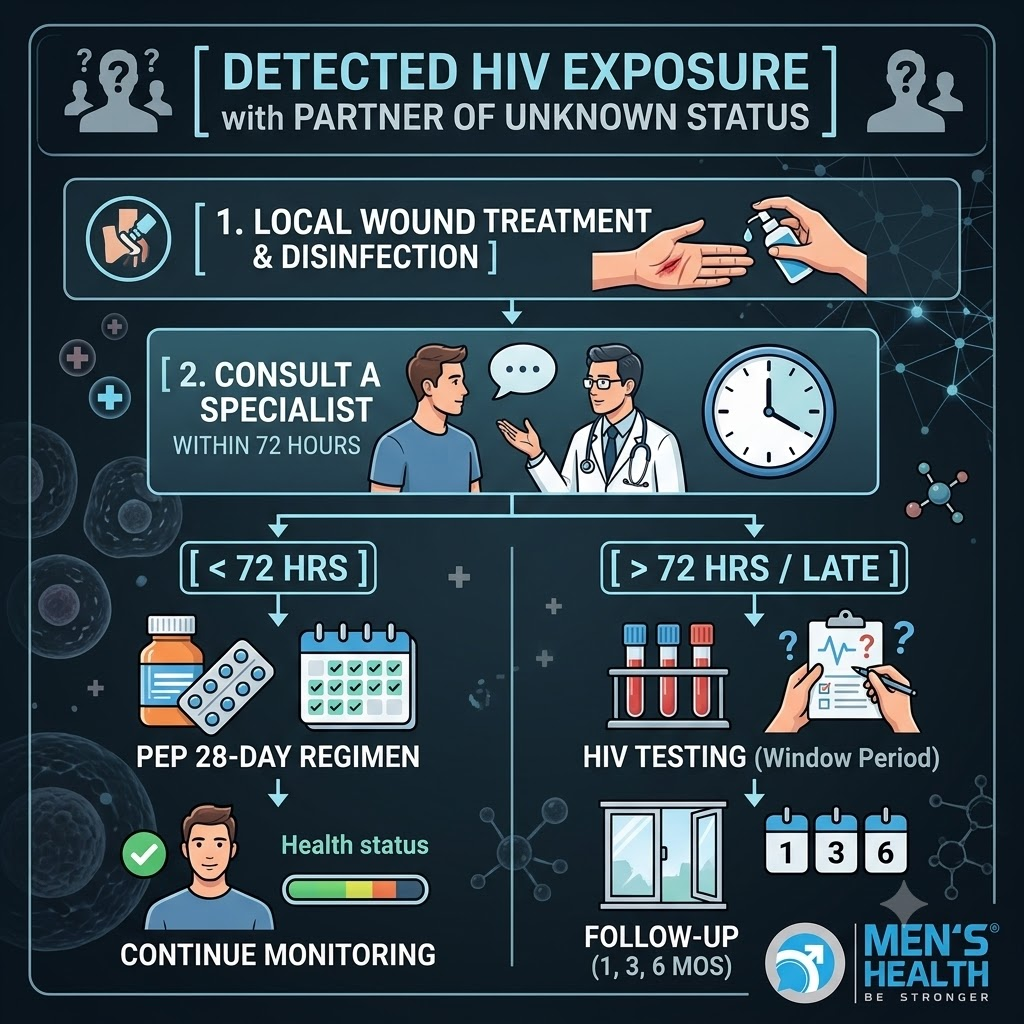
- Immediate Wound Care at the Site:
- If there is a bleeding wound or a needle stick: Allow the wound to bleed slightly for a short time, wash thoroughly under running water, use antiseptic soap, and disinfect with Povidone solution or 70-degree alcohol. Never squeeze or pinch vigorously, as this causes further tissue damage.
- If genital secretions splash into the eyes, nose, or mouth: Rinse immediately with 0.9% normal saline or clean water continuously for several minutes.
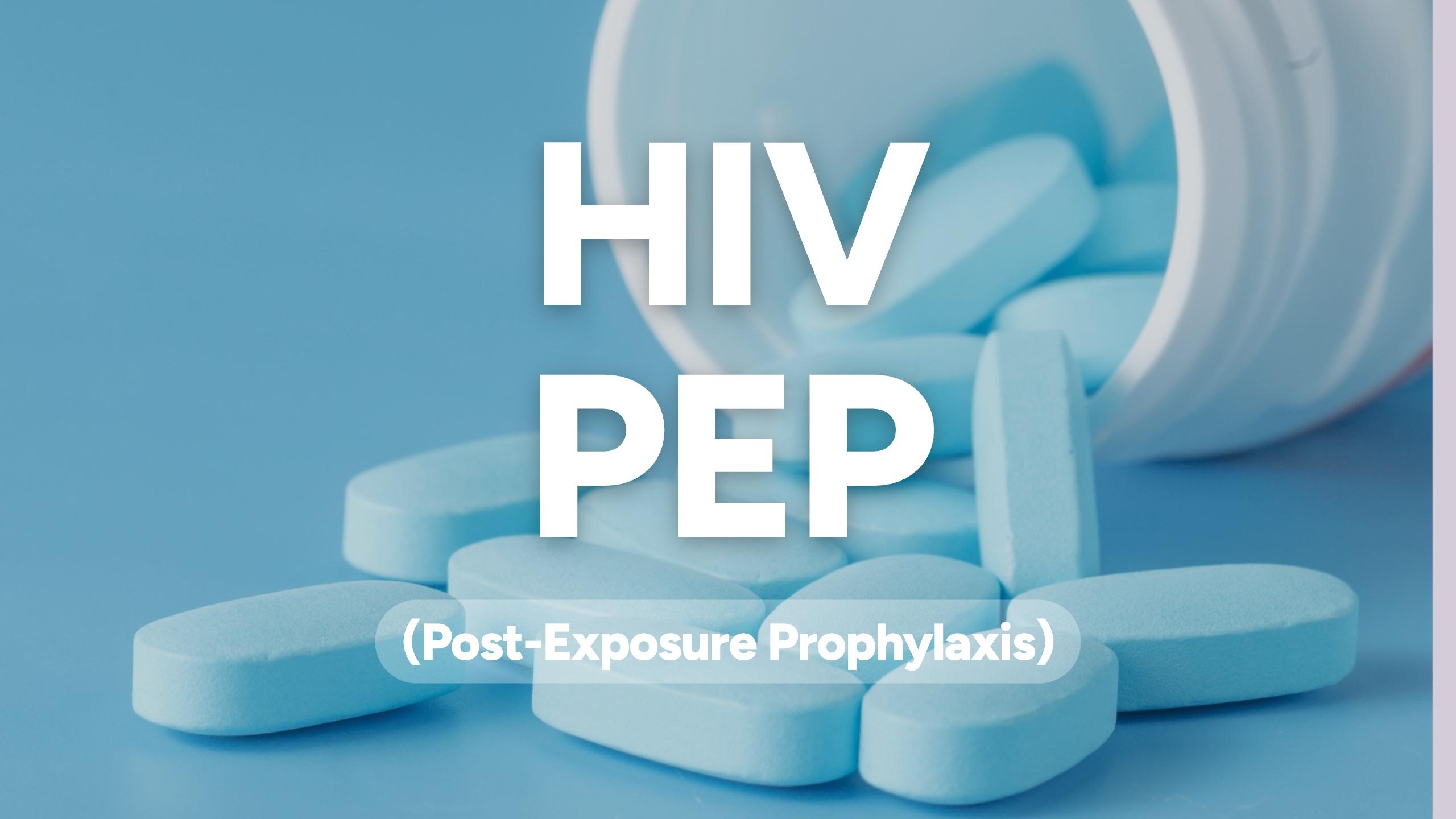
- Initiating Post-Exposure Prophylaxis (PEP):
- The 72-Hour Golden Window: Post-Exposure Prophylaxis (PEP) with a 28-day course of antiretroviral medications is only maximally effective when started as early as possible, strictly within the first 72 hours following the incident. After the 72-hour mark, the virus crosses the lymphatic barrier, and PEP loses its efficacy in halting transmission.
5. Diagnostic Methods and Mandatory Medical Tests
Medical evaluation and diagnosis at specialized facilities follow a standardized protocol to ensure absolute safety for the patient.
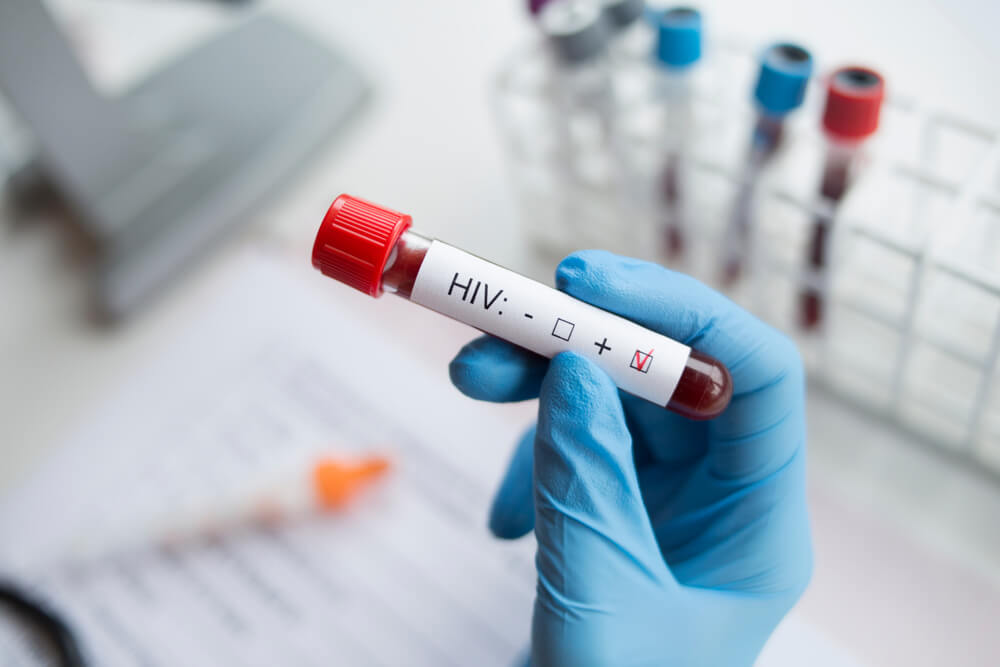
- Initial HIV Testing: Check the baseline negative status of the patient at the time of exposure (usually using rapid tests or fourth-generation Ag/Ab Combo tests).
- Periodic Testing During the Window Period: Because the body needs time to produce antibodies or antigens above the detection threshold, the doctor will schedule repeat HIV tests at critical milestones after completing the PEP course (or post-exposure if PEP is not used): at week 4, month 3, and month 6.
- Screening for Other Sexually Transmitted Infections (STIs): Serological testing for syphilis (RPR/TPHA), gonorrhea, chlamydia, and concurrent hepatitis B and C to establish a simultaneous treatment regimen if co-infections are detected.
- Liver and Kidney Biochemical Function Assessment: Serum creatinine and liver enzymes (AST, ALT) to ensure the body meets safety conditions before prescribing prescription regimens.
6. Treatment and the Role of Medication in Exposure Prophylaxis
Clinical studies show that PEP regimens utilizing highly active antiretroviral combinations can successfully block HIV replication if strict adherence is maintained.
- Treatment Goal: Eradicate invading viral particles before they can establish a chronic infection reservoir in the body.
- Mandatory Prescription Medications: PEP medications are potent prescription antivirals and must never be self-purchased or self-administered. Incorrect dosing or unverified, counterfeit medications can cause liver and kidney toxicity and potential severe drug resistance.
- Common Side Effects: During the first days of medication, patients may experience mild symptoms such as nausea, fatigue, headaches, or mild digestive disturbances. These symptoms typically subside and disappear as the body adapts.
- Adherence Principle: Take the correct dose at the exact fixed time every day for 28 consecutive days. Never stop the medication arbitrarily midway.
7. Lifestyle Modifications and Preventing Re-exposure
To protect comprehensive health and minimize psychological stress, men should establish proactive lifestyle and prevention habits:
- Proper Condom Use: Always use high-quality condoms combined with water-based lubricants during any sexual activity where the partner’s health history is unknown.
- Consider PrEP: If frequently facing uncontrolled sexual risks, individuals should consult a doctor to switch to daily or event-driven Pre-Exposure Prophylaxis (PrEP) for long-term, safe protection.
- Periodic Screening: Undergo andrology health check-ups and STI screenings every 3 months to detect and treat latent conditions early.
- Psychological Management: Avoid panic and prolonged anxiety. Maintain a steady mindset, balanced routines, and limit alcohol and stimulants that weaken the immune system.
8. Common Misconceptions in HIV Exposure Management
Medical consulting practice records many complications or delayed responses due to widespread misconceptions:
- Waiting for symptoms to appear before seeking care: Believing that an absence of fever or rash means no HIV infection. This wait causes the 72-hour golden window of PEP to pass.
- Self-purchasing unverified ARV medications online: Using someone else’s prescription or buying unverified medications leads to treatment failure and severe organ damage.
- Assuming PEP provides permanent immunity: PEP is only an emergency solution for a specific incident and does not create long-lasting immunity against future exposures.
- Forgetting follow-up testing at 3 months: Completing the 28 days of PEP but skipping confirmatory testing milestones at months 3 and 6.
9. Frequently Asked Questions (FAQs)
What should I do if I had sex with a partner of unknown HIV status more than 72 hours ago?
After 72 hours, Post-Exposure Prophylaxis (PEP) loses its optimal blocking efficacy. You need to visit a specialist immediately to undergo basic baseline HIV screening, evaluate actual risk, and establish a schedule for follow-up testing in the coming weeks.
Can a pharmacist at a drugstore independently prescribe and sell PEP medications to me?
No. PEP medications are prescription antivirals that strictly require examination, prescription, and direct monitoring by a specialist physician after confirming an HIV-negative test and evaluating liver and kidney function. A pharmacist will provide professional counseling, adherence guidance, and supply genuine products according to the doctor’s prescription.
Can I engage in sexual intercourse during the 28 days of taking PEP?
Throughout the 28 days of PEP and the waiting period to complete confirmatory tests, you must strictly use condoms during sexual activity or temporarily abstain to avoid transmitting the infection to a partner if treatment fails.
If I vomit immediately after taking a PEP dose, do I need to take another pill?
If you vomit within 1 hour of taking the medication, you must immediately take a replacement pill. If vomiting occurs more than 2 hours after ingestion, most of the medication has already been absorbed by the body; you do not need a replacement pill and should continue with your next dose at the scheduled time.
Does taking PEP affect male fertility?
Current clinical data demonstrates that standard PEP regimens do not harm the testes or permanently affect sperm count, quality, or male fertility.
How do PEP and PrEP differ?
PEP is an emergency prophylactic treatment after an exposure incident has occurred (taken for 28 days). In contrast, PrEP is a pre-exposure prophylaxis method taken regularly every day or on-demand to maintain a protective drug concentration in the body before engaging in risky behavior.
10. Advice from the Andrologist
HIV exposure with a partner of unknown status is a situation that requires calmness, decisiveness, and standardized medical approaches. Never self-diagnose, never self-purchase unverified medications, and never delay the 72-hour golden window.
When facing an exposure incident or seeking sexual health screening, visiting specialized and reputable medical facilities is the optimal solution. Men’s Health Andrology Clinic is part of the ecosystem of the Men’s Health Center founded by Assoc. Prof. Dr. Tra Anh Duy. Here, clients always receive attentive listening, professional counseling, and thorough explanations from a team of andrologists and specialists. Men’s Health emphasizes professionalism, safety, discretion, absolute information privacy, and respect for individual privacy needs throughout examination, treatment, and long-term health monitoring.