

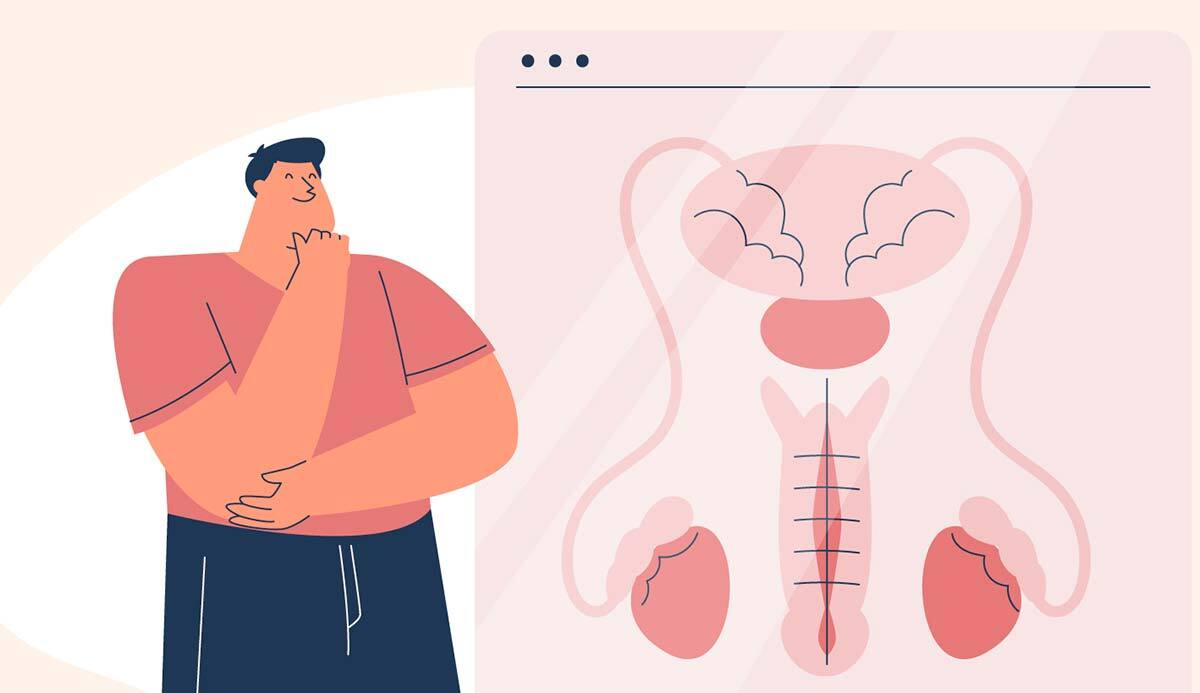
Having testicles of different sizes is a very common anatomical and physiological variation in men. Normally, the right testicle may be slightly larger and positioned somewhat higher than the left. However, if the difference in size develops suddenly and is accompanied by symptoms such as pain, swelling, scrotal redness, or an unusual lump, it may indicate an underlying male reproductive health condition that requires timely medical evaluation and intervention. Self-diagnosis or ignoring these symptoms may lead to serious consequences for reproductive health.
What Does It Mean When the Testicles Are Different Sizes?
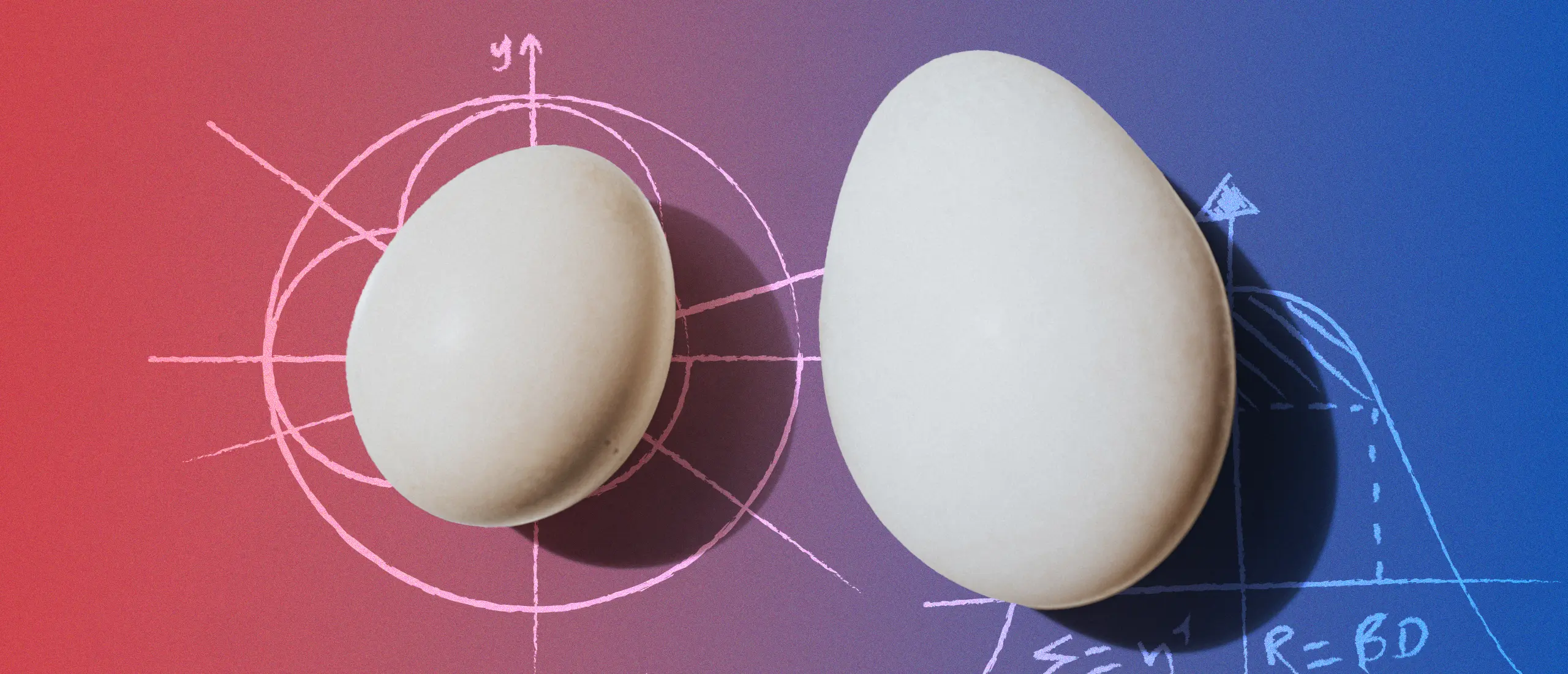
Unequal testicle size refers to a condition in which one testicle has a greater volume, weight, or length than the other when observed or palpated. Mild asymmetry is completely normal in male anatomy. Clinical studies suggest that a difference in testicular volume of approximately 1–3 mL between the two sides is generally not considered pathological and does not affect sexual or reproductive function.
However, the line between normal physiological variation and disease can sometimes be difficult to distinguish. If one testicle becomes significantly enlarged or shrinks noticeably over a short period of time, men should not ignore the change.
Causes of Unequal Testicle Size
Differences in testicular size can arise from various causes, generally divided into two main groups: normal physiological factors and medical conditions.
Normal Physiological Factors
In most healthy men, the right testicle tends to be slightly larger and positioned somewhat higher than the left. The underlying reason is related to embryological development and the vascular anatomy supplying the scrotum. This difference develops gradually as the body matures, does not cause pain, and does not alter the texture or surface of the testicle.
Medical Conditions That Require Attention
When unequal testicle size is caused by disease, the body often shows additional abnormal changes. Common medical causes include:
- Varicocele: This occurs when the veins surrounding the spermatic cord become enlarged, most commonly on the left side. Blood pooling in these veins can increase scrotal temperature and may gradually cause the affected testicle to shrink.
- Hydrocele: This is the accumulation of fluid between the layers of tissue surrounding the testicle. The fluid can cause one or both sides of the scrotum to enlarge, making the testicles appear noticeably different in size, usually without significant pain.
- Epididymitis and Orchitis: Infections caused by common bacteria or sexually transmitted pathogens can affect the testicle or epididymis. These conditions may cause marked swelling, warmth, redness, and enlargement of one testicle compared with the unaffected side.
- Testicular Torsion: This is a serious medical emergency in which the spermatic cord twists and cuts off the blood supply to the testicle. It can cause sudden swelling and severe pain and requires urgent surgical detorsion, ideally within the first 6 hours, to preserve testicular tissue.
- Testicular Cancer: Malignant cells can form a firm mass within the testicle, changing its shape and size. Testicular cancer is often painless in its early stages and may initially present only as a feeling of heaviness in the scrotum or a hard lump.
Warning Signs That Require Immediate Medical Attention

You should see an andrology or urology specialist promptly if unequal testicle size is accompanied by any of the following warning signs:
- Sudden and severe pain: Rapid-onset pain in one testicle or the scrotum, which may radiate to the lower abdomen or groin.
- Swelling and skin color changes: The scrotal skin becomes enlarged, tense, warm, red, or bluish-purple.
- An unusual lump or hard mass: A firm, painless lump that appears attached to the testicle.
- A feeling of heaviness: A dragging or heavy sensation in the scrotum, especially when standing for long periods or during physical activity.
- Systemic symptoms: Fever, chills, nausea, vomiting, painful urination, frequent urination, or blood/pus in the urine.
Diagnosing Testicular Asymmetry
Accurately identifying the cause of unequal testicle size requires a combination of clinical examination and appropriate diagnostic tests ordered by a healthcare professional. No single sign or symptom is sufficient to establish a definitive diagnosis.
A comprehensive diagnostic evaluation may include:
- Physical examination: The doctor will palpate the scrotum, testicles, epididymis, and spermatic cord to assess size, consistency, the location of any mass, and relevant physical responses.
- Scrotal Doppler ultrasound: This is a first-line, safe, and highly effective imaging method. Ultrasound can help distinguish solid masses that may raise concern for cancer from fluid-filled cysts, assess blood flow in suspected testicular torsion, and identify varicoceles.
- Blood and urine tests: These can help diagnose urinary tract infections, orchitis, or evaluate tumor markers such as AFP, HCG, and LDH when malignancy is suspected.
Treatment and the Role of Medication
Treatment for unequal testicle size depends entirely on the underlying cause. Medical management may involve medications or surgical intervention.
The Role of Medication in Medical Treatment
Medication is mainly used when the size difference is related to infection, inflammation, or pain.
Treatment goals: Eliminate the causative pathogen, reduce inflammation, control pain, and prevent complications that could affect fertility.
Commonly used medication groups include:
- Antibiotics (prescription only): Used for bacterial epididymitis or orchitis. The doctor selects the appropriate antibiotic based on the likely causative organism and the patient’s medical history. Patients should follow the prescribed regimen exactly and should not stop treatment prematurely even if symptoms improve, as inappropriate use can contribute to antibiotic resistance.
- Anti-inflammatory drugs and pain relievers: NSAIDs such as ibuprofen and diclofenac, or paracetamol, may help reduce inflammation, fever, and pain. Although some of these medications are available over the counter, caution is still necessary, particularly in people with a history of peptic ulcers, liver disease, or kidney disease.
Safety recommendations when using medications:
- Never purchase or use antibiotics or long-term pain medication without medical guidance based on word-of-mouth advice or information found online.
- Do not use another person’s prescription because every patient’s health status and underlying cause may be different.
- Contact your doctor promptly if you experience adverse effects such as rash, itching, severe diarrhea, or if your symptoms do not improve after several days of treatment.
Surgical Intervention
For certain conditions, medication is not effective and surgery may be the only appropriate treatment:
- Testicular torsion: Emergency surgery is required to untwist and secure the testicle.
- Varicocele: Microsurgical varicocelectomy may be considered if the condition causes pain, testicular atrophy, or impaired sperm quality.
- Hydrocele: Surgery to remove the hydrocele sac or drain the fluid may be performed if the swelling becomes large enough to interfere with daily activities.
- Testicular cancer: Removal of the affected testicle may be necessary, followed by radiation therapy or chemotherapy depending on the stage of the disease.
Lifestyle Changes and Preventive Measures
Although not every cause of unequal testicle size can be prevented, maintaining a healthy lifestyle may help men better protect their reproductive health:
- Regular testicular self-examination (TSE): Men should develop the habit of checking their testicles once a month, preferably after a warm shower when the scrotal skin is relaxed. This can help detect unusual lumps or changes in size at an early stage.
- Protect the genital area during physical activity: Wear supportive underwear or appropriate protective equipment during contact sports or strenuous activities to reduce the risk of scrotal injury.
- Practice safer sex: Use condoms to reduce the risk of sexually transmitted diseases (STDs), which are among the potential causes of testicular inflammation.
Professional Support from the Men’s Health Ecosystem

Men’s Health Andrology Pharmacy is part of the Men’s Health Center ecosystem, founded by Dr. Tra Anh Duy, MD, PhD, Specialist Level II. We understand that abnormalities involving the genital area, including differences in testicular size, can cause embarrassment and anxiety for many men.
All consultation and medication-dispensing procedures at Men’s Health Andrology Pharmacy are carried out through close collaboration between andrology physicians and clinical pharmacists. Prescription medications for infections and other male reproductive health conditions are provided only after the patient has received a clear medical diagnosis and a specific treatment recommendation from a physician.
Men’s Health is committed to providing a professional, safe, discreet healthcare environment with strict protection of personal information and respect for each client’s individual needs throughout examination, treatment, and long-term health monitoring.
Unequal Testicle Size: Frequently Asked Questions
What Is a Normal Testicle Size?
The average testicular volume in a healthy adult male ranges from approximately 12 to 25 mL, with an average length of about 4–5 cm. A difference in volume of less than 3 mL between the two sides is generally considered a normal physiological variation.
Can Newborn Babies Have Testicles of Different Sizes?
Yes. In newborns, this may be associated with a congenital condition such as an undescended testicle, in which the testicle has not fully descended into the scrotum, or congenital hydrocele. Parents should take the child to a pediatrician for examination and appropriate management advice.
Can Unequal Testicle Size Affect Fertility?
If the difference is caused by normal anatomical variation, sperm production and testosterone production are generally unaffected. However, if the asymmetry results from severe varicocele or testicular atrophy following infection, sperm quality and sperm count may decline, potentially making conception more difficult.
Can Heavy Gym Training Change Testicle Size?
Weight training or strenuous physical activity does not directly alter the structure or size of the testicles. However, excessive straining or trauma during exercise may increase the risk of varicocele or inguinal hernia, which can indirectly make one side of the scrotum appear larger.
Is There Any Medication That Can Make Both Testicles the Same Size?
There is no medical drug or dietary supplement capable of enlarging one testicle simply to “balance” its size with the other. Claims that certain products can achieve this are medically misleading. Treatment should always focus on addressing the underlying condition responsible for the asymmetry.
Conclusion
Having testicles of different sizes is usually a normal physiological variation and is generally not a cause for concern when the difference is small, has been present for a long time, and is not associated with discomfort. However, any sudden change in size accompanied by pain, swelling, or a hard lump may be an important warning sign of an underlying male reproductive health condition.
The most practical advice for men is to avoid self-diagnosis or self-medication with antibiotics or pain relievers at home. Hiding symptoms or delaying medical evaluation may result in irreversible damage to reproductive function. If you notice any unusual changes, you should seek evaluation at a specialized medical facility such as the Men’s Health Center, where you can receive a clinical examination, ultrasound assessment, and an appropriate treatment plan in a professional, safe, and confidential environment. Your health deserves care from trusted medical professionals.