
Urethral trauma is a serious injury to the genitourinary system, common in men due to their long and complex urethral anatomy. Initial emergency care is crucial, but many patients carry a greater worry about what long-term symptoms urethral trauma might cause. In reality, if not properly monitored and managed, this injury can leave late complications such as urethral stricture, voiding dysfunction, recurrent infections, or declined sexual function. Early recognition of abnormal symptoms is the key to helping men protect their health, maintain their quality of life, and preserve long-term physiological function.
Overview of Urethral Trauma in Men
To understand the late sequelae, patients need to grasp the mechanism of injury and why the urethra is prone to prolonged effects.
Concept and Mechanism of Injury
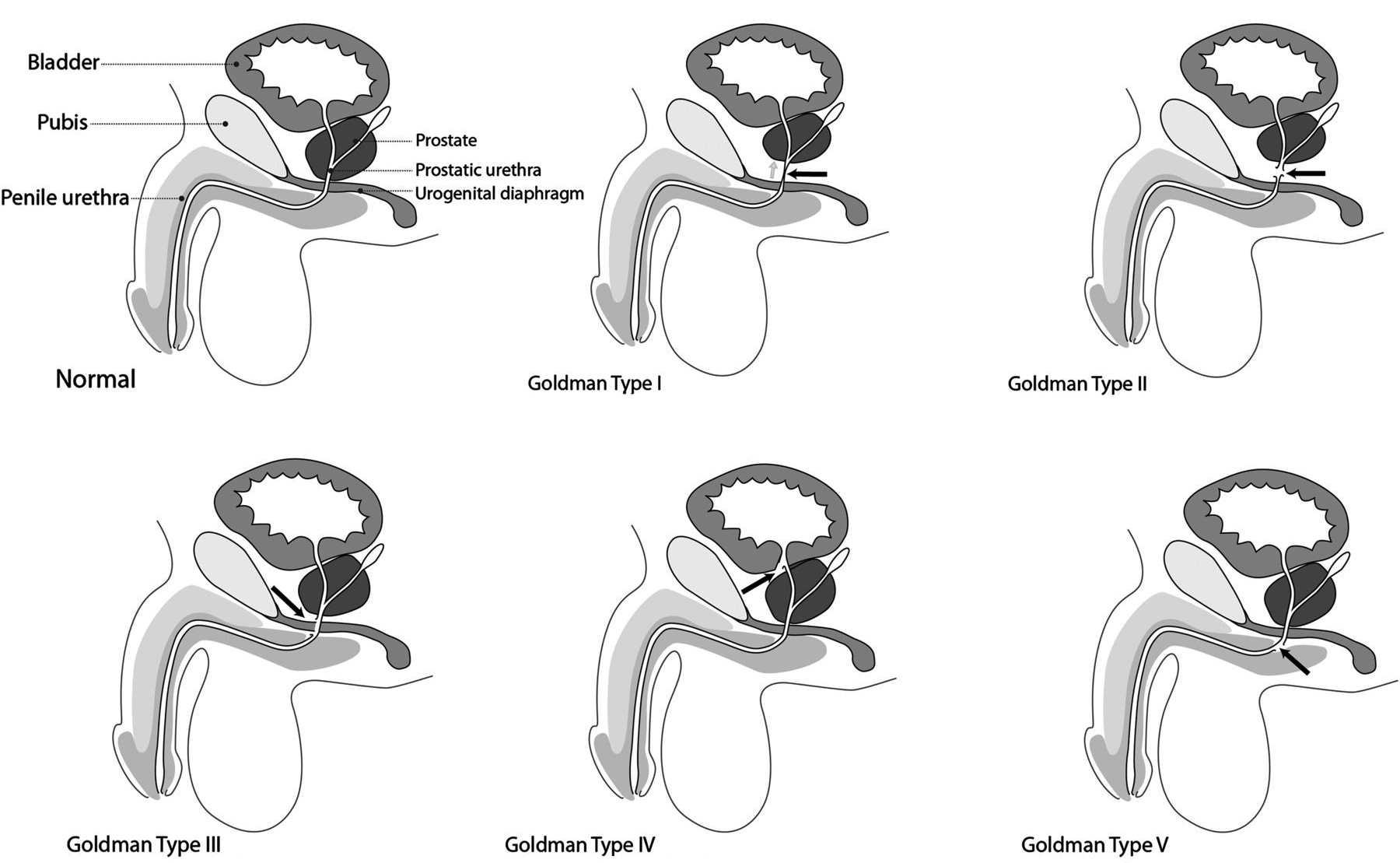
The urethra is the tube that carries urine from the bladder out of the body and also serves as the conduit for semen during ejaculation in men. Urethral trauma is usually divided into two main groups based on anatomy:
- Anterior urethral trauma: Often caused by straddle injuries (falling astride on hard objects like boat edges, scaffolding, or bicycle seats), leading to a crushing injury of the bulbar urethra.
- Posterior urethral trauma: Mostly associated with pelvic fractures from severe traffic or occupational accidents, causing tearing or crushing of the membranous urethra and prostate.
Common Risk Factors and Causes
According to current specialized guidelines, urethral trauma often stems from:
- Traffic accidents, especially motorcycle accidents.
- Occupational accidents or sports injuries (cycling, horseback riding).
- Firearm injuries or penetrating wounds.
- Iatrogenic injuries (improper urinary catheterization technique, cystoscopy).
What Long-Term Symptoms Can Urethral Trauma Cause?
Late symptoms after urethral trauma do not appear immediately but often progress silently over weeks, months, or even years after the initial wound has healed. Below are the most common sequelae:
Urethral Stricture
Urethral stricture is the most common and concerning late complication. The body responds to the injury by creating scar tissue to heal the tear. However, this scar tissue lacks elasticity and tends to contract, narrowing the urethral lumen.
- Identifying symptoms: Weak urine stream, split urine stream, dribbling, or prolonged urination time.
- Consequences: If left untreated, urethral stricture can cause complete urinary retention, increasing retrograde pressure on the bladder and kidneys.
Voiding Dysfunction
Structural changes due to fibrotic scarring or bladder sphincter injury lead to a series of lower urinary tract symptoms (LUTS).
- Feeling of incomplete emptying: Patients always feel like there is still urine in the bladder immediately after voiding.
- Dysuria, urinary frequency: Increased frequency of urination but with very little urine volume each time.
- Urinary incontinence: In some cases of posterior urethral trauma accompanied by pelvic fracture with sphincter damage, patients may leak urine involuntarily when coughing, sneezing, or when the bladder is full.
Recurrent Urinary Tract Infections (UTIs)
When the urine flow is obstructed due to a urethral stricture, urine stagnates in the bladder or urethra.
- Symptoms: Cloudy, foul-smelling urine, painful or burning urination, and lower abdominal pain. Occasionally, fever may occur if the infection spreads.
- Mechanism: Stagnant urine creates an ideal environment for bacteria to multiply. Recurrent episodes of cystitis, urethritis, or prostatitis can severely diminish the patient’s health.
Sexual Dysfunction
Urethral trauma, especially posterior urethral trauma accompanied by pelvic fracture, can damage the nerves and blood vessels supplying the genital area.
- Erectile Dysfunction (ED): Difficulty achieving or maintaining an erection sufficient for sexual intercourse.
- Ejaculatory disorders: Painful ejaculation, blood in semen (hematospermia), or decreased semen volume due to a narrowed pathway.
When Should Patients Seek Follow-Up Care?
Individuals who have experienced urethral trauma need to closely monitor their health. It is recommended to see a doctor immediately if the following signs appear:
- Having to strain hard to urinate, a very weak urine stream, or complete urinary retention.
- Severe burning pain during urination or ejaculation.
- Fresh or clotted blood in the urine or semen.
- Fever accompanied by pain in the hypogastric region (below the navel) or the perineal area.
Note: Do not self-diagnose based on a few symptoms. The above signs require direct examination by a specialist to determine the extent of the damage and provide timely management.
Methods for Diagnosis and Evaluation of Late Sequelae
To accurately determine the cause and severity of late symptoms, doctors often prescribe:
- Uroflowmetry: Helps assess the urine flow rate, serving as an effective screening tool for urethral stricture disease.
- Retrograde Urethrography (RUG): Injecting contrast medium into the urethra and taking X-rays. This method allows the doctor to clearly see the location, length, and degree of narrowing of the injured urethral segment.
- Urethroscopy: Inserting a flexible or rigid scope with a camera into the urethra to directly observe scar tissue and internal inflammation.
- Urinary Tract Ultrasound: Evaluating the post-void residual urine volume in the bladder and checking the condition of the kidneys and ureters.
Treatment of Urethral Trauma Sequelae and the Role of Medication
The goal of treatment is to restore the patency of the urine flow, control infection, and improve the patient’s quality of life.
Surgical Intervention
When a urethral stricture is identified as the primary cause of symptoms, surgery is often the optimal choice. Clinical studies show that depending on the length and location of the stricture, doctors may perform:
- Periodic urethral dilation.
- Endoscopic urethrotomy (using a cold knife or laser).
- Urethroplasty (end-to-end anastomosis, or using a buccal mucosa graft).
The Role of Medication in Recovery
Medication cannot make scar tissue disappear or completely cure a trauma-induced urethral stricture, but it plays a crucial role in supporting symptom management, fighting infection, and aiding post-operative recovery.
1. Antibiotics (Prescription drugs)
- Goal: Treat or prevent UTIs caused by urinary stasis.
- Caution: Must be used strictly according to the doctor’s regimen based on urine culture and antibiogram results.
- Note: Do not self-medicate with antibiotics, as this can cause antibiotic resistance, making subsequent infections more severe and harder to treat.
2. Alpha-blockers
- Goal: Help relax the smooth muscles at the bladder neck and prostate, thereby supporting improved urine flow in cases of dysuria.
- Side effects: May cause dizziness, orthostatic hypotension, or retrograde ejaculation.
- Contraindications: Use with caution in individuals with a history of low blood pressure or severe liver/kidney impairment.
3. Analgesics and Anti-inflammatories (NSAIDs/Paracetamol)
- Goal: Relieve lower abdominal pain, dysuria, or for use after surgical procedures.
- Note: Use the correct dosage. Prolonged abuse of NSAIDs carries the risk of gastric ulcers and affects kidney function.
Important Medical Note: Any medication used during and after the treatment of urethral trauma must strictly comply with a doctor’s prescription. Absolutely do not share prescriptions with others or trust unverified folk remedies. If abnormal signs such as rash, nausea, or severe dizziness occur, stop the medication and contact a doctor immediately.
Men’s Health Pharmacy: Accompanying the Professional Recovery Process

Managing and monitoring sequelae after urethral trauma requires patience and long-term treatment adherence. Men’s Health Pharmacy is a unit within the Men’s Health Center ecosystem, founded by Dr. Tra Anh Duy (MD, PhD, Specialist Level II). Here, we understand that urinary or male physiological troubles are sensitive issues that need to be approached professionally, safely, discreetly, and with absolute information confidentiality.
Patients coming to the Men’s Health ecosystem will not only receive a regimen from doctors but will also be thoroughly counseled by pharmacists regarding the uses, dosages, and side effects of each prescribed medication. The close coordination between clinical doctors and pharmacists helps patients choose appropriate healthcare solutions, minimize risks from drug interactions, and ensure personalization throughout the examination, treatment, and monitoring process.
Men’s Health Pharmacy always emphasizes: All prescription medications for male diseases, especially those related to urinary function or erectile dysfunction after trauma, require a direct prescription from a specialist after clearly identifying the cause.
Urethral Trauma and Frequently Asked Questions
How long after urethral trauma do urethral stricture symptoms appear?
There is no fixed timeline. Scarring leading to strictures can start showing symptoms (weak or frequent urination) 3 to 6 months after the injury, but in some cases, the sequelae develop silently and manifest clearly only after a few years.
Can urethral trauma cause infertility in men?
The trauma itself does not directly affect sperm production in the testicles. However, if a severe urethral stricture obstructs the ejaculatory duct, or if nerve damage causes erectile dysfunction, the ability to conceive naturally will be affected. Patients should consult a specialist for appropriate reproductive support.
How to tell if a weak urine stream is due to urethral trauma or an enlarged prostate?
Both conditions cause lower urinary tract symptoms (LUTS). However, trauma-induced strictures usually have a clear history (accidents, impacts) and can occur in young people. Prostate enlargement typically appears in middle-aged and older men. To differentiate accurately, doctors need to perform an ultrasound, uroflowmetry, or urethroscopy.
Can post-traumatic urethral strictures heal on their own without surgery?
Fibrotic scar tissue in the urethral lumen cannot dissolve on its own. Medication only helps reduce inflammation or temporarily relax smooth muscles without resolving the physical cause. Patients must undergo intervention by a urologist to resolve the obstruction.
What should be done to prevent recurrent UTIs after trauma?
Patients should drink enough water (1.5 – 2 liters/day) to enhance the flushing of bacteria from the urinary tract, avoid holding in urine, and maintain proper genital hygiene. Most importantly, follow the scheduled follow-up appointments as advised by the doctor to closely monitor urinary function.
Conclusion
Answering the question “what long-term symptoms can urethral trauma cause,” medical experts confirm that urethral strictures, voiding dysfunction, recurrent infections, and sexual dysfunction are the most common and complex late complications. These complications not only cause physical pain but also create a heavy psychological burden for men.
Practical medical advice for patients is to absolutely not underestimate any changes in urination habits after experiencing a pelvic or genital accident. Do not self-diagnose or buy painkillers and antibiotics for prolonged use. When abnormal signs such as difficulty urinating, burning urination, or physiological changes occur, you should quickly seek out reputable urology and andrology specialized medical facilities. The Men’s Health Center and Pharmacy ecosystem is always ready to accompany and support professional, safe, and discreet examinations, medication counseling, and health monitoring, helping men quickly regain their confidence and quality of life.