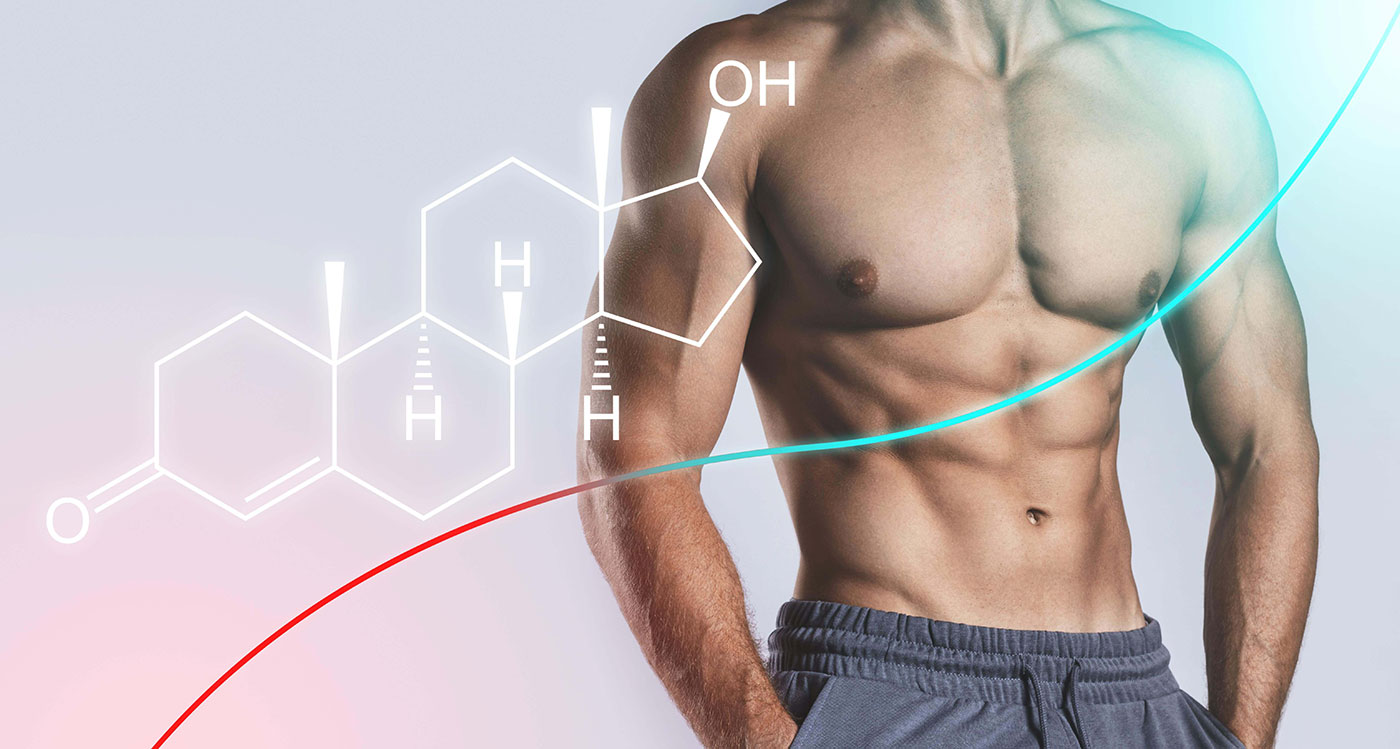

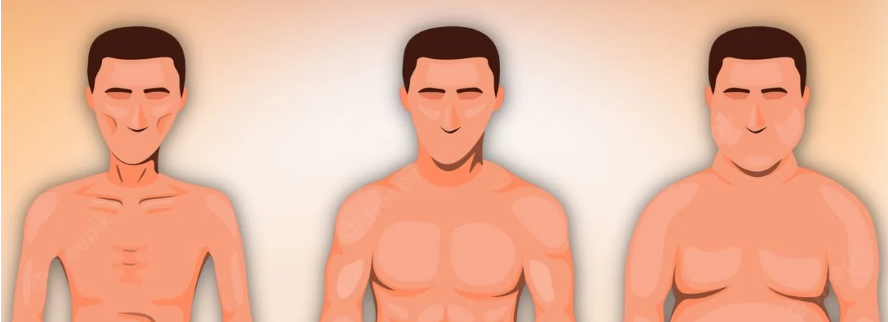
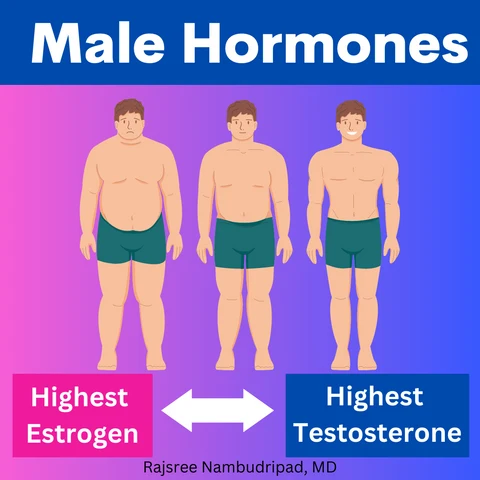
Obese men often face a dual challenge: elevated female hormones (Estrogen) and depleted male hormones (Testosterone). The root cause lies in excess fat tissue containing high levels of the aromatase enzyme, which directly converts Testosterone into Estrogen. This process not only diminishes male hormone levels but also creates a vicious cycle: low Testosterone makes the body even more prone to accumulating fat. Understanding this biological mechanism is the key to helping men intervene promptly and protect their sexual and overall health scientifically.
Biological Mechanism: The Link Between Excess Fat and Male Hormones
Many people mistakenly believe that fat is merely a passive energy storage site. In reality, adipose (fat) tissue is a highly active endocrine organ. According to current endocrinology guidelines, the inverse relationship between obesity and Testosterone levels is explained through two main mechanisms:
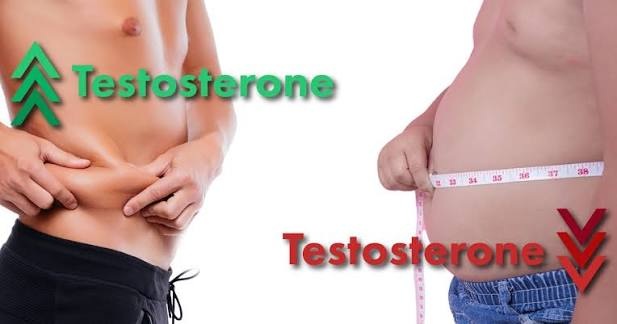
The Role of the Aromatase Enzyme (Aromatization Process)
Fat cells (especially visceral belly fat) contain large amounts of an enzyme called Aromatase. Its primary function is to convert free Testosterone in the blood into Estradiol (the most potent form of Estrogen). The greater the body’s fat mass, the higher the amount of aromatase. As a result, Testosterone is continuously “stolen” and transformed into Estrogen, leading to a deficiency in male hormones and an excess of female hormones.
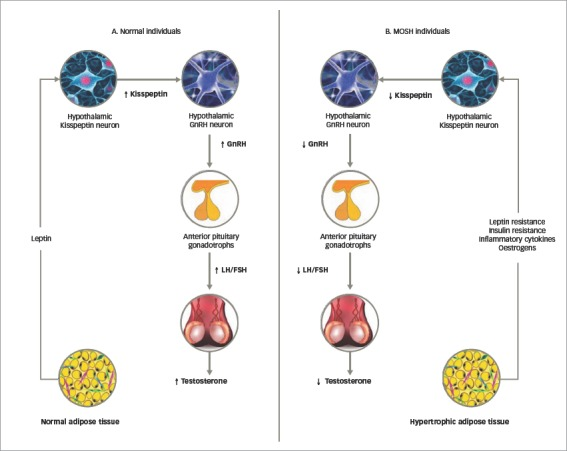
The Vicious Cycle of Hypothalamic-Pituitary-Gonadal (HPG) Axis Suppression
Normally, the brain (hypothalamus and pituitary gland) monitors hormone levels in the blood. When Testosterone is low, the brain signals the testicles to produce more. However, in obese individuals, the elevated Estrogen levels resulting from fat conversion “trick” the brain. The brain perceives that the total amount of sex hormones is sufficient or excessive, thereby reducing the secretion of signaling hormones (LH and FSH) to the testicles. This suppression causes the testicles to decrease or halt Testosterone production, resulting in Secondary Hypogonadism.
Additionally, excess fat releases inflammatory cytokines, increasing insulin resistance, which further lowers free Testosterone levels in the blood.
Signs of Hormonal Imbalance in Obese Men
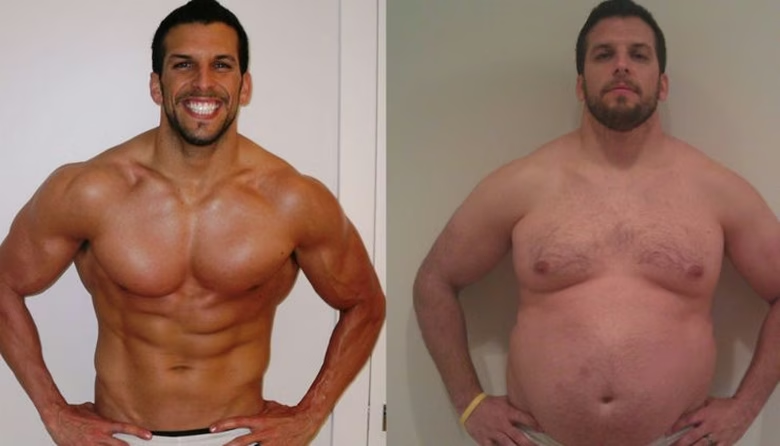
The decline in male hormones and the rise in female hormones not only affect physique but also have a comprehensive impact on the quality of life. These symptoms often develop silently:
- Physical changes:
- Gynecomastia (Enlarged male breasts): Excess Estrogen stimulates breast tissue growth, causing the chest to enlarge abnormally, sometimes accompanied by tenderness.
- Increased fat accumulation in the abdomen, hips, and thighs (a female-pattern fat distribution).
- Decreased muscle mass, frequent lethargy, chronic fatigue, and lack of energy.
- Hair loss or thinning body hair.
- Physiological and sexual changes:
- Severe decline in sexual desire (Libido).
- Erectile Dysfunction or difficulty maintaining morning erections.
- Decreased sperm quality and quantity, affecting fertility.
- Mental changes: Irritability, mood swings, difficulty concentrating, sleep disturbances, and a high risk of depression.
Note: These symptoms can overlap with various other medical conditions. Patients should not self-diagnose based solely on a few outward signs.
When Should Men See a Doctor?
You should proactively schedule a visit with an Andrologist or Endocrinologist if you experience the following signs, especially if your Body Mass Index (BMI) is 25 or higher:
- Symptoms of low libido and erectile dysfunction lasting over 3 months, directly affecting your intimate relationships.
- Noticing swollen breast tissue, hard lumps, or pain in the chest area.
- Chronic fatigue that does not improve despite adequate sleep.
- Couples trying to conceive without success after 6 months to 1 year of trying (in the case of an obese male partner).
Do not hesitate or feel embarrassed, as early detection will simplify the treatment process and yield higher efficacy.
Diagnostic Methods for Obesity-Induced Hormonal Imbalance
To prescribe an accurate treatment regimen, doctors do not rely solely on outward appearance but require specific paraclinical data:
- Endocrine Blood Tests: Best performed in the morning (between 8 AM – 10 AM) when natural Testosterone levels peak. Necessary markers include Total Testosterone, Free Testosterone, Estradiol (Estrogen), LH, FSH, Prolactin, and SHBG (Sex Hormone-Binding Globulin).
- Evaluation of Comorbidities: Blood sugar, HbA1c, lipid profile, and liver enzymes to check for insulin resistance, diabetes, or dyslipidemia—conditions that frequently accompany obesity.
- Clinical Examination: Assessing BMI, waist circumference, testicular volume, and breast tissue.
Treatment and the Role of Medications: Addressing the Root Cause
The goal of treatment for obese men with hormonal imbalances is not to hastily supplement artificial Testosterone, but to break the vicious cycle between excess fat and hormones. Clinical studies indicate that weight loss is the most natural and sustainable “medicine” to restore Testosterone levels.
However, in cases where the deficiency causes severe clinical symptoms, doctors may consider specialized medical interventions.
Testosterone Replacement Therapy (TRT) and Endocrine Medications
- Treatment goal: Restore Testosterone to normal physiological levels, improve libido and erectile function, and support muscle mass gain and fat loss (when combined with exercise). Occasionally, doctors may prescribe Aromatase Inhibitors (to block the conversion of Testosterone into Estrogen) or pituitary-stimulating medications.
- Prescription nature: These are strictly prescription-only medications. They must only be used under specific medical indications and precise dosing from a specialist after blood test results are evaluated.
- Cautionary demographics: Patients with a history of prostate cancer, male breast cancer, polycythemia (high red blood cell count), severe sleep apnea, or those planning to have children (exogenous TRT can suppress sperm production, causing temporary infertility).
- Adverse effects: If used incorrectly or self-administered, patients may face the risk of an enlarged prostate, increased blood thickness leading to blood clots or strokes, or permanent impairment of natural testicular function.
- When to stop medication: Stop immediately and contact a doctor if experiencing shortness of breath, swelling in the limbs, chest pain, difficulty urinating, or severe acne breakouts.
The Companionship of Doctors and Specialized Pharmacists
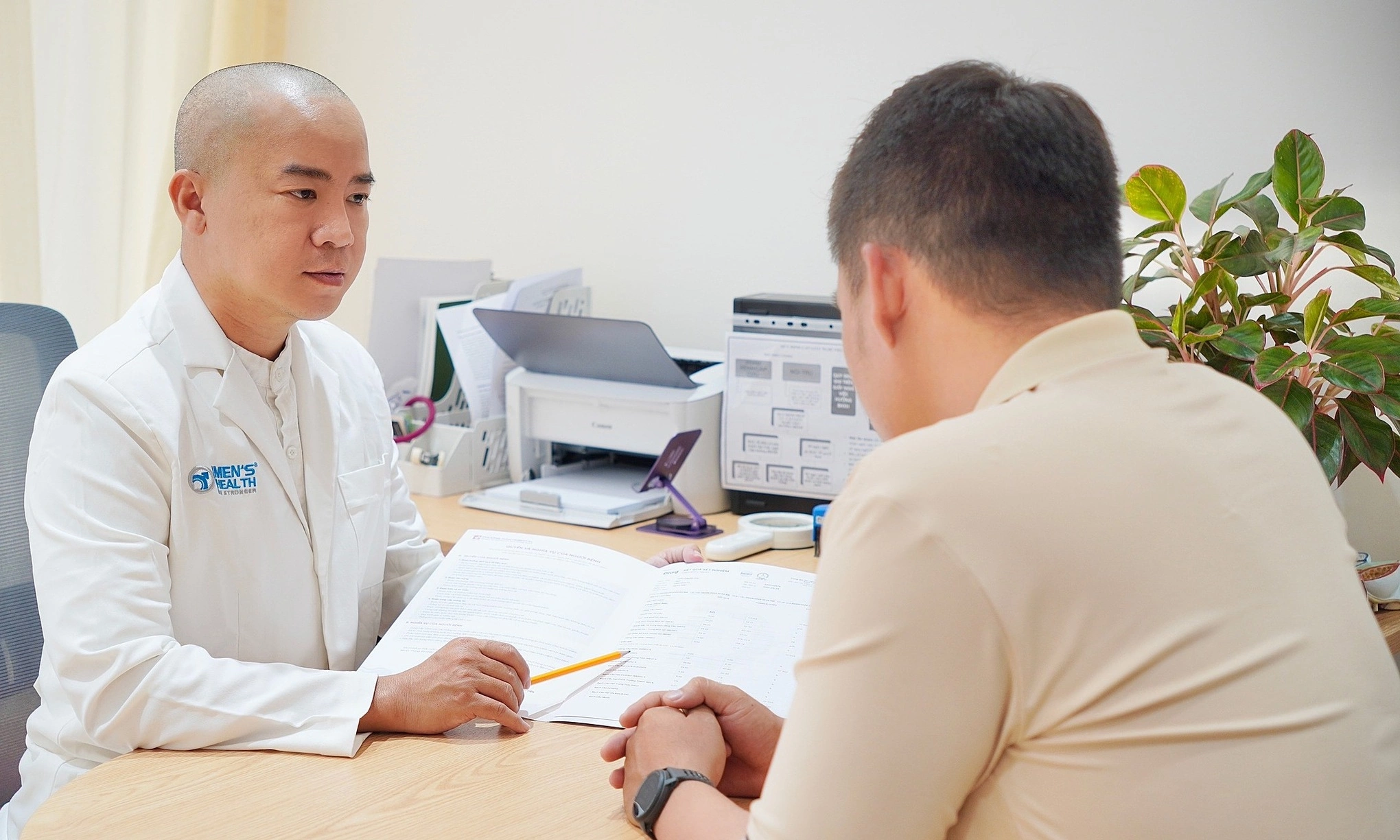
In the journey of treating andrological diseases and hormonal disorders, Men’s Health Pharmacy (a unit within the Men’s Health Center ecosystem founded by Dr. Tra Anh Duy, MD, PhD) always serves as a vital bridge between the doctor’s regimen and the patient. Here, all prescription medications are meticulously explained by pharmacists regarding their uses, dosages, potential drug interactions, and how to monitor side effects.
Men’s Health strongly emphasizes professionalism, safety, discretion, confidentiality, and respect for personal needs. Patients must never reuse someone else’s prescription or buy unverified “supplements” or “enhancement pills” online. Treating erectile dysfunction or Testosterone deficiency requires a diagnosis based on the root cause and close collaboration between doctors and pharmacists to ensure long-term health.
Lifestyle Changes: The Key to Breaking the Vicious Cycle
Medications cannot replace a healthy lifestyle. To reduce Aromatase enzyme levels and restore natural Testosterone, patients must adhere to:
- Weight management and nutrition: Aiming for a 5-10% reduction in body weight can lead to significant endocrine improvements. Implement a reasonable caloric deficit; prioritize lean protein, healthy fats (Omega-3 from fish, avocados, olive oil), and minimize refined sugars and fast food. Zinc and Vitamin D are crucial micronutrients that should be supplemented through diet to support male hormone synthesis.
- Increase physical activity: Combining resistance training (weightlifting, strength training) to stimulate natural Testosterone production with Cardio exercises (running, cycling) to burn belly fat.
- Sleep quality: The majority of Testosterone is produced during deep sleep. Men need to maintain 7-8 hours of sleep per night and check for sleep apnea (a very common condition in obese individuals).
Common Mistakes When Trying to Increase Testosterone
- Self-administering anabolic steroids or sexual enhancement drugs: This is the most dangerous mistake. Abusing unverified chemicals will “paralyze” the natural hormone production system, worsening hypogonadism and damaging liver and kidney function.
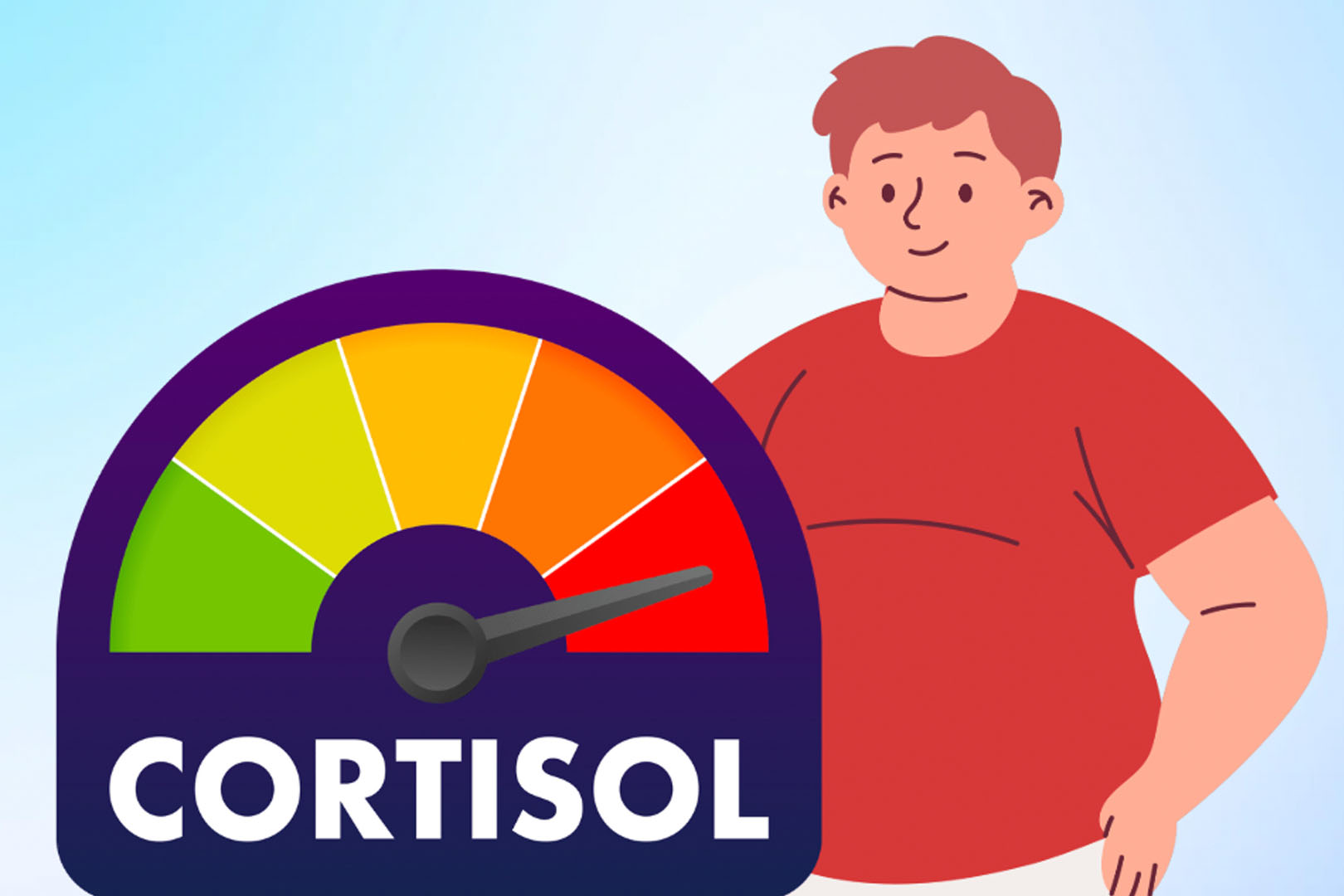
- Focusing solely on extreme fasting for weight loss: Severe fasting causes muscle loss and places the body in a state of stress (increasing Cortisol)—which is also an “enemy” that destroys Testosterone.
- Ignoring psychological treatment: The pressure from physical appearance and declining sexual function easily leads to stress. Chronic stress creates a more complex hormonal imbalance.
Obesity, Low Testosterone, and High Estrogen: Frequently Asked Questions
Will weight loss help natural Testosterone levels recover?
Yes. According to specialized guidelines, as excess fat mass (especially belly fat) decreases, Aromatase enzyme levels also drop. This reduces the conversion of Testosterone to Estrogen, allowing the Hypothalamic-Pituitary-Gonadal axis to resume normal function and naturally synthesize Testosterone.
Are obese men with low Testosterone guaranteed to be infertile?
Not guaranteed, but the risk of reduced fertility is very high. Obesity and hormonal imbalance negatively impact spermatogenesis, reducing sperm count and motility. However, this can be improved with proper treatment and weight loss under the supervision of a specialist.
Should I buy Estrogen blockers (Aromatase Inhibitors) over the counter?
Absolutely not. Estrogen blockers are potent prescription medications used in specific medical protocols. Self-administration can drop Estrogen levels dangerously low, leading to severe risks of osteoporosis, joint pain, and negative impacts on cognitive and cardiovascular functions.
Does weightlifting (resistance training) help obese men increase Testosterone?
Yes. Strength training exercises at an appropriate intensity are proven to be the best way to stimulate the body to produce natural Testosterone. However, for obese individuals, combining weightlifting with cardiovascular exercises (Cardio) is necessary to optimize fat burning.
What time of day should male hormone tests be performed?
Testosterone levels fluctuate with the body’s circadian rhythm, peaking in the early morning and gradually decreasing toward the afternoon. Therefore, doctors always require endocrine blood tests to be performed in the morning (from 8 AM to before 10 AM) for the most accurate results.
Conclusion
Obesity is not merely an aesthetic issue; it is the source of an “endocrine shock” in men—depleting Testosterone and triggering an explosion in Estrogen levels. The continuous conversion of male hormones into female hormones by fat tissue creates a vicious cycle that erodes both physical and sexual health. The golden key to breaking this siege is scientific weight loss combined with professional medical evaluation.
You should not self-diagnose through online symptoms or self-medicate for extended periods to avoid irreversible consequences. As soon as you notice abnormal changes in libido, erectile function, or body feminization, promptly seek out reputable medical facilities. The Men’s Health Center ecosystem, along with specialized support from Men’s Health Pharmacy, is always ready to accompany you with a professional, dedicated, safe, and strictly confidential examination process, helping men quickly regain their vitality and quality of life.