
The sexual orientation and behaviors of Gen Z have become one of the most discussed topics in today’s society. The diversity of sexual identities, the flood of online information, and the lack of proper education have created a new set of challenges for the younger generation. This article highlights the potential consequences that Gen Z may face and provides insights into healthy, safe sexuality.

1. Common Types of Sexual Orientation
Based on emotional and sexual attraction, sexual orientation is typically divided into the following categories:
- Heterosexuality: Attraction to individuals of the opposite sex, both emotionally and sexually.
- Homosexuality: Attraction to individuals of the same sex. “Gay” refers to men attracted to men, and “Lesbian” refers to women attracted to women.
- Bisexuality: Attraction to both men and women. A bisexual individual may experience varying levels of attraction depending on personal connections rather than fixed gender preference.
- Pansexuality: Attraction to others regardless of gender, sexual identity, or expression. For pansexual individuals, gender is not the determining factor of attraction.
- Asexuality: Describes people who do not experience sexual attraction toward others or experience it very rarely. However, this does not mean they lack emotional or romantic needs for intimacy or connection.
2. The Dimensions of Sexual Orientation
Sexual orientation is not limited to who someone feels attracted to — it involves multiple interconnected aspects that influence how individuals experience intimacy, relationships, and sexuality.
2.1. Emotional Intimacy Orientation
Refers to one’s desire for emotional connection, sharing life, and expressing love and care. Emotional intimacy doesn’t necessarily include sexual attraction — a person may crave closeness without sex, or vice versa.
2.2. Sexual Desire
A natural physiological response representing one’s drive for sexual pleasure. Sexual desire isn’t always directed toward a specific person — sometimes it’s just a general feeling.

2.3. Sexual Attraction
Describes who an individual feels sexually drawn to. It can be limited to one gender, multiple genders, or independent of gender entirely.
2.4. Attachment Orientation
Reflects a person’s desire to form deep, long-term relationships built on safety, trust, and companionship, rather than purely sexual elements.
2.5. Sexual Behavior
Includes all actions involving sexual pleasure, whether solo or with others. For example, a person might engage in same-sex activity due to curiosity or circumstance without identifying as homosexual.
2.6. Sexual Experience
Covers not only physical acts but also fantasies, dreams, and sexual thoughts. Especially in adolescence, sexual imagination is a natural part of emotional and physical development.

2.7. Physical Affection Needs
The desire for touch, hugging, kissing, or holding hands plays a vital role in emotional health — helping reduce stress, enhance happiness, and promote social bonding, especially among youth.
3. Consequences of Unsafe Sexual Behavior
3.1. Sexually Transmitted Diseases (STDs)
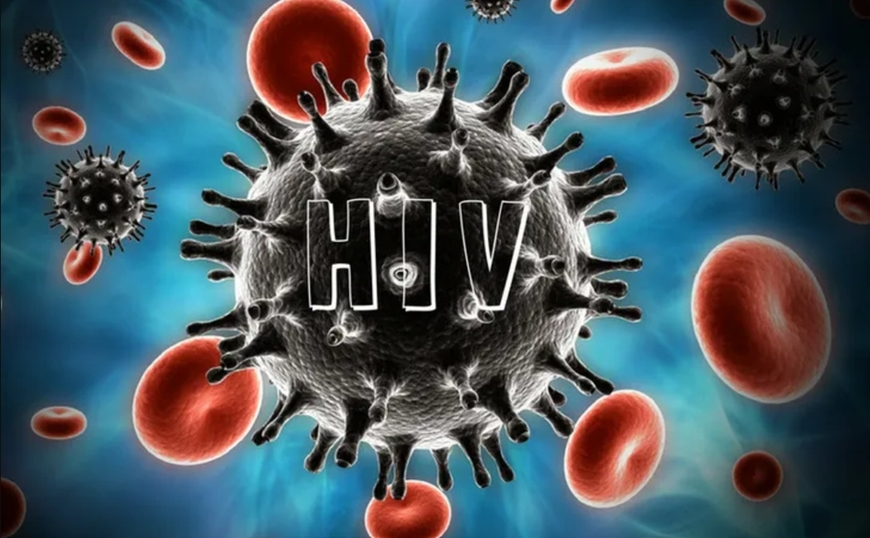
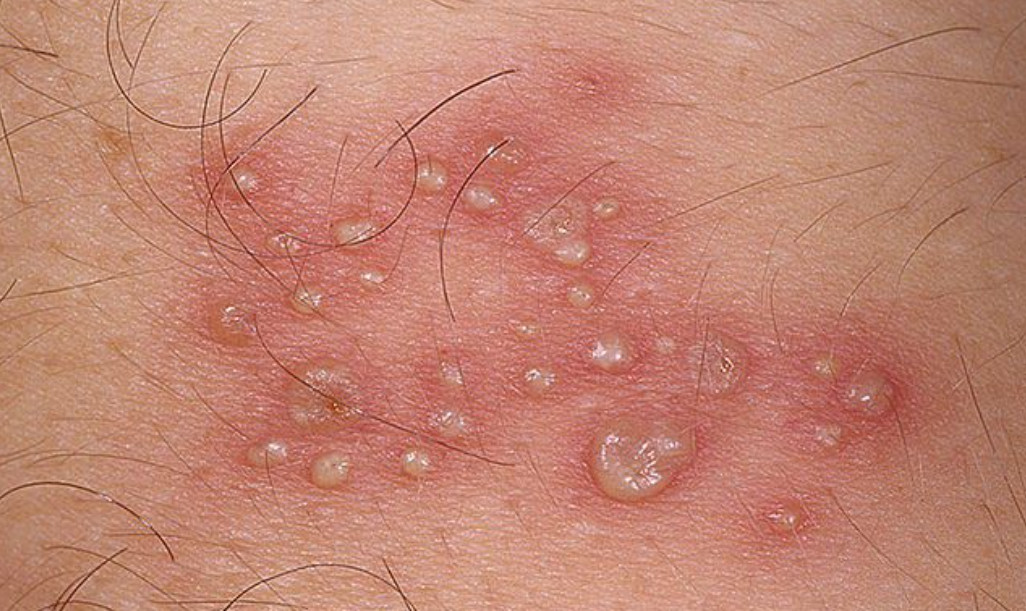
More than 20 STDs have been identified worldwide — including HPV warts, gonorrhea, syphilis, chlamydia, and HIV/AIDS. HIV remains incurable and is known as the “disease of the century.”
Untreated STDs can cause serious complications such as pelvic inflammatory disease, infertility, pregnancy complications, and certain types of cancer related to HPV infection.
3.2. Urinary Tract Infections (UTIs)
Unsafe sexual practices can lead to infections in the urinary system — including the bladder, kidneys, and urethra.
3.3. Unintended Pregnancy
Unprotected sex can result in unwanted pregnancies among young Gen Z women.

Early or unplanned pregnancies can cause emotional distress, lead to unsafe abortions, and negatively affect both physical and mental health — particularly when performed at unlicensed or low-quality medical facilities.
3.4. Psychological Trauma
Victims of sexual abuse or discrimination may experience post-traumatic stress, depression, anxiety, or substance dependence. Symptoms include intrusive memories, insomnia, hypervigilance, and emotional withdrawal — all of which require professional psychological support.
4. Recommendations for Gen Z
To protect both physical and emotional health, Gen Z should adopt safer and more responsible sexual behaviors:
- Practice safe sex: Always use protection (condoms, PrEP, etc.) to prevent STDs and unplanned pregnancy. Men should wear condoms from the start of intercourse until ejaculation.
- Be loyal to one partner: Multiple sexual partners increase the risk of infections and unintended pregnancy. A monogamous relationship promotes safer and healthier intimacy.

- Maintain hygiene: Clean the genital area before and after sex to reduce infection risks.
- Get regular checkups: Schedule periodic gynecological or andrological exams to screen for and treat STDs early.
- Vaccinate: Diseases like Hepatitis A, B, and HPV can be prevented through vaccination.
- Seek medical help: Visit trusted clinics or hospitals if you suspect infection or experience symptoms like unusual discharge, sores, rashes, or painful urination.
- Emergency contraception: If unprotected sex occurs or in cases of sexual assault, take emergency contraception and cleanse the genital area with a pH-balanced wash immediately.
5. Conclusion
Sexuality among Gen Z is complex and evolving — it requires understanding, education, and acceptance from both individuals and society. While the challenges are real, knowledge and timely medical support can empower young people to lead safer, more confident, and fulfilling sexual lives.
For consultation or inquiries, please contact:
📞 Men’s Health Pharmacy Hotline: 0911 161 161
🏥 Address: 7B/31 Thanh Thai Street, Dien Hong Ward, Ho Chi Minh City
(Formerly: 7B/31 Thanh Thai, Ward 14, District 10, Ho Chi Minh City)