
Men often pay attention to changes in their semen, and one of the most common concerns is watery semen. Seeing semen that appears thin, less viscous, or almost transparent can raise worries about fertility and reproductive health.
The good news is that watery semen does not necessarily indicate infertility. However, persistent changes in semen consistency may signal underlying health conditions or reduced semen quality that deserve medical evaluation.
In this article, we’ll explain what watery semen is, what causes it, whether it affects fertility, and how to improve semen quality naturally and medically.
What Is Watery Semen?
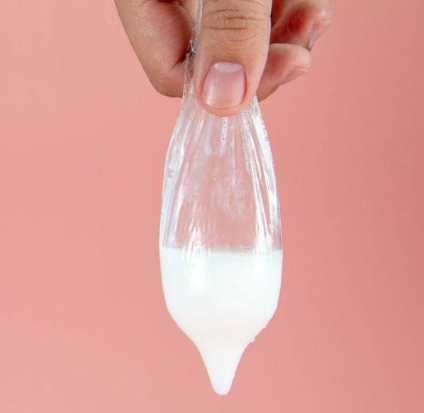
Normal semen is typically whitish-gray, slightly thick immediately after ejaculation, and liquefies within 15 to 60 minutes.
Watery semen refers to semen that appears:
- Thin or runny
- Less sticky than usual
- More transparent than normal
- Quick to liquefy after ejaculation
- Sometimes associated with reduced semen volume
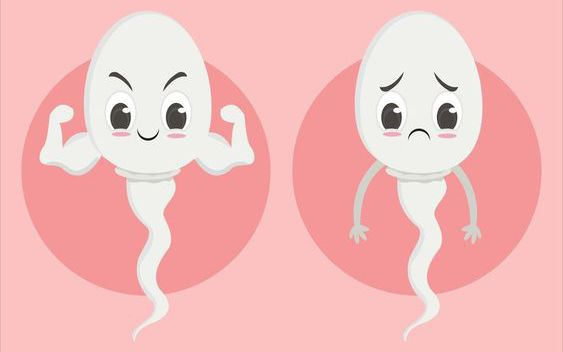
It’s important to understand that the appearance of semen alone cannot determine sperm quality. Some men with watery semen have completely normal fertility, while others with thicker semen may have poor sperm parameters.
The only reliable way to assess fertility is through a semen analysis.
Signs and Symptoms of Watery Semen
Men may notice several characteristics, including:
- Semen that flows like water
- Reduced viscosity
- Clear or pale white color
- Immediate liquefaction after ejaculation
- Lower semen volume
- Difficulty conceiving after regular unprotected intercourse
If these symptoms persist for several weeks or months, a consultation with a urologist or andrologist is recommended.
Common Causes of Watery Semen
1. Frequent Ejaculation
One of the most common causes of watery semen is ejaculating multiple times within a short period.
Frequent ejaculation may temporarily reduce sperm concentration because the body has insufficient time to replenish sperm production.
2. Low Sperm Count
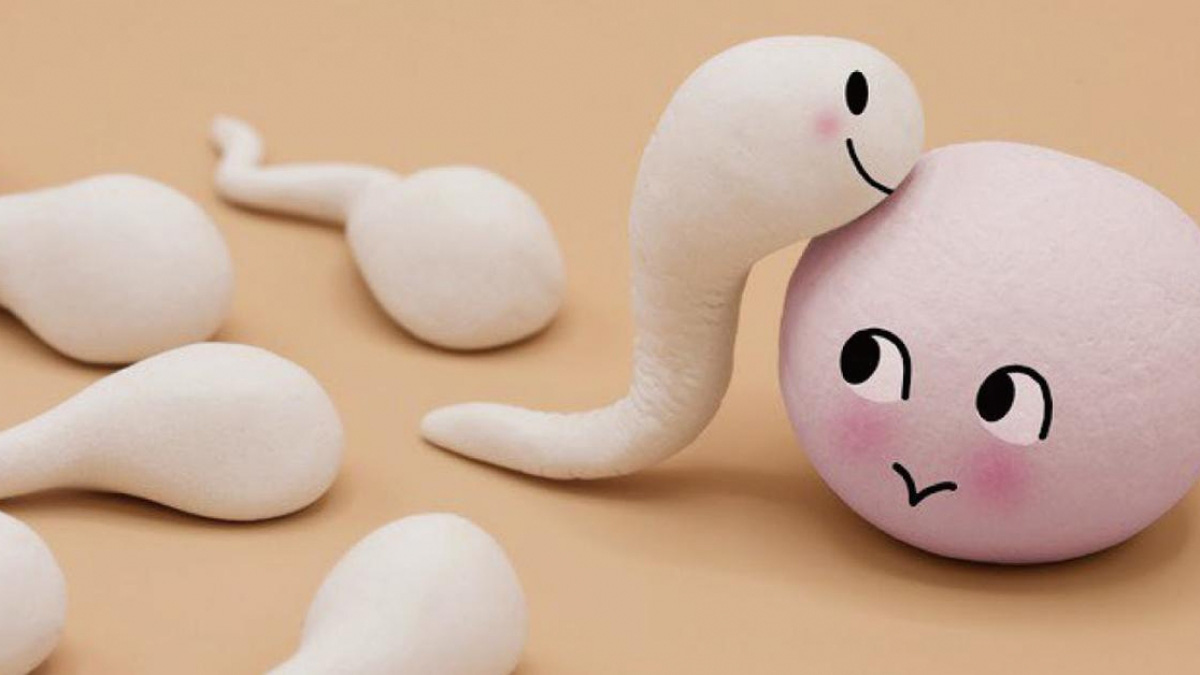
A reduced sperm concentration (oligospermia) can make semen appear thinner than usual.
Potential causes include:
- Hormonal imbalance
- Aging
- Genetic conditions
- Testicular injury
3. Varicocele
A varicocele is an enlargement of the veins within the scrotum.
This condition raises testicular temperature and may negatively affect:
- Sperm count
- Sperm motility
- Sperm morphology
Varicocele is one of the leading treatable causes of male infertility.
4. Nutritional Deficiencies
Several nutrients play essential roles in sperm production.
Deficiencies in the following may impair semen quality:
- Zinc
- Selenium
- Vitamin C
- Vitamin E
- Folate
A balanced diet supports healthy sperm development.
5. Infections of the Male Reproductive Tract
Inflammation or infection involving the reproductive organs can alter semen characteristics.
Common conditions include:
- Prostatitis
- Seminal vesicle infection
- Epididymitis
- Sexually transmitted infections (STIs)
Prompt diagnosis and treatment are essential to prevent long-term complications.
6. Unhealthy Lifestyle Habits
Several lifestyle factors may contribute to poor semen quality, including:
- Smoking
- Excessive alcohol consumption
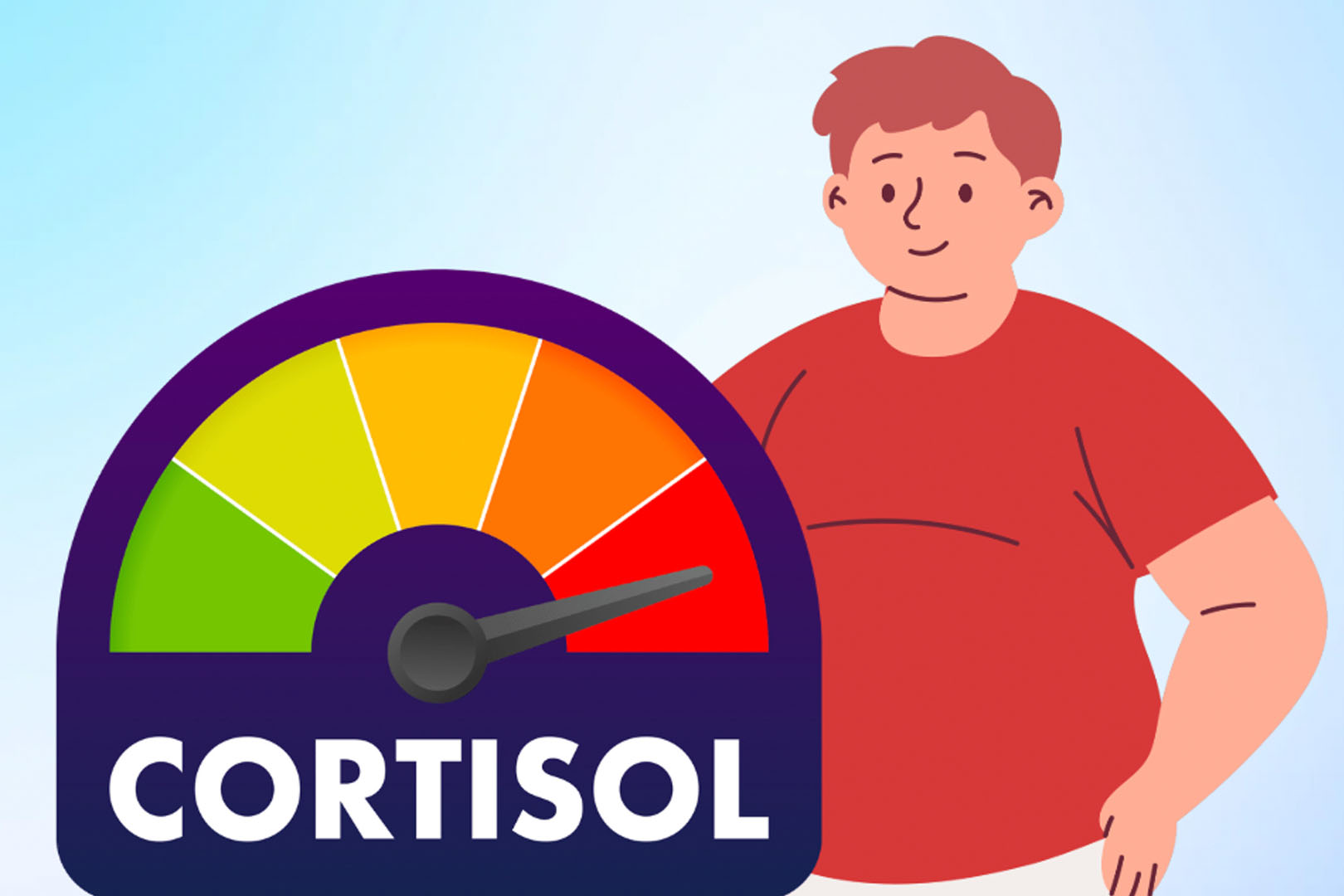
- Chronic stress
- Sleep deprivation
- Obesity
- Physical inactivity
- Frequent exposure to high temperatures (hot tubs, saunas, prolonged laptop use on the lap)
Does Watery Semen Cause Infertility?
Not necessarily.
Watery semen is a physical observation rather than a diagnosis.
Male fertility depends on multiple factors, including:
- Sperm concentration
- Sperm motility
- Sperm morphology
- Sperm vitality
- DNA integrity
Therefore, men should avoid self-diagnosing based solely on semen appearance.
A comprehensive semen analysis provides the most accurate assessment of fertility.
How to Improve Watery Semen Naturally
Eat a Fertility-Friendly Diet
Include foods rich in:
- Oysters
- Salmon
- Eggs
- Lean beef
- Nuts and seeds
- Leafy green vegetables
- Citrus fruits
These foods provide antioxidants and nutrients essential for sperm production.
Maintain a Healthy Weight
Excess body fat may disrupt hormone balance and reduce testosterone production.
Regular exercise and healthy eating help improve reproductive health.
Quit Smoking and Limit Alcohol
Both tobacco and excessive alcohol have been linked to poorer sperm quality and reduced fertility.
Reducing these habits may improve semen parameters over time.
Get Enough Sleep
Aim for 7–9 hours of quality sleep each night.
Healthy sleep patterns support testosterone production and sperm development.
Exercise Regularly
Moderate physical activity improves circulation, hormone balance, and overall reproductive health.
Recommended activities include:
- Walking
- Jogging
- Swimming
- Strength training
Aim for at least 150 minutes of exercise per week.
Avoid Self-Medicating
Many supplements marketed for male fertility lack strong scientific evidence.
Always consult a healthcare professional before taking fertility supplements or hormone-related medications.
How Is Watery Semen Diagnosed?
Your healthcare provider may recommend:
- Physical examination
- Semen analysis
- Scrotal ultrasound
- Hormone testing
- Infection screening
- Additional fertility evaluations if necessary
These tests help identify the underlying cause and determine the most appropriate treatment plan.
Frequently Asked Questions
Can watery semen return to normal?
Yes. If the condition is caused by frequent ejaculation, temporary illness, or lifestyle factors, semen consistency often improves after appropriate changes.
However, persistent symptoms should be evaluated by a healthcare provider.
Can you get someone pregnant with watery semen?
Yes.
Many men with watery semen are still fertile.
Pregnancy depends on sperm quality rather than semen thickness alone.
Is watery semen always a sign of low sperm count?
No.
Some men with watery semen have completely normal sperm counts, while others may have abnormalities.
Only a laboratory semen analysis can provide a definitive answer.

Conclusion
Watery semen is relatively common and is not always a sign of infertility. While temporary lifestyle factors can influence semen consistency, persistent watery semen may indicate an underlying reproductive or medical condition.
Maintaining a healthy lifestyle, addressing nutritional deficiencies, and seeking medical evaluation when necessary can help optimize sperm quality and improve reproductive health.
If you notice ongoing changes in your semen or experience fertility concerns, consult a qualified healthcare professional for a comprehensive evaluation.
If you’re looking for trusted solutions to support your men’s health, visit Men’s Health Andrology Pharmacy at 7B/31 Thanh Thai Street, Dien Hong Ward, Ho Chi Minh City, Vietnam. Our experienced pharmacists are here to provide professional consultation and personalized support tailored to your needs.
📞 Free Consultation Hotline: +84 911 161 161
🌐 Website: nhathuocnamkhoa.com