

As an expat living in Vietnam, maintaining your health can sometimes feel challenging amid a new environment, different healthcare systems, and varying access to familiar medical practices. Prostate cancer remains one of the most common cancers affecting men worldwide, and early detection through screening is a key strategy for many. The Prostate-Specific Antigen (PSA) test is the primary blood test used for prostate cancer screening. It measures levels of PSA, a protein produced by prostate cells, in your blood. Elevated PSA can indicate prostate issues, including cancer, but it’s far from a definitive diagnosis.
For expats in Vietnam—whether long-term residents in Hanoi or Ho Chi Minh City, or short-term visitors—understanding PSA testing is especially relevant. Prostate cancer incidence appears lower in Asian populations compared to Western countries, but rates are rising with lifestyle changes, aging populations, and increased awareness. In Vietnam, hospital-based screening often uses PSA thresholds (typically >4 ng/mL) to guide further evaluation, particularly for men with lower urinary tract symptoms. International clinics in major cities offer PSA testing as part of routine men’s health check-ups, often aligned with global guidelines.
This article explains what the PSA test involves, its benefits and limitations, current recommendations (as of late 2025), special considerations for expats in Vietnam, and when to seek care locally.

What Is the PSA Test and How Does It Work?
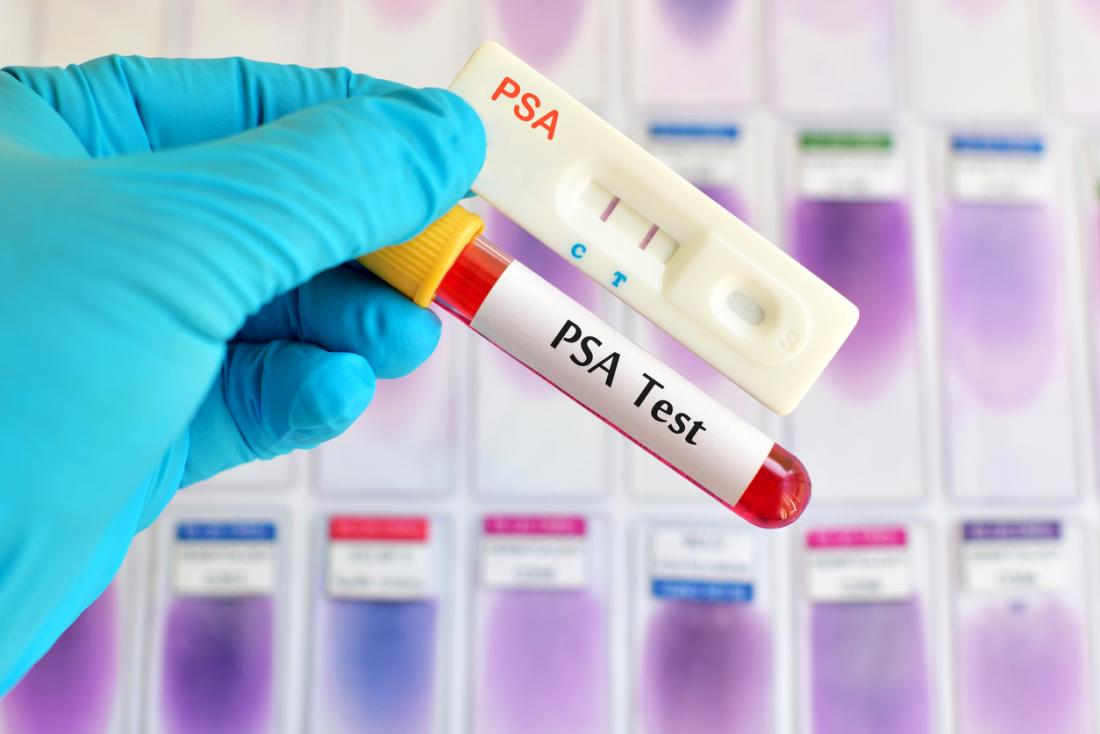
The PSA test is a simple blood draw, usually done at a lab or clinic. No special preparation is needed, though some doctors advise avoiding ejaculation, vigorous bike riding, or prostate exams for 48 hours beforehand, as these can temporarily elevate levels.
Normal PSA ranges vary by age:
- Under 50: Typically <2.5 ng/mL
- 50–59: <3.5 ng/mL
- 60–69: <4.5 ng/mL
- Over 70: Higher levels may be normal due to benign enlargement
In Vietnam and many Asian contexts, a cutoff of 4 ng/mL is commonly used to prompt further checks, consistent with Ministry of Health guidelines for symptomatic men. However, guidelines from bodies like the American Urological Association (AUA) and European Association of Urology emphasize that there’s no universal “normal” threshold—PSA is interpreted in context with age, race, family history, and other factors.
Benefits of PSA Testing for Prostate Cancer Screening
The main potential benefit is early detection. Prostate cancer often grows slowly and may not cause symptoms until advanced stages. Screening can identify tumors when they’re localized and more treatable, potentially reducing the risk of metastatic disease.
Evidence from large trials (like the European Randomized Study of Screening for Prostate Cancer) suggests PSA screening may prevent about 1 prostate cancer death per 1,000 men screened over 10–13 years. For expats in their 50s–60s with a life expectancy of 10+ years, this could translate to meaningful risk reduction if you’re at average or higher risk.
In Vietnam, where access to advanced treatments like robotic surgery may vary, early detection allows more options—active surveillance for low-risk cases or targeted therapies at international facilities.

Risks and Limitations: False Positives, Overdiagnosis, and More
Despite its value, PSA testing has well-documented downsides:
- False positives: Elevated PSA doesn’t always mean cancer. Common causes include benign prostatic hyperplasia (BPH/enlarged prostate), prostatitis (inflammation), urinary tract infections, recent ejaculation, or even vigorous exercise. False-positive rates can reach 60–75% in screening rounds, leading to unnecessary anxiety and follow-up tests like biopsies.
- Biopsy risks: A positive PSA often leads to transrectal ultrasound-guided biopsy. Complications include infection (sometimes serious), bleeding, pain, and rarely sepsis.
- Overdiagnosis and overtreatment: Many detected cancers are low-grade and slow-growing (Gleason 6 or less), unlikely to cause harm in a man’s lifetime. Yet, diagnosis can trigger aggressive treatments—surgery or radiation—with side effects like urinary incontinence, erectile dysfunction, or bowel issues.
- False negatives: PSA can miss aggressive cancers, especially in men with low PSA but high-risk features.
Current major guidelines reflect this balance:
- USPSTF (U.S.): For men 55–69, individual decision after discussing benefits/harms (Grade C). Against routine screening for 70+ (Grade D).
- AUA/SUO (2023 update): Offer baseline PSA at 45–50; regular screening every 2–4 years for 50–69; earlier (40–45) for high-risk groups (Black ancestry, strong family history, BRCA mutations).
- NCCN (2025): Shared decision-making, with risk-adapted intervals.
- In Vietnam: Hospital-based approaches often combine PSA with symptoms (e.g., I-PSS score) and age for selective screening, reducing unnecessary biopsies.
Expats should discuss these with a doctor familiar with both international standards and local practices.
Special Considerations for Expats in Vietnam
Vietnam’s healthcare landscape offers excellent options for expats, particularly in urban areas:
- International hospitals (FV Hospital, Vinmec, Raffles Medical, Family Medical Practice) provide PSA testing, English-speaking urologists, and often packages including PSA + consultation + ultrasound.
- Costs are reasonable: A basic PSA test might run 500,000–1,000,000 VND (~$20–40 USD), with full screening packages 2–5 million VND.
- Access to advanced diagnostics (mpMRI before biopsy, fusion biopsy) is growing in major cities, aligning with global best practices to reduce unnecessary procedures.
Challenges include:
- Language barriers in public hospitals.
- Variable insurance coverage—check if your international plan covers preventive screening.
- Cultural factors: Prostate issues may be under-discussed, but expat communities and clinics make it straightforward.
If you’re over 50, have family history, African ancestry, or symptoms (urinary frequency, weak stream, blood in urine/semen), consider baseline screening. High-risk men may start earlier.

When to Get Tested and What Comes Next
Discuss PSA screening during a routine check-up. If elevated:
- Repeat the test (many elevations are transient).
- Consider additional tools: Free/total PSA ratio, PSA density, or mpMRI to refine risk.
- Biopsy only if indicated—modern approaches prioritize avoiding unnecessary ones.
For low-risk findings, active surveillance (monitoring without immediate treatment) is often appropriate.
Final Thoughts and Recommendation
PSA testing isn’t a simple “yes/no” for everyone—it’s a tool best used through shared decision-making with a knowledgeable doctor. For expats in Vietnam, the key is accessing quality care that respects both global evidence and your personal health context. Early awareness can make a real difference, but avoiding over-testing is equally important.
If you’re concerned about prostate health or ready for screening, consider visiting Men’s Health Center at menhealth.vn. They specialize in men’s urological and andrological care, with experienced doctors offering discreet, English-friendly consultations, PSA testing, and comprehensive evaluations tailored for expats. Their focus on evidence-based approaches ensures you get balanced advice without unnecessary procedures.