
Why Energy Production Matters for Men’s Health
Many biological processes in the human body rely heavily on cellular energy. Organs such as the heart, muscles, and reproductive system require large amounts of energy to function properly.
In men, cellular energy is particularly important for:
- physical performance
- metabolic health
- reproductive function.
One compound that plays a central role in energy metabolism is Coenzyme Q10 (CoQ10).
What Is Coenzyme Q10?
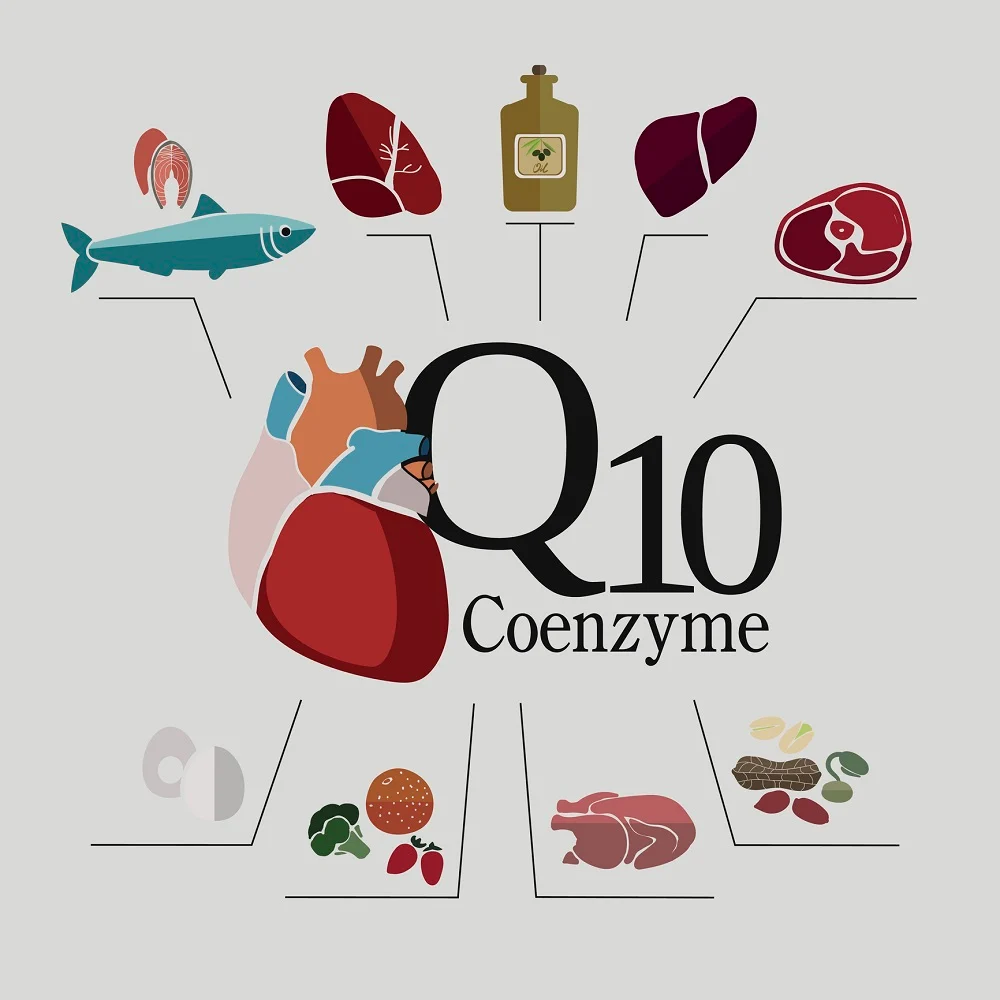
Coenzyme Q10 is a naturally occurring substance found in nearly every cell of the body.
Its primary function is to help mitochondria produce adenosine triphosphate (ATP), the molecule that stores and transfers energy within cells.
Because of this role, CoQ10 is often associated with:
- energy production
- cardiovascular health
- antioxidant protection.
The highest concentrations of CoQ10 are typically found in organs that require large amounts of energy, including the heart, liver, kidneys, and muscles.
CoQ10 and Antioxidant Protection
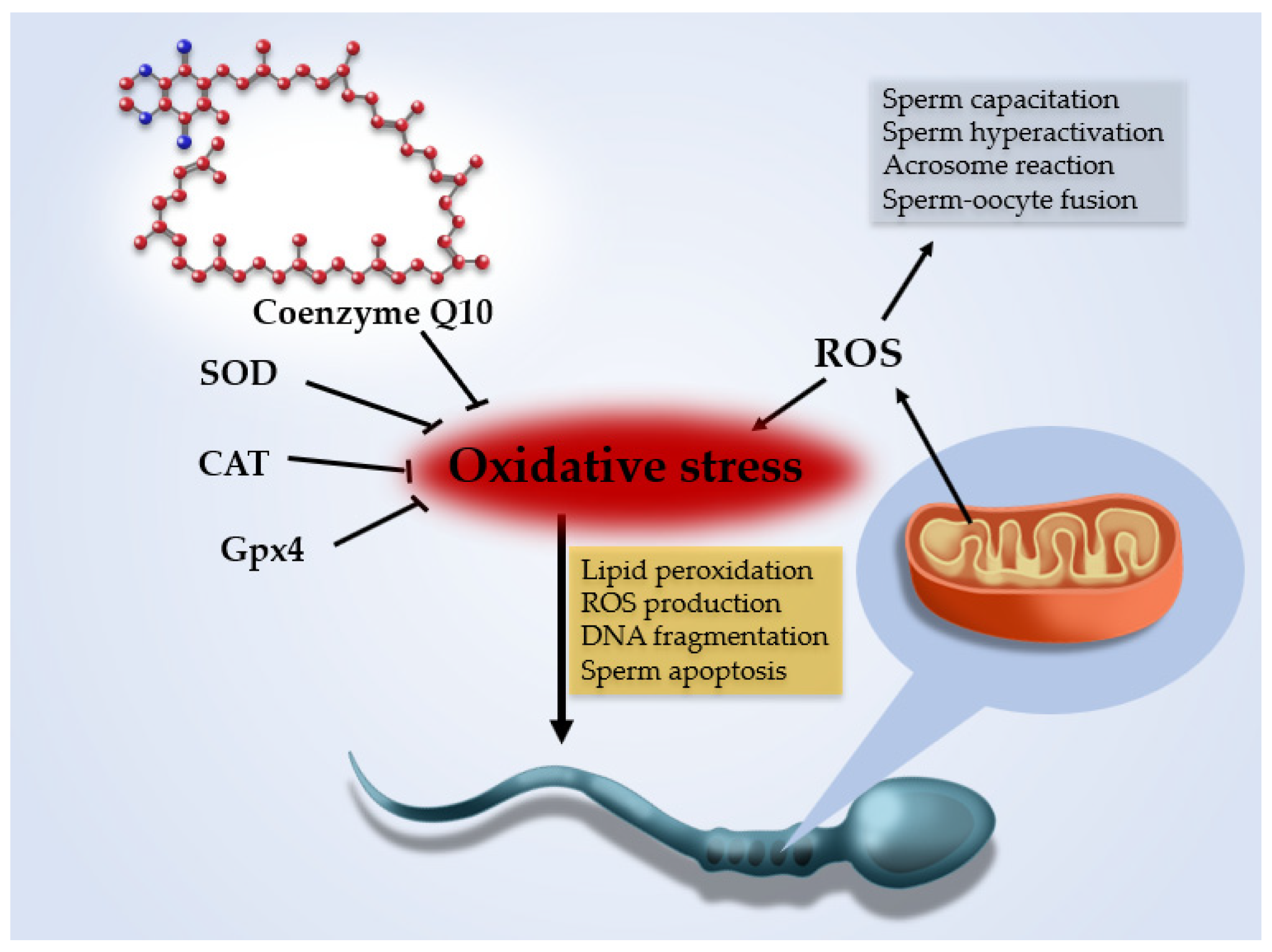
In addition to energy production, CoQ10 also acts as an antioxidant.
Antioxidants help neutralize free radicals, unstable molecules that can damage cells and contribute to oxidative stress.
Oxidative stress has been linked to various health issues, including:
- cardiovascular conditions
- fatigue
- age-related cellular decline.
Maintaining adequate antioxidant defenses is therefore important for overall health.
Why CoQ10 May Be Important for Male Reproductive Health
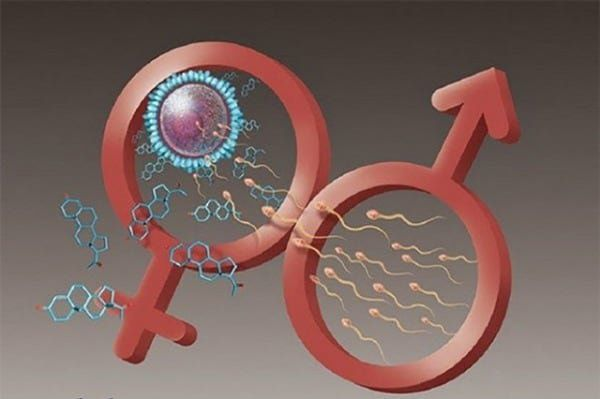
Male reproductive cells are highly dependent on energy metabolism.
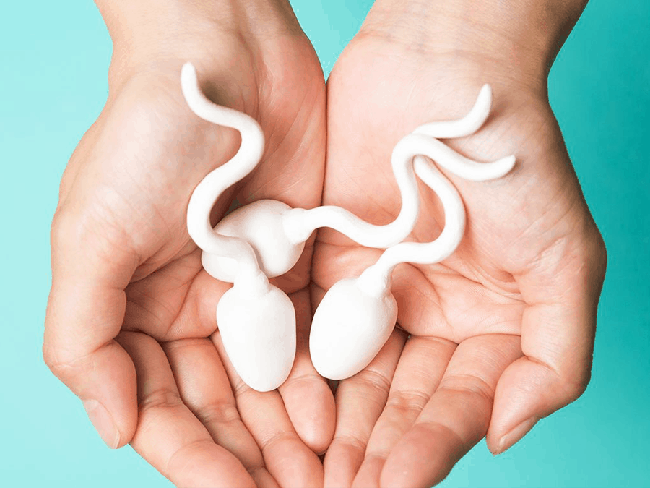
Sperm cells require a significant amount of energy to move efficiently toward the egg. This energy is generated in the mitochondria located in the midpiece of the sperm cell.
Because CoQ10 supports mitochondrial energy production, researchers have explored its potential role in sperm function.
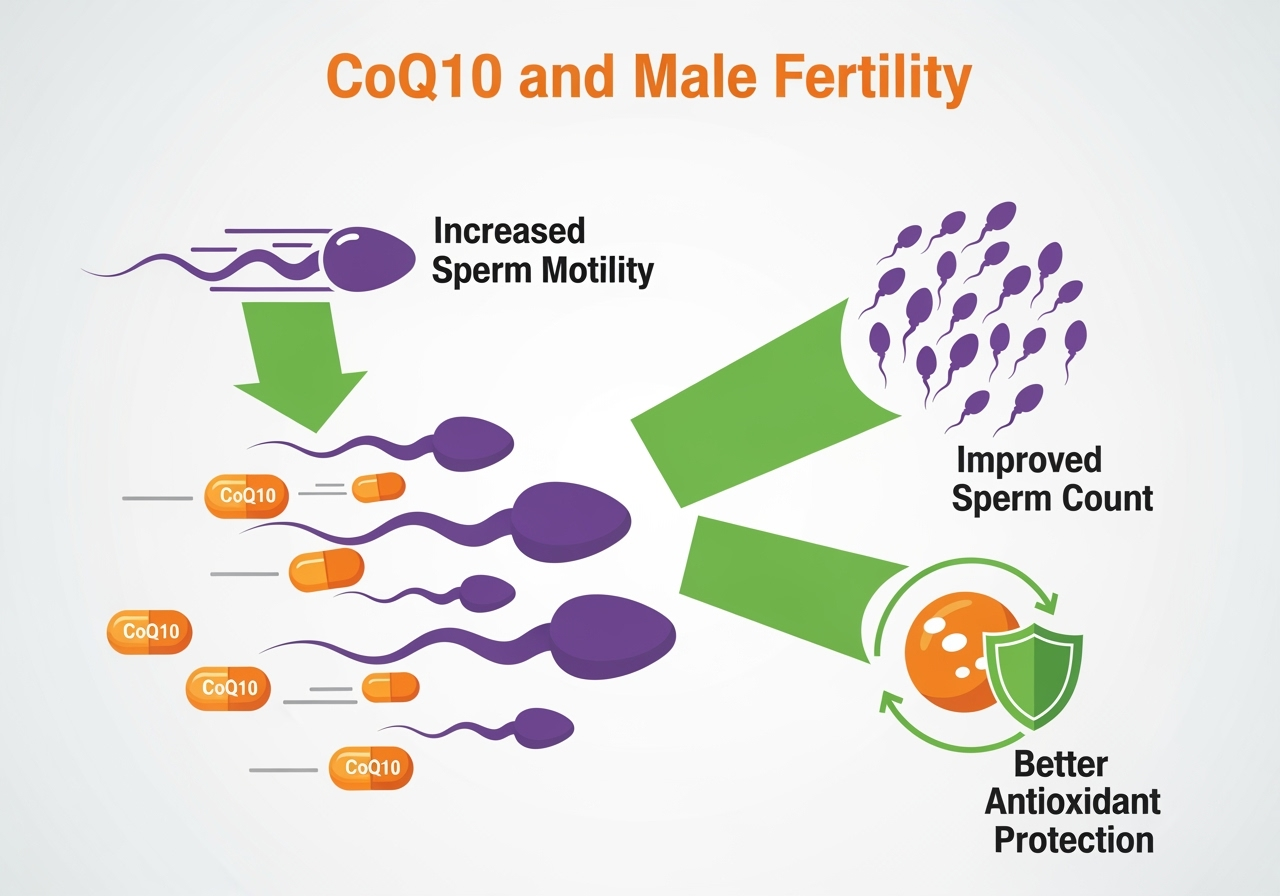
Some studies suggest that adequate levels of CoQ10 may be associated with:
- improved sperm motility
- enhanced antioxidant protection in semen.
Although more research is needed, these findings have led to increasing interest in CoQ10 as a nutritional component of male reproductive health.
Why CoQ10 Levels May Decline
Several factors can influence the body’s natural CoQ10 levels.
These include:
- aging
- chronic stress
- certain medications
- inadequate dietary intake.
When CoQ10 levels decrease, cellular energy production may become less efficient.
This is one reason why some individuals choose to supplement with CoQ10.
Dietary Sources of CoQ10
Small amounts of CoQ10 can be obtained through food.
Examples include:
- oily fish
- organ meats
- nuts and seeds
- whole grains.
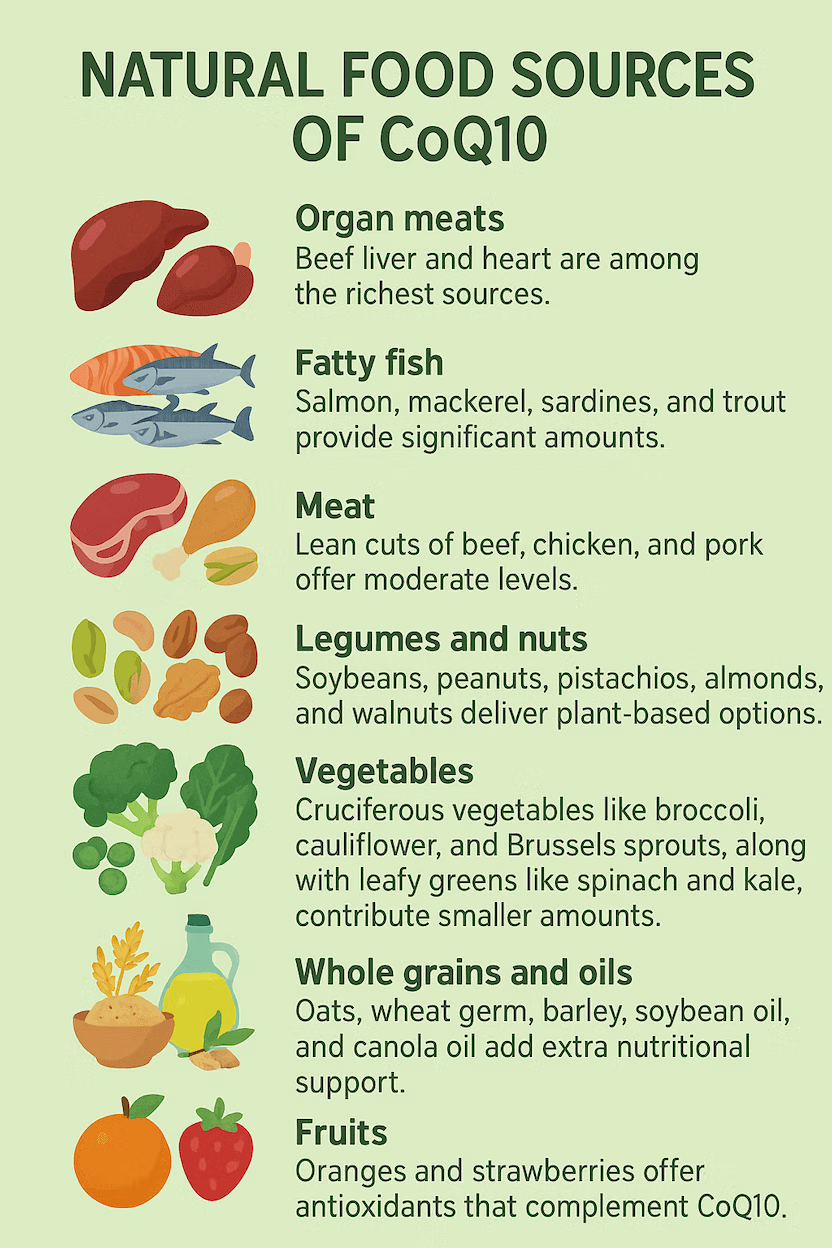
However, the amounts present in food are relatively low compared with the levels used in nutritional supplementation.
CoQ10 Supplements: An Example
Several supplements provide CoQ10 in concentrated form.
One example is Bio-Quinone Q10 Gold, a CoQ10 supplement developed by Pharma Nord. The product contains 100 mg of Coenzyme Q10 dissolved in oil, a formulation designed to support absorption of this fat-soluble nutrient.
Because CoQ10 plays a role in cellular energy metabolism, supplements such as Bio-Quinone Q10 Gold are often used as part of nutritional strategies aimed at supporting:
- energy production
- antioxidant protection
- overall vitality.
Supporting Energy and Health Through Lifestyle
While nutrients such as CoQ10 can support cellular function, lifestyle factors remain equally important.
Maintaining overall health involves:
- balanced nutrition
- regular exercise
- adequate sleep
- stress management.
These factors work together to support cellular energy metabolism and overall well-being.
Final Thoughts
Coenzyme Q10 is an essential compound involved in cellular energy production and antioxidant protection. Because many organs in the body depend on efficient energy metabolism, maintaining adequate levels of this nutrient is important for overall health.
Interest in CoQ10 has grown in areas ranging from cardiovascular health to male reproductive wellness. While supplements may provide additional nutritional support, they should be considered part of a broader approach that includes healthy lifestyle habits and professional guidance when needed.