
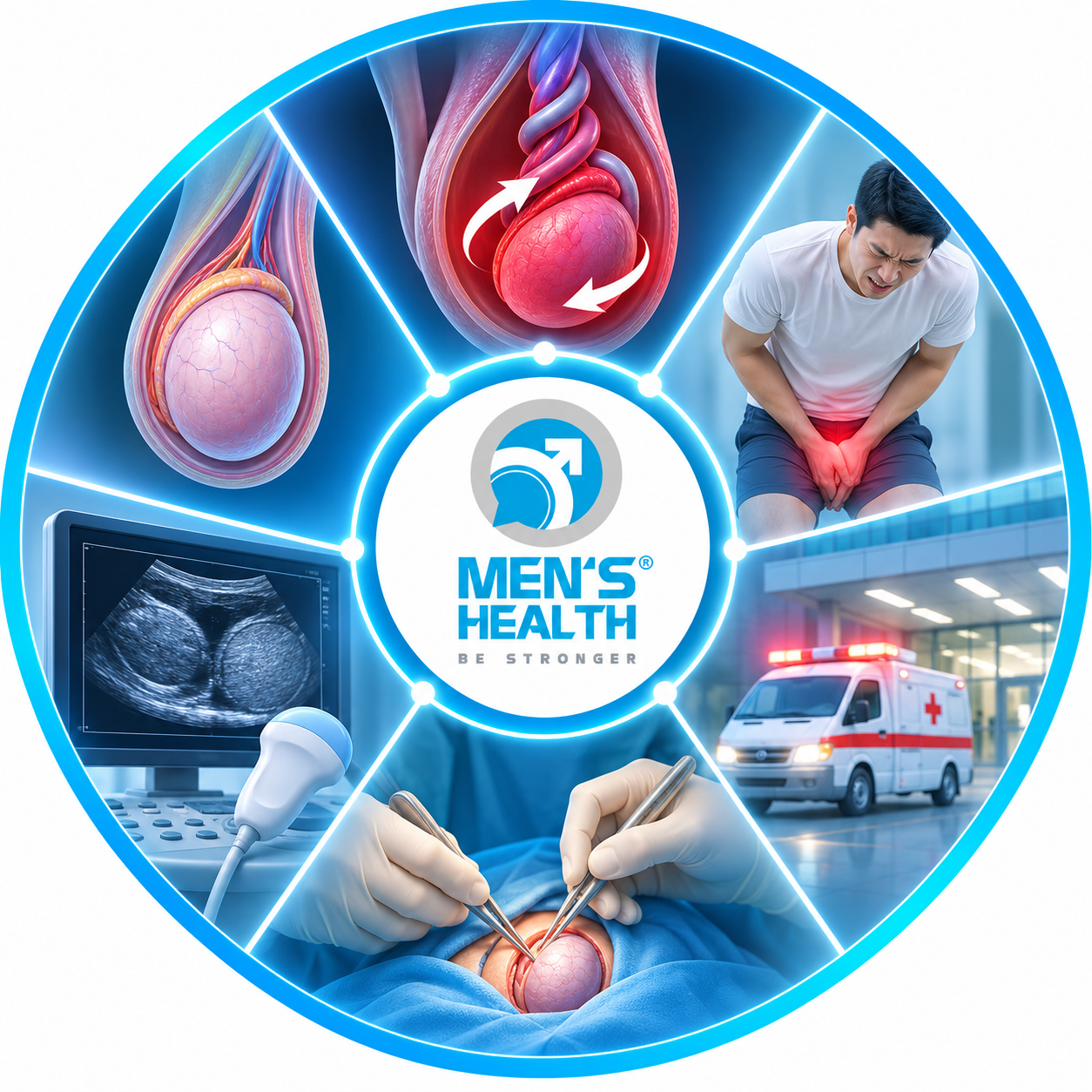
Testicular torsion is a time-critical surgical emergency characterized by the sudden twisting of the spermatic cord, which cuts off testicular blood supply and threatens tissue viability. Recognizing cardinal red flag signs within the initial 6-hour golden window is essential to prevent permanent ischemia, necrosis, and loss of reproductive function.
1. Introduction and Pathophysiological Mechanisms of Testicular Torsion
What is Testicular Torsion?
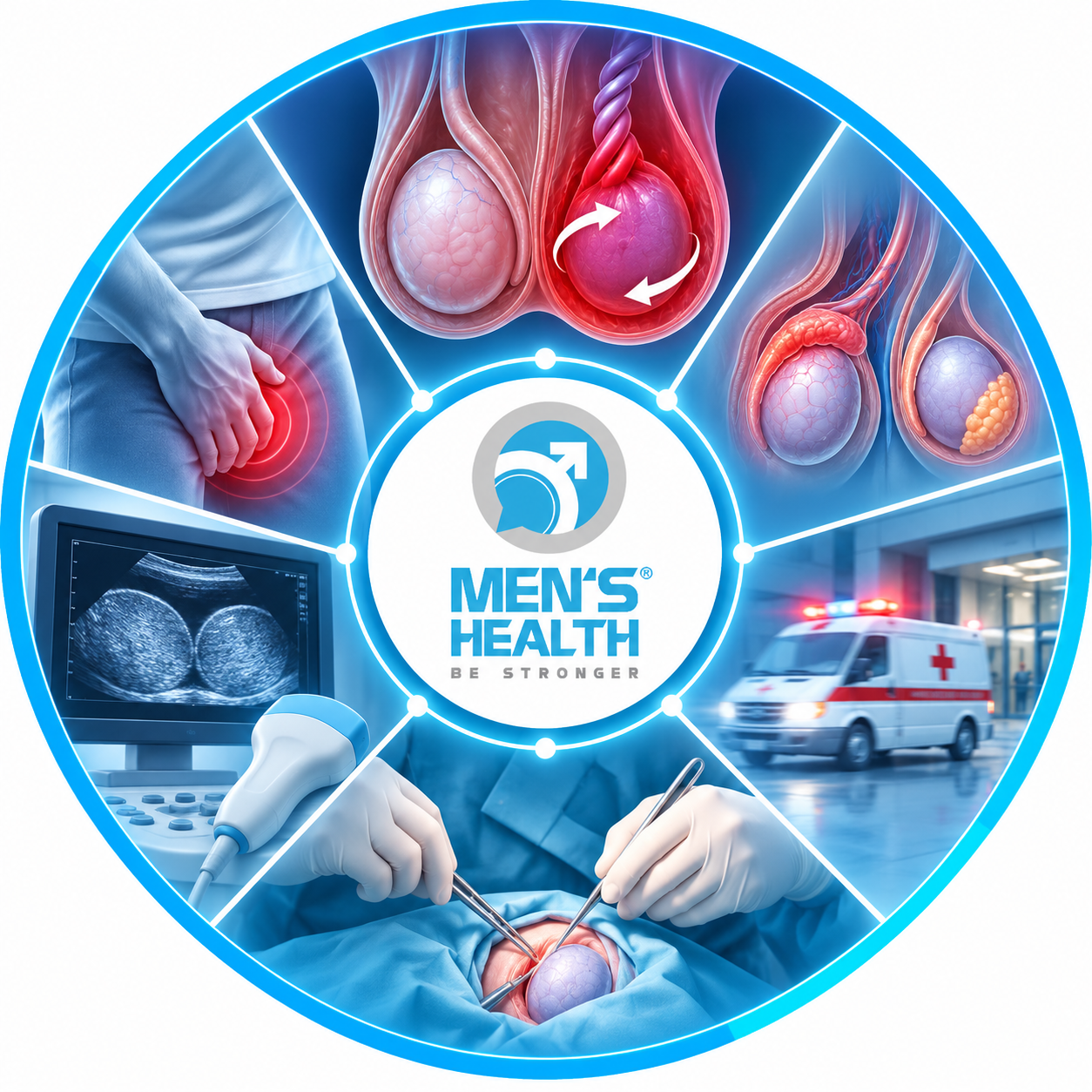
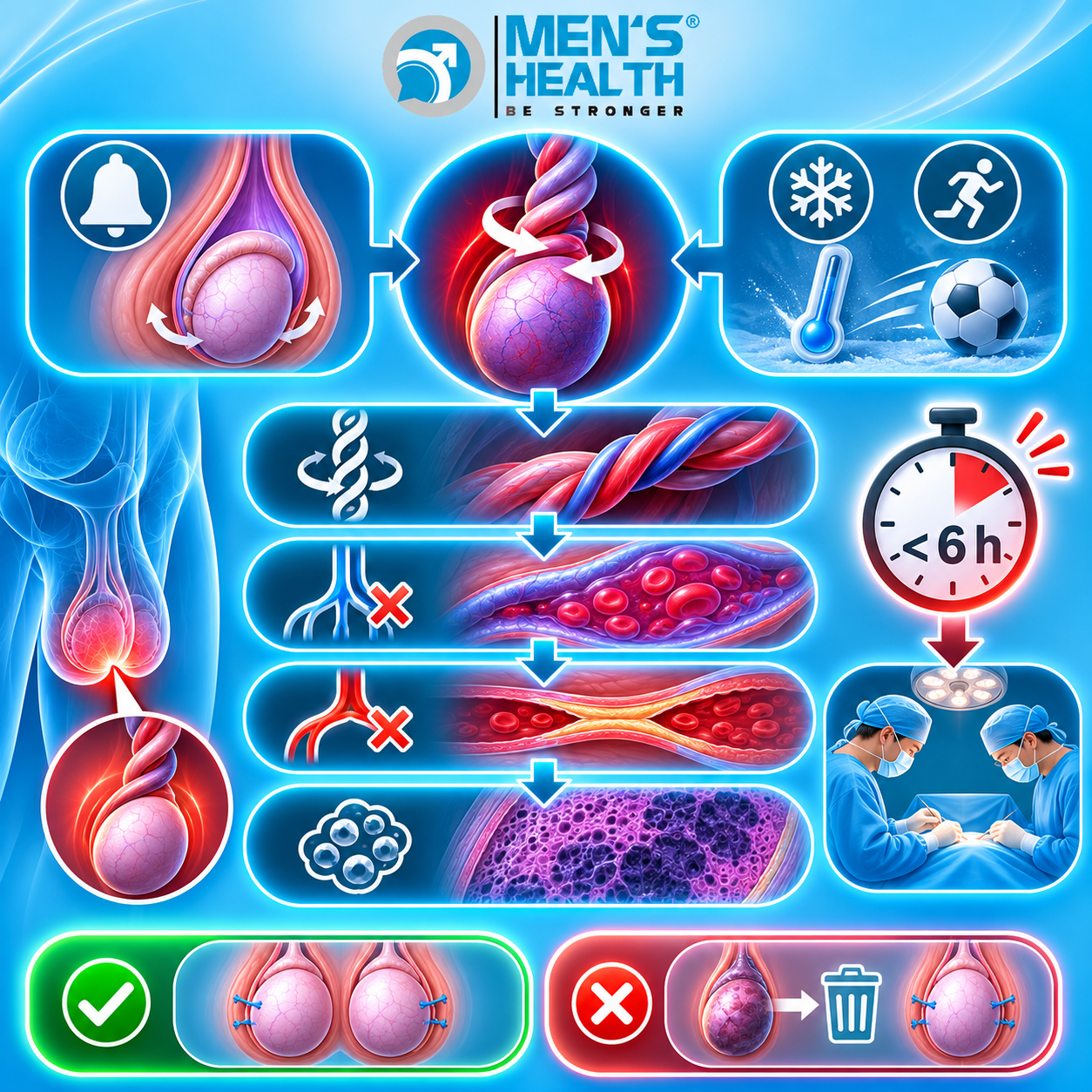
Testicular torsion occurs when the testicle rotates on the spermatic cord, twisting the testicular artery, veins, and vas deferens. This mechanical twisting interrupts arterial perfusion, leading rapidly to localized ischemia, hypoxia, and irreversible tissue necrosis if emergency surgical detorsion is not performed.
Pathophysiological Dynamics
The vascular architecture of the testis depends on precise hemodynamic flow. When the spermatic cord twists, venous outflow is obstructed first due to lower luminal pressure, generating severe congestion and interstitial edema. This increases intra-parenchymal pressure, which ultimately compresses arterial inflow. Prolonged ischemia triggers the release of reactive oxygen species (ROS), inflammatory cytokines, and cellular apoptosis within germ cells and Leydig cells.
2. Etiology and Predisposing Risk Factors
Testicular torsion is driven primarily by congenital anatomical variations that alter standard fixation within the scrotal sac.
Congenital and Anatomical Factors
- Bell-Clapper Deformity: The most prevalent congenital anomaly ( >90% of cases), characterized by the absence of normal posterior fixation of the tunica vaginalis. The testis hangs freely within the tunica cavity like the clapper of a bell, facilitating spontaneous rotation.
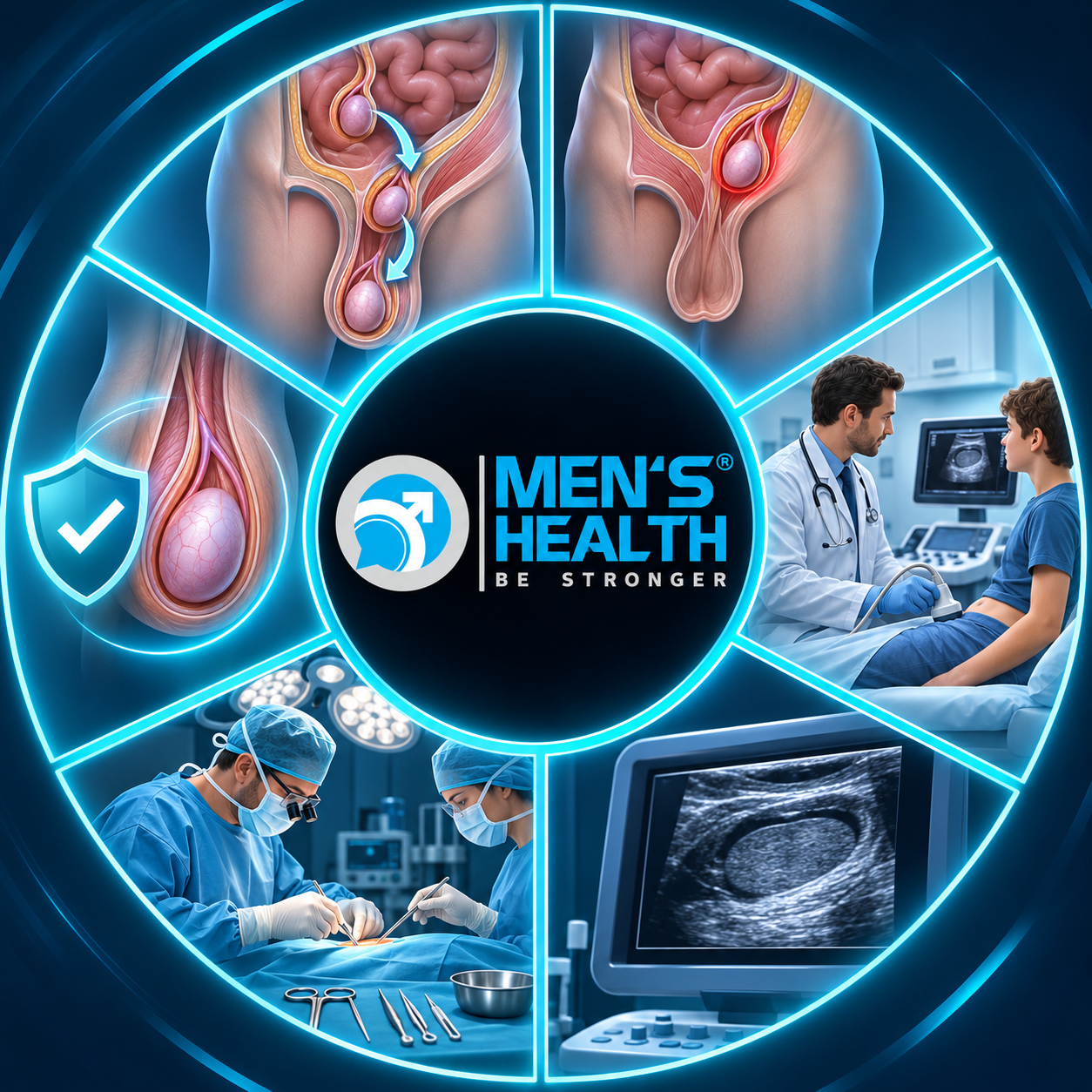
- Cryptorchidism (Undescended Testis): Undescended testes exhibit a significantly higher baseline incidence of structural malrotation and subsequent torsion.
Age Distribution and Physiological Triggers
- Adolescent Peak (12–18 Years): Rapid pubertal growth increases testicular mass, while heightened autonomic tone and vigorous cremasteric muscle contractions predispose the cord to twisting.
- Neonatal Torsion: Typically presents as extra-vaginal torsion occurring in utero or immediately postpartum before testicular fixation to the scrotal wall.
- Environmental Triggers: Sudden exposure to cold temperatures, minor physical trauma, athletic activity, or spontaneous movements during rapid eye movement (REM) sleep.
3. Red Flag Signs and Symptoms Requiring Emergency Intervention
Recognizing early warning signs is vital to prevent permanent tissue loss and protect long-term reproductive health.
Cardinal Clinical Manifestations
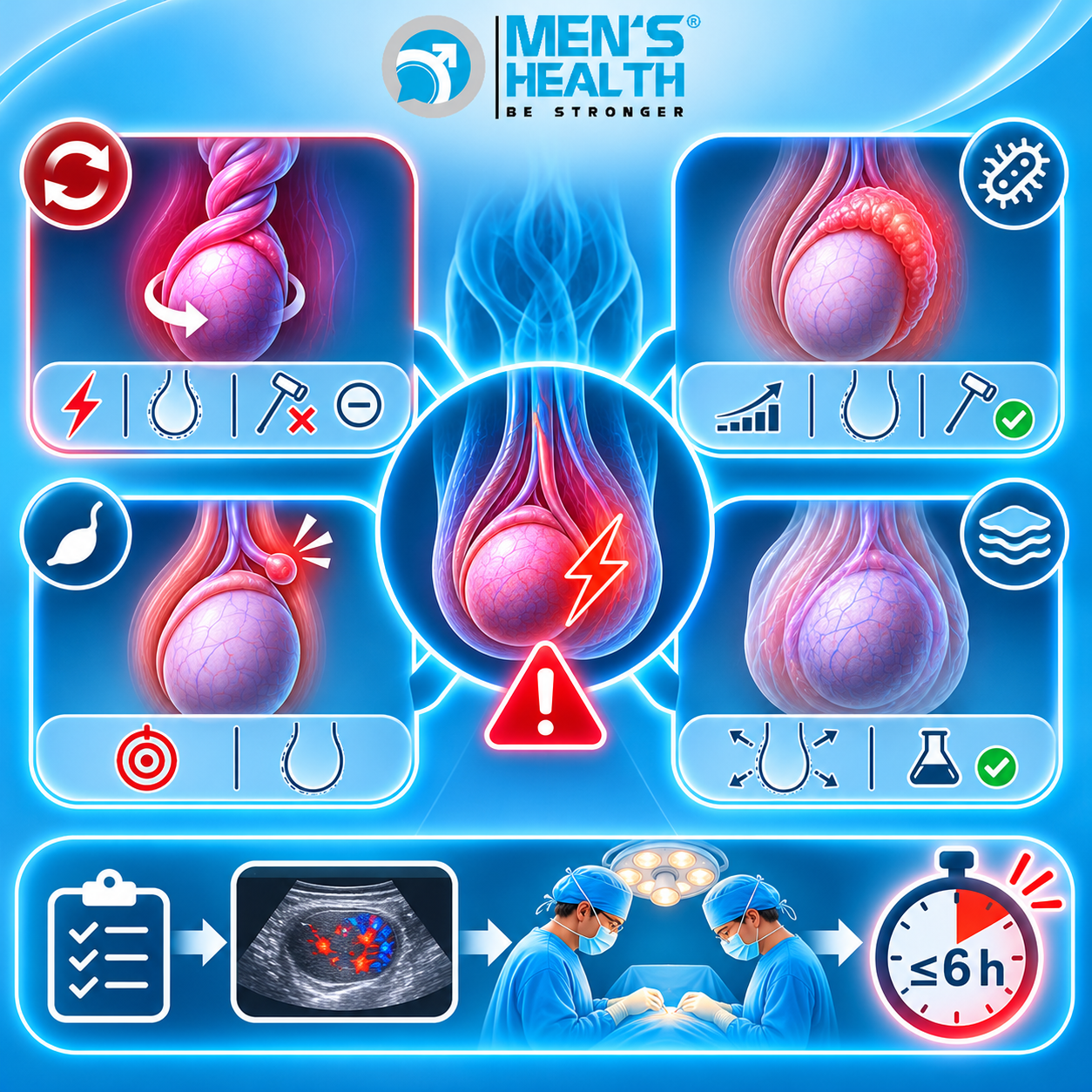
- Sudden, Severe Scrotal Pain: Rapidly progressive, sharp, and intense unilateral scrotal pain that frequently radiates along the inguinal canal to the lower abdomen.
- Scrotal Swelling and Discoloration: Rapid development of scrotal edema, warmth, erythema, or dark violaceous discoloration.
- High-Riding Transverse Testis: The affected testis is mechanically pulled superiorly within the scrotal sac and often assumes an abnormal horizontal lie.
- Autonomic Symptoms: Nausea, vomiting, diaphoresis, and profound anxiety triggered by visceral nerve stimulation from acute ischemic pain.
Physical Examination Findings
- Absent Cremasteric Reflex: Stroking the ipsilateral inner thigh fails to elicit immediate upward contraction of the testis. This sign demonstrates high sensitivity in acute torsion evaluations.
- Negative Prehn’s Sign: Manual elevation of the scrotum fails to alleviate pain. In contrast, inflammatory conditions like epididymitis often show pain reduction upon elevation (Positive Prehn’s Sign).
4. Differential Diagnosis of the Acute Scrotum
Differentiating testicular torsion from other acute intrascrotal pathologies is vital to avoid diagnostic delays.
| Clinical Feature | Testicular Torsion | Epididymo-Orchitis | Torsion of Testicular Appendix |
| Peak Age | Adolescents (12–18 yr) | Young to middle-aged adults | Pre-pubertal children (7–12 yr) |
| Onset | Sudden, acute, severe | Gradual over 1–3 days | Subacute, localized |
| Cremasteric Reflex | Absent | Present | Present |
| Prehn’s Sign | Negative (No relief on elevation) | Positive (Relief on elevation) | Variable |
| Urinalysis | Typically normal | Pyuria / Bacteriuria common | Normal |
| Doppler Perfusion | Absent or severely reduced | Normal or hyperemic flow | Normal flow in testis |
5. Comprehensive Diagnostic Protocols
When evaluating acute scrotal pain, clinical speed takes precedence. Diagnostic testing must never delay surgical exploration if torsion is clinically suspected.
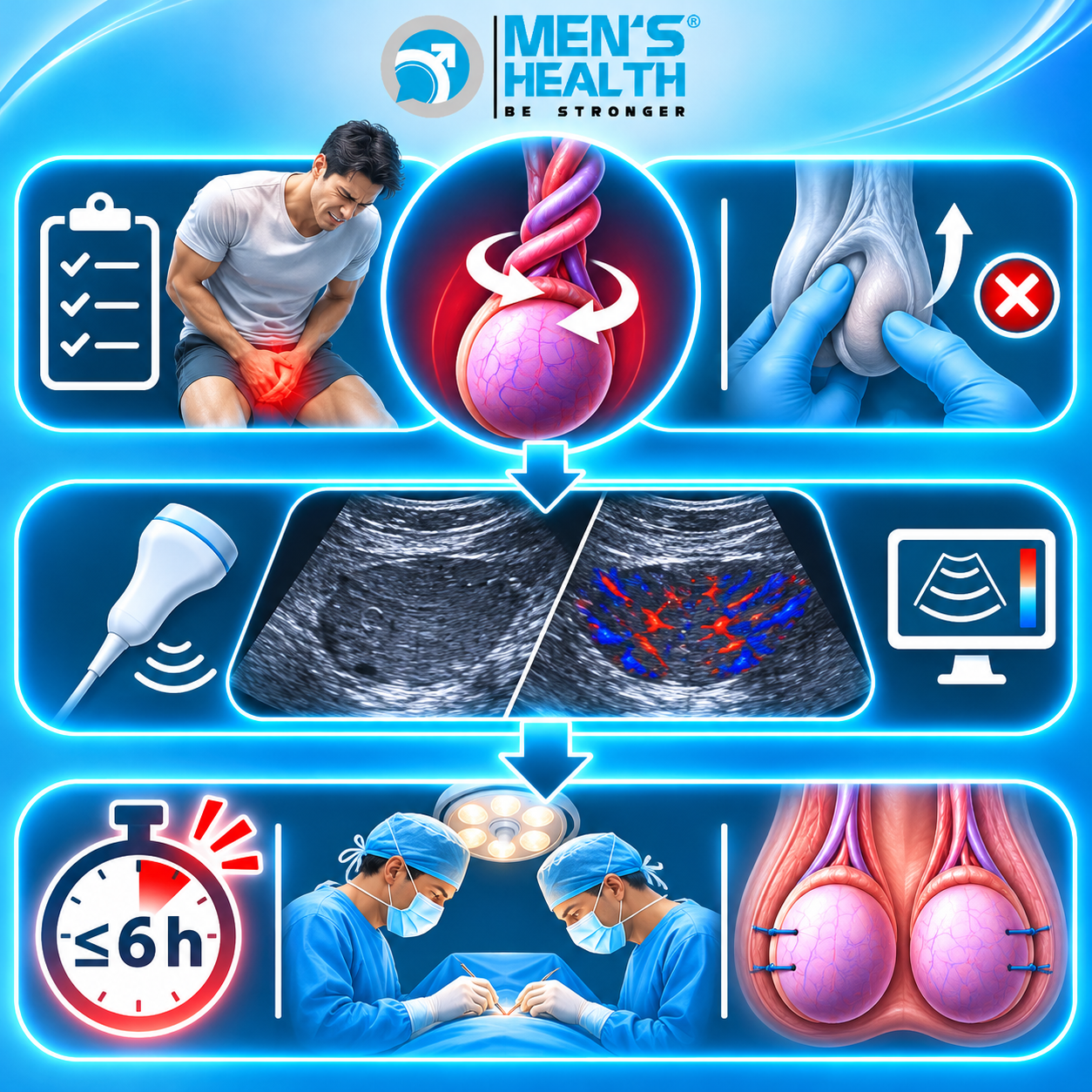
Color Doppler Ultrasound (CDUS)
- Diagnostic Objective: Evaluates intratesticular blood flow velocity and resistance indices.
- Key Findings: Complete absence or marked asymmetry of color flow signals in the affected testicular parenchyma compared to the contralateral side. High-resolution imaging may demonstrate the whirlpool sign of a twisted spermatic cord.
6. Treatment Framework and Emergency Surgical Intervention
Testicular torsion is a surgical emergency requiring immediate operative management.
Manual Detorsion
- Procedure: Performed in the emergency setting while preparing for surgery. The clinician manually rotates the testis (typically outward, following an “open the book” maneuver from medial to lateral) to temporarily restore blood flow.
- Clinical Role: Serves as a bridge to surgery; surgical exploration and bilateral orchiopexy remain mandatory regardless of manual detorsion success.
Emergency Surgical Exploration and Orchiopexy
- Surgical Approach: A scrotal or inguinal incision is made to expose the affected spermatic cord and testis.
- Detorsion and Viability Assessment: The cord is untwisted, and the testis is wrapped in warm, saline-moistened gauze for 15 to 20 minutes to assess microvascular reperfusion.
- Bilateral Orchiopexy: If the testis regains healthy coloration and bleeding, it is permanently secured to the dartos fascia using non-absorbable sutures. Because anatomical malformations are bilateral, prophylactic contralateral orchiopexy is performed simultaneously.
- Orchiectomy: If prolonged ischemia (>24 hours) leads to irreversible dark-black necrosis without vascular recovery, orchiectomy is performed to prevent systemic inflammatory reactions and anti-sperm antibody formation.
7. Impact on Male Reproductive Function
Recovery and Preservation
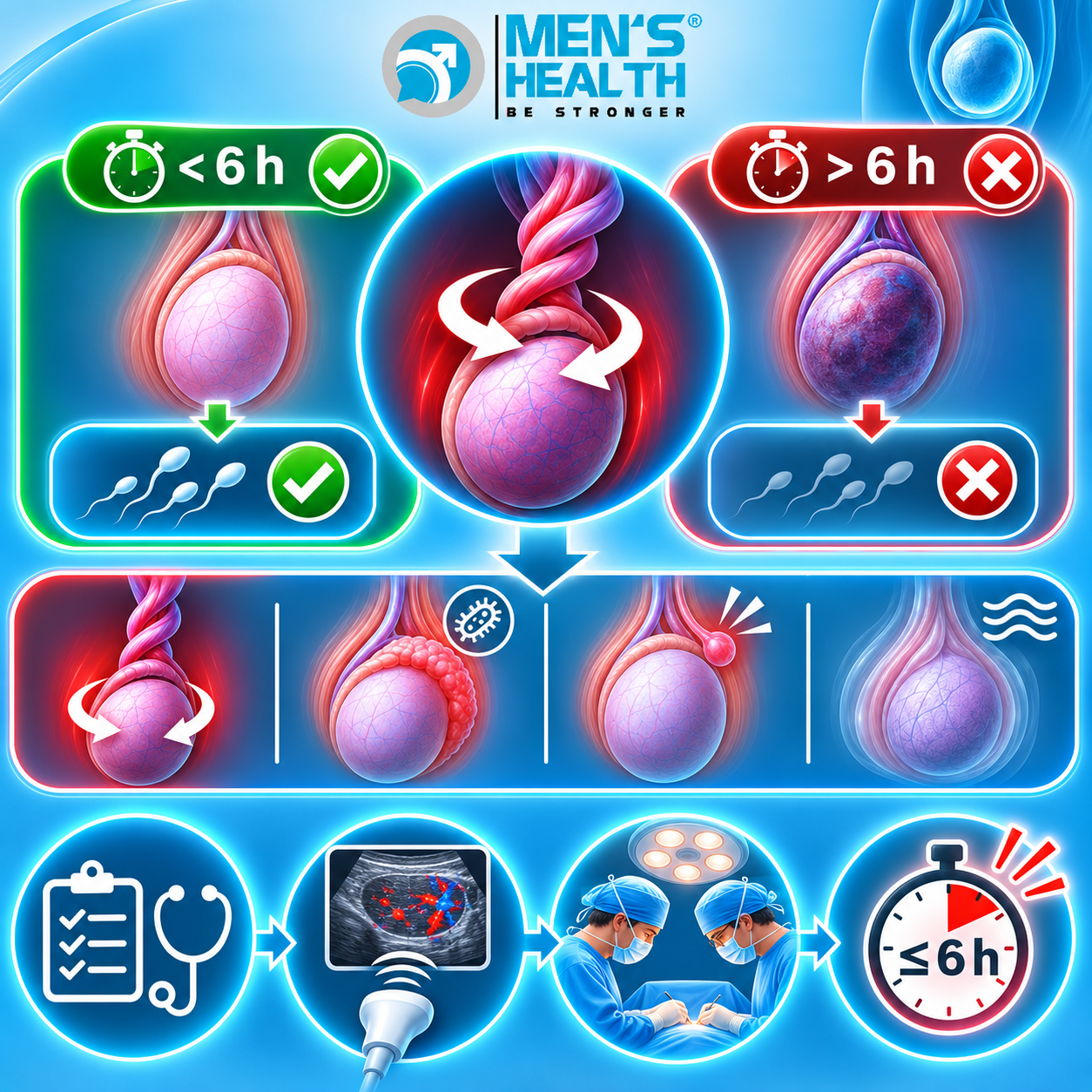
- Early Intervention (<6 Hours): Preserves normal endocrine (testosterone production) and exocrine (spermatogenesis) functions, ensuring normal long-term fertility.
- Unilateral Orchiectomy: The contralateral testis undergoes compensatory hypertrophy, maintaining adequate testosterone levels and sufficient sperm production for natural conception.
- Immunological Considerations: Severe, untreated ischemia can breach the blood-testis barrier, triggering autoimmune responses via anti-sperm antibodies that may impact contralateral sperm quality.
8. Role of Pharmacotherapy in Acute Scrotum Management
Pharmacological agents serve a supportive role in acute scrotum management and post-operative recovery:
- Analgesics: Intravenous opioids (Fentanyl, Morphine) and non-steroidal anti-inflammatory drugs (NSAIDs) manage severe acute pain pre-operatively.
- Anesthesia: General or spinal anesthesia ensures complete cremasteric muscle relaxation during surgical detorsion.
- Post-Operative Antimicrobials: Broad-spectrum prophylactic antibiotics prevent surgical site infections.
- Anti-inflammatory Agents: Enzymes or NSAIDs minimize post-operative scrotal edema.
9. Professional Care at Men’s Health Center and Men’s Health Pharmacy
Managing acute urological emergencies requires precise medical diagnosis, expert surgical intervention, and collaborative pharmaceutical support.

Men’s Health Pharmacy, an integral unit within the specialized healthcare ecosystem of the Men’s Health Center founded by Dr. Tra Anh Duy (MD, PhD, Spec. II), provides dedicated clinical pharmacy support for male urological and reproductive health. At Men’s Health, patients consult with experienced urologists and clinical pharmacists who provide clear guidance and support in managing post-operative therapeutic regimens, including analgesics and anti-inflammatory agents. The facility maintains strict clinical safety standards, individual privacy, absolute confidentiality, and evidence-based practice across all phases of care, emphasizing professional safety and patient-centered support.
10. Common Diagnostic Pitfalls to Avoid
- Relying Solely on Ultrasound in Suspected Torsion: Delaying immediate surgical exploration to wait for a Doppler ultrasound when clinical suspicion for testicular torsion is high.
- Mistaking Torsion for Epididymitis: Treating acute scrotal pain empirically with antibiotics without examining the cremasteric reflex or scrotal orientation, leading to missed golden-window surgeries.
- Assuming Manual Detorsion Cures the Condition: Failing to perform definitive surgical orchiopexy after successful manual detorsion.
- Applying Heat Packs or Self-Medicating: Using warm compresses or unprescribed analgesics at home, which exacerbates ischemia and delays emergency care.
Testicular Torsion and Acute Scrotum: Frequently Asked Questions
What is the “golden window” for treating testicular torsion?
The critical window for successful surgical detorsion and high testicular salvage rates is within the first 6 hours of symptom onset. Salvage rates decline sharply after 12 hours.
Can testicular torsion resolve spontaneously without surgery?
In rare instances, spontaneous detorsion can occur; however, surgical exploration and bilateral orchiopexy remain mandatory to permanently secure the testes and prevent recurrent torsion.
Does losing one testicle to torsion affect a man’s ability to have children?
No. Losing one testicle does not prevent fathering children. The remaining healthy testicle undergoes compensatory hypertrophy, producing sufficient testosterone and sperm for normal fertility.
Why do adolescent boys develop testicular torsion more frequently?
Pubertal development increases testicular weight and volume, while congenital anomalies like the bell-clapper deformity and active cremasteric muscle tone create favorable biomechanical conditions for cord twisting.
Are there any medications that can untwist a spermatic cord?
No. There are no oral or injectable medications capable of untwisting a spermatic cord. Emergency surgical intervention is the only definitive treatment.
Conclusion and Expert Clinical Advice
Testicular torsion is a time-critical surgical emergency requiring immediate evaluation and rapid intervention within the 6-hour golden window. Recognizing cardinal signs – such as sudden severe pain, high-riding horizontal lie, and absent cremasteric reflex – prevents catastrophic tissue necrosis and preserves male reproductive health.
Patients experiencing acute scrotal pain must avoid self-medication, heat applications, or delayed observation. Seeking emergency evaluation at a specialized urological center such as the Men’s Health Center guarantees immediate diagnostic accuracy, expert surgical intervention, and dedicated clinical pharmacy support for long-term urological health.