
Improving libido in men is most effective when the underlying cause of decreased sexual desire is accurately identified. Low testosterone is only one of many potential causes; stress, depression, sleep deprivation, obesity, chronic diseases, erectile dysfunction (ED), medications currently being used, and relationship issues can all reduce libido. There is no single “libido-boosting” pill or herbal remedy that works for everyone. If low libido is prolonged, represents a clear change from the past, or is accompanied by the loss of morning erections, erectile dysfunction, and fatigue, its causes should be evaluated before using testosterone or supportive supplements.
What is Sexual Desire?
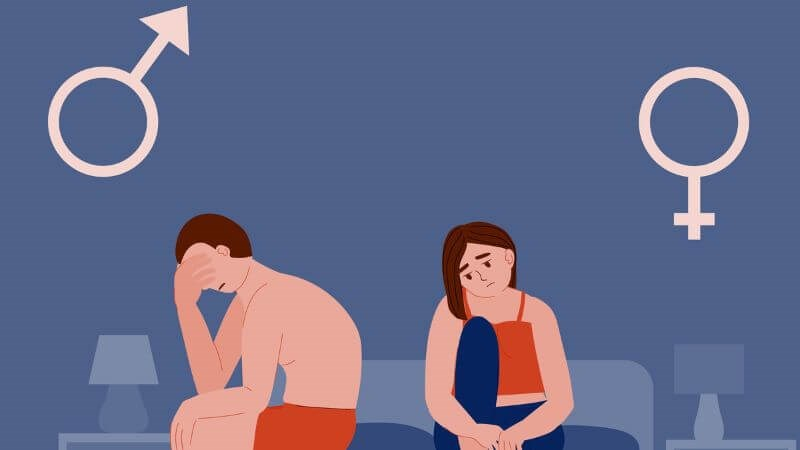
Sexual desire (libido) is the interest, urge, or willingness to engage in sexual activity. Sexual desire is not entirely identical to erectile function, arousal levels, or the ability to achieve orgasm.
The European Association of Urology (EAU) describes male sexual desire as an interplay of three components: biological drive, psychological factors, and the socio-relational context. Therefore, a man with normal testosterone levels may still experience low libido due to stress or relationship conflicts; conversely, a man with normal libido can still experience erectile dysfunction due to vascular disease.

Is Low Libido a Disease?
Not necessarily. Sexual desire varies according to:
- Age.
- Health status.
- Sleep quality.
- Work intensity.
- Stress levels.
- Relationship status.
- Life stage.
- Frequency of sexual activity.
There is no set frequency of sexual intercourse that is considered “standard” for everyone. The International Society for Sexual Medicine (ISSM) emphasizes that normal libido should be assessed based on the personal and relational feelings and circumstances of the individual or couple, rather than being forced into a rigid standard.
Attention is warranted when sexual desire decreases persistently, changes noticeably compared to the past, and causes distress, negatively impacting quality of life or relationships.
How Does Low Libido Differ from Erectile Dysfunction?
- Low Libido: Characterized by a lack of desire or infrequent thoughts about sexual activity.
- Erectile Dysfunction (ED): Characterized by the desire to have sex, but experiencing difficulty achieving or maintaining an erection.
Both conditions can occur independently or simultaneously. For example:
- Wanting to have sex but being unable to achieve an erection often leads to excessive worry about ED.
- Erections remaining strong with stimulation, but experiencing almost no desire for sexual activity, requires an evaluation for low libido.
- Experiencing both low libido and reduced morning erections points to the need for checking hormonal factors when appropriate.
- The fear of losing an erection can gradually lead to avoiding sexual activity, meaning secondary ED can cause a reduction in libido.
The EAU also lists erectile dysfunction as one of the factors frequently accompanying low libido in men. This is why sildenafil or tadalafil should not be termed “libido-enhancing drugs”; these medications primarily assist the erectile mechanism when sexual stimulation is present.
What Are the Common Causes of Low Libido in Men?
Low libido can stem from both physical and psychological factors. In reality, many individuals experience multiple factors simultaneously. The EAU lists notable causes including:
- Androgen deficiency.
- High prolactin levels.
- Depression.
- Anxiety.
- Relationship conflicts.
- Erectile dysfunction.
- Certain antidepressant medications.
- Cardiovascular disease.
- Kidney failure.
- Stroke.
- Various chronic medical conditions.
Low Testosterone
Testosterone plays a crucial role in male libido, but sexual desire does not scale directly with a single testosterone number. The EAU notes that the relationship between circulating testosterone and libido becomes particularly complex in older men. Consequently, one cannot simply look at lab results and conclude that higher testosterone automatically equals stronger libido.
Testosterone deficiency should be strongly suspected when low libido is accompanied by:
- Reduced morning erections.
- Erectile dysfunction.
- Fatigue.
- Loss of muscle mass.
- Other signs of hypogonadism.
High Prolactin
Elevated prolactin can suppress the reproductive axis and reduce libido. The EAU recommends considering prolactin testing in men with low libido, especially if there is evidence of secondary hypogonadism. If high prolactin is accompanied by headaches or visual disturbances, a pituitary evaluation is necessary, as some cases may be linked to prolactin-secreting pituitary tumors.
Thyroid Disorders
Both hypothyroidism and hyperthyroidism can impact sexual health. When low libido is accompanied by signs suggestive of a thyroid condition, physicians may order thyroid hormone tests. The EAU recommends treating the underlying endocrine disorder rather than simply searching for a libido stimulant.
Stress, Anxiety, and Depression
This group of causes is frequently overlooked. Anxiety can shift the mind away from sexual arousal toward:
- Work.
- Finances.
- Erection capability.
- Fear of failure.
- Body image insecurities.
- Relationship concerns.
The EAU notes that negative thoughts during sex and a tendency toward anxiety are clearly linked to low libido in men. Depression is also an important factor that requires evaluation.
This does not mean that every case of low libido is “purely psychological.” Physical and psychological causes frequently interact with one another.
Relationship Conflicts or Reduced Connection
Sexual desire is not merely a hormonal reaction. Sexual dissatisfaction, lack of intimacy, prolonged conflict, or mismatched needs between partners can all diminish libido.
The EAU encourages viewing this issue through the lens of “desire discrepancy between partners” rather than defaulting to labeling one individual as “diseased.” This perspective reduces pressure and opens up solutions centered on communication, intimacy, and sexual expectations.
Can Medications Cause Low Libido?
Yes. Certain medications can directly affect libido or indirectly alter it through hormones, mood, and sexual function. Notable examples include:
- Certain antidepressants.
- Certain antipsychotics.
- Opioids.
- Certain medications affecting androgens.
- Other medications depending on individual health status and underlying conditions.
The EAU specifically identifies antidepressant therapy as a factor linked to low libido, while recommending the review and adjustment of chronic therapies that negatively impact sexual desire whenever possible.
Crucial Warning: Do not stop taking antidepressants, psychiatric drugs, opioid medications, or chronic disease treatments on your own. Some medications require slow tapering, and abrupt discontinuation can be dangerous. A physician can consider medication substitution or adjust the treatment plan if the sexual side effects are truly significant.
Where Should One Start to Improve Libido?
There is no need to start with testosterone or a “kidney-tonifying” herbal pill. A more rational strategy is to systematically check factors that are potentially reversible.
Get Adequate Sleep and Improve Sleep Quality
Sleep impacts energy, mood, hormone production, and sexual responsiveness. Individuals who consistently experience:
- Short sleep duration.
- Shift work.
- Loud snoring.
- Obstructive sleep apnea.
- Daytime sleepiness.may simultaneously encounter fatigue, lowered testosterone, and diminished interest in sex. If obstructive sleep apnea is suspected, it requires evaluation rather than relying solely on energy-boosting supplements. Good sleep does not guarantee an immediate spike in libido, but it forms an essential foundation for normal physical and psychological function.
Exercise Regularly
Physical activity can support libido through multiple pathways:
- Improving cardiovascular health.
- Boosting energy levels.
- Enhancing mood.
- Aiding weight management.
- Improving body image.
- Supporting erectile function.
The ISSM recommends regular physical activity as part of an approach to improving sexual health and libido. For obese men with functional low testosterone, weight loss and exercise can improve testosterone to a certain extent. The EAU views lifestyle modification and weight loss as the first step in managing obesity-related functional hypogonadism.
Extreme over-exercising should be avoided. Excessive endurance training combined with caloric deficits can also disrupt the endocrine axis in some individuals.
Lose Weight If Overweight or Obese
Obesity shares a bidirectional relationship with testosterone and sexual health. The EAU notes that obesity and metabolic disease are critical causes of functional hypogonadism. Losing weight through proper nutrition and physical exercise can moderately increase testosterone and support overall health.
The Endocrine Society highlights that for obese men with low testosterone who lack other structural pathology, weight loss should generally be prioritized over testosterone therapy. This is particularly important if low libido coincides with:
- Central obesity (belly fat).
- Diabetes.
- Fatty liver disease.
- Hypertension.
- Obstructive sleep apnea.
Manage Stress Instead of Forcing Yourself to Feel Desiring
Libido often plummets when the body is in a state of chronic stress. Setting a rigid goal such as “must have sex three times this week” can turn intimacy into a chore and heighten pressure. Alternative approaches that may help include:
- Allocating time for physical closeness without the expectation of intercourse.
- Minimizing distractions.
- Communicating clearly with your partner.
- Changing the setting or context.
- Focusing on sensations rather than performance.
- Seeking psycho-sexual counseling when needed.
The EAU suggests that cognitive-behavioral therapy (CBT) and mindfulness can be useful for some men experiencing low libido, although evidence is more limited here than in other areas of sexual medicine.
Should You Test Testosterone to Improve Libido?
Testing is warranted when low libido is persistent or accompanied by additional symptoms suggestive of hypogonadism, but it must be done correctly.
The EAU recommends drawing total testosterone:
- In the morning between 7:00 and 10:00 AM.
- In a fasting state.
- Using a reliable assay.
- With confirmation via repeat testing if results are low prior to initiating testosterone replacement therapy (TRT).
The EAU uses a total testosterone threshold of approximately 12 nmol/L as a notable reference point in diagnosing symptomatic late-onset hypogonadism. The Endocrine Society emphasizes the need for at least two fasting morning testosterone tests and advises against diagnosing based on symptoms alone.
Depending on the case, additional tests may include:
- SHBG and calculated free testosterone.
- LH.
- FSH.
- Prolactin.
- Thyroid hormones.
- Blood glucose or HbA1c.
Not every man with low libido requires the exact same panel of tests.
Does Testosterone Help Improve Libido?
Yes, if the patient is genuinely testosterone-deficient. The EAU recommends testosterone for low libido when signs and symptoms of testosterone deficiency are concurrently present. Trial analyses demonstrate that TRT can improve sexual desire and activity in hypogonadal men. The TRAVERSE trial also noted that testosterone gel improved libido and sexual activity in middle-aged and older men with hypogonadism, although it did not significantly improve erectile function.
This distinction is vital: Testosterone can boost libido when testosterone is truly low, but it is not an erectile medication nor an aphrodisiac for individuals with normal hormone levels. The EAU recommends against using TRT in men with normal testosterone levels.
Should Men Planning to Have Children Use Testosterone to Boost Libido?
No, do not use it on your own. Exogenous testosterone suppresses LH and FSH, which in turn reduces intratesticular testosterone and suppresses spermatogenesis. The EAU considers an active reproductive goal to be a contraindication for standard TRT.
A man who wants to father children while simultaneously experiencing:
- Low testosterone.
- Low libido.
- Low sperm count.needs an evaluation to determine the cause of hypogonadism. In certain forms of secondary hypogonadism, physicians may choose alternative strategies aimed at supporting endogenous testosterone and spermatogenesis instead of directly supplementing testosterone. Do not self-administer testosterone, hCG, or endocrine-altering drugs found on the internet.
Do Sildenafil and Tadalafil Increase Libido?
Not directly. Sildenafil and tadalafil are PDE5 inhibitors that enhance erectile response when sexual stimulation is present. They do not generate sexual desire if the patient lacks sexual interest. However, prolonged ED can cause a patient to:
- Lose confidence.
- Fear failure.
- Avoid sexual activity.
- Gradually experience reduced libido.
In this scenario, treating ED properly can indirectly help improve sexual life and libido. Therefore, differentiating the underlying cause before choosing a medication is essential.
Are There Dedicated Medications to Boost Libido in Men?
There is no universal “male aphrodisiac pill” for all cases of low libido. Medical management depends entirely on the underlying cause:
| Cause | Commonly Considered Management Approach |
| Confirmed low testosterone | TRT when indicated and free of contraindications |
| High prolactin | Treat underlying cause; specialist-managed dopamine agonists if appropriate |
| Thyroid disorders | Treat thyroid condition |
| Depression | Treat depression; consider sexual side effects of medications |
| Medication-induced low libido | Physician review and adjustment when appropriate |
| ED causing sexual avoidance | Treat ED |
| Stress / Relationship issues | Psychological or psychosexual / couples counseling |
The EAU recommends treating low libido based on the underlying cause rather than applying a single drug to all patients.
Do Ginseng, Maca, Epimedium (Dâm Dương Hoắc), or Ba Kích Increase Libido?
Do not expect these botanical products to match hormone therapy or treatment for medical root causes. While some herbs have small-scale studies touching on sexual function, stress, or erectile capability, data regarding male sexual desire remain limited and inconsistent.
The National Center for Complementary and Integrative Health (NCCIH) notes that no dietary supplement has been proven reliably safe and effective for “sexual enhancement”; evidence for herbal products in general remains sparse, with many studies conducted on animals.
This does not mean every herbal remedy is useless; rather, it means they should not be used to:
- Replace testosterone testing.
- Delay depression treatment.
- Mask ED.
- Treat pituitary disorders.
- Substitute for prescription medications.
Should You Use “Testosterone Boosters” to Improve Libido?
Do not use them based solely on advertisements. These products frequently combine:
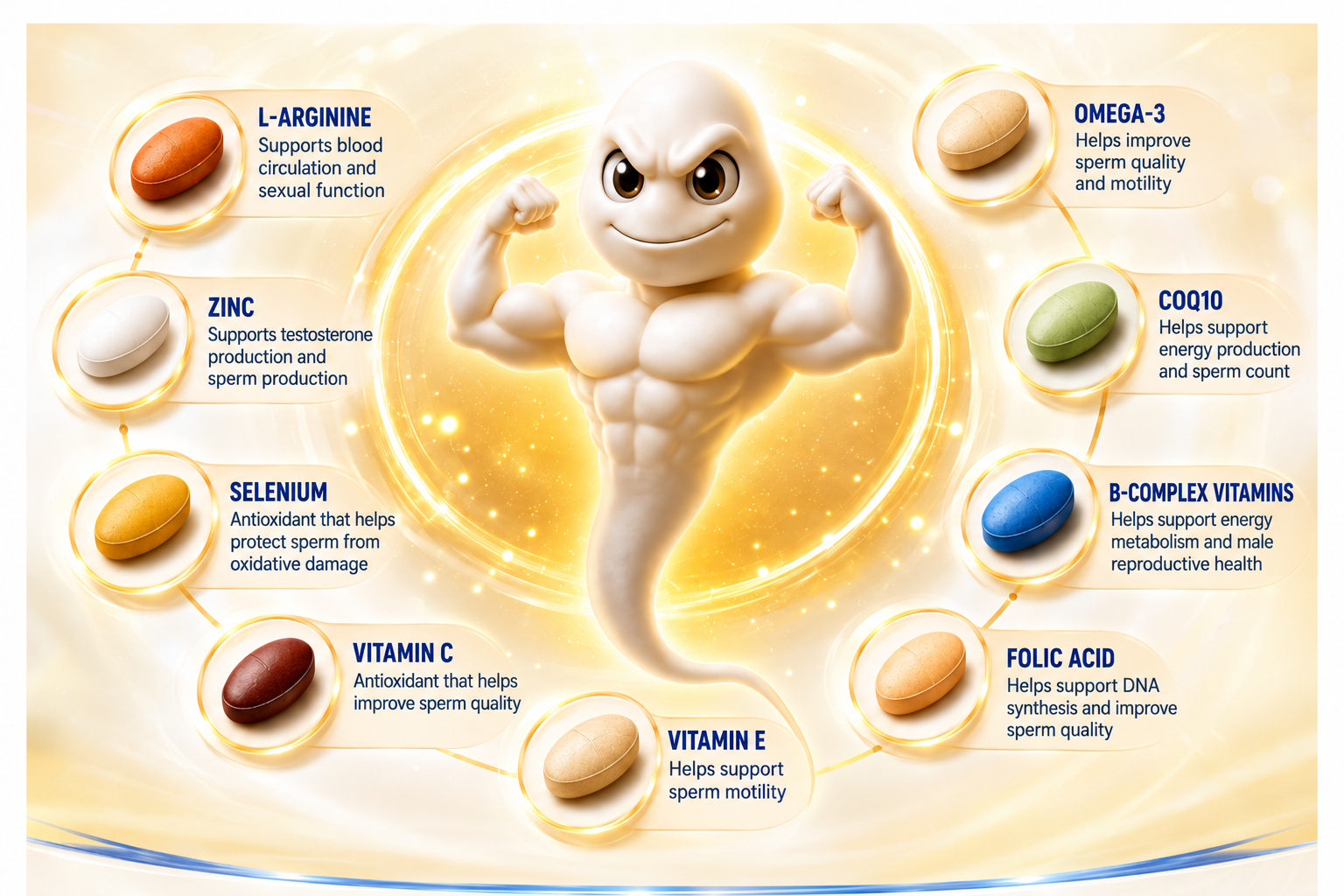
- Zinc.
- Vitamin D.
- Tongkat Ali.
- Ashwagandha.
- Tribulus terrestris.
- Epimedium (Dâm dương hoắc).
- Maca.
- Various other herbs.
If an individual is genuinely deficient in zinc or vitamin D, correcting the deficiency can benefit health. However, taking extra amounts when no deficiency exists does not guarantee that testosterone or libido will increase.
Another issue is product quality. The FDA continually detects products marketed for sexual enhancement that contain undeclared active pharmaceutical ingredients. Warning lists record numerous cases containing hidden sildenafil or tadalafil; some previously analyzed products were even found to contain unlabelled testosterone. Therefore, avoid purchasing unverified products or those advertised with claims such as:
- “Instant aphrodisiac”
- “Instant testosterone booster”
- “Works in 30 minutes”
- “Stronger than Viagra”
What to Eat to Improve Libido?
No single food has been proven to dramatically boost libido immediately after consumption. An appropriate diet should target metabolic health and overall hormones:
- Adequate protein.
- Plentiful vegetables and fruits.
- Unsaturated fats.
- Fish.
- Nuts and seeds.
- Appropriate whole grains.
- Minimizing ultra-processed foods.
- Limiting excessive alcohol consumption.
If dietary intake suffers from severe caloric restriction or rapid weight loss, sex hormones can also be negatively impacted. There is no need to hunt for oysters, eggs, red meat, or medicinal broths with the expectation of eating tonight and experiencing heightened desire tonight.
Does Alcohol Help Increase Libido?
Alcohol may temporarily lower psychological inhibitions for some individuals, but that does not mean alcohol improves sexual physiology. In larger amounts, alcohol can lead to:
- Difficulty achieving erections.
- Impaired neurological coordination.
- Degraded sleep quality.
- Liver damage.
- Long-term suppression of testosterone and overall systemic health.
Consequently, medicinal alcohol tinctures (“bổ thận tráng dương”) should not be viewed as a long-term solution for low libido.
How Long Does It Take for Libido to Improve?
This depends entirely on the cause. If low libido is primarily driven by:
- Stress.
- Sleep deprivation.
- Fatigue.
- Relationship conflict.improvement may emerge once these factors are resolved, with no fixed timeline.
If low libido stems from hypogonadism properly treated with indicated testosterone therapy, sexual symptoms can begin to improve within a few weeks and be evaluated more clearly over the first few months. However, responses vary from person to person.
If testosterone levels have normalized but libido remains low, do not self-increase the dose. Consideration must be given to:
- Depression.
- Medications.
- Prolactin.
- Thyroid health.
- Relationships.
- ED.
- Chronic medical conditions.
When Should Low Libido Prompt a Medical Visit?
A medical evaluation is recommended if sexual desire:
- Decreases markedly and persists.
- Changes abruptly compared to the past.
- Causes distress or strains a relationship.
- Is accompanied by reduced morning erections.
- Is accompanied by ED.
- Is accompanied by fatigue and loss of muscle mass.
- Begins after starting a new medication.
- Is accompanied by headaches or vision changes.
- Is accompanied by significant signs of depression.
The EAU recommends evaluating sexual history, psychological symptoms, relationship factors, and endocrine parameters in men with low libido, rather than focusing exclusively on testosterone. If severe depression or thoughts of self-harm are present, urgent medical or psychological support must be sought rather than solely addressing sexual complaints.
Improving Libido within the Men’s Health Ecosystem
Low libido should not be treated with a generalized formula such as “zinc + oysters + herbal remedies + testosterone.” First, it is necessary to determine whether the patient is truly experiencing low libido, erectile dysfunction, or both.
The Men’s Health Andrology Pharmacy is a unit within the Men’s Health Center ecosystem founded by Dr. Tra Anh Duy (MD, Specialist Level 2). When men experience prolonged low libido, physicians can evaluate sexual function, testosterone, prolactin, and underlying medical conditions as needed. Pharmacists assist in reviewing medications that may suppress libido, dietary supplements currently being used, and potential interaction risks.
If testosterone is indicated, it is a prescription medication requiring appropriate monitoring. Individuals who still wish to father children must be especially careful not to self-administer testosterone due to the risk of suppressing spermatogenesis. Medications for erectile dysfunction must also be selected for the correct target; sildenafil and tadalafil should not be viewed as “aphrodisiacs.”
Men’s Health prioritizes physician-pharmacist collaboration conducted in a professional, safe, discreet, confidential, and personalized manner tailored to the specific causes and practical needs of each individual.
Frequently Asked Questions (FAQs)
1. How can libido be improved in men?
Start by getting adequate sleep, exercising, managing weight, reducing stress, and reviewing current medications. If low libido persists, testosterone, prolactin, or other endocrine markers should be evaluated when indicated.
2. Does low testosterone cause low libido?
Yes. Testosterone deficiency is an important cause, but libido does not correlate directly with blood testosterone levels. Diagnosing hypogonadism requires symptoms alongside at least two low morning testosterone tests.
3. Why is there no libido even though testosterone is normal?
Possible reasons include stress, depression, anxiety, relationship conflicts, medications, high prolactin, thyroid disorders, chronic illnesses, or erectile dysfunction.
4. Does tadalafil help increase libido?
Not directly. Tadalafil treats erectile capability rather than creating desire. If ED causes a man to lose confidence and avoid sex, treating ED can indirectly help improve sexual life.
5. Does taking testosterone rapidly increase libido?
TRT can improve libido in men who are genuinely hypogonadal, but it should not be used if testosterone is normal. The goal of treatment is to restore testosterone to the physiological range, not push it as high as possible.
6. Can men who want to have children use testosterone to boost libido?
Do not use it on your own. Exogenous testosterone can suppress LH, FSH, and spermatogenesis; therefore, the EAU contraindicates standard TRT in individuals actively seeking to father children.
7. Do ginseng or maca help improve libido?
Some small studies show signals regarding sexual health, but there is currently insufficient evidence to view these herbs as standard treatment for low libido. The NCCIH notes that evidence for sexual enhancement products overall remains limited.
8. Do antidepressants cause low libido?
Potentially. Certain antidepressants affect libido and other sexual functions. Do not stop medications independently; physicians can consider altering the therapy if side effects are significant.
9. What tests are needed for low libido?
Not everyone requires the same test panel. When endocrine causes are suspected, physicians may consider morning testosterone, prolactin, thyroid hormones, and other tests based on symptoms.
10. How long without libido should trigger a medical visit?
There is no absolute timeline. A visit is recommended when the condition persists, changes noticeably from baseline, causes distress, or is accompanied by ED, reduced morning erections, endocrine symptoms, or depression.
Conclusion
Improving libido does not begin by searching for the “strongest aphrodisiac,” but by identifying why sexual desire has declined. Low testosterone, high prolactin, thyroid disorders, depression, stress, medications, erectile dysfunction, and relationship issues can all play a role. The EAU currently recommends evaluating medical history, sexual health, psychological-relational factors, and appropriate endocrine causes before selecting a treatment.
For individuals who are overweight, sleep-deprived, or suffering from metabolic disease, weight loss, exercise, and overall health improvement are valuable steps. If low libido is genuinely linked to hypogonadism, TRT can improve libido, but it should only be used after testosterone deficiency is correctly confirmed.
Sildenafil and tadalafil are not libido boosters; dietary supplements and herbal remedies should likewise not replace searching for the underlying cause. Special caution is warranted regarding unverified “sexual enhancement” products, as the FDA continued to detect products containing undeclared sildenafil, tadalafil, or hormones on their labels.
If low libido persists or impacts quality of life, a more effective approach is to systematically evaluate hormones, medications, sleep, underlying conditions, and relationships, followed by choosing a suitable intervention rather than self-administering testosterone or multiple “male enhancement” products simultaneously.