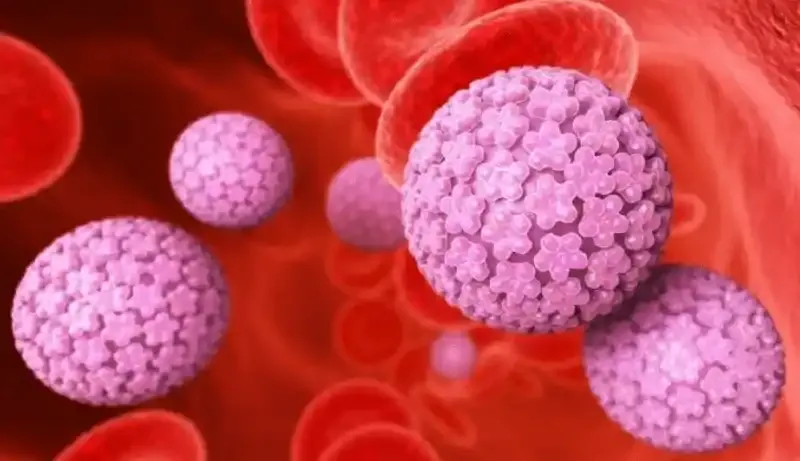

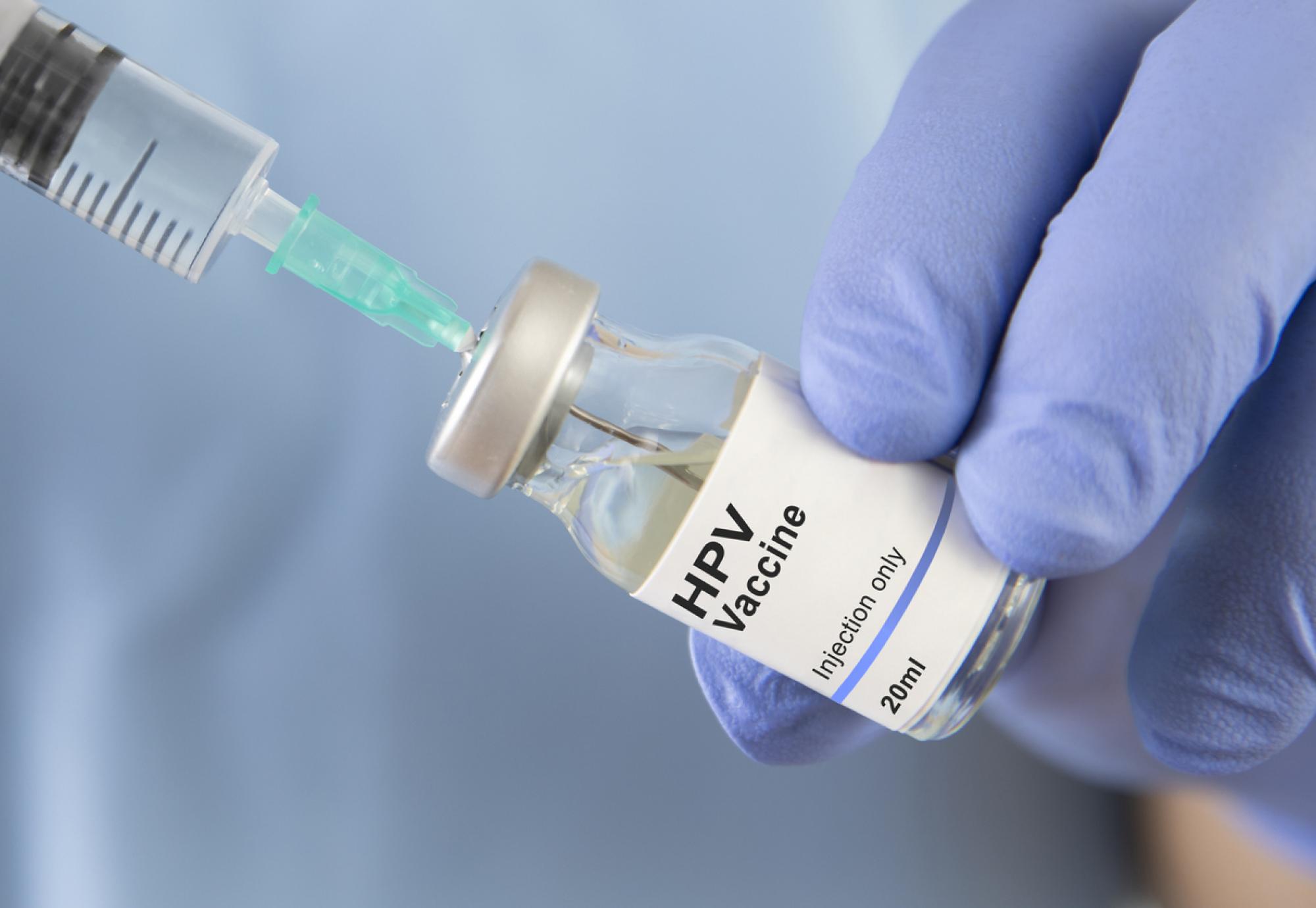
Men who have had sexual intercourse still derive practical medical benefits from receiving the HPV (Human Immunodeficiency Virus — Note: Human Papillomavirus) vaccine to proactively protect their bodies against uninfected virus strains and effectively prevent genital, anal, and head and neck cancers. Many mistakenly assume the vaccine only works before a first sexual encounter; however, current specialized guidelines confirm that late immunization still yields significant disease-prevention value in adult men.
1. Definition and Mechanism of the HPV Vaccine in Men
The HPV vaccine for men is a biological preparation that stimulates the immune system to actively produce specific antibodies against the invasion of Human Papillomavirus (HPV) strains.
The vaccine’s mechanism relies on Virus-Like Particle (VLP) recombinant technology. These particles feature a surface shell structure identical to real viruses but contain zero DNA, rendering them completely non-pathogenic. When introduced into the body, the immune system recognizes and memorizes this structure to build a protective antibody barrier. When a man is exposed to HPV during subsequent sexual relations, the immune system immediately neutralizes the virus, halting the formation of genital warts or malignant cellular transformations.
2. Causes and Risk Factors for HPV Infection in Sexually Active Men
HPV transmits primarily through skin-to-skin contact and genital mucosal exposure during sexual intercourse. Men who are sexually active face continuous exposure risks due to specific factors:
- Sexual History and Partners:
- Vaginal, anal, or oral intercourse without consistent condom protection.
- Having multiple partners or newly acquainted partners without clear knowledge of their prior medical history and HPV status.
- Natural Biological Traits:
- Male genital mucosal structures feature numerous thin, sensitive skin areas prone to micro-abrasions during intercourse, creating favorable conditions for the virus to penetrate deep into the epithelium.
- Temporarily impaired immunity caused by prolonged stress, late-night habits, smoking, or substance use, which lowers the body’s natural resistance.
3. Practical Benefits of HPV Vaccination for Sexually Active Men
Although they may have previously encountered one or several HPV strains, sexually active men still receive multiple vital medical benefits from vaccination:
- Preventing Reinfection and Cross-Protection: The vaccine protects men against dangerous HPV types included in the vaccine formulation that the body has never contracted (e.g., types 6, 11, 16, 18, or the expanded types in the 9-valent vaccine).
- Preventing Genital Warts (Condyloma Acuminata): Minimizes the risk of forming genital warts on the genitals, scrotum, and anus caused by low-risk HPV types.
- Preventing Malignant Cancers: Lowers the risk of penile, anal, and oropharyngeal cancers—conditions increasingly common due to unsafe sexual transmission.
- Reducing Transmission Risk to Partners: Immunization helps decrease the circulation rate of the virus in the community, indirectly protecting partners from contracting high-risk strains.
4. Recommended Age and Real-World Efficacy in Adult or Long-Term Sexually Active Men
According to international and domestic medical recommendations, the ideal age for HPV vaccination is 9 to 14 years old, before initiating sexual activity. However, for adult men who are already sexually active, vaccination is still endorsed and widely encouraged by specialized health agencies up to age 45 (or considered per physician prescription).
The reason is that it is extremely rare for an individual to simultaneously contract all virus types included in the vaccine. Immunization helps the body reinforce its immune system against uninfected strains, while supporting the prevention of reinfection for types cleared in the past thanks to the vaccine’s antibody response, which is much stronger than natural immunity.
5. Vaccination Regimens and Safe Medical Protocols
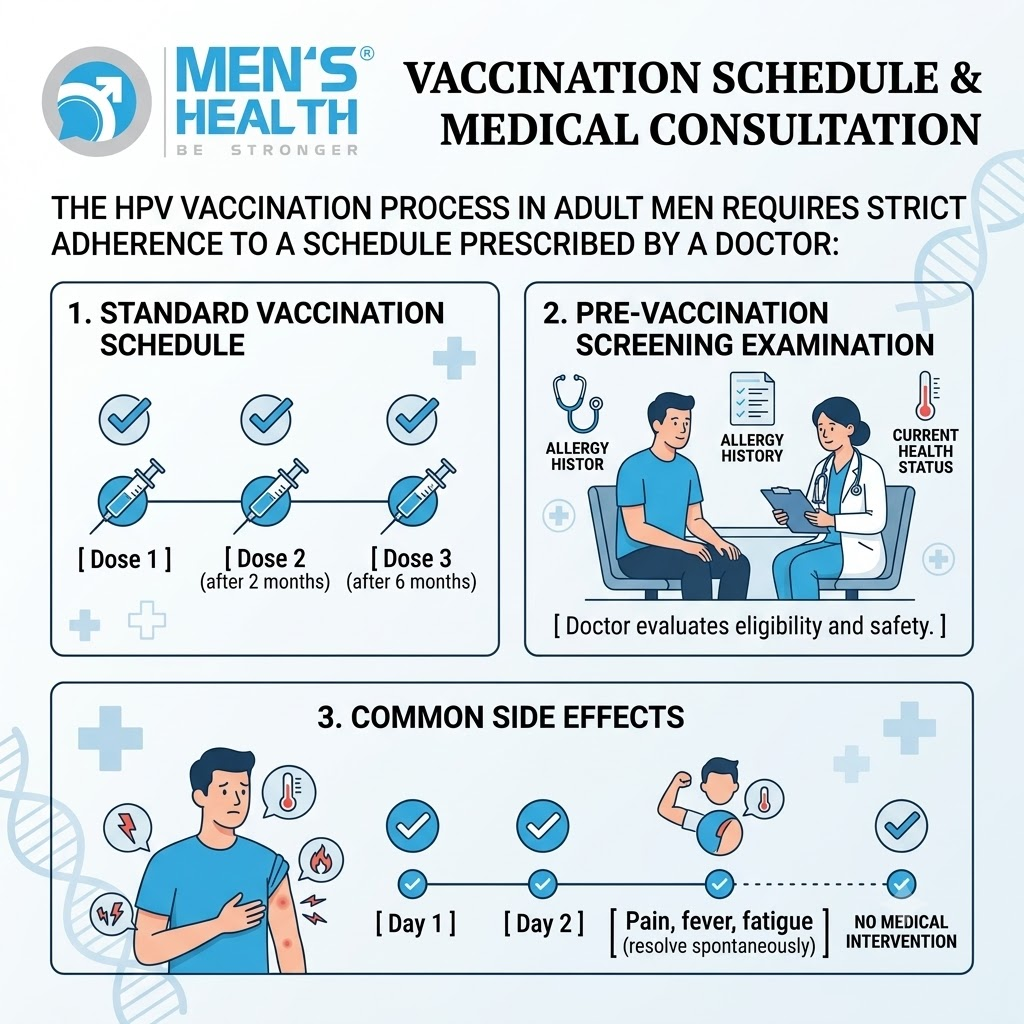
The HPV vaccination process for post-pubertal men requires strict adherence to standardized regimens prescribed by physicians:
- Standard Vaccination Regimen: Typically consists of 3 deep intramuscular injections following a specific schedule (usually dose 1, dose 2 at 2 months, and dose 3 at 6 months after the first dose).
- Pre-Vaccination Screening Examination: Physicians conduct general health checks, evaluate allergy histories, and rule out acute conditions to ensure the body meets safe conditions to receive the vaccine.
- Common Side Effects: Vaccine recipients may experience mild soreness, swelling or redness at the injection site, low-grade fever, or fatigue during the first 1–2 days. These symptoms are entirely benign and resolve spontaneously without complex intervention.
6. Common Misconceptions Among Sexually Active Men Regarding the HPV Vaccine
- Believing Vaccination is Useless After Sexual Debut: Assuming that once the virus has entered, vaccination holds no meaning. In reality, the vaccine still offers excellent protection against uninfected viral strains.
- Thinking Men Do Not Need HPV Prevention: Falsely assuming HPV only causes disease in women while overlooking risks of genital warts, anal, and penile cancers in men.
- Self-Purchasing Unverified Counterfeit Vaccines: Buying vaccines through unorthodox channels that fail to maintain a proper cold chain, lowering immune quality.
- Neglecting Periodic Screening After Vaccination: Falsely assuming that completing the HPV vaccine grants absolute immunity against all sexually transmitted infections and skipping routine andrology health exams.
7. Frequently Asked Questions (FAQs)
Can the HPV vaccine cure men who have already contracted HPV? The HPV vaccine is a prophylactic preparation and has no therapeutic or virus-eradicating effect on individuals already infected or harboring that specific virus strain in their bodies. However, the vaccine still effectively prevents other uninfected viral strains.
Do men who have been sexually active for years need an HPV test before vaccination? Current medical guidelines do not mandate HPV testing prior to immunization. Because routine screening tests cannot scan for all virus types, and prior infection with one type does not negate the preventive benefits of remaining vaccine strains, physicians typically prescribe vaccination immediately if the body meets health conditions.
- How long is the HPV vaccination regimen for adult men? The standard vaccination regimen for adult men involves 3 intramuscular injections spanning 6 months (the second dose 2 months after the first, and the third dose 6 months after the first). Patients must follow the scheduled dates to ensure optimal antibody production efficacy.
- Does receiving the HPV vaccine impair physiological function or affect male fertility? Global clinical data confirms that the HPV vaccine has a very high safety profile and completely does not affect hormones, sperm quality, physiological capacity, or male fertility.
- Do men need periodic booster shots after completing the full 3-dose HPV vaccine series? Currently, the World Health Organization and health agencies have no mandatory recommendations for routine booster shots after completing the standard 3-dose primary series, as the vaccine generates long-term immune memory.
8. Introduction to Men’s Health Andrology Clinic
Proactively receiving HPV vaccinations and managing reproductive health requires standardized guidance from medical experts.

Men’s Health Andrology Clinic is part of the ecosystem of the Men’s Health Center founded by Assoc. Prof. Dr. Tra Anh Duy. Here, clients always receive attentive consultations, explanations, and support from a team of andrologists and specialists to select appropriate, safe preventive healthcare solutions. Men’s Health prioritizes professionalism, safety, discretion, absolute information privacy, and respect for individual privacy throughout consultation, vaccination, and long-term health monitoring.
Conclusion
Sexually active men still completely derive practical medical benefits from receiving the HPV vaccine to proactively prevent dangerous papillomavirus strains and protect comprehensive sexual health for themselves and their partners. Never self-diagnose, never miss the opportunity for disease prevention, and strictly adhere to vaccination schedules as core rules.