
Stopping Testosterone or Estrogen abruptly during hormone replacement therapy (HRT) not only negates the previous treatment benefits but also causes significant medical consequences. When receiving exogenous hormones, the body automatically halts its natural hormone production. Therefore, suddenly cutting off this external supply pushes the body into a state of severe endocrine deficiency, leading to a cascade of psychological, physiological, and metabolic disorders. Below is a detailed analysis of the health risks and how to manage medication cessation safely according to medical standards.
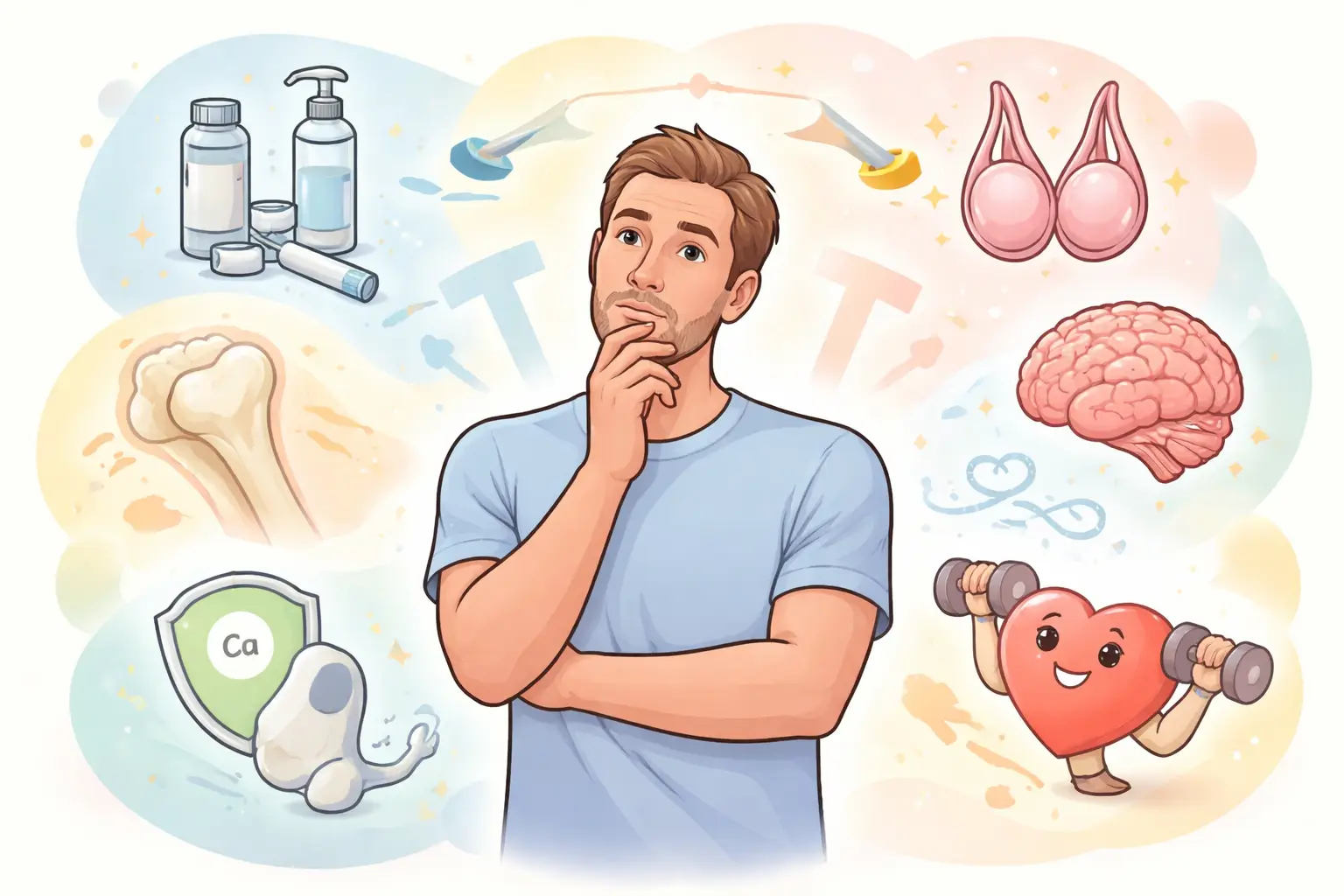
The Medical Mechanism Behind Using and Stopping Hormone Therapy
To clearly understand why you should not stop taking these medications abruptly, it is essential to grasp the mechanism of the Hypothalamic-Pituitary-Gonadal axis (HPG axis) in the body.
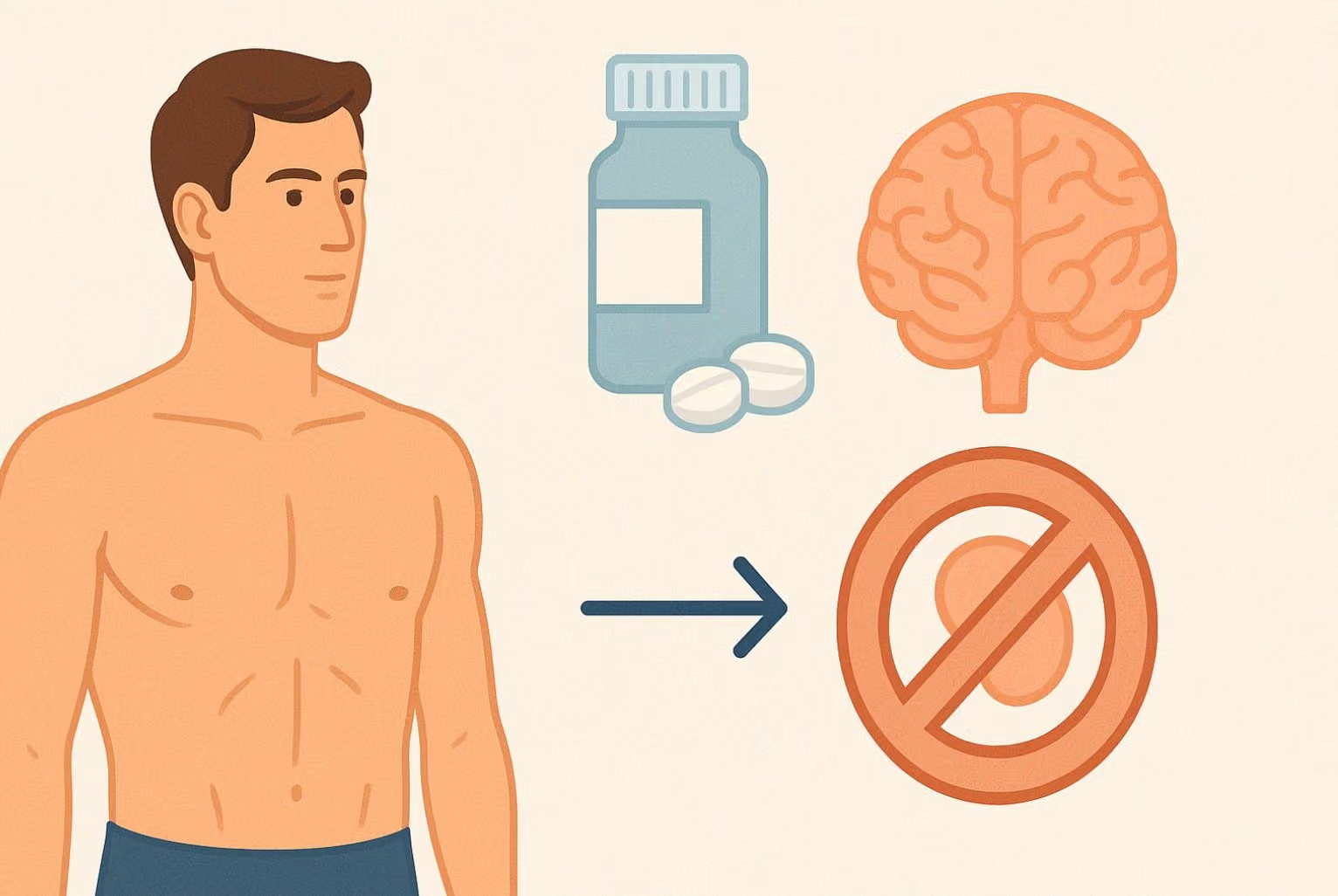
When you use Testosterone or Estrogen supplements (via oral, injection, or transdermal routes), the hormone levels in your blood rise. The brain (specifically the hypothalamus and pituitary gland) receives a signal that the body has sufficient hormones, instructing the testicles (in men) or ovaries (in women) to pause natural hormone production. This process is known as the “negative feedback” mechanism.
If you abruptly stop using Testosterone or Estrogen, the external supply is cut off while your natural reproductive organs are still in a “dormant” state and have not yet had time to restart. As a result, hormone levels in the body plummet uncontrollably (dropping to near zero), causing an endocrine withdrawal syndrome.
Medical Consequences of Abruptly Stopping Testosterone in Men
Testosterone does not only determine male vitality but also plays a crucial role in maintaining muscle mass, bone density, hematopoiesis, and psychological balance. Stopping the medication suddenly can lead to the following consequences:
1. Severe Relapse of Hypogonadism
Patients will immediately face symptoms of hypogonadism that are even more severe than before they started treatment. The sudden drop in Testosterone leaves the body in a state of profound exhaustion and severe energy depletion.
2. Decline in Sexual Function
- Loss of Libido: Plummeting Testosterone levels cause sexual desire to vanish rapidly.
- Erectile Dysfunction: The ability to achieve and maintain an erection significantly declines. Notably, this condition cannot be fully resolved solely by PDE5 inhibitors (like sildenafil or tadalafil) if the root cause—Testosterone deficiency—remains unaddressed.
3. Negative Impacts on Psychology and Neurology
- Persistent feelings of fatigue and sluggishness throughout the day.
- Erratic mood swings, irritability, and emotional volatility.
- A high risk of falling into depression, insomnia, and experiencing “brain fog” (reduced concentration and memory).
4. Metabolic and Physical Disorders
- Muscle Atrophy and Fat Gain: Muscle mass decreases rapidly, replaced by the accumulation of excess fat, especially around the abdomen and chest (causing gynecomastia in some cases due to an imbalance in the Testosterone/Estrogen ratio).
- Decreased Bone Density: Over the long term, Testosterone deficiency increases the risk of osteoporosis and bone fractures.
Physical Impacts of Abruptly Stopping Estrogen
Similar to Testosterone, Estrogen is the primary hormone in females as well as trans women. Suddenly stopping Estrogen use will trigger a condition similar to acute menopause, but with far greater intensity because the change occurs so rapidly.
1. Hot Flashes and Vasomotor Symptoms
The most typical symptom is sudden hot flashes radiating from the chest to the neck and face, accompanied by night sweats, rapid heartbeat, and palpitations. This condition severely affects sleep quality, leaving the patient exhausted.
2. Emotional Changes and Mental Health Risks
The sudden drop in Estrogen directly impacts neurotransmitters in the brain (such as serotonin). Patients are prone to experiencing anxiety, panic disorders, unpredictable mood swings, and an increased risk of depression.
3. Consequences on the Musculoskeletal and Reproductive Systems
- Mucosal Atrophy and Dryness: A sharp decrease in natural lubrication causes dryness, pain during sexual intercourse, and an increased risk of genitourinary tract infections.
- Joint and Bone Pain: Estrogen plays a role in protecting joint cartilage. A sudden deficiency leads to generalized body aches. In the long term, the risk of bone loss and osteoporosis spikes dramatically.
Guidelines for Safely and Properly Stopping Hormone Therapy
Endocrine medications (Testosterone, Estrogen) are prescription drugs that require close medical supervision. If a patient needs to stop the medication (due to side effects, having reached treatment goals, or desiring fertility), the standard procedure must adhere to these principles:
- Never stop the medication on your own: Any decision to change the dosage or stop the medication must be prescribed by a specialist.
- Tapering (Gradual dose reduction): The doctor will design a regimen to gradually reduce the hormone dosage week by week or month by month. This process helps the body’s HPG axis slowly “awaken” and begin producing natural hormones again, allowing the body to adapt smoothly and minimizing withdrawal syndrome.
- Using recovery support medications: In some cases for men, doctors may prescribe Post Cycle Therapy (PCT) medications such as hCG, Clomiphene, or Enclomiphene to stimulate the testicles to produce Testosterone faster.
The Role of Professional Consultation at Men’s Health Pharmacy

Treating endocrine issues is not merely about buying and using medication. This process requires thorough evaluation, structured regimens, and close monitoring by medical professionals. Men’s Health Pharmacy is proud to be a vital link in the Men’s Health Center ecosystem, founded by Dr. Tra Anh Duy, providing professional, safe, and discreet healthcare solutions.
At Men’s Health, we strictly adhere to rigorous medical principles:
- Endocrine medications (Testosterone, hormone-adjusting drugs) are prescription drugs, provided and used only with a clear indication from a specialist after diagnosing the cause and conducting necessary clinical tests.
- Patients must never self-medicate or use someone else’s prescription to avoid regrettable consequences.
- The team of doctors and pharmacists at Men’s Health always works closely together to consult and explain in detail the effects, usage, side effects, and how to handle drug interactions.
- Specifically, if a patient wishes to stop their medication, our experts will design a scientific tapering regimen, ensuring maximum safety for their health, maintaining information confidentiality, and strictly respecting the patient’s personal needs.
Stopping Testosterone or Estrogen Abruptly and Frequently Asked Questions
How long after stopping Testosterone does the body resume normal production?
Recovery time depends on how long you have been using the medication, the dosage, the type of drug, and your age. Typically, without a stimulating recovery regimen, the hypothalamic-pituitary-testicular axis can take anywhere from a few months to over a year to function normally again. In some cases of prolonged high-dose use, this function may be permanently impaired without medical intervention.
Is abruptly stopping Estrogen life-threatening?
Stopping Estrogen suddenly is rarely an immediate threat to life. However, it causes a series of severe symptoms (such as intense hot flashes and depression) that drastically reduce quality of life. Long-term, it increases the risk of dangerous cardiovascular diseases and osteoporosis.
Can dietary supplements replace hormone medication when stopping?
Dietary supplements only serve as nutritional support; they cannot replace the function of medical hormones and do not resolve the withdrawal syndrome caused by abruptly stopping medication. To get through this phase, you need a tapering regimen or endogenous recovery-stimulating medications prescribed by a doctor.
What should I do if I forget to take my hormone medication for a few days?
If you miss your medication for a few days, your body may start exhibiting mild fatigue or mood changes. You should immediately contact your treating doctor or pharmacist for guidance on how to resume the appropriate dose. Do not double the dose on your own to make up for missed days.
How long does the hormone tapering process usually take?
Tapering regimens are personalized for each patient. This process usually lasts from 4 weeks, 8 weeks, up to several months, depending on the degree of natural endocrine suppression in the body. Throughout this time, the doctor will order periodic blood tests to monitor hormone levels and adjust the dosage accordingly.
Conclusion
Abruptly stopping Testosterone or Estrogen leaves complex medical consequences, deeply affecting the physical, physiological, and psychological well-being of the patient. The endocrine system is highly sophisticated; any intervention—whether introducing or withdrawing hormones—requires a clear strategy and strict supervision from medical professionals to allow the body to adapt in time.
Patients must absolutely not self-diagnose, alter dosages on their own, or stop medication without a doctor’s consultation. If you are experiencing uncomfortable side effects or wish to end your hormone therapy, please visit reputable specialized medical facilities. The Men’s Health Center ecosystem and Men’s Health Pharmacy are always ready to accompany you, providing examinations, testing, and consulting on the safest, most confidential, and effective treatment regimens for each individual.