
How Are Acne and Hair Loss Caused by Testosterone Explained?
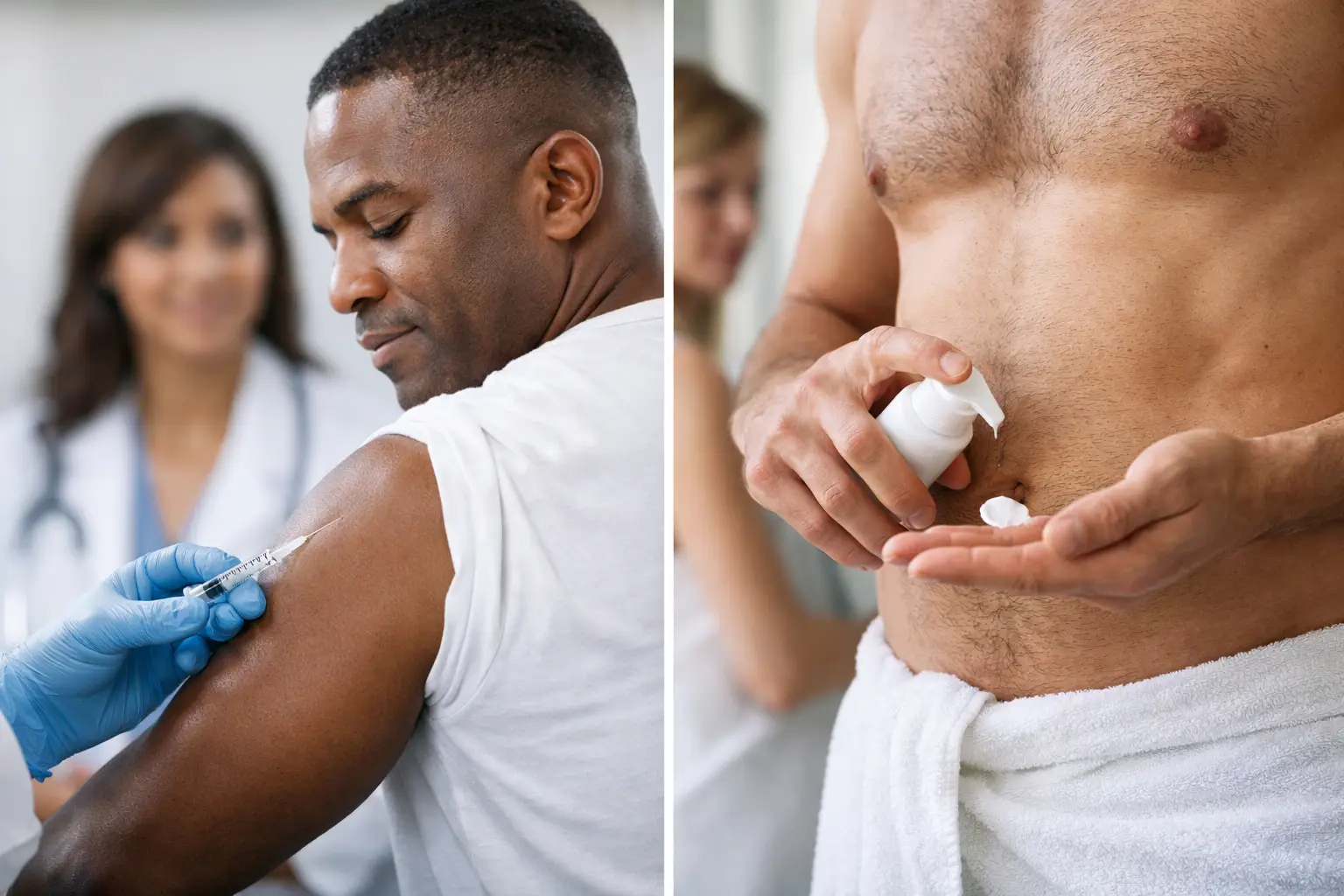
Acne and hair loss due to Testosterone use are relatively common adverse effects, causing anxiety for many men undergoing testosterone replacement therapy (TRT) or hypogonadism treatment. The core cause of this condition stems from the increased conversion of Testosterone into Dihydrotestosterone (DHT) – a hormone with more potent activity. Depending on genetic predisposition and medication dosage, excess DHT stimulates the sebaceous glands to overwork, causing acne, and simultaneously shrinks hair follicles, leading to hair loss. The following article will analyze in detail the mechanism, signs for identification, medical treatment methods, and how to safely and effectively control this condition.
Why Does Using Testosterone Cause Acne and Hair Loss?
When men use Testosterone supplements (via injection, topical gels, or oral routes) as medically prescribed, blood Testosterone levels increase. However, Testosterone does not exist independently but participates in various metabolic pathways in the body.
The Role of the 5-Alpha Reductase Enzyme and DHT Hormone
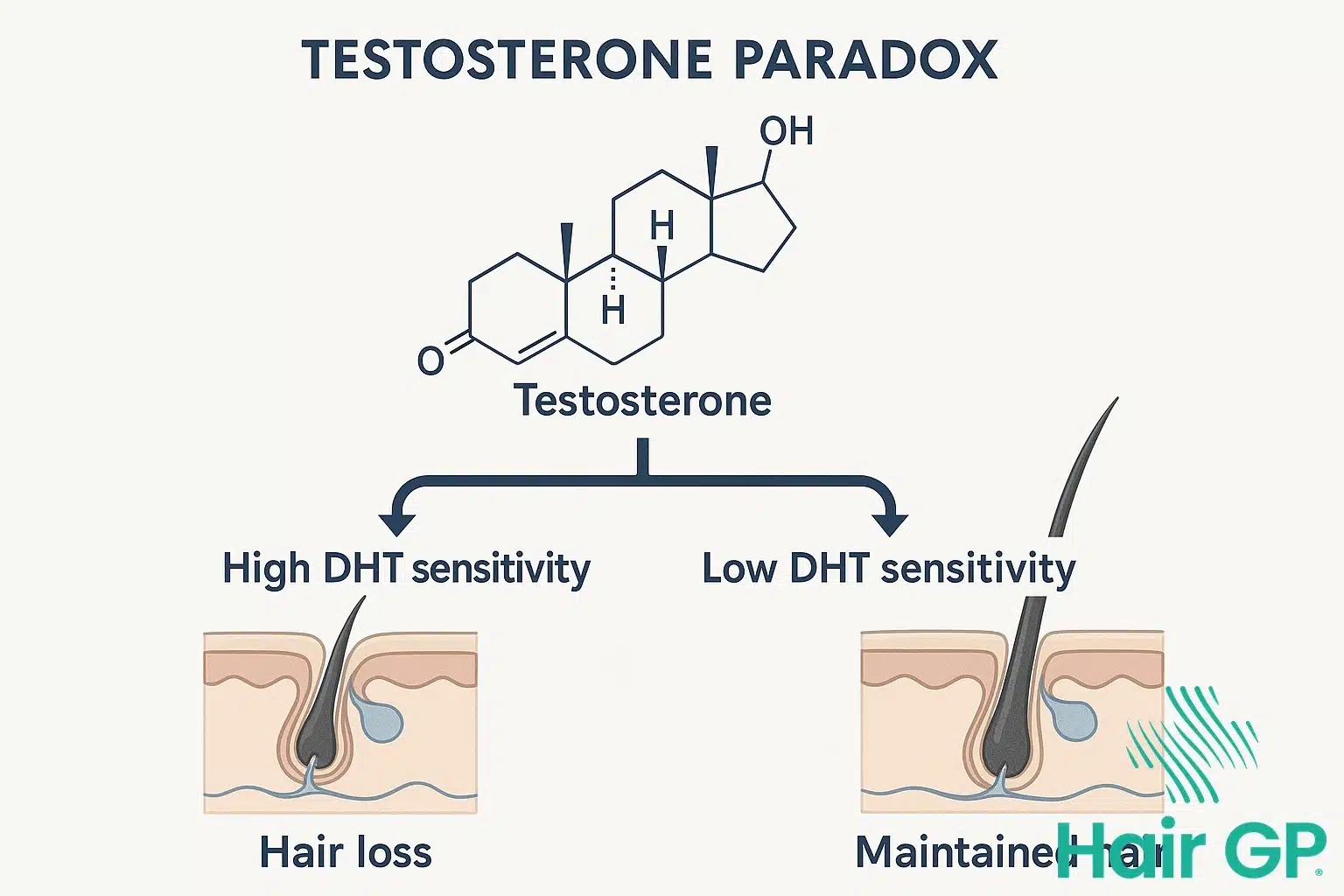
In the body, a portion of Testosterone is converted by the enzyme 5-alpha reductase (5-AR) into Dihydrotestosterone (DHT). This is an androgen with a biological activity many times stronger than normal Testosterone.
DHT plays an important role in maintaining male characteristics, but when DHT levels rise excessively due to exogenous Testosterone intake, it directly affects androgen receptors in the skin and hair follicles, causing two main problems.
Mechanism of Acne Formation Due to Increased Sebum Secretion
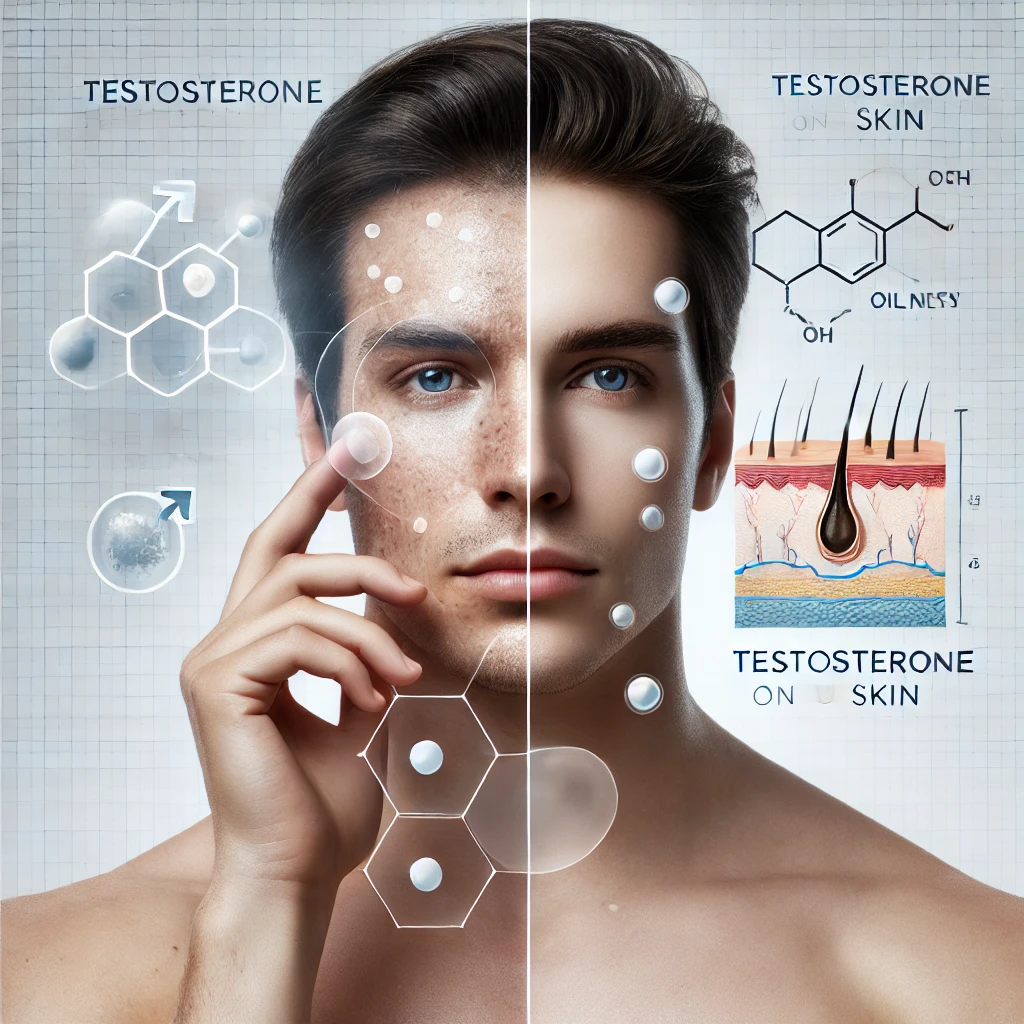
In skin areas with many sebaceous glands, such as the face, chest, shoulders, and back, androgen receptors are highly sensitive to DHT. When DHT binds to these receptors, it stimulates the sebaceous glands to hypertrophy and produce a large amount of sebum.
The excess oil cannot fully escape through the pores, combining with dead skin cells to form keratin plugs that cause blockages. This creates an ideal anaerobic environment for Propionibacterium acnes (P. acnes) bacteria to proliferate, triggering an inflammatory response from the immune system, leading to the formation of red, swollen pimples, pustules, or inflamed cystic acne.
Mechanism of Hair Loss (Androgenetic Alopecia) Due to Hair Follicle Miniaturization
On the scalp, particularly the crown and bilateral temples, the hair follicles of some men have a genetic sensitivity to DHT. When DHT levels in the blood are high, they bind to receptors at the hair follicles, shortening the growth phase (Anagen) of the hair cycle.
This process causes the hair follicles to gradually shrink (miniaturization). As a result, the new hair strands that grow will become progressively thinner, weaker, lighter in color, and more prone to falling out. Over time, without intervention, hair follicles can completely degenerate and become unable to regrow hair, leading to male pattern baldness.
Risk Factors That Exacerbate the Condition
Not all men using Testosterone experience acne and hair loss. The severity of the manifestation depends on the following risk factors:
- Genetic factors: The sensitivity of androgen receptors to DHT is determined by genetics. If you have a family history of baldness or hormonal acne, your risk of experiencing this condition when using Testosterone is much higher.
- Dosage and administration regimen: Using high-dose Testosterone or short-acting injectable forms can cause hormone levels to spike, making the body react more strongly compared to slow-release forms (topical gels, long-acting injections).
- Lifestyle and skin care: Poor skin hygiene, staying up late, psychological stress, or a diet high in sugar and cow’s milk can further trigger inflammation, leading to more breakouts.
Signs for Identification and When to See a Doctor?
Early detection of abnormal signs helps patients adjust their regimen promptly, avoiding acne scarring or permanent hair follicle loss.
Signs for Identification
- Regarding acne: The appearance of red inflammatory papules or cystic acne, which can cause pain. They are mainly concentrated on the chest, upper back, shoulders, jawline, and face. The skin secretes noticeably more oil than before using Testosterone.
- Regarding hair loss: Losing more than 100 hairs per day, especially noticeable when washing or combing hair. The hairline at the forehead begins to recede (M-shape) or the hair on the crown gradually thins, exposing the scalp.
When Is Immediate Medical Attention Needed?
Patients should immediately contact their treating doctor if the following symptoms appear:
- Large, swollen cystic acne, widespread ulceration, with signs of infection (swelling, heat, redness, pain, green/yellow pus).
- Sudden hair loss in large patches.
- The condition of acne and hair loss severely affects psychology, self-confidence, and quality of life.
- Absolutely do not abruptly stop Testosterone medication without authorization, as it can cause endocrine collapse syndrome and severe fatigue.
Professional Diagnostic Methods
Doctors do not merely diagnose the disease based on observing a few external symptoms but require a comprehensive assessment process:
- Clinical examination: A dermatologist or andrologist will evaluate the severity of the acne (using inflammatory/non-inflammatory lesion grading scales) and the extent of hair loss (using the Norwood scale for men).
- Endocrine blood tests: To determine the cause and adjust the medication, patients need to undergo quantitative testing for: Total Testosterone, Free Testosterone, DHT, Estradiol, SHBG, as well as liver and kidney function.
- Medical history inquiry: Re-evaluating the current TRT regimen, duration of use, dosage, and other concurrent medications to detect drug interactions.
Introducing the Men’s Healthcare Ecosystem – Men’s Health Andrology Pharmacy
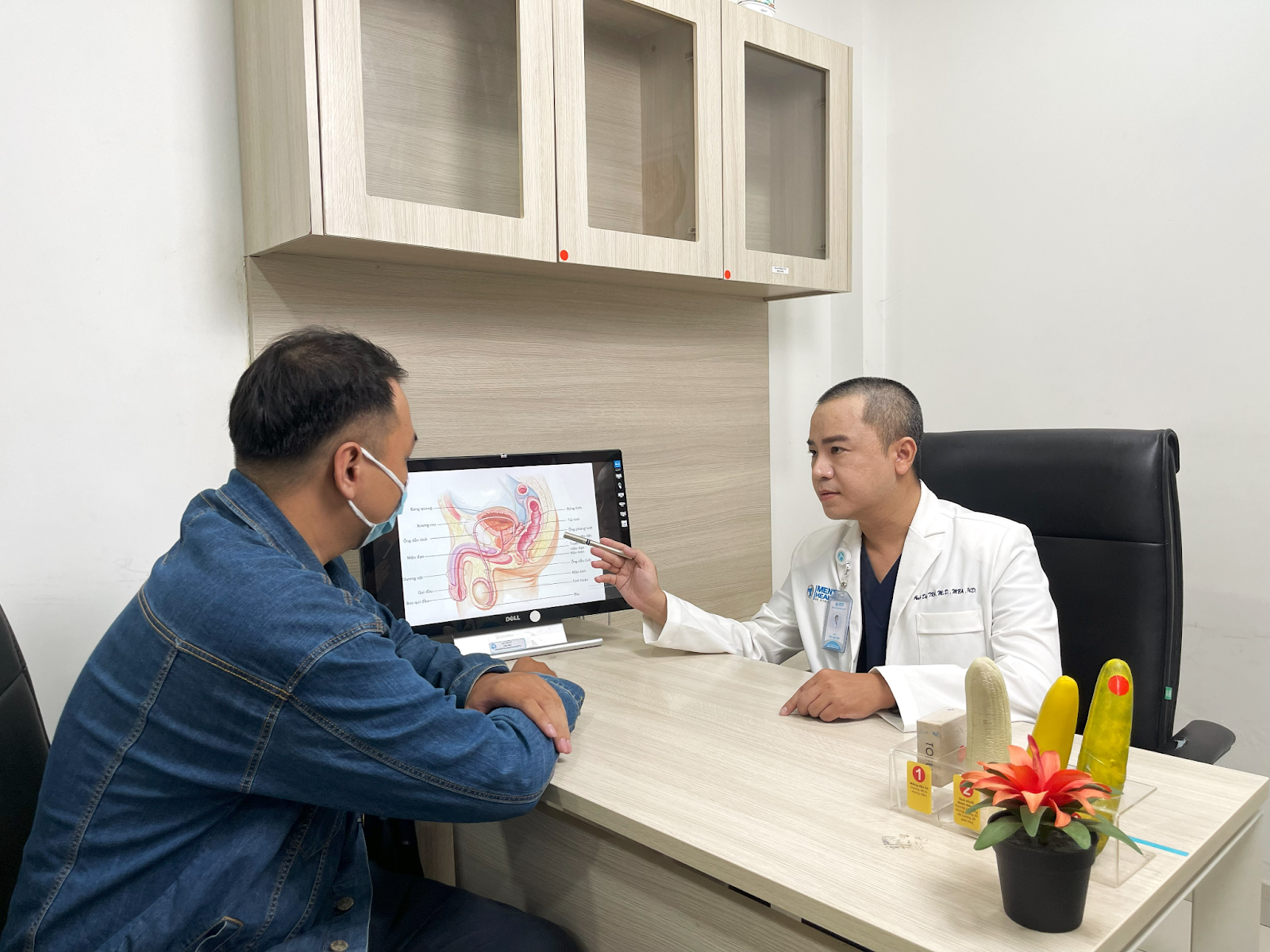
During the treatment of andrological diseases as well as the management of side effects from hormonal therapy, using medications as prescribed and purchasing medications from clear origins is a vital principle. Men’s Health Andrology Pharmacy is a unit within the Men’s Health Center ecosystem, founded by Dr. Tra Anh Duy, MD, PhD.
Here, patients are always thoroughly consulted by doctors and pharmacists, with clear explanations about the uses, side effects, and how to combine medications for treating acne and hair loss while using Testosterone. Men’s Health pays special attention to professionalism, safety, information confidentiality, and respecting the need for personalized treatment regimens for each client. Prescription endocrine medications, 5-AR inhibitors, or oral antibiotics for acne at the pharmacy all require a specialist doctor’s prescription after direct consultation, strictly discouraging patients from buying and using them based on word-of-mouth experience. The close companionship between the prescribing doctor and the pharmacist guiding the medication use at Men’s Health will help the men’s health care journey proceed discreetly, safely, and achieve medical goals.
Common Mistakes When Managing Hormonal Acne and Hair Loss
- Arbitrarily stopping Testosterone: The thought that “stopping the drug will clear acne and stop hair loss” is a major mistake. Sudden cessation causes a rapid drop in hormone levels, causing fatigue, weakness, muscle loss, and depression.
- Sharing someone else’s prescription: Each individual has different androgen sensitivity and liver/kidney function. Sharing oral acne prescriptions (like Isotretinoin) or hair loss prescriptions (Finasteride) is extremely dangerous.
- Trusting unverified “rapid hair growth, rapid acne treatment” products: Mixed creams containing corticosteroids or unverified herbal remedies can damage the skin barrier, cause more severe folliculitis, and destroy the chance of hair follicle recovery.
Scientific Lifestyle to Prevent and Mitigate Symptoms
Besides medication regimens, lifestyle changes play an equally important role:
- Proper skin and hair care: Use a gentle cleanser containing Salicylic Acid; shower immediately after sports to prevent sweat from clogging pores. Use a low-chemical shampoo and do not brush hair too forcefully when wet.
- Diet: Limit foods with a high glycemic index (sweets, refined carbohydrates) and cow’s milk, as they increase IGF-1, stimulating stronger sebum secretion. Increase intake of green vegetables, zinc, and Omega-3 for natural anti-inflammatory benefits.
- Stress management: Stress increases Cortisol levels, which in turn further disrupts the endocrine system, causing acne to swell larger and hair to fall out more.
How Are Acne and Hair Loss Caused by Testosterone Explained and Frequently Asked Questions
Does acne caused by Testosterone go away on its own when stopping the medication?
If Testosterone is stopped (under a doctor’s guidance), endocrine levels will return to baseline, and excessive sebum secretion will subside. Therefore, acne may clear up on its own after a few months. However, if the acne has progressed to a severe inflammatory cystic form, the patient still needs specialized medication to avoid permanent scarring.
Can hair lost due to Testosterone grow back?
Unlike acne, hormonal hair loss (Androgenetic alopecia) is very difficult to recover from naturally if the hair follicles have completely miniaturized. If detected and intervened early (when the follicles have only shrunk and not yet disappeared), using hair growth stimulants and DHT inhibitors can help partially regrow hair. However, recovery requires at least 6 months of persistent treatment.
Should I use acne and hair loss medications together while on Testosterone?
Co-administration requires careful prescription from a doctor. For example, some oral acne medications are harmful to the liver; if used together with hormonal medications that are also metabolized via the liver, it can overload liver function. Patients must discuss all current medications clearly with their specialist.
How can I use Testosterone safely without getting acne and hair loss?
To use Testosterone safely, patients must adhere to the correct physiological dosage prescribed by the doctor and undergo periodic blood tests to monitor Testosterone, DHT, and liver/kidney function. Report immediately to the doctor at the first signs of hair loss or small breakouts for timely dose adjustments or preventive measures.
Are topical medications enough to treat acne and hair loss caused by Testosterone?
Topical medications (like Benzoyl Peroxide for acne, Minoxidil for hair loss) only address the superficial part of the problem in mild cases. If the root cause is a high excess of DHT from within, patients usually have to combine adjusting the TRT dosage or using additional systemic oral medications as medically prescribed to achieve optimal results.
Conclusion and Medical Advice from the Doctor
The phenomenon of acne and hair loss due to Testosterone use are predictable physiological reactions, stemming from the increased conversion of the DHT hormone, which stimulates sebaceous glands and degenerates hair follicles. This condition is completely controllable if patients clearly understand the mechanism and adhere to medical principles.
The most important advice is that men should absolutely not arbitrarily buy internal acne medications or hair loss inhibitors based on word-of-mouth, nor should they abruptly stop Testosterone therapy on their own. When noticing abnormal signs regarding skin and hair, the top priority is to contact a specialist for endocrine testing and regimen adjustment. The Men’s Health Center ecosystem is always ready to accompany, support examinations, monitor health, and provide safe, discreet, and professional pharmaceutical solutions, helping men simultaneously improve their vitality and maintain their physical appearance sustainably.