

Failure to ejaculate during sexual intercourse is a condition in which a man is able to achieve and maintain an erection and engage in sexual activity for an extended period but is unable to ejaculate, or requires an unusually long time to reach ejaculation. This is a form of ejaculatory dysfunction that can affect sexual satisfaction, fertility, and psychological well-being.
Many people confuse this condition with delayed ejaculation or erectile dysfunction. However, these are distinct disorders with different underlying causes and management approaches. Identifying the correct cause is essential for appropriate treatment.
What Is Failure to Ejaculate During Intercourse?
Failure to ejaculate during intercourse (anejaculation, or in some cases severe delayed ejaculation) refers to the inability to ejaculate despite:
- Having normal sexual desire
- Achieving and maintaining a satisfactory erection
- Engaging in normal sexual intercourse
- Reaching or nearly reaching orgasm without releasing semen
Some men experience this problem only during intercourse but can ejaculate during masturbation, while others are unable to ejaculate under any circumstances.
Signs and Symptoms
Men with this condition may experience one or more of the following:
- Sexual intercourse lasting an unusually long time without ejaculation
- No semen released after orgasm
- Fatigue from prolonged sexual activity
- Difficulty satisfying a partner because intercourse lasts excessively long
- Anxiety or loss of confidence before or during sex
- Difficulty conceiving despite regular unprotected intercourse
If these symptoms occur repeatedly or persist for several months, medical evaluation is recommended.
Causes of Failure to Ejaculate During Intercourse
1. Psychological Factors
Psychological issues are among the most common causes, especially in younger men.
Contributing factors may include:
- Chronic stress
- Work-related pressure
- Performance anxiety
- Relationship conflicts
- Depression
- Lack of emotional intimacy with a partner
These factors can interfere with the neurological processes required for ejaculation.

2. Medication Side Effects
Certain medications may affect the ejaculation reflex, including:
- Antidepressants
- Blood pressure medications
- Sedatives
- Some medications used to treat psychiatric disorders
If you suspect your medication is contributing to the problem, consult your healthcare provider before making any changes. Never stop prescribed medication without professional medical advice.
3. Nerve Damage
Ejaculation depends on proper nervous system function.
Conditions that may damage the nerves involved include:
- Spinal cord injury
- Diabetic neuropathy
- Pelvic surgery
- Prostate surgery
- Neurological disorders
4. Hormonal Disorders
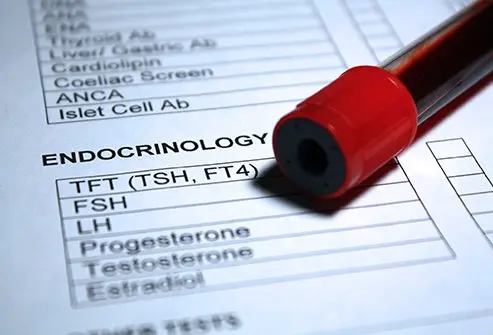
Hormonal imbalances, particularly low testosterone levels, can reduce sexual desire and impair the ability to ejaculate.
5. Prostate Disorders
Conditions affecting the prostate may interfere with ejaculation, including:
- Prostatitis
- Prostate surgery
- Benign prostatic hyperplasia (BPH)
6. Retrograde Ejaculation
In some men, semen travels backward into the bladder instead of exiting through the urethra. This condition is known as retrograde ejaculation.
Common signs include:
- Orgasm without visible semen
- Very little semen during ejaculation
- Cloudy urine after sexual activity
7. Masturbation Habits
Frequent masturbation or relying on highly specific stimulation techniques over a long period may make it more difficult to ejaculate during intercourse with a partner.
Is Failure to Ejaculate During Intercourse Dangerous?
Not always. However, if the condition persists, it may lead to several consequences, including:
- Reduced sexual satisfaction
- Emotional stress for both partners
- Reduced natural fertility
- Decreased self-confidence
- An underlying neurological, hormonal, or urinary tract condition that requires medical evaluation
Persistent symptoms should not be ignored.
When Should You See a Doctor?
Men should seek medical attention if they:
- Are unable to ejaculate during repeated sexual encounters
- Have symptoms lasting longer than three months
- Have normal sexual desire but cannot ejaculate
- Experience pain during intercourse or orgasm
- Have a history of diabetes or pelvic surgery
- Are trying to conceive but experiencing fertility difficulties
Early medical evaluation can help identify the underlying cause and guide appropriate treatment.
How to Improve Failure to Ejaculate During Intercourse
Adopt a Healthy Lifestyle
Healthy lifestyle habits can help support sexual function, including:
- Sleeping 7–9 hours each night
- Exercising regularly
- Limiting alcohol consumption
- Avoiding smoking
- Maintaining a healthy body weight
Manage Stress
Chronic stress can interfere with the normal ejaculation reflex.
Helpful strategies include:
- Taking adequate time to rest
- Practicing meditation or deep breathing exercises
- Communicating openly with your partner
- Seeking psychological support when needed
Build a Healthy Sexual Relationship
Good communication and mutual understanding between partners can reduce performance anxiety and improve intimacy.
It is also helpful to avoid placing excessive pressure on achieving ejaculation during every sexual encounter.

Avoid Excessive Masturbation
If masturbation is very frequent or involves unusually intense stimulation, gradually adjusting these habits may help the body respond more naturally during partnered sex.
Schedule Regular Health Checkups
Routine medical examinations can help detect conditions such as diabetes, hormonal imbalances, or prostate disorders that may affect ejaculation.
Conclusion
Failure to ejaculate during sexual intercourse is a form of ejaculatory dysfunction that may result from psychological factors, nerve disorders, hormonal imbalances, medication side effects, or conditions affecting the male reproductive system. Although it is not always a serious medical problem, persistent inability to ejaculate can significantly affect sexual satisfaction, fertility, and emotional well-being.
Men who experience repeated episodes of anejaculation or notice other unusual symptoms should seek professional medical evaluation to determine the underlying cause and receive appropriate guidance.
If you’re looking for trusted solutions to support your men’s health, visit Men’s Health Andrology Pharmacy at 7B/31 Thanh Thai Street, Dien Hong Ward, Ho Chi Minh City, Vietnam. Our experienced pharmacists are ready to provide professional consultation and personalized support.
📞 Free Consultation Hotline: +84 911 161 161
🌐 Website: nhathuocnamkhoa.com