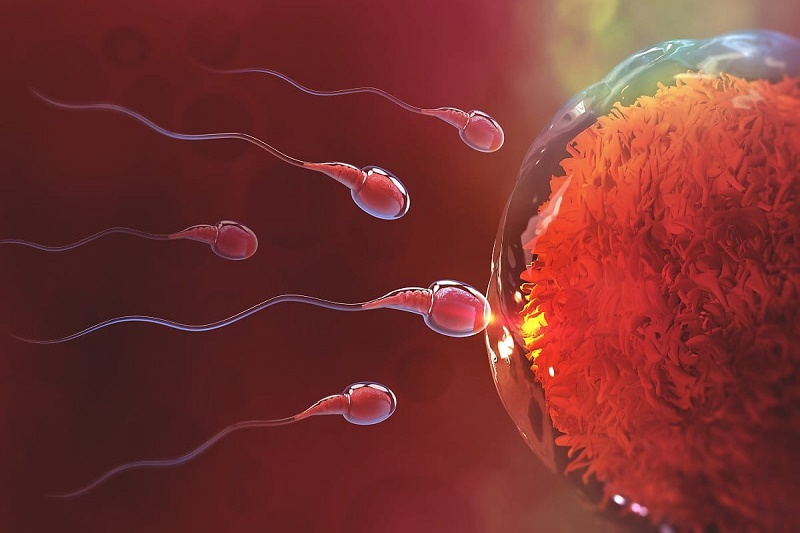

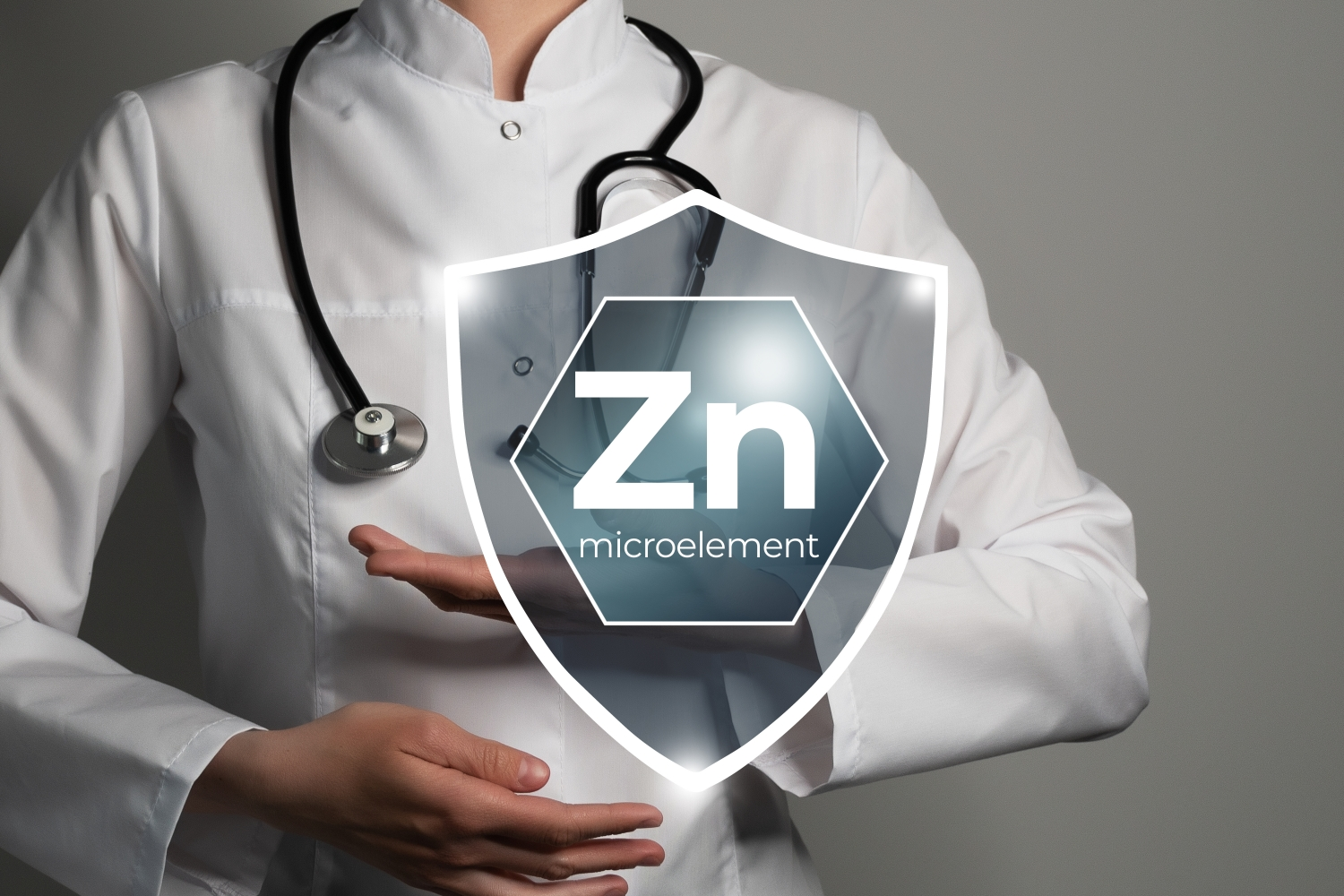
In the field of andrology, Zinc is frequently hailed as the “gold standard” micronutrient for male reproductive support. It is indispensable for testosterone biosynthesis, enzymatic function in spermatogenesis, and systemic immune defense.
However, many men find themselves caught in a paradox: they follow recommended supplementation protocols, yet they fail to see the expected improvements in their reproductive parameters. The missing piece of this puzzle is rarely the dosage of the supplement-it is the bioavailability of the nutrient, which is governed entirely by the health of the gastrointestinal system.
The Absorption Bottleneck
To understand the limitation of isolated supplementation, one must look at the physiology of digestion. Zinc is primarily absorbed in the small intestine. This process requires a pristine, functional intestinal mucosa to transport the mineral into the bloodstream efficiently.
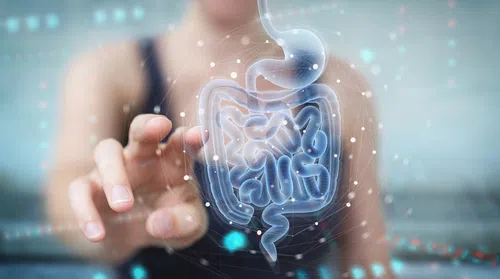
If the intestinal lining is compromised due to chronic inflammation, or if the microbial balance is disrupted-a state known as dysbiosis-the absorption of vital micronutrients is significantly impaired. In such cases, even if you are providing your body with high-quality zinc, your digestive system may act as a barrier rather than a gateway, preventing these essential elements from reaching the tissues where they are needed most.
The Microbiome: The Gatekeeper of Micronutrients
The human gut is far more than a digestive organ; it is a metabolic powerhouse. A healthy gut microbiome performs several critical functions that are essential for male reproductive success:
- Maintaining Mucosal Integrity: A balanced ecosystem protects the mucosal barrier of the small intestine, ensuring that nutrient transport mechanisms function without interference.
- Facilitating Enzymatic Processes: Gut microbiota contribute to the metabolic environment, creating the ideal pH and biochemical conditions necessary for mineral absorption.
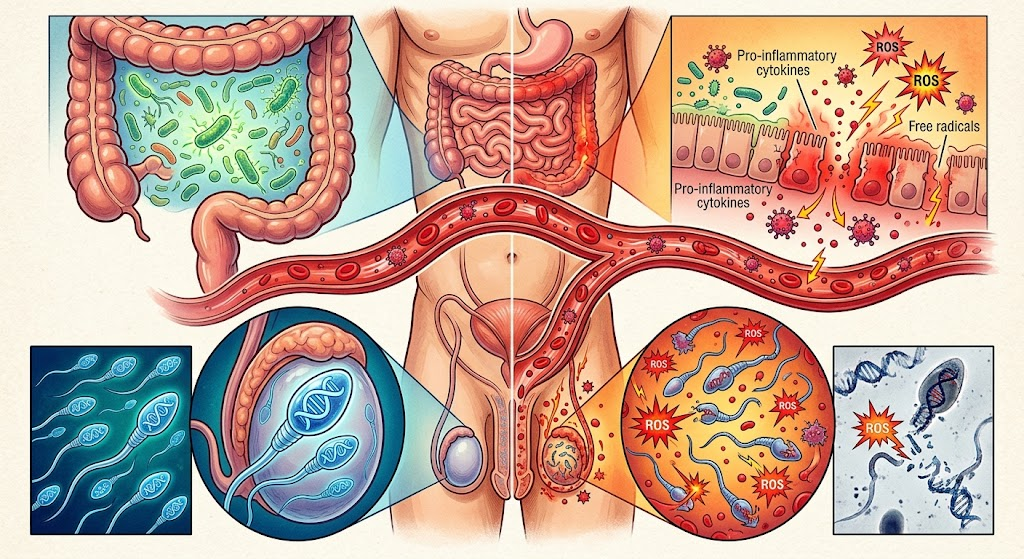
- Regulating Systemic Inflammation: A diverse microbiome helps suppress low-grade, chronic inflammation. This is crucial because systemic inflammatory markers can inhibit the body’s ability to synthesize testosterone and protect sperm cells from oxidative damage.
Connecting the Dots: The Gut–Testis Axis
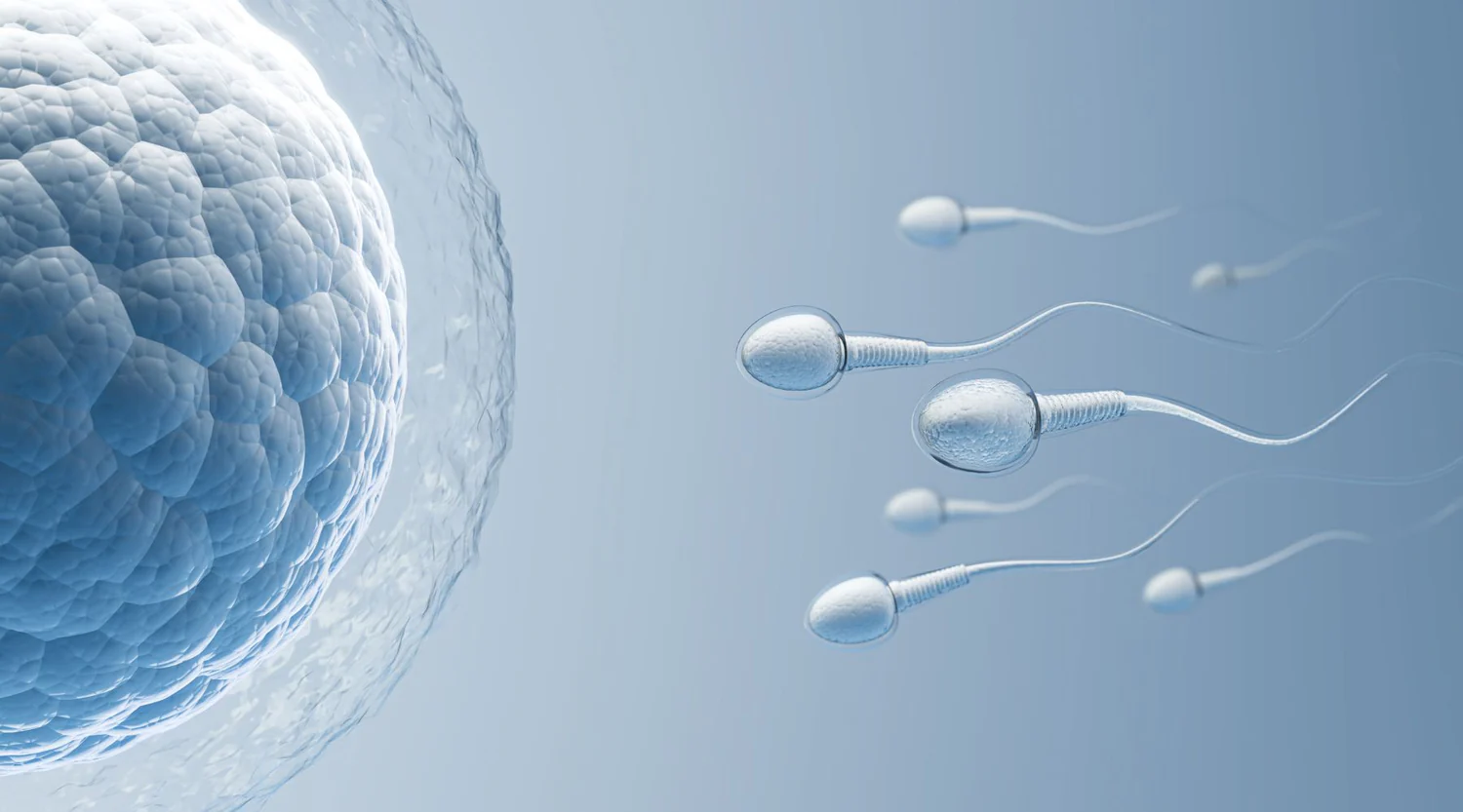
We are now recognizing the Gut–Testis Axis-a bidirectional communication pathway where the health of your gut microbiota directly correlates with the quality of your spermatogenesis. When the gut is imbalanced, the resulting systemic inflammation can trigger oxidative stress, which we know to be a primary culprit behind DNA fragmentation and reduced sperm motility.
Consequently, treating male infertility by focusing only on the testicles is a reductionist approach. To optimize reproductive potential, we must treat the “host environment”-the gut-first.A Holistic Strategy for Optimization
For men seeking to optimize their reproductive health, the strategy should move beyond simple supplementation toward a comprehensive, systems-based approach:
- Optimize the Microbiome: Prioritize a diet rich in high-fiber whole foods to support microbial diversity. Fermented foods (such as kefir, kimchi, or yogurt) act as natural vehicles for beneficial probiotics.
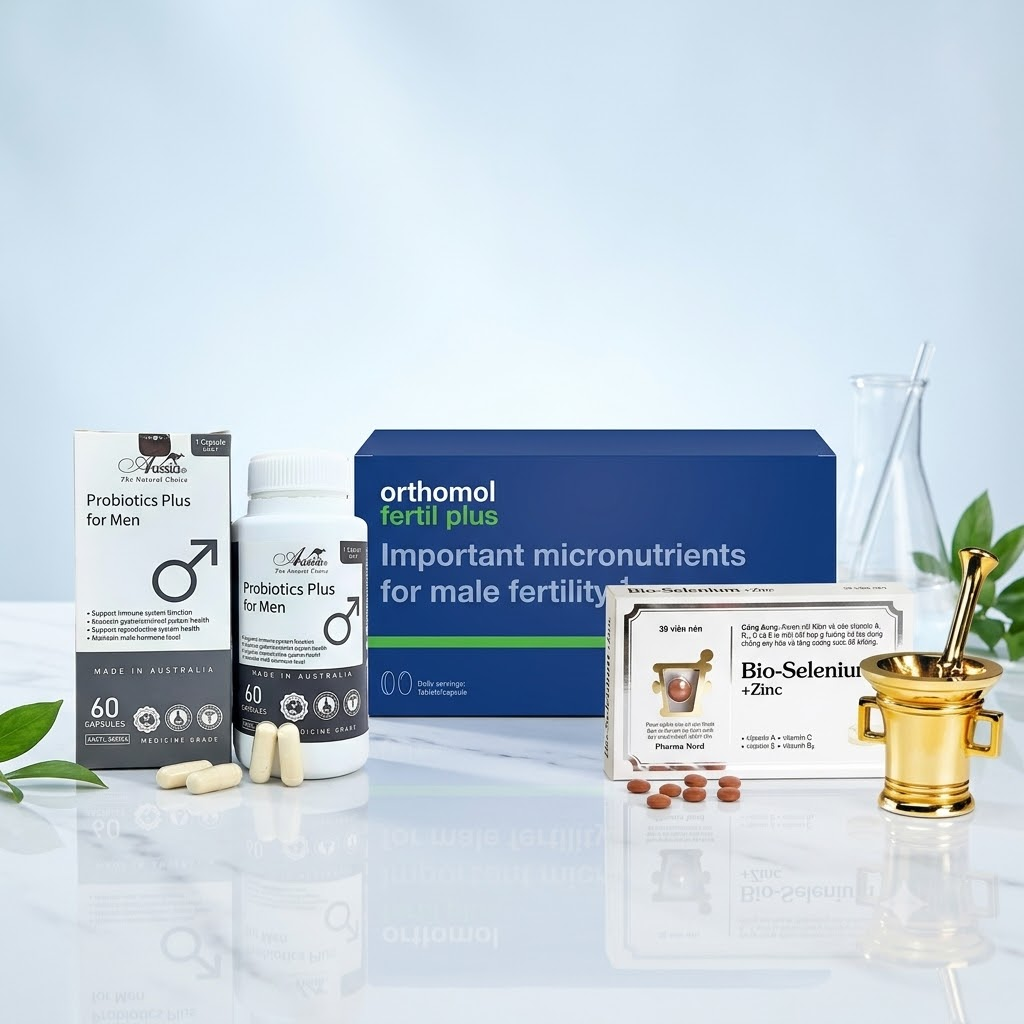
- Personalized Supplementation: Instead of isolated supplements, consider formulas that integrate multiple co-factors. High-quality protocols often combine Zinc and Selenium (such as Bio-Selenium ZINC) with probiotics or botanical extracts like Maca-which may support overall reproductive vitality and gut health simultaneously.
- Comprehensive Assessment: If you are experiencing fertility challenges, testing your semen and hormone profiles is only the first step. Understanding the systemic environment, including your gut health and micronutrient status, is essential for a targeted treatment plan.
The Path Forward
Zinc remains a critical component of male health, but it is not a standalone solution. By nurturing your gut microbiome, you create the physiological foundation necessary for your body to absorb, process, and utilize the micronutrients required for optimal fertility.
Note: Nutritional strategies are supportive and are not substitutes for professional medical diagnosis or endocrine treatment.
If you have questions regarding your fertility, hormone levels, or how to optimize your health through a targeted, evidence-based approach, our team of specialists at Men’s Health Clinic is here to guide you.
Men’s Health Clinic
📍 7B/31 Thành Thái, Phường Diên Hồng, TP. Hồ Chí Minh
📞 Hotline: 0911 161 161
Our medical specialists are ready to provide expert, personalized guidance tailored to your specific clinical needs.