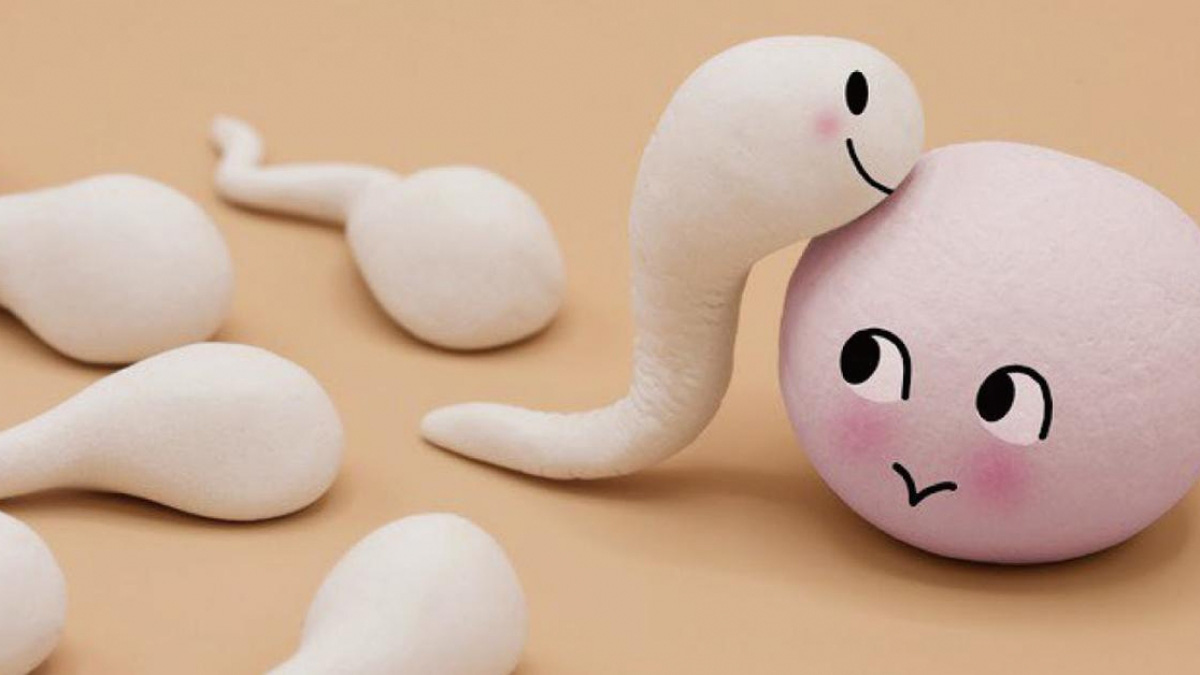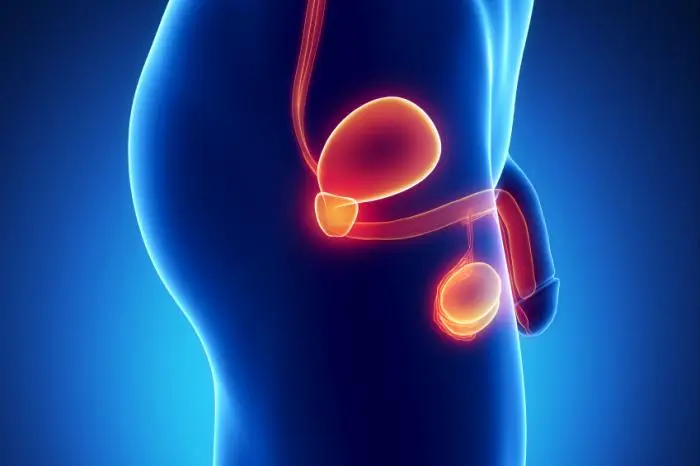

Male infertility accounts for approximately 40–50% of infertility cases among couples worldwide. One of the most common causes is poor sperm quality, including low sperm count, weak sperm motility, or abnormal sperm morphology.
Research in andrology indicates that oxidative stress plays a key role in sperm damage. When free radicals accumulate excessively, they can damage sperm DNA, reduce sperm motility, and impair the ability of sperm to fertilize an egg.
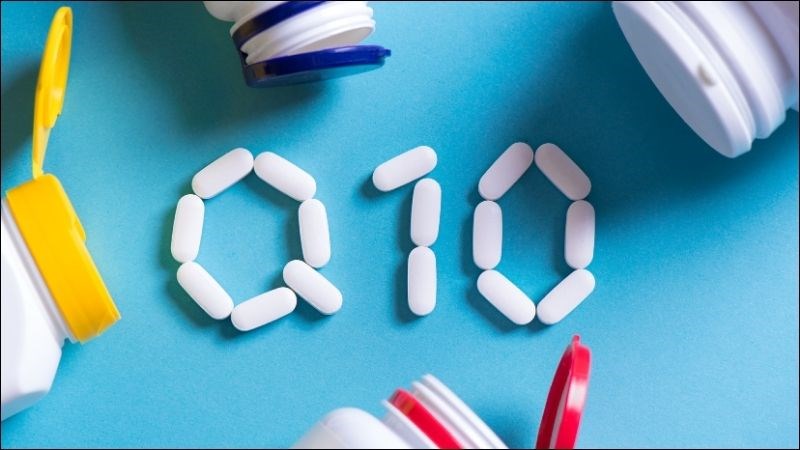
In recent years, Coenzyme Q10 (CoQ10) has attracted significant attention as a potential antioxidant that may help support male reproductive health and sperm quality.
But does CoQ10 really improve sperm quality? Let’s explore the scientific evidence from the perspective of a men’s health pharmacist.
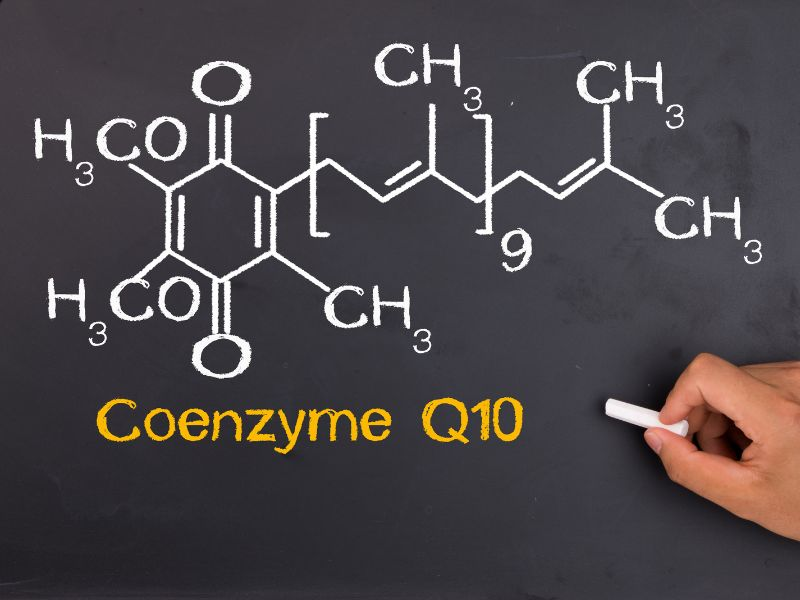
What Is CoQ10?
CoQ10 and Its Role in the Human Body
Coenzyme Q10 (CoQ10) is a fat-soluble coenzyme naturally found in almost all cells of the human body.
It plays two important biological roles that are highly relevant to male fertility.
1. Supporting Cellular Energy Production
CoQ10 is a key component of the mitochondrial electron transport chain, which helps:
- produce ATP (cellular energy)
- support cell metabolism
- maintain normal cellular function
This function is particularly important for sperm cells, as they require a large amount of energy to swim through the female reproductive tract in order to reach the egg.
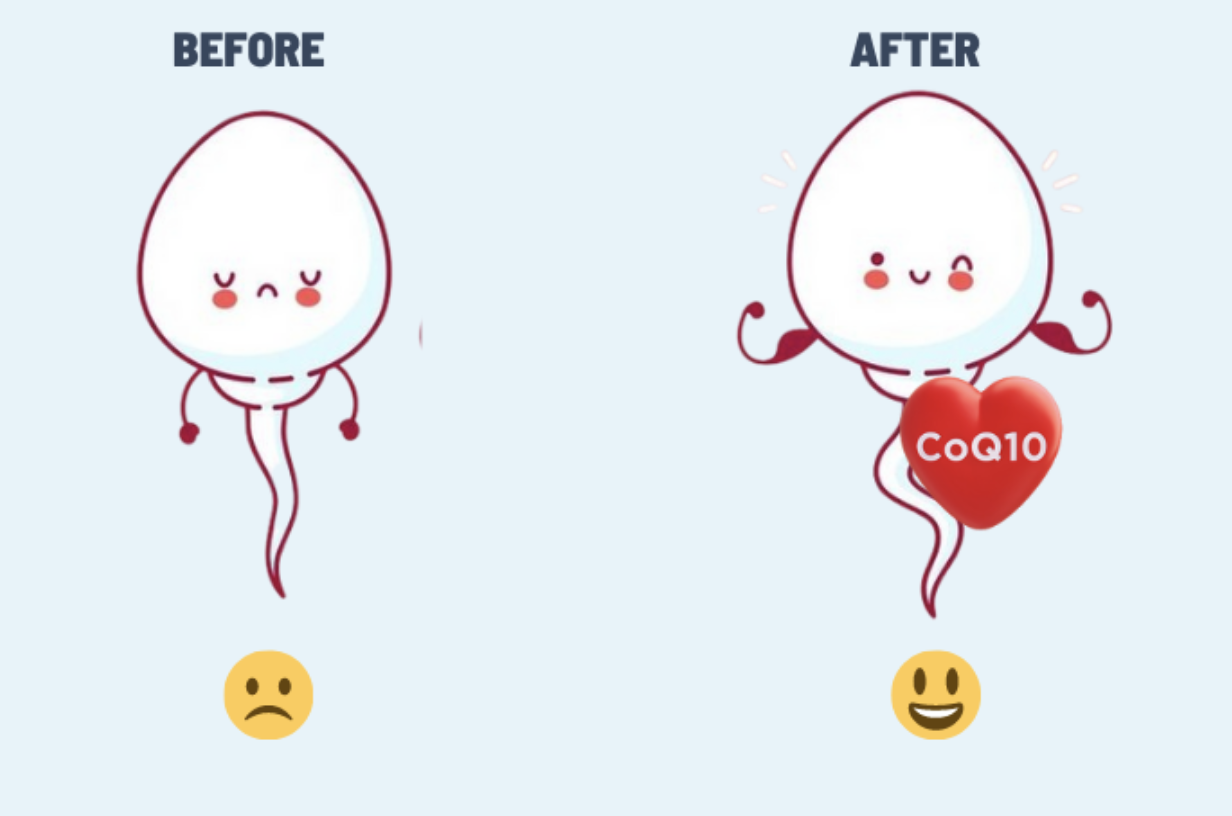
2. Acting as a Powerful Antioxidant
CoQ10 is also known for its strong antioxidant activity, allowing it to:
- neutralize free radicals
- protect cell membranes
- reduce DNA damage
Because of these protective effects, CoQ10 is considered a key antioxidant for male reproductive health.
Does CoQ10 Improve Sperm Quality?
Scientific studies suggest that CoQ10 may improve sperm quality through several mechanisms.
1. Improving Sperm Motility
Sperm motility is one of the most important factors affecting male fertility.
Sperm must generate enough energy to travel from the vagina to the fallopian tube, where fertilization occurs.
CoQ10 may help by:
- increasing ATP production
- improving mitochondrial efficiency
- enhancing sperm movement
Several clinical studies have reported that CoQ10 supplementation can significantly improve progressive sperm motility in men with fertility issues.
2. Reducing Oxidative Stress That Damages Sperm
Sperm cells are particularly vulnerable to oxidative stress caused by free radicals.
High oxidative stress may lead to:
- sperm DNA damage
- reduced fertilization potential
- increased risk of early miscarriage
CoQ10 helps:
- neutralize reactive oxygen species (ROS)
- protect sperm cell structure
- improve overall sperm quality
3. Increasing Sperm Count and Concentration
Some studies suggest that men diagnosed with:
- Oligospermia (low sperm count)
- Asthenospermia (poor sperm motility)
may experience improvements after 3–6 months of CoQ10 supplementation, including:
- increased sperm count
- improved sperm concentration
- a higher proportion of healthy sperm cells
Who Should Consider Taking CoQ10 for Male Fertility?
CoQ10 supplementation may be beneficial for several groups of men.
Men with Low Sperm Motility
Common signs include:
- poor sperm movement
- a high percentage of abnormal sperm cells
Men Experiencing Difficulty Conceiving
Couples may consider evaluation when:
- pregnancy has not occurred after 12 months of regular unprotected intercourse
- semen analysis results are abnormal
Men with High Oxidative Stress Lifestyle Factors
Certain lifestyle habits can increase oxidative stress, including:
- smoking
- excessive alcohol consumption
- chronic stress
- insufficient sleep
Men with Underlying Health Conditions
Several medical conditions may negatively affect sperm quality, including:
- diabetes
- obesity
- hypertension
These conditions are associated with increased oxidative stress and may impair male reproductive function.
Recommended CoQ10 Dosage for Male Fertility Support
Clinical studies commonly use the following dosage:
100–300 mg of CoQ10 per day
Recommended supplementation duration:
at least 3–6 months
This is because the spermatogenesis cycle lasts approximately 74 days, meaning it takes time for new sperm cells to develop and reflect improvements in quality.
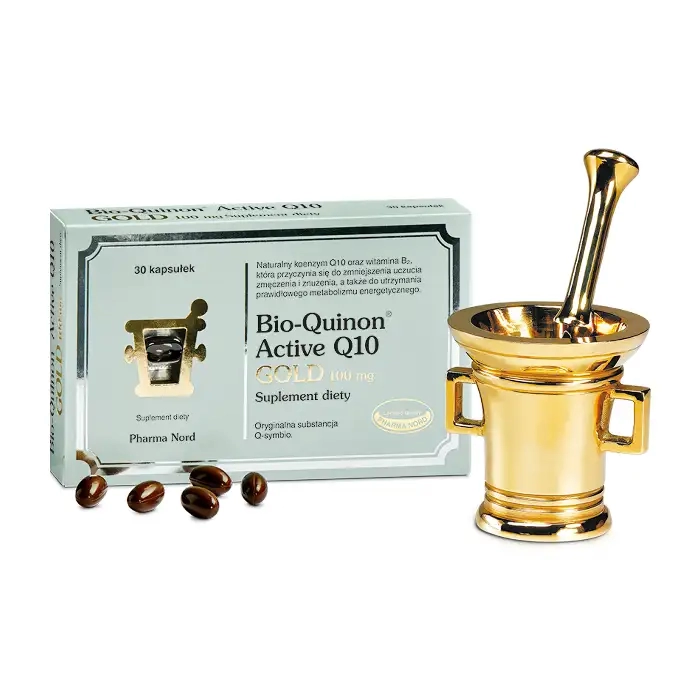
One internationally recognized CoQ10 product that has been widely studied is Bio-Quinone Q10 Gold.
Conclusion: Can CoQ10 Improve Sperm Quality?
CoQ10 plays an important role in supporting male reproductive health by helping to:
- increase cellular energy production
- reduce oxidative stress
- improve sperm motility
When taken at the appropriate dose and duration, CoQ10 supplementation may help improve sperm quality and support male fertility.
For better results, men should also:
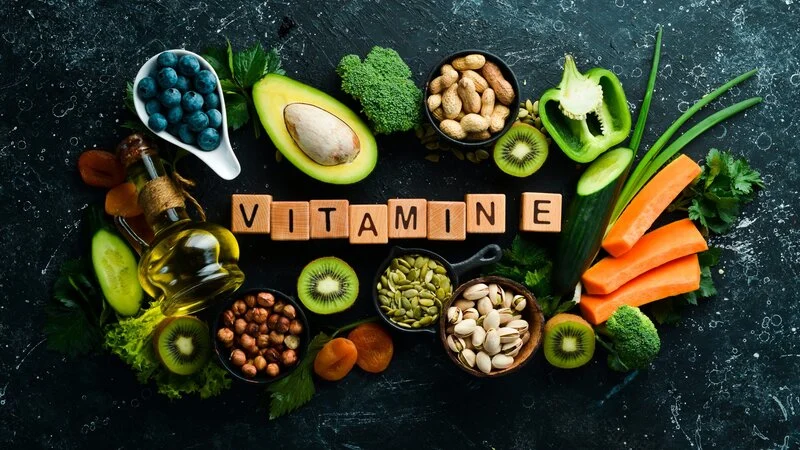
- combine CoQ10 with nutrients such as zinc, L-carnitine, vitamin E, and selenium
- maintain a healthy lifestyle
If you are looking for solutions to support male reproductive health, you can visit Men’s Health Andrology Pharmacy:
Address: 7B/31 Thanh Thai Street, Ho Chi Minh City
Hotline: 0911 161 161
Website: nhathuocnamkhoa.com