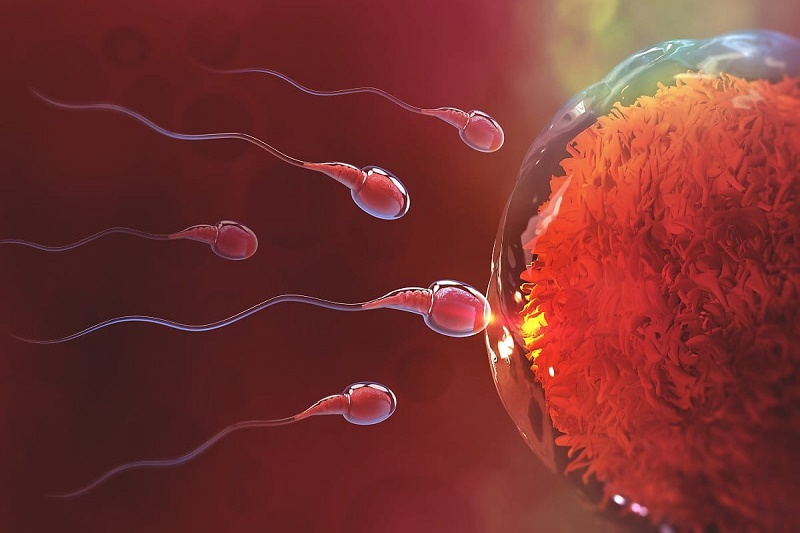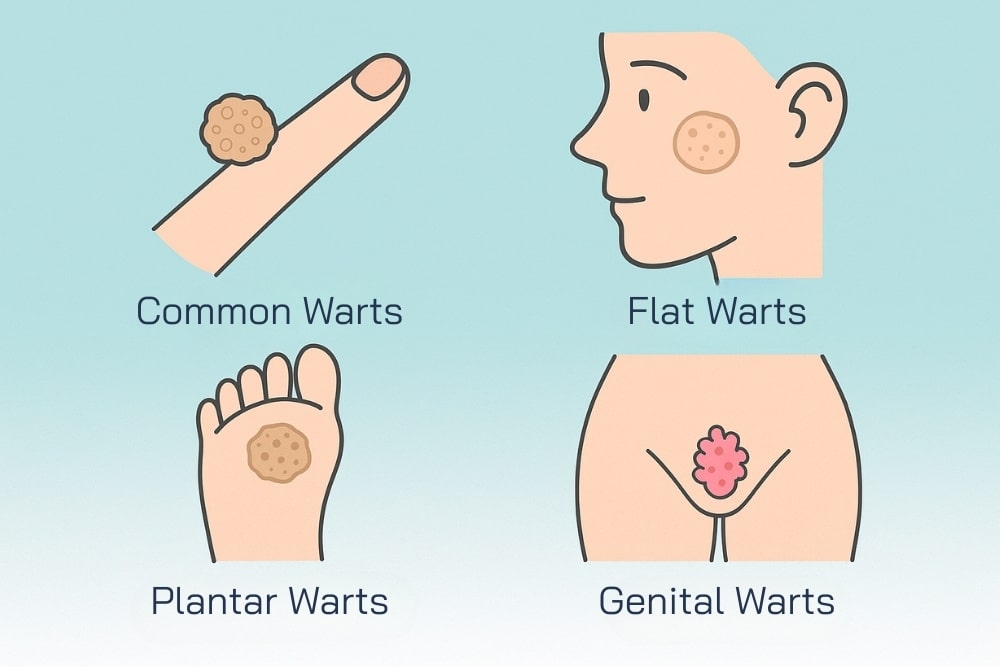

Andrology examination, commonly known as male reproductive health check-up or men’s health screening in the context of urology-andrology, is a specialized medical evaluation focused exclusively on male reproductive and sexual health. It involves a comprehensive assessment of the male genital organs, sexual function, fertility potential, and related urinary-genital conditions. Performed by andrologists or urologists specializing in men’s health, this examination goes far beyond a routine physical check-up by targeting issues unique to male physiology, such as erectile function, sperm quality, prostate health, and hormonal balance.
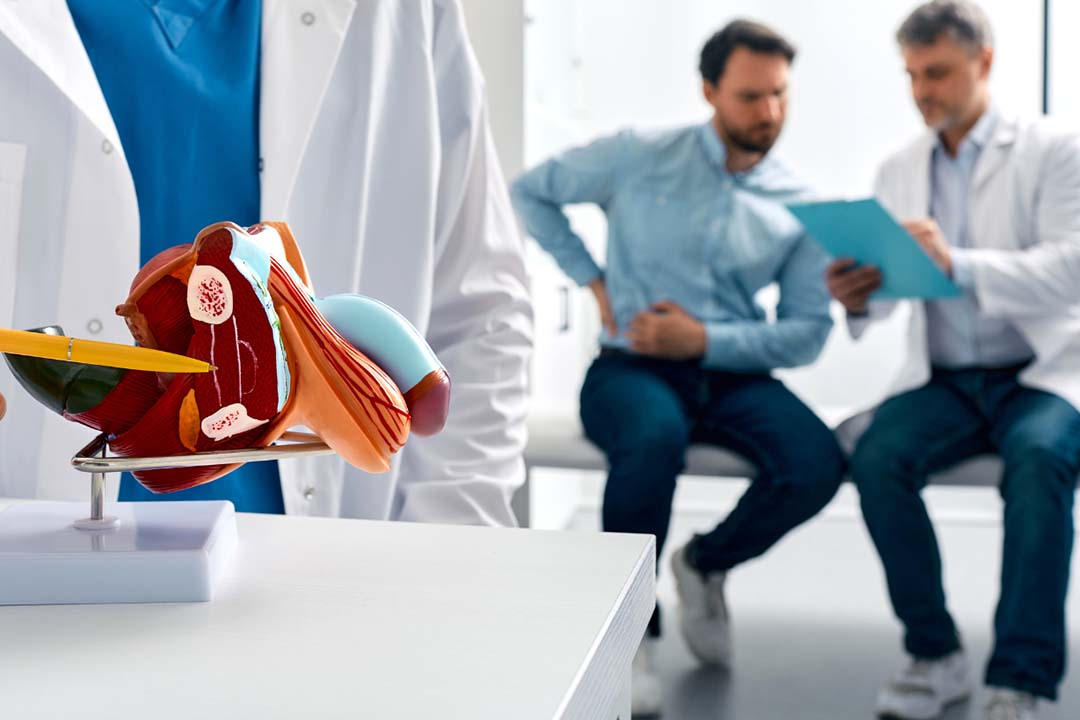
Unlike general health screenings, andrology examination delves deeply into male-specific concerns including testosterone levels, penile and testicular abnormalities, prostate conditions, and reproductive capacity. It plays a critical role in early detection of disorders that can significantly impact quality of life, marital harmony, and long-term fertility.
Why Is Andrology Examination Important? The Key Role of Men’s Specialized Check-ups
From puberty through adulthood and into later life, men face a variety of reproductive and sexual health challenges. Testosterone—the primary male hormone—begins to decline naturally around age 30 at an average rate of about 1% per year. This gradual decline, combined with modern lifestyle factors such as chronic stress, sedentary behavior, smoking, excessive alcohol consumption, poor sleep, and obesity, significantly increases the risk of developing andrological conditions.
Regular andrology examinations provide multiple long-term benefits:
- Early identification of silent or subclinical diseases before symptoms become severe.
- Accurate evaluation of hormonal status, sperm parameters, and genital anatomy to support fertility planning.
- Improvement and maintenance of sexual performance and satisfaction in relationships.
- Personalized lifestyle and nutritional guidance to naturally optimize testosterone and overall vitality.
- Creation of a longitudinal health record for monitoring trends and catching changes early.
According to updated international and Vietnamese medical guidelines, healthy men are recommended to undergo andrology screening at least once a year starting from age 30, or more frequently if risk factors are present (family history of prostate cancer, infertility concerns, metabolic syndrome, etc.).
Detailed Andrology Examination Process – Step-by-Step Breakdown
A standard andrology examination follows a structured, evidence-based protocol and typically lasts 45–90 minutes depending on the extent of testing required. The process is divided into three main phases:
1. Medical History Taking and General Physical Assessment
The session begins with a detailed interview conducted in a private, comfortable setting. The doctor will ask about:
- Personal and family medical history (diabetes, hypertension, cardiovascular disease, endocrine disorders, cancers).
- Lifestyle habits: smoking, alcohol intake, recreational drug use, exercise frequency, diet patterns.
- Sexual history: frequency of intercourse, number of partners, any history of sexually transmitted infections (STIs), erectile or ejaculatory difficulties.
- Previous surgeries, injuries, or treatments involving the genital area (circumcision, hernia repair, testicular trauma, etc.).
- Current symptoms: pain in the genital region, changes in libido, erection quality, ejaculation issues, urinary complaints.
Next, basic vital signs and anthropometric measurements are recorded:
- Height, weight, waist circumference, body mass index (BMI).
- Blood pressure and heart rate.
- General physical exam to rule out systemic conditions that may indirectly affect male reproductive health (e.g., obesity, thyroid issues).

2. Genital Examination – The Core of Andrology Assessment
This is the most distinctive and specialized part of the examination, requiring both clinical skill and patient relaxation for accurate findings.
- External visual inspection and palpation:
- Penis: size, shape, skin condition, presence of lesions, scars, inflammation, or Peyronie’s plaques.
- Prepuce (foreskin): phimosis (tight foreskin), paraphimosis, recurrent balanitis (inflammation of the glans), frenulum issues.
- Scrotum and testes: size, position, consistency, presence of masses, tenderness, hydrocele, varicocele (dilated veins), or undescended testicle.
- Urethral meatus (opening): signs of inflammation, discharge, stricture.
- Digital rectal examination (DRE): The physician, wearing gloves and using lubricant, gently inserts a finger into the rectum to palpate the prostate gland. This quick 10–20 second procedure assesses:
- Prostate size (enlarged in benign prostatic hyperplasia – BPH).
- Surface texture (nodularity or hardness suggestive of malignancy).
- Consistency and tenderness (inflammation in prostatitis).
- Any abnormal secretions expressed from the urethra.
While slightly uncomfortable for some men, a properly performed DRE is brief and generally painless.
3. Supporting Laboratory and Imaging Investigations
Based on history, symptoms, and clinical findings, the doctor may order additional tests, including:
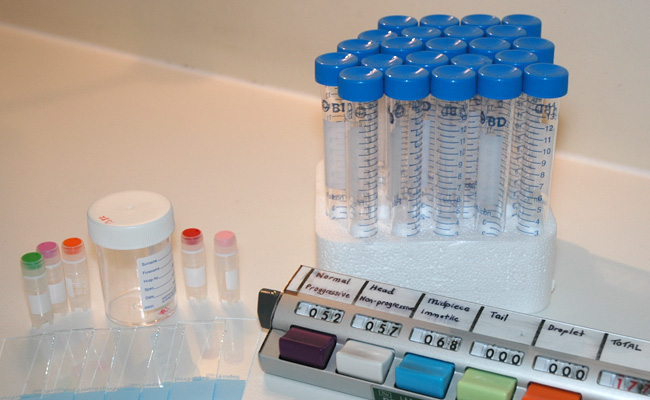
- Semen analysis (spermogram): The gold-standard test for male fertility. Evaluates semen volume, sperm count, motility, morphology, vitality, and other parameters after 3–7 days of sexual abstinence.
- Hormonal profile: Total and free testosterone, FSH, LH, prolactin, estradiol, SHBG—to diagnose hypogonadism or other endocrine imbalances.
- Blood and urine tests:
- Fasting glucose and lipid profile (to exclude diabetes and dyslipidemia).
- Prostate-specific antigen (PSA) for prostate cancer screening (usually recommended from age 45–50, or earlier with risk factors).
- Complete blood count, liver and kidney function tests.
- Ultrasound imaging:
- Scrotal Doppler ultrasound: detects varicocele, testicular tumors, cysts, epididymal abnormalities.
- Transrectal ultrasound (TRUS) of the prostate.
- STI screening: Tests for HIV, syphilis, gonorrhea, chlamydia, trichomonas, HPV, etc.
- Advanced tests (when indicated): Prostate biopsy, antisperm antibody testing, genetic studies for infertility, urethroscopy.
Results from most lab tests are available within 1–7 days.
Long-Term Benefits of Regular Andrology Check-ups
- Early detection of serious conditions: prostate cancer, testicular cancer (most common in young men), severe varicocele leading to infertility.
- Restoration of sexual function: Many cases of erectile dysfunction caused by low testosterone can be effectively managed with hormone optimization.
- Fertility support: Identifying reversible causes of male infertility (which accounts for 40–50% of couple infertility) allows timely intervention.
- Overall health improvement: Early recognition of metabolic diseases linked to low testosterone (diabetes, cardiovascular risk).
- Psychological reassurance: Knowing one’s reproductive health status reduces anxiety and boosts confidence in intimate relationships.

Important Tips Before Your Andrology Visit
- Preparation: Abstain from ejaculation for 3–7 days if semen analysis is planned; avoid alcohol, strong coffee, and heavy meals before the appointment.
- Mindset: Stay relaxed and be open with the doctor—honest communication leads to more accurate diagnosis.
- Hygiene: Clean the genital area thoroughly before the visit.
- Choose a reputable facility: Seek experienced andrologists or urology-andrology departments in trusted medical centers.
Conclusion: Andrology Examination – A Proactive Step Toward Lifelong Male Health
Andrology examination is not something to fear or postpone; it is a responsible investment in your physical, sexual, and emotional well-being. A single thorough check-up can uncover hidden issues, guide effective treatment, and help preserve vitality for years to come. Strong reproductive health today lays the foundation for a fulfilling life tomorrow.
If you have any questions about andrology examination, the detailed process, or other aspects of men’s sexual and reproductive health, feel free to contact Men’s Health Nam Khoa Pharmacy for free consultation from our team of pharmacists and specialist doctors.
Contact Information – Men’s Health Nam Khoa Pharmacy:
- Address: 7B/31 Thành Thái, Ward Diên Hồng, District 10, Ho Chi Minh City
- Hotline: 0911 161 161
- Email: nhathuoc.menhealth@gmail.com
- Working Hours: 08:00 – 20:00