
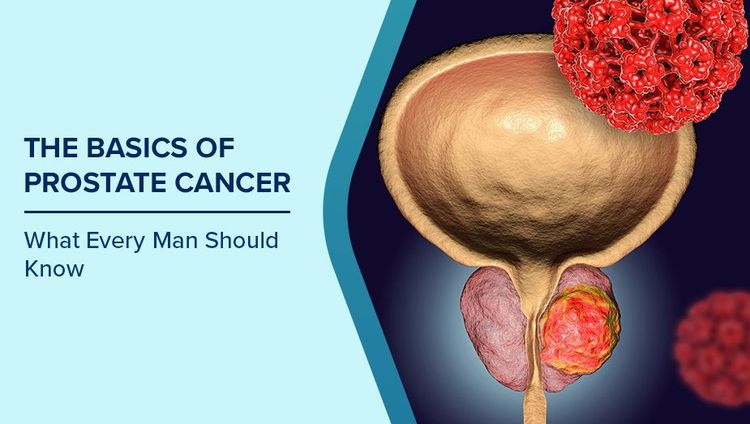
As men enter their 50s and beyond, the prostate gland naturally begins to change. What starts as a walnut-sized organ in younger years often enlarges with age, and for many, this leads to noticeable issues. Prostate problems are extremely common—by age 60, about half of men experience some degree of benign prostatic hyperplasia (BPH), or enlarged prostate, while prostatitis (inflammation) affects a significant number at various ages, and prostate cancer remains one of the most frequently diagnosed cancers in men worldwide.
The good news is that most prostate issues are treatable when caught early. However, symptoms are often subtle, easily dismissed as “just getting older,” or overlap between conditions like BPH, prostatitis, and early prostate cancer. Ignoring them can delay diagnosis and make management more complicated.
In this article, we’ll outline the key early warning signs every man—especially those in their 50s—should monitor closely. These signs come from trusted medical sources such as the National Cancer Institute, American Urological Association guidelines, and recent clinical insights (as of 2025). We’ll also explain why the 50s are a critical decade, when to seek help, and simple steps for proactive prostate health.
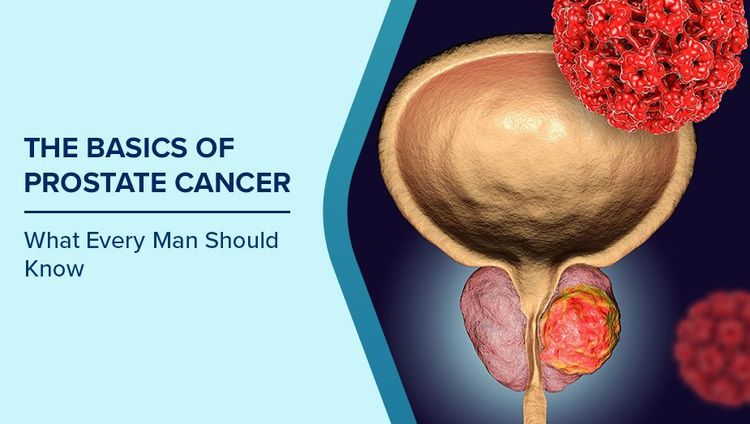
Why the 50s Are a Turning Point for Prostate Health
The prostate continues to grow slowly throughout life due to hormonal changes, particularly involving testosterone and its derivatives. After age 50, this growth accelerates for many men:
- BPH becomes increasingly prevalent, affecting urinary flow as the gland presses on the urethra.
- Prostatitis can flare up from infections or chronic inflammation.
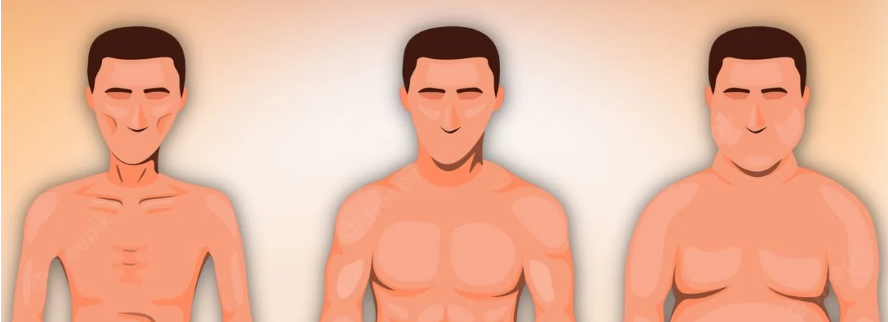
- Prostate cancer risk rises sharply—most cases are diagnosed after 65, but early changes can begin in the 50s, especially with family history, African ancestry, or lifestyle factors like obesity.
Regular check-ups starting around age 50 (or earlier for high-risk groups) allow doctors to catch issues before symptoms worsen. Early detection often means simpler treatments and better outcomes.
The Most Common Early Signs to Watch For
Here are the primary symptoms that signal potential prostate trouble. Many overlap, so one alone doesn’t confirm a specific diagnosis—but persistent or worsening signs warrant prompt medical attention.
- Frequent Urination, Especially at Night (Nocturia) Needing to urinate more often—particularly getting up 2–3+ times per night—is one of the earliest and most reported signs. This happens when an enlarged prostate reduces bladder capacity or irritates it. While common in BPH, sudden or severe nocturia can also hint at other issues.
- Difficulty Starting or Stopping Urination (Hesitancy and Dribbling) A weak, slow, or interrupted urine stream, trouble initiating flow, or dribbling after finishing are classic voiding symptoms. These occur as the prostate compresses the urethra. Many men notice they take longer in the bathroom or feel like the bladder isn’t fully empty.
- Urgency and Incomplete Emptying A sudden, strong urge to urinate (sometimes with leakage) or the persistent sensation that the bladder isn’t fully emptied after going are storage symptoms. These can disrupt daily life and sleep.
- Pain or Burning During Urination or Ejaculation Discomfort, burning, or pain while urinating (dysuria) or during ejaculation often points to inflammation (prostatitis). In some cases, it signals infection or, less commonly, early cancer involvement.
- Blood in Urine or Semen (Hematuria or Hematospermia) Visible blood, even small amounts turning urine pink/red or appearing in semen, is a red-flag symptom. While it can stem from benign causes like infection or stones, it requires immediate evaluation to rule out serious issues.
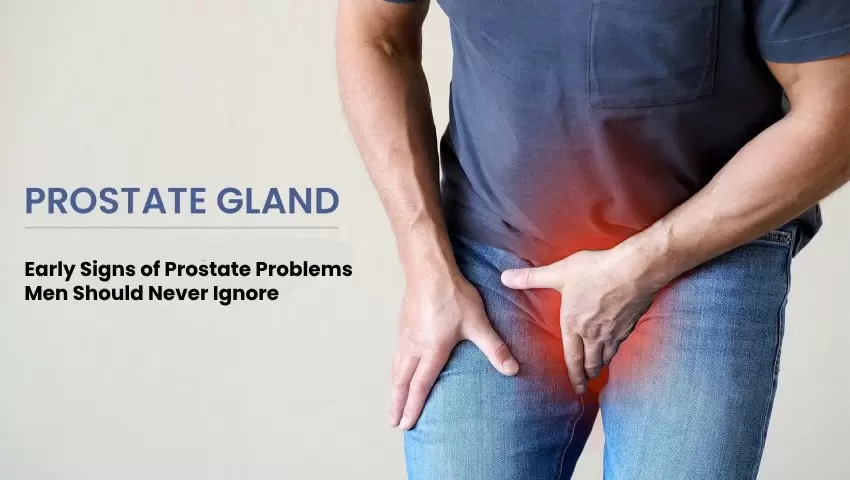
- Pelvic, Lower Back, Hip, or Perineal Pain Dull, aching discomfort in the lower abdomen, groin, perineum (area between scrotum and anus), lower back, or hips—especially if persistent or worsening—may indicate prostatitis or advanced changes. Bone pain is rarer and suggests spread (metastasis).
- New or Worsening Erectile Dysfunction Difficulty achieving or maintaining an erection, particularly if sudden in otherwise healthy men, can link to prostate issues affecting nerves or blood flow. While common with age, rapid onset deserves attention.
Other less common but concerning signs include unexplained weight loss, fatigue, or leg weakness (indicating possible advanced disease).
Important: Early prostate cancer frequently causes no symptoms at all—many cases are found through screening (PSA test + digital rectal exam) before noticeable changes occur. That’s why relying solely on symptoms isn’t enough.
When These Signs Point to Something Serious
Most urinary symptoms in the 50s stem from BPH (non-cancerous enlargement) or prostatitis (inflammation/infection), both highly treatable. Prostate cancer often mimics these early on, but red flags include:
- Rapidly worsening symptoms
- Blood in urine/semen
- Pain without infection signs (fever/chills)
- Symptoms only on one side or accompanied by bone pain
High-risk factors (family history, African descent, BRCA mutations, obesity) mean earlier vigilance.
What to Do If You Notice These Signs
Don’t wait—see a doctor (urologist preferred) if symptoms persist beyond a few weeks or interfere with life. A typical evaluation includes:
- Medical history and symptom score (e.g., IPSS questionnaire)
- Digital rectal exam (DRE) to feel prostate size/texture
- PSA blood test (levels vary by age; rising trends matter)
- Urine analysis to check for infection
- Ultrasound or MRI if needed for detailed imaging
- Biopsy only if suspicious
Early intervention for BPH might involve lifestyle changes, medications (alpha-blockers, 5-ARIs), or minimally invasive procedures. Prostatitis often responds to antibiotics or anti-inflammatories. For cancer, options range from active surveillance to surgery/radiation.
Proactive Steps for Prostate Health in Your 50s
- Discuss screening with your doctor around age 50 (earlier if high-risk)
- Maintain a healthy weight through diet and exercise
- Eat prostate-friendly foods (tomatoes, cruciferous veggies, healthy fats)
- Stay hydrated but limit evening fluids to reduce nocturia
- Avoid holding urine too long
- Quit smoking and moderate alcohol
Take Control of Your Prostate Health Today
Prostate changes are a normal part of aging for many men, but early awareness turns potential problems into manageable ones. The 50s are the ideal time to get proactive—don’t let subtle signs go unnoticed.
If you’re experiencing any of these symptoms or want a thorough check-up, Men’s Health Center at menhealth.vn specializes in men’s urological care. Their experienced team provides discreet, comprehensive evaluations, including PSA testing, DRE, and personalized advice—perfect for expats or locals seeking English-friendly service in Vietnam.
Your prostate health matters—schedule that appointment and stay ahead. Early action often means better outcomes and peace of mind.