
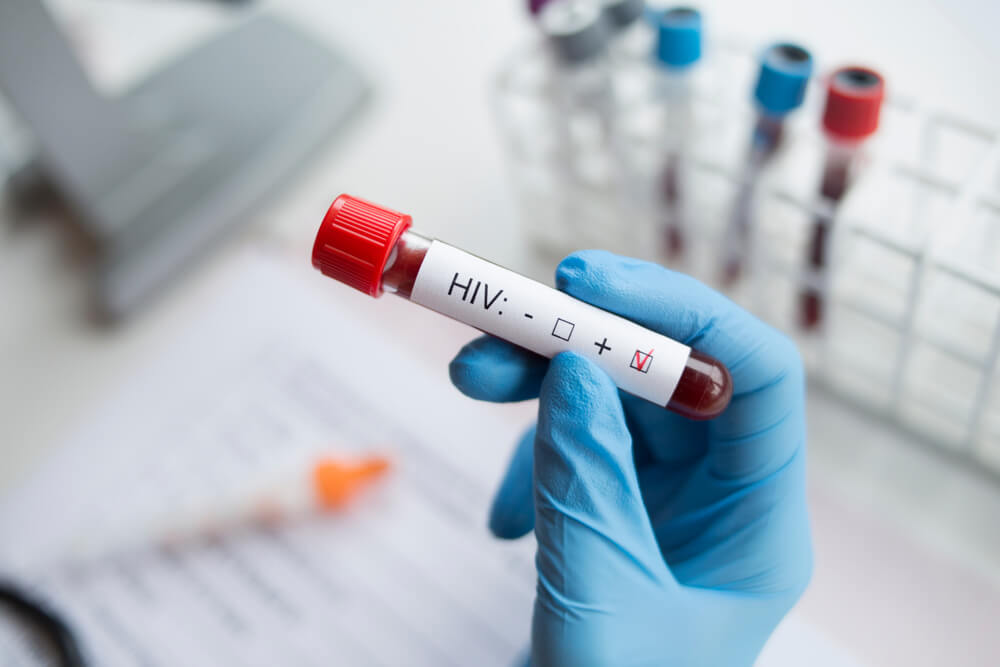
Initial HIV testing in men is a core medical check-up designed to determine HIV infection status, help patients relieve psychological anxiety, and pave the way for timely therapeutic intervention in case of accidental exposure. Understanding the precise testing timing, modern clinical methods, and monitoring schedules plays a decisive role in protecting comprehensive sexual health safety.
1. Definition and Diagnostic Mechanism of Initial HIV Testing
Initial HIV testing is a primary biological screening process performed to detect the presence of HIV (Human Immunodeficiency Virus) antibodies or viral antigen components in a male patient’s blood sample.
The testing mechanism relies on immunological principles. When HIV invades the body, the immune system triggers a response producing specific antibodies, while the blood also contains viral core proteins called antigens. Biochemical tests identify these biomarkers to yield reactive or non-reactive results. Performing initial HIV testing correctly enables rapid identification of infection status, accurately, safely, and scientifically guiding subsequent medical interventions.
2. Causes and Factors Requiring Men to Undergo Initial HIV Testing
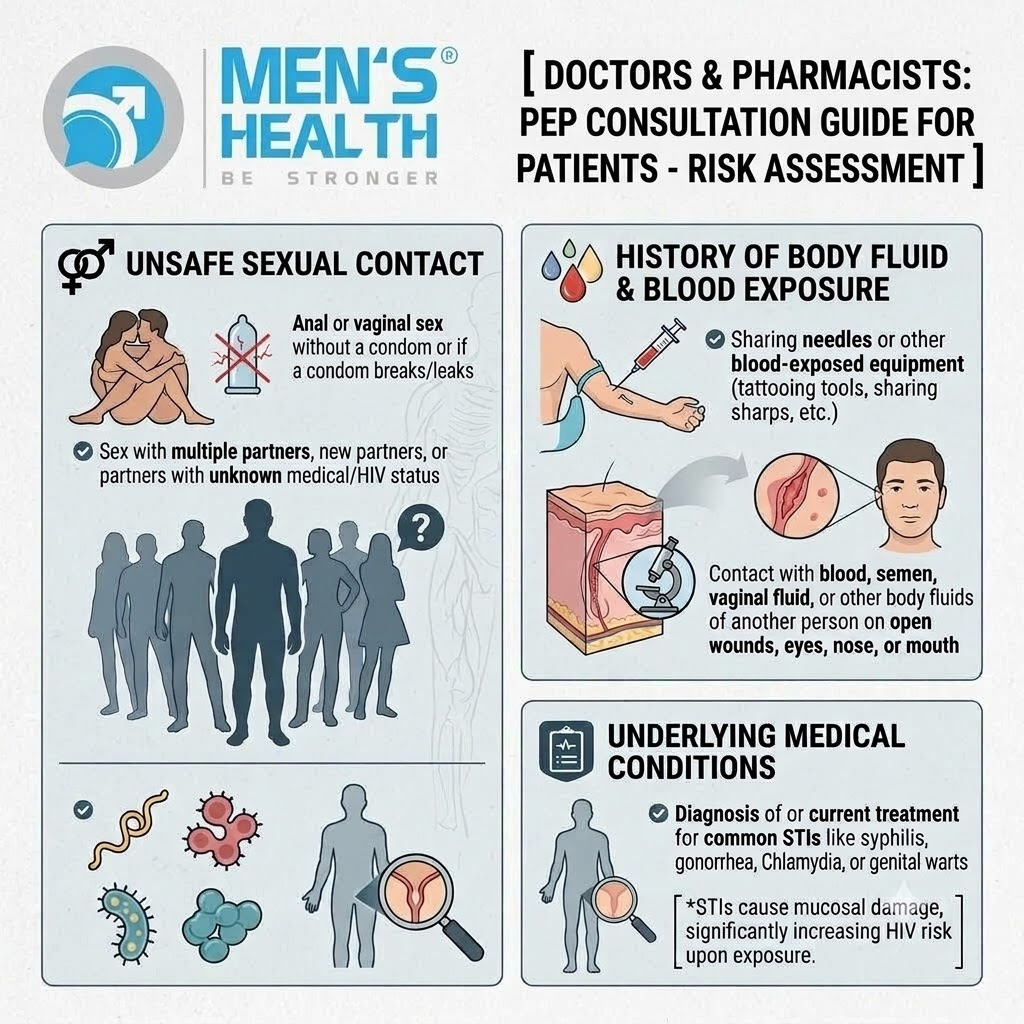
Initial HIV testing is not recommended randomly; medical experts advise this process when patients fall into risk groups or experience specific exposure situations:
- Unsafe Sexual Activity:
- Anal or vaginal intercourse without condoms, or incidents where condoms tear or puncture during intercourse.
- Having sex with multiple partners, newly acquainted partners, or partners with unknown medical histories and HIV status.
- History of Blood and Genital Secretion Contact:
- Sharing syringes, tattooing equipment, or sharp objects stained with blood of unknown origin.
- Having another person’s blood or genital secretions splash onto open wounds or the mucous membranes of the eyes, nose, or mouth.
- Concomitant Medical Conditions:
- Having or having a history of treating Sexually Transmitted Infections (STIs) such as syphilis, gonorrhea, chlamydia, or genital warts. Mucosal damage caused by STIs significantly increases the risk of HIV transmission upon contact.
3. Clinical Signs and Timing for Testing
In the early stages following exposure, most men do not exhibit distinct symptoms. However, if Acute Retroviral Syndrome occurs, manifestations typically appear within 2 to 4 weeks after contact with the source:
- Common Symptoms:
- Mild or high fever accompanied by chills and profound exhaustion.
- Swollen lymph nodes in the neck, armpits, or groin (soft, mildly tender nodes).
- Red skin rashes (usually on the chest, back, or face) without severe itching.
- Sore throat, painful swallowing, generalized muscle and joint pain throughout the body.
- Medical Warning: These symptoms are easily mistaken for the common flu. Therefore, HIV infection can never be diagnosed based on subjective feelings or clinical symptoms alone; medical testing is mandatory.
- The Golden Timing and “Window Period”:
- Window Period: The duration from exposure until the body produces enough antibodies or antigens for tests to detect them. Testing too early during this period can yield a false-negative result despite actual infection.
- Ideal Testing Milestones: Modern next-generation tests can detect infection early from 2 to 4 weeks, but standard confirmatory milestones are typically performed at week 4 and repeated at month 3 to ensure absolute accuracy.
4. Current Methods of Initial HIV Testing
Modern medicine offers various initial HIV testing techniques with extremely high sensitivity and specificity, tailored to individual patient needs and conditions:
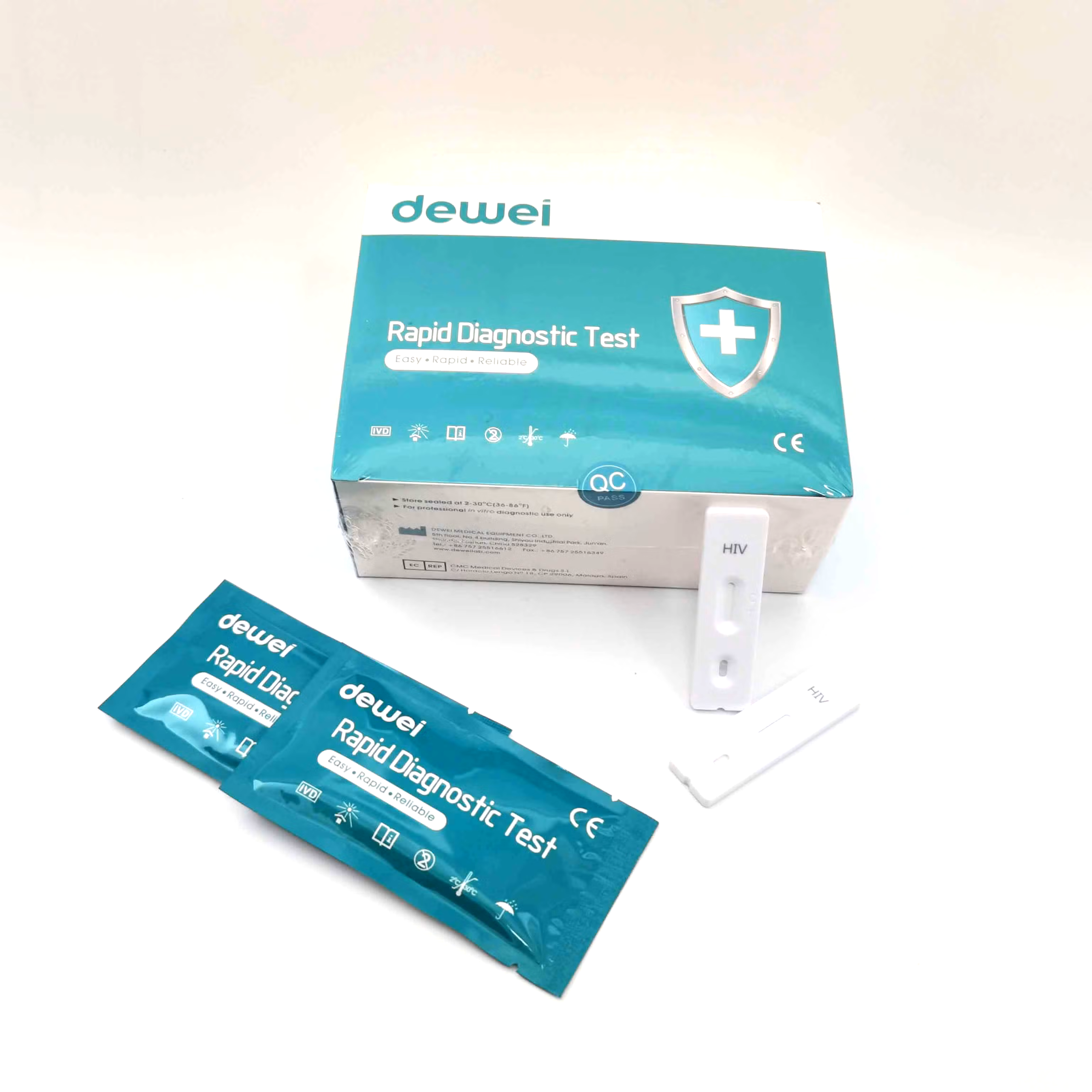
- Rapid Test: Utilizes a fingertip blood or oral fluid sample, yielding quick results within 15 to 30 minutes, highly convenient for initial screening.
- Fourth-Generation Immunoassay (Ag/Ab Combo): Performed on a venous blood sample, simultaneously detecting the virus’s p24 antigen and HIV antibodies. This method significantly shortens the window period, detecting the virus earlier than traditional antibody tests.
- Molecular Biology Confirmatory Test (PCR): Measures viral load or HIV RNA in the blood, typically applied in cases requiring advanced early diagnosis or treatment monitoring.
5. The Role of Counseling and the Examination Process at Medical Facilities
Initial HIV testing is not merely drawing blood; it is a comprehensive medical care process requiring the accompaniment of specialist doctors and pharmacists:
- In-Depth Risk Assessment: Doctors thoroughly evaluate exposure timelines and risk behaviors to prescribe the appropriate test type matching the window period.
- Pre- and Post-Test Psychological Counseling: Helps patients maintain calmness, relieve anxiety, and correctly understand test result meanings.
- Co-Infection Screening: Combines checks for Sexually Transmitted Infections (STIs) and general liver and kidney function assessments to form a comprehensive health protection strategy.
6. Common Misconceptions Among Men Regarding Initial HIV Testing
- Testing Too Early and Becoming Complacent: Testing the very next day after a risk incident (before the window period passes), receiving a negative result, and falsely assuming absolute safety.
- Self-Diagnosing Based on Symptoms: Panicking when experiencing fatigue, minor rashes, or low-grade fever, self-diagnosing as HIV-positive without undergoing medical testing.
- Hiding Information from Doctors: Concealing risk behaviors due to self-stigma, making it difficult for doctors to accurately determine the timeline for follow-up testing.
- Skipping Follow-Up Testing Milestones: Testing only once immediately after exposure while neglecting the confirmatory re-test milestone at month 3 according to medical standards.
7. FAQs: Frequently Asked Questions
How soon can an HIV Ag/Ab Combo test detect the virus after exposure? The fourth-generation Ag/Ab Combo test can detect viral presence and antibodies relatively accurately from 2 to 4 weeks after a risky exposure incident. However, to secure a definitive final confirmation, patients must still adhere to the recommended re-testing schedule at month 3.
Does a reactive initial HIV test result mean I have the disease? A reactive result on an initial screening test is not a final conclusion confirming HIV infection. Patients must undergo further specialized confirmatory tests according to Ministry of Health regulations to reach an accurate conclusion.
Does initial HIV test confidentiality apply absolutely to personal information? At reputable specialized medical facilities, all personal information, medical history, and test results are kept strictly confidential in compliance with legal regulations and medical ethics, allowing patients to share openly with peace of mind.
Do I need to fast before undergoing initial HIV testing? Most initial HIV screening tests do not require fasting or special preparation before blood collection. However, if there are concurrent comprehensive blood biochemistry orders, the doctor will provide specific instructions beforehand.
Should men proactively undergo routine HIV testing even without clear risk behaviors? Medical experts encourage men to proactively screen their sexual health and undergo routine HIV testing every 6 to 1-year intervals as part of a healthy lifestyle and responsible behavior toward themselves and their partners.
8. Introduction to Men’s Health Andrology Clinic
Andrology healthcare and medical screening services require standardization, professionalism, and absolute confidentiality.
Men’s Health Andrology Clinic is part of the ecosystem of the Men’s Health Center founded by Assoc. Prof. Dr. Tra Anh Duy. Here, clients always receive attentive counseling, explanations, and support from a team of andrologists and specialists to select appropriate, safe healthcare solutions. Men’s Health prioritizes professionalism, safety, discretion, absolute information privacy, and respect for individual privacy throughout consultation, examination, and long-term health monitoring.

Conclusion
Initial HIV testing in men is a practical medical solution to proactively control sexual health, eliminate anxiety, and protect a secure future. Never self-diagnose, never delay testing timelines, and strictly adhere to medical guidelines for testing milestones as vital rules.
When seeking consultation or health screening, visiting reputable facilities like the Men’s Health Center ensures access to standardized, safe, discreet, and effective medical services accompanied by a dedicated team of experts.