
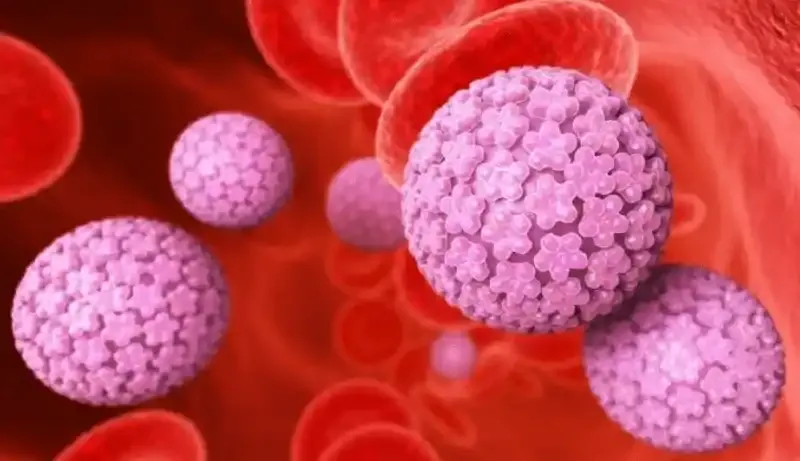
Human papillomavirus (HPV) infections can sometimes lead to visible lesions such as genital warts. In many cases, these lesions require medical treatment, including procedures such as cryotherapy, topical therapy, laser treatment, or surgical removal.
While these treatments focus on eliminating abnormal tissue, the surrounding skin may remain sensitive during the recovery period. Proper care of the external genital skin is therefore essential to support healing and maintain skin comfort.
Both men and women can benefit from gentle and appropriate skin care after HPV-related treatments.
Why the Skin Needs Special Care After HPV Treatment
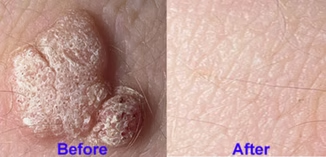
The skin in the genital area is thinner and more sensitive than many other areas of the body. Treatments for genital warts may temporarily affect the skin barrier, leading to symptoms such as:
- redness
- mild swelling
- dryness
- irritation or discomfort.
During the healing phase, the skin begins to regenerate and restore its protective barrier. Gentle care during this period may help support the natural recovery process.
Key Principles of External Genital Skin Care
Recovery after HPV treatment does not usually require complicated routines. Instead, the focus should be on gentle care and protection of the affected area.
1. Maintain Gentle Hygiene
Keeping the area clean is important, but overly aggressive washing can irritate the skin.
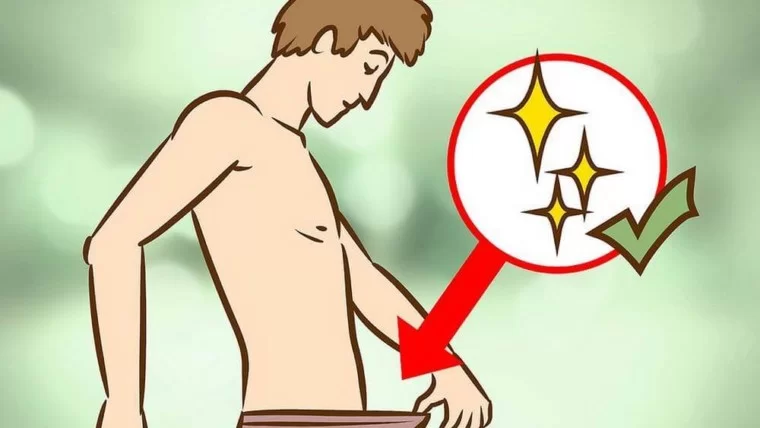
Recommendations include:
- using mild, fragrance-free cleansers
- washing with lukewarm water
- avoiding strong soaps or antiseptic products unless recommended by a healthcare professional.
After cleansing, gently pat the skin dry with a soft towel.
2. Avoid Irritation and Friction
The genital area may be sensitive after treatment.
To reduce irritation:
- wear breathable cotton underwear
- avoid tight clothing
- minimize activities that create friction in the treated area.
These steps can help protect the healing skin.
3. Allow the Skin to Heal Naturally
After wart removal, the treated area may form small scabs or feel slightly itchy.
It is important to avoid:
- scratching
- picking at the skin
- applying unapproved topical products.
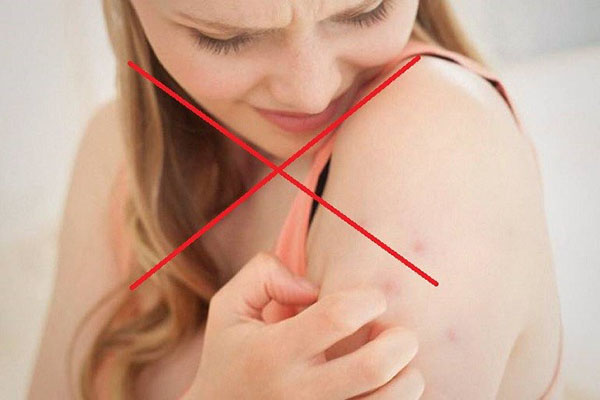
Allowing the skin to recover naturally supports healthy tissue regeneration.
4. Support Skin Hydration
Maintaining hydration of the skin can help reduce dryness and improve comfort.
In some cases, healthcare professionals may recommend topical products formulated specifically for the external genital area. These products are designed to support skin regeneration and maintain the integrity of sensitive tissues.
Topical Support for Sensitive Genital Skin
Products designed for genital skin care may help maintain hydration and provide supportive care during the healing process.
One example is Papilocare Genital Gel, a topical gel intended for the external genital area in both men and women. The formulation is designed to support skin recovery and maintain hydration in areas affected by HPV-related lesions.
Such products may help create a protective environment for the skin while it heals after treatment procedures.
However, any topical product used in the genital area should be applied according to professional guidance.
When to Seek Medical Advice
Most individuals recover well after HPV treatment, but medical evaluation may be necessary if symptoms such as the following occur:
- severe pain
- persistent swelling
- unusual discharge
- signs of infection.
Follow-up appointments may also be recommended to monitor healing and ensure that no new lesions develop.
Supporting Skin Recovery Through Healthy Habits
In addition to proper skin care, maintaining healthy lifestyle habits may support overall recovery and immune health.
Helpful practices include:
- maintaining good personal hygiene
- eating a balanced diet
- managing stress
- avoiding smoking
- getting adequate sleep.
These habits contribute to overall well-being and may support the body’s natural healing processes.
Final Thoughts
After HPV treatment, the skin in the external genital area may require gentle care to support recovery and reduce irritation. Maintaining proper hygiene, avoiding friction, and supporting skin hydration can help promote healing.
In some cases, topical products designed for sensitive genital skin may provide additional support during the recovery process. When used appropriately and alongside professional guidance, these products may help maintain comfort and skin integrity after treatment.