
Cryptorchidism (undescended testis) and abnormal testicular descent represent the most common congenital anomalies of the male genitourinary tract, affecting 3% to 5% of full-term infants and up to 30% of premature neonates. The failure of one or both testes to complete their embryonic migration into the scrotal sac significantly impairs spermatogenesis, alters hormonal synthesis, increases the risk of testicular malignancy, and elevates the incidence of testicular torsion. Timely clinical diagnosis and surgical correction (orchiopexy) within the recommended 6- to 18-month window are essential for preserving fertility potential and long-term reproductive health.
1. Embryological Mechanics and Pathophysiology of Testicular Migration
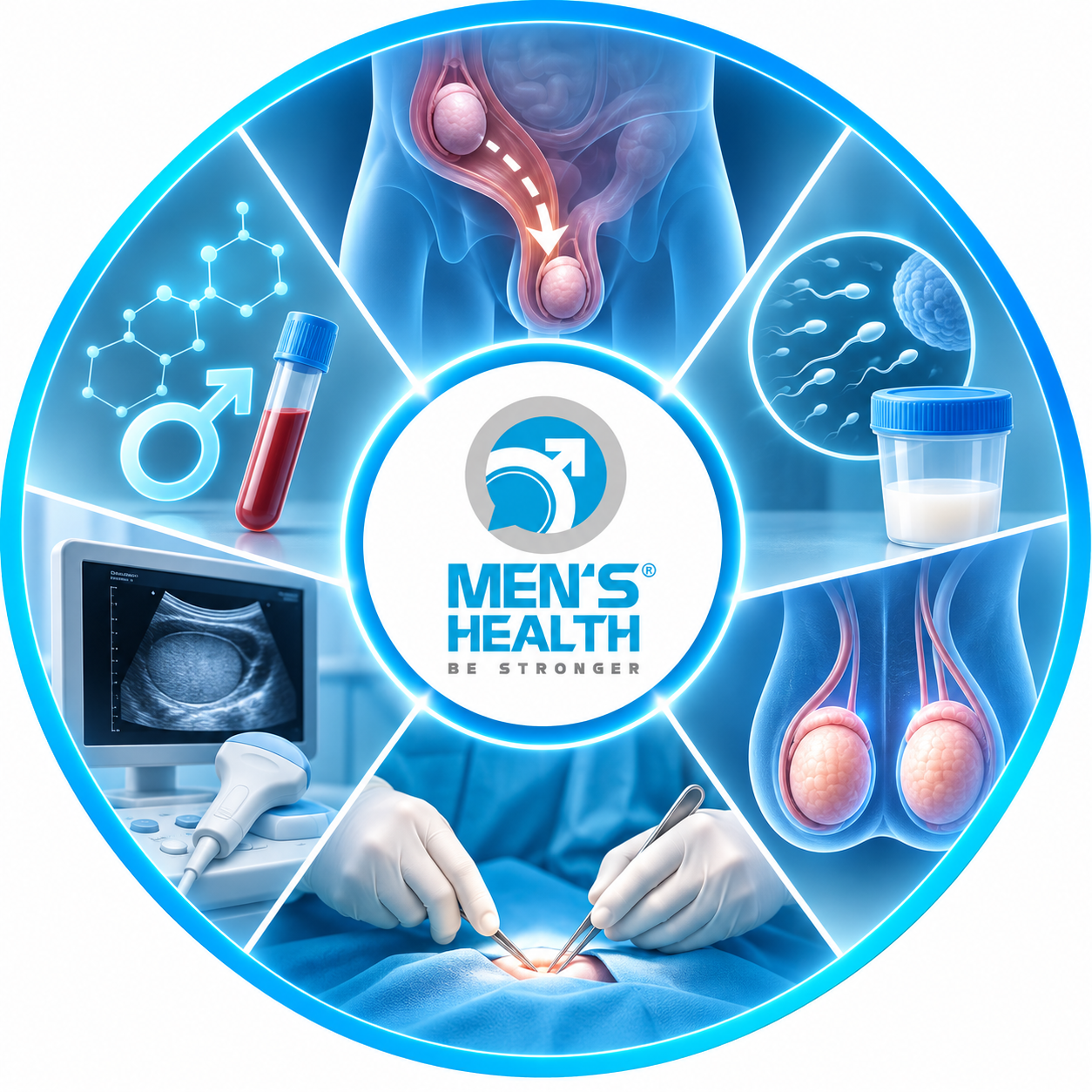
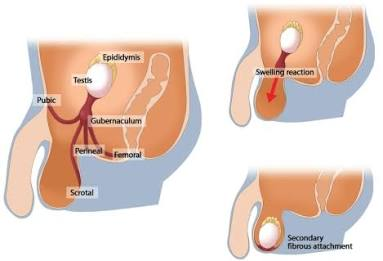
Normal testicular descent is a complex, hormone-dependent anatomical process occurring in two distinct gestational stages:
The Two-Stage Descent Process
- Trans-abdominal Phase (Weeks 8–15 of Gestation): Leydig cells produce Insulin-Like Peptide 3 (INSL3), which triggers swelling and anchoring of the gubernaculum to the inner inguinal ring, holding the testis in the lower abdomen while the fetus grows.
- Trans-inguinal Phase (Weeks 25–35 of Gestation): Testosterone – converted locally to dihydrotestosterone (DHT) – and genitofemoral nerve release of Calcitonin Gene-Related Peptide (CGRP) guide the gubernaculum to contract, drawing the testis through the inguinal canal into the scrotal sac.
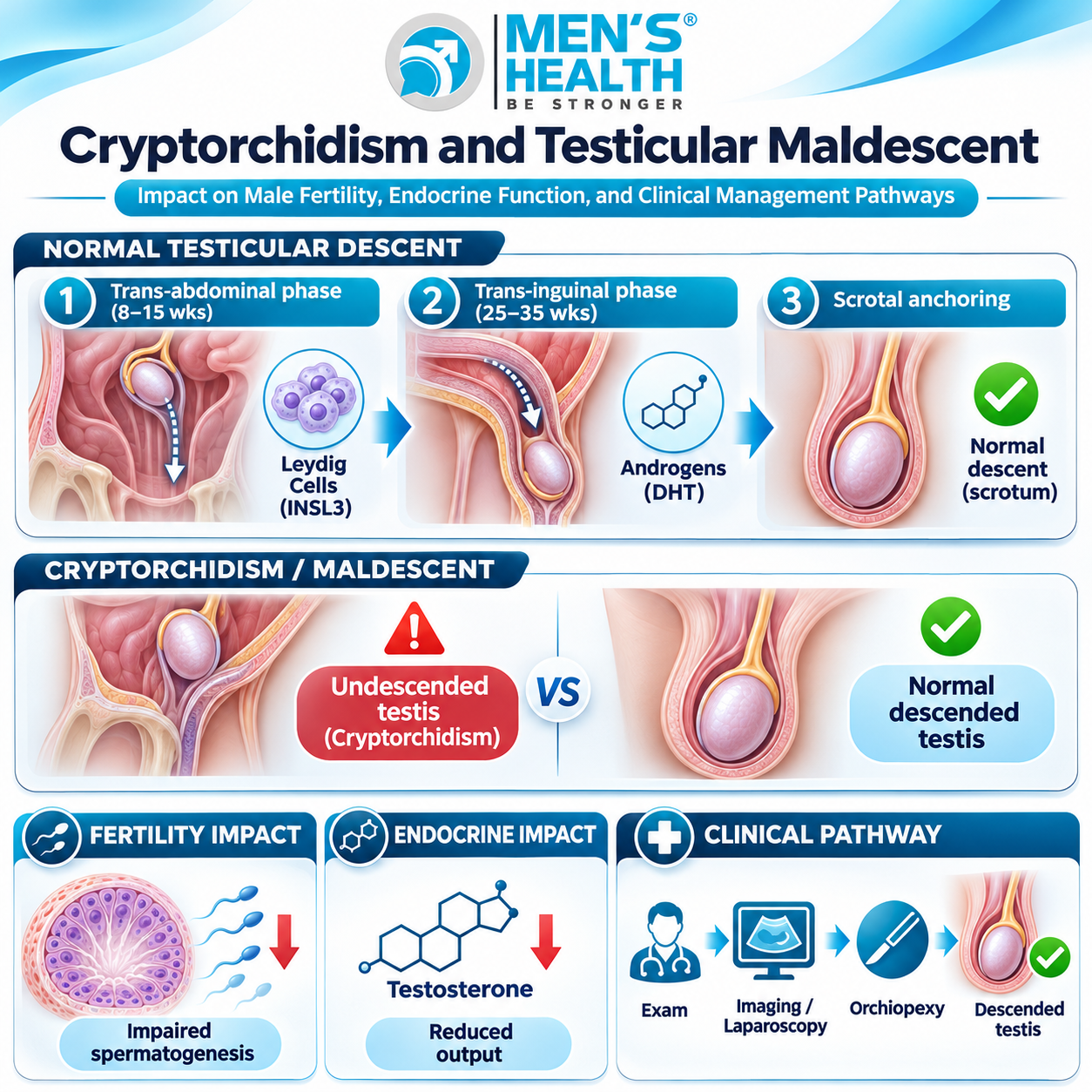
Disruption of endocrine signaling (INSL3, LH, or androgen deficits) or anatomical mechanical blockages leads to arrested descent (true cryptorchidism) or abnormal migration out of the normal path (ectopic testis).
2. Anatomical Classification Spectrum
Anomalies of testicular positioning are categorized according to physical palpation and anatomical localization:
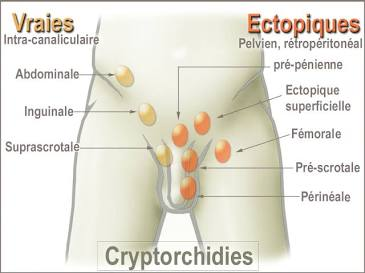
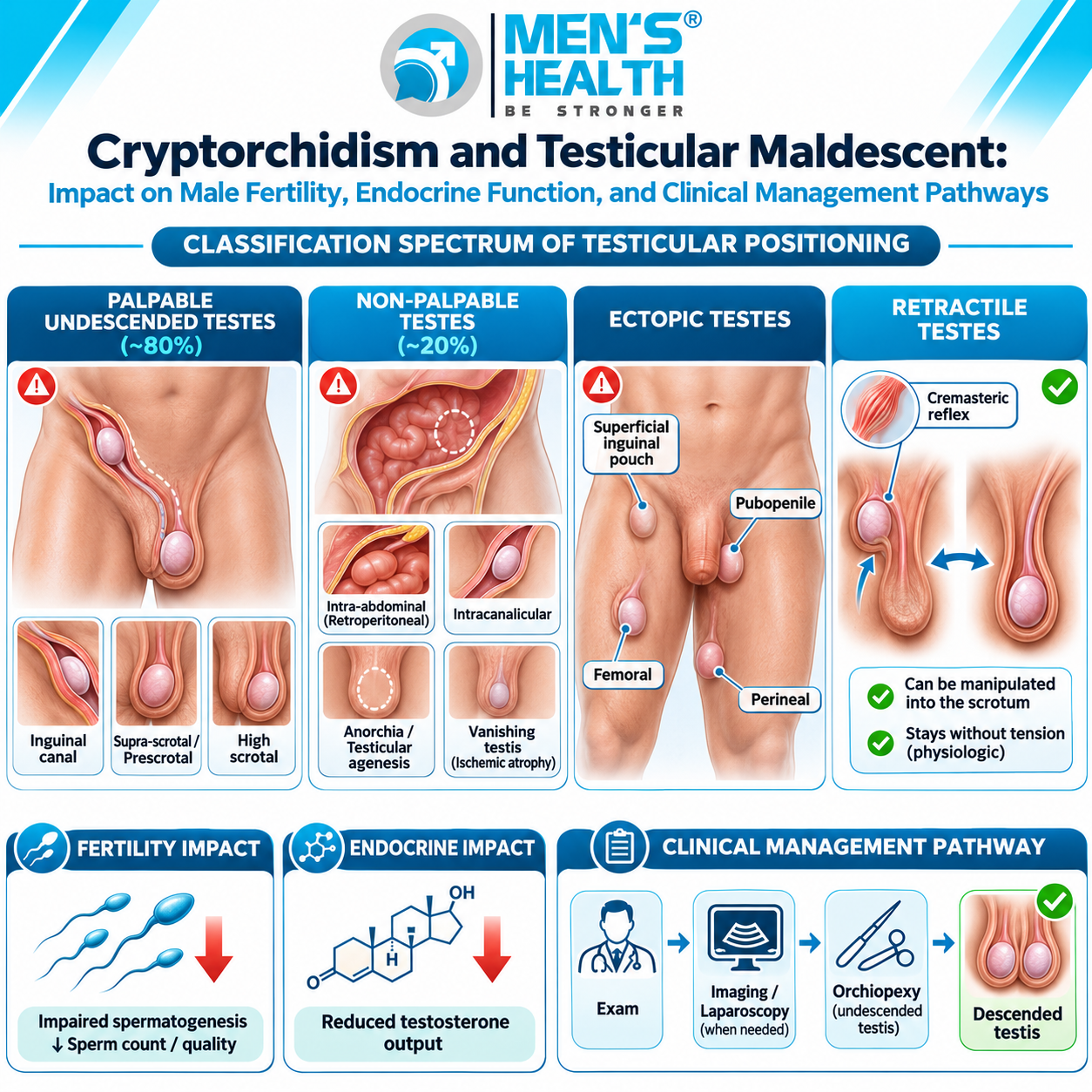
- True Undescended Testis (Cryptorchidism): The testis is halted along its natural path of descent – either in the retroperitoneum (intra-abdominal), within the inguinal canal (intra-canalicular), or just above the scrotal entrance (suprascrotal).
- Ectopic Testis: The testis successfully traverses the inguinal canal but strays from the normal path upon exiting the external ring, lodging in the superficial inguinal pouch (Pouch of Denis-Browne), perineum, femoral triangle, or suprapubic area.
- Retractile Testis: A hyperactive cremasteric reflex pulls the testis upward into the groin. Under gentle physical traction in a warm environment, retractile testes can be brought into the lower scrotum without tension and remain there temporarily. While considered physiological, up to 20% of retractile testes may undergo secondary ascension (“acquired cryptorchidism”) due to fibrous tissue persistence.
- Non-Palpable Testis (Intra-Abdominal or Vanishing Testis): Accounts for 20% of cases where the testis cannot be felt during physical examination, indicating an intra-abdominal location, severe hypoplasia, or complete tissue atrophy resulting from prenatal vascular accidents (vanishing testis).
3. Direct Impact on Male Fertility and Reproductive Function
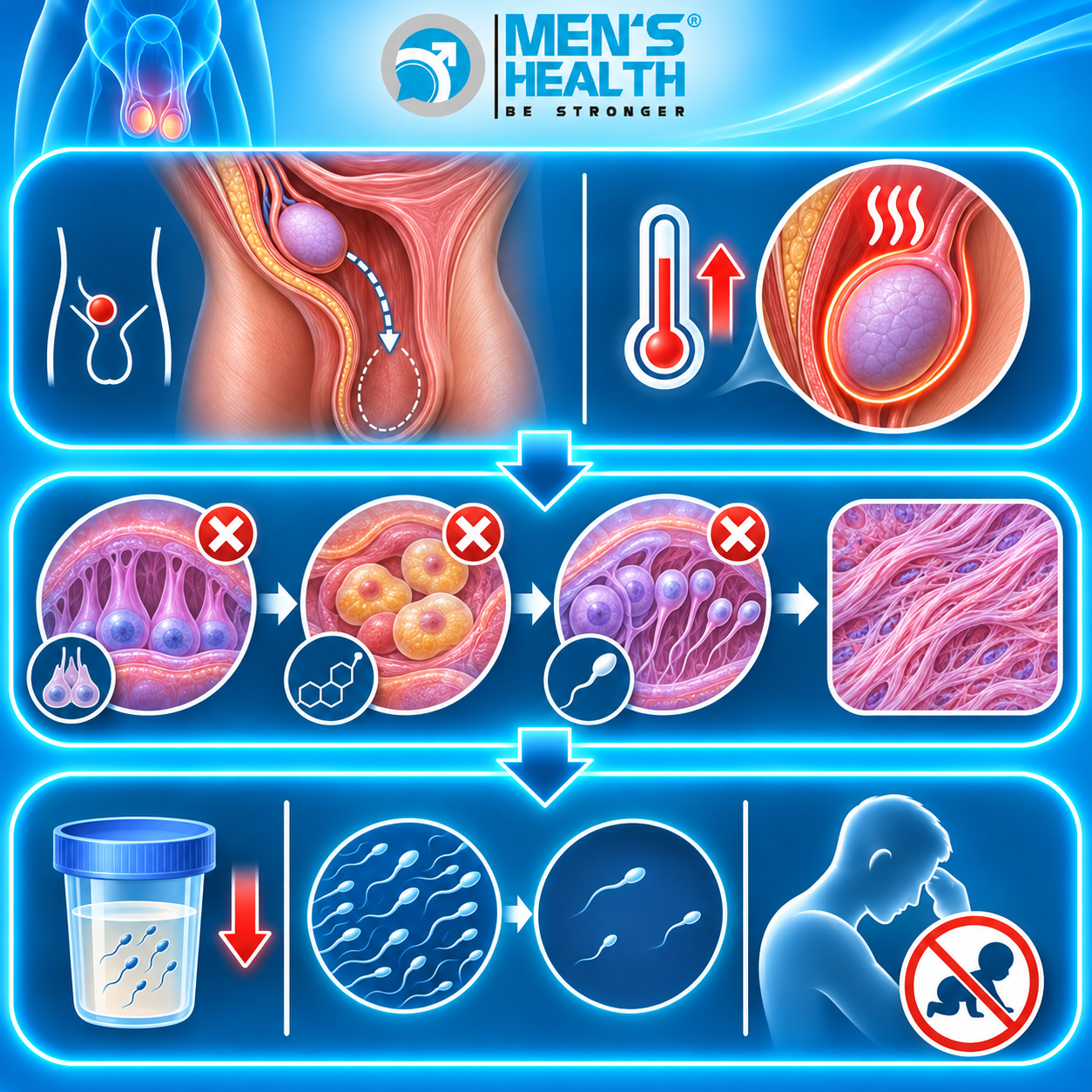
The primary reproductive consequence of cryptorchidism is progressive damage to germ cells and impaired spermatogenesis caused by exposure to higher intra-abdominal or inguinal temperatures () compared to the normal, cooler scrotal environment ().
1. Thermal Apoptosis of Germ Cells
Normal spermatogenesis requires the temperature reduction provided by the scrotum. Chronic exposure of an undescended testis to body core temperature triggers degeneration of Sertoli cells, reduction in tubular diameter, and premature apoptosis of Adult Dark (Ad) spermatogonia starting as early as 6 to 12 months of age.
2. Semen Parameter Alterations and Fertility Rates
- Unilateral Cryptorchidism: Men with a history of untreated unilateral cryptorchidism exhibit higher rates of oligospermia and subfertility (). Early surgical correction (orchiopexy) helps preserve contralateral and ipsilateral germ cell pools, improving paternity rates to near-normal levels ().
- Bilateral Cryptorchidism: Untreated bilateral cryptorchidism leads to severe oligospermia or complete azoospermia in up to of affected men. Timely bilateral surgical correction significantly reduces, but does not completely eliminate, the risk of permanent infertility.
3. Leydig Cell Dysfunction and Endocrine Alterations
While Sertoli cells and germ line cells are highly heat-sensitive, Leydig cells are more resistant. However, severe long-standing cryptorchidism or bilateral intra-abdominal testes can impair Leydig cell testosterone production, leading to compensatory elevations in luteinizing hormone (LH) and follicle-stimulating hormone (FSH).
4. Other Long-Term Clinical Risks and Complications
- Testicular Malignancy (Testicular Germ Cell Tumors – TGCT): Men with a history of cryptorchidism face a 4- to 10-fold increased lifetime risk of developing testicular cancer (most commonly seminoma). Performing orchiopexy before 12 to 18 months of age reduces this risk and places the testis in a palpable position for clinical surveillance and self-examination.
- Testicular Torsion: An undescended testis exhibits abnormal mobility along the spermatic cord, significantly increasing the risk of acute testicular torsion, ischemic necrosis, and organ loss.
- Concomitant Inguinal Hernia: Over 90% of cryptorchid cases feature a patent processus vaginalis, predisposing the patient to indirect inguinal hernia formation.
5. Comprehensive Clinical Diagnostic Protocols
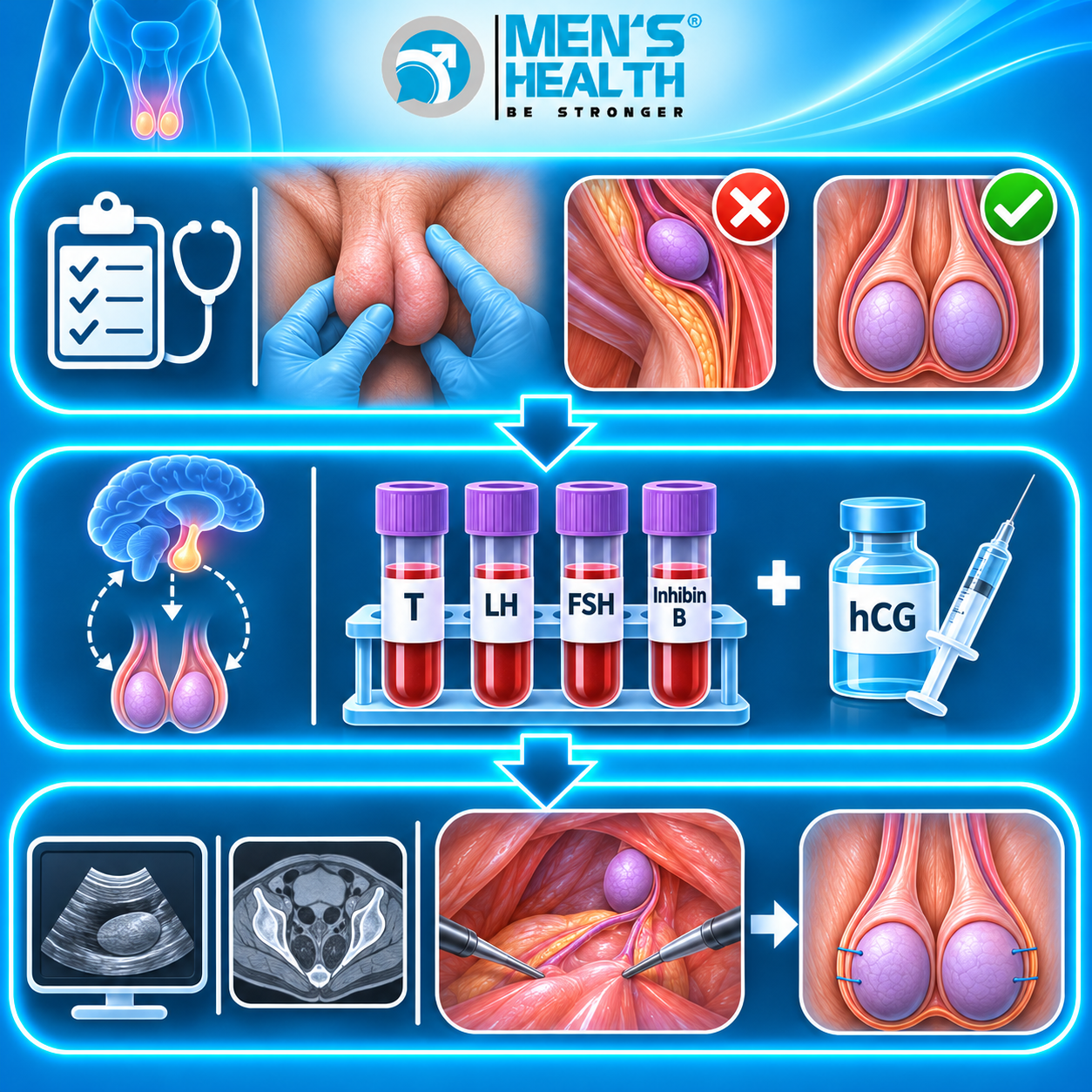
- Physical Examination: Bimanual palpation along the inguinal canal down to the scrotum performed with warm hands. Differentiating retractile testes from true cryptorchidism is critical.
- Endocrine Testing (Bilateral Non-Palpable Testes): Measuring Anti-Müllerian Hormone (AMH), Inhibin B, LH, FSH, and performing an hCG stimulation test helps differentiate bilateral intra-abdominal testes from true bilateral anorchia (vanishing testes).
- Diagnostic Laparoscopy: The gold standard for non-palpable testes ( diagnostic accuracy), allowing direct visualization of intra-abdominal structures and immediate surgical correction. Routine diagnostic imaging (ultrasound, CT, MRI) is not recommended due to low diagnostic sensitivity.
6. Surgical and Pharmacological Management Guidelines
Current guidelines from the European Association of Urology (EAU) and American Urological Association (AUA) recommend completing surgical correction between 6 and 18 months of age.
1. Open Inguinal Orchiopexy (Palpable Testis)
Involves an inguinal incision to mobilize the spermatic cord, ligate the patent processus vaginalis, gain retroperitoneal cord length, and secure the testis inside a subdartos pouch within the scrotal wall ( success rate).
2. Laparoscopic Orchiopexy (Non-Palpable Testis)
For intra-abdominal testes, single-stage or two-stage laparoscopic Fowler-Stephens orchiopexy is performed, ligating the primary testicular vessels to allow the testis to descend based on collateral blood supply from the deferential and cremasteric arteries.
3. Limited Role of Primary Hormonal Therapy
Primary hormonal therapy using hCG or GnRH analogs is not recommended by international guidelines due to low long-term efficacy (), high recurrence rates, and potential inflammatory damage to germ cells.
7. Professional Care at Men’s Health Center and Men’s Health Pharmacy
Navigating congenital urological anomalies, surgical planning, and long-term reproductive follow-up requires specialized medical and pharmaceutical care.

Nhà thuốc Nam khoa Men’s Health (Men’s Health Andrology Pharmacy), an integral unit within the Trung tâm Sức khỏe Nam giới Men’s Health (Men’s Health Center) ecosystem founded by TS.BS.CK2 Trà Anh Duy (Dr. Tra Anh Duy, MD, PhD, Spec. II), provides dedicated clinical pharmacy support for male reproductive and urological health. At Men’s Health, patients and families receive personalized consultations from experienced urologists and clinical pharmacists who provide clear guidance on post-operative recovery, medication compliance, and long-term reproductive tracking. The facility maintains strict clinical safety, privacy, absolute confidentiality, and evidence-based practice across all stages of care. Prescription medications and post-operative regimens are dispensed strictly under physician supervision, emphasizing the essential collaborative role between physicians and clinical pharmacists in ensuring optimal patient safety and therapeutic outcomes.
8. Common Diagnostic and Clinical Pitfalls
- Misdiagnosing Retractile Testes as Cryptorchidism: Operating unnecessarily on physiological retractile testes, or failing to monitor them annually for acquired re-ascent.
- Delaying Referral Beyond 6 to 12 Months: Delaying surgical consultation in hopes of spontaneous descent past 6 months, exposing germ cells to irreversible thermal damage.
- Relying on Routine Scrotal Ultrasound: Ordering ultrasound for non-palpable testes, which delays definitive diagnostic laparoscopy.
- Using Repeated Hormonal Therapy: Attempting repeated hCG/GnRH injections instead of scheduling definitive surgical orchiopexy.
Cryptorchidism and Male Fertility: Frequently Asked Questions
Does an undescended testis always cause male infertility?
Not always, but untreated cryptorchidism significantly impairs fertility. Unilateral cases carry a subfertility rate, whereas untreated bilateral cases can result in up to azoospermia. Early surgical correction before 18 months helps preserve fertility potential.
At what age should surgical correction (orchiopexy) be performed?
Current clinical guidelines recommend performing surgical orchiopexy between 6 and 18 months of age to prevent progressive heat-induced damage to testicular germ cells.
Can an undescended testis descend spontaneously without surgery?
Spontaneous descent frequently occurs during the first 3 to 6 months of life due to a temporary postnatal hormone surge (“mini-puberty”). However, spontaneous descent is rare after 6 months of age.
Is a retractile testis the same as cryptorchidism?
No. A retractile testis can be manually brought into the lower scrotum during examination and remains there without tension. True cryptorchidism involves a testis that cannot reach the scrotal base or immediately snaps back into the groin upon release.
Why does cryptorchidism increase the risk of testicular cancer?
Exposure to higher intra-abdominal or inguinal temperatures disrupts normal germ cell maturation, predisposing cells to intratubular germ cell neoplasia (ITGCN). Early orchiopexy facilitates clinical surveillance and self-examination.
Conclusion and Expert Medical Advice
Cryptorchidism and testicular maldescent are significant congenital conditions that directly impact long-term male reproductive function, fertility, and malignancy risk. Timely physical evaluation, accurate differentiation from retractile testes, and surgical orchiopexy completed between 6 and 18 months of age are essential to protect germ cell viability and safeguard reproductive health.
Parents observing an empty or asymmetrical scrotal sac in an infant should seek specialized clinical evaluation promptly. Consultation at a dedicated facility such as the Trung tâm Sức khỏe Nam giới Men’s Health ensures comprehensive diagnostic accuracy, expert surgical guidance, and professional clinical pharmacy support within a safe, professional, and confidential environment.