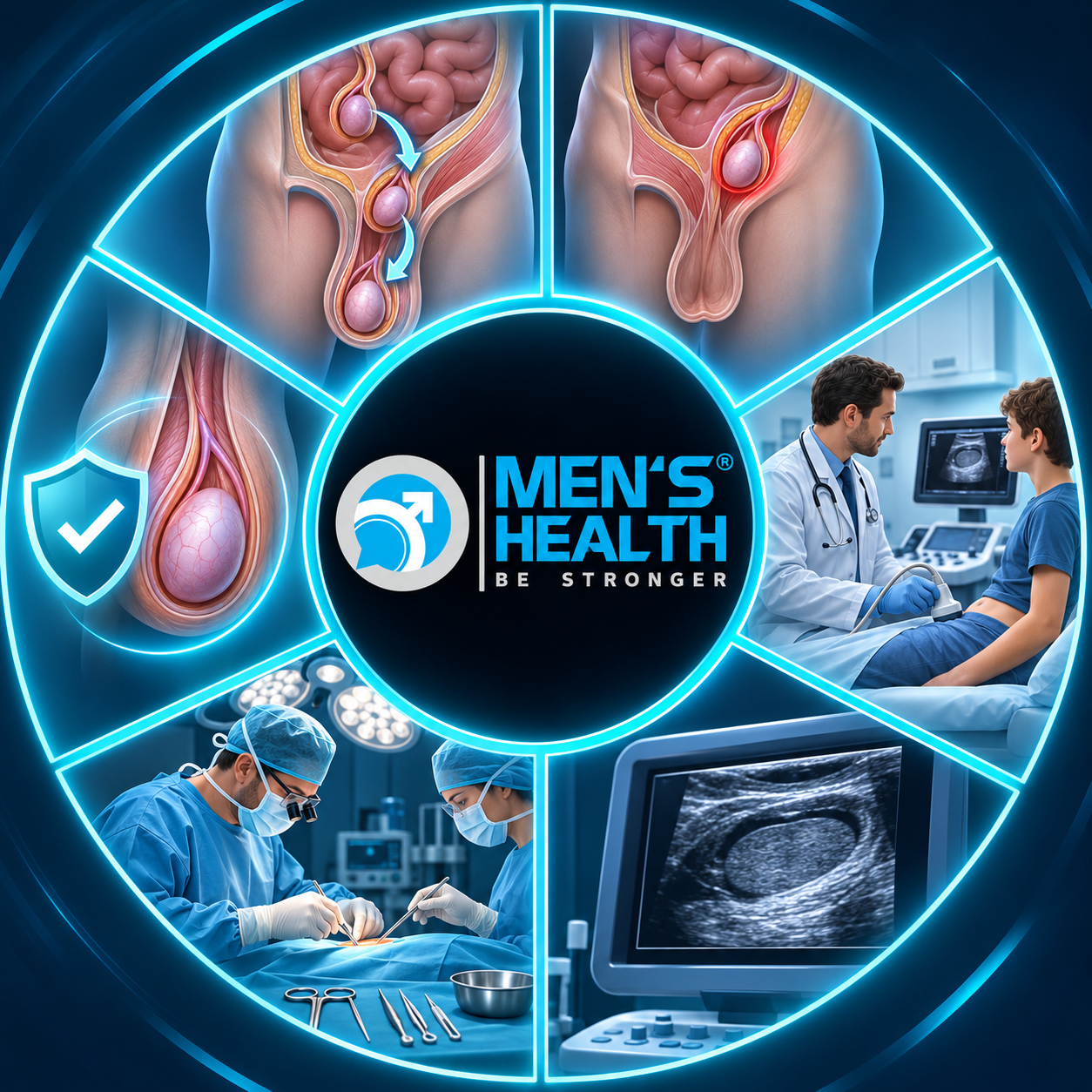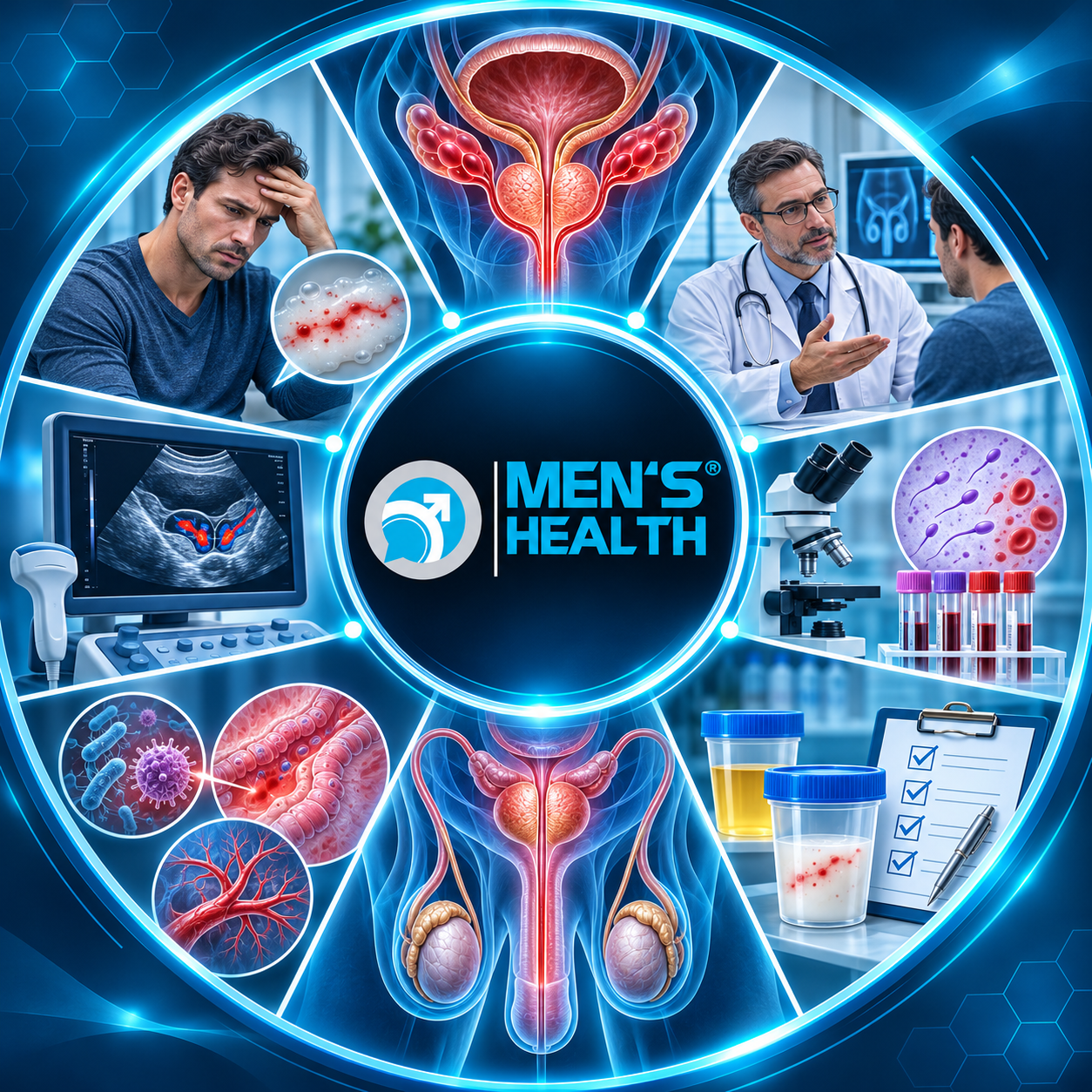

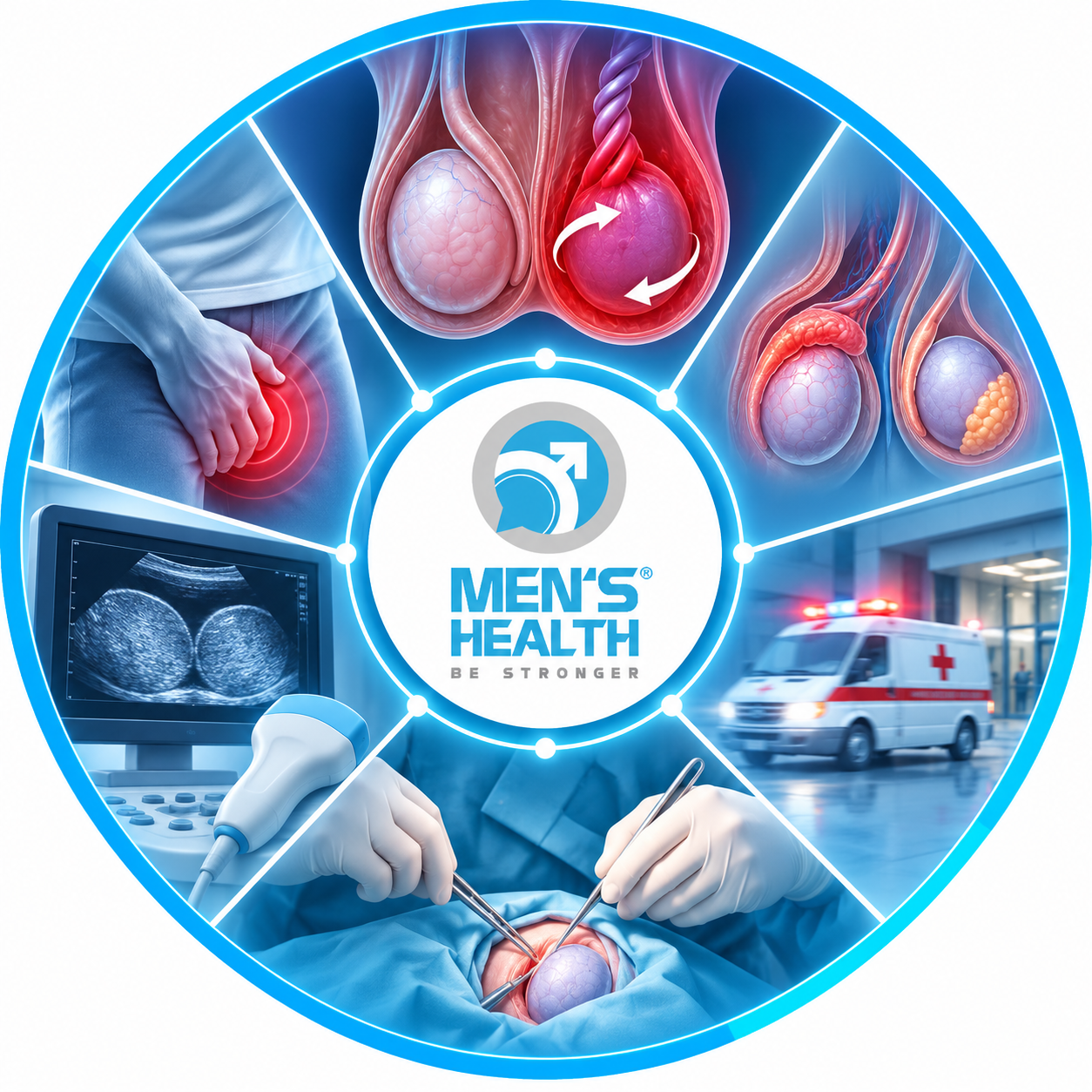
Testicular torsion is a time-sensitive urological emergency characterized by the mechanical axial rotation of the spermatic cord, resulting in sudden ischemia and potential necrosis of the testicular parenchyma. Recognizing the underlying causes, clinical presentation, and emergency surgical pathways within the critical golden window is essential for organ salvage and preserving long-term male reproductive health.
1. Overview of Acute Scrotum and Testicular Torsion
The term “acute scrotum” refers to a clinical syndrome defined by sudden-onset scrotal pain, edema, and erythema. Among the differential diagnoses of acute scrotal pain, testicular torsion represents the most urgent condition due to the rapid onset of irreversible ischemic tissue damage.
Pathophysiological Dynamics
The testes are suspended within the scrotal sac by the spermatic cord, which contains the testicular artery, pampiniform venous plexus, testicular nerves, lymphatics, and vas deferens.
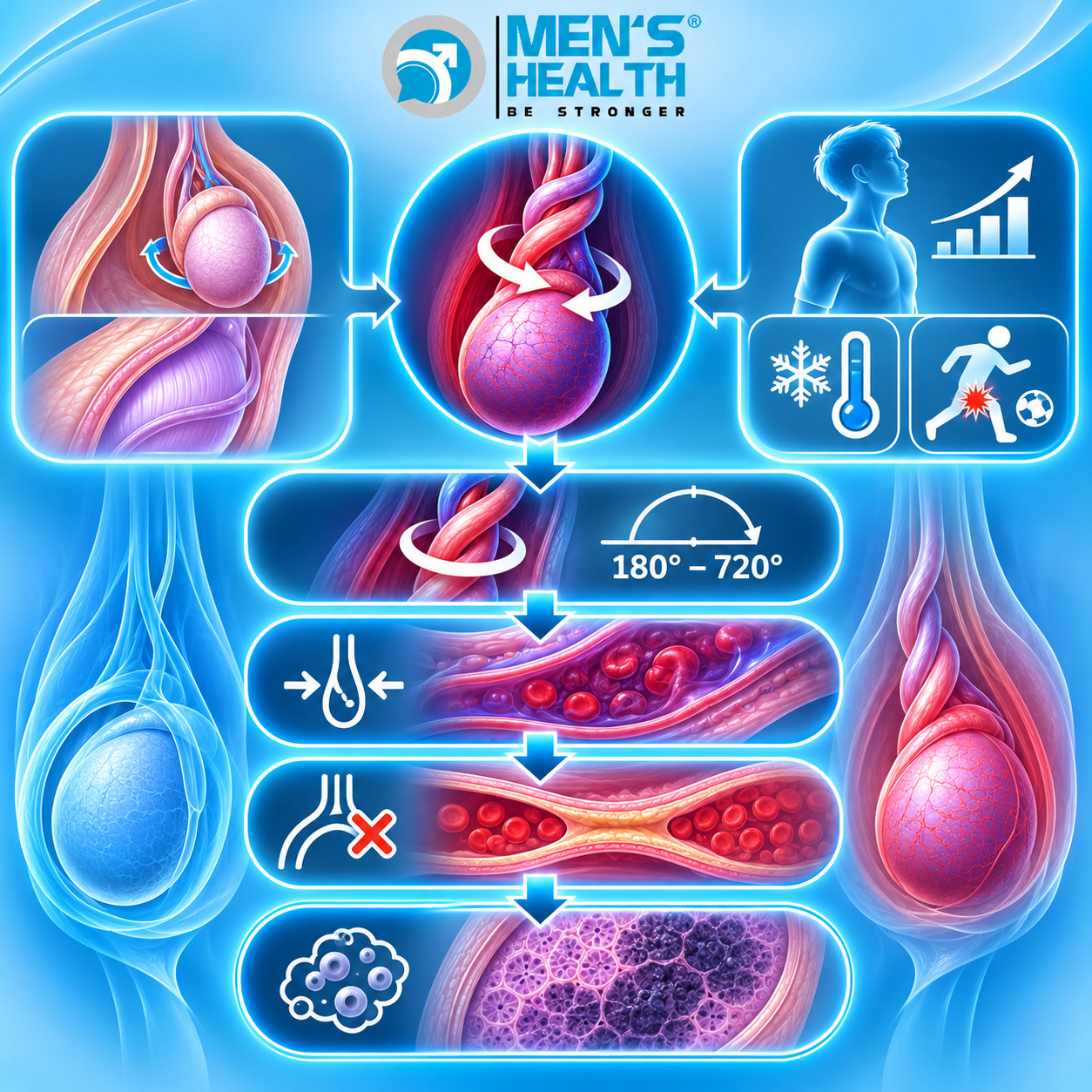
During torsion, axial rotation of the cord initially compresses the thin-walled, low-pressure venous drainage system. This causes severe venous engorgement, intratesticular edema, and elevated parenchymal pressure. As intra-scrotal pressure rises, arterial inflow from the testicular artery is occluded, driving microvascular ischemia, cellular hypoxia, and apoptosis of germinal epithelial cells and Leydig cells.
The Critical “Golden Window” for Organ Salvage
The probability of preserving testicular viability directly correlates with the time elapsed between symptom onset and surgical detorsion:
- Within 6 Hours: Salvage rates range from 90% to 100%.
- 6 to 12 Hours: Salvage rates decline to approximately 50%.
- 12 to 24 Hours: Salvage rates drop to 10% – 20%.
- Beyond 24 Hours: Testicular necrosis is virtually universal, usually necessitating orchiectomy.
2. Common Causes and Risk Factors of Testicular Torsion
Testicular torsion does not occur at random; it stems from specific anatomical anomalies, developmental changes, and environmental triggers.
Congenital Anatomical Factors
- “Bell-Clapper” Deformity: The primary anatomical predisposing factor ( >90% of intravaginal torsion cases). Normally, the tunica vaginalis attaches securely to the posterior wall of the testis and epididymis. In patients with the bell-clapper anomaly, the tunica inserts abnormally high on the spermatic cord, leaving the testis suspended freely inside the scrotal cavity like a clapper in a bell. This hypermobility allows spontaneous rotation around the cord axis.
- Cryptorchidism (Undescended Testis): Maldescended or ectopic testes exhibit a significantly higher baseline incidence of structural malrotation and subsequent torsion within the inguinal canal or abdominal cavity.
Age-Related Incidence Patterns
- Adolescents (Ages 12–18): Represents the peak incidence window. Rapid pubertal increase in testicular volume, coupled with active cremasteric muscle contractions driven by rising androgen levels, creates biomechanical instability that favors cord twisting.
- Neonatal Period: Extravaginal torsion occurs primarily in utero or during the immediate postpartum period, when the tunica vaginalis and spermatic cord have not yet fused to the dartos fascia.
External and Environmental Triggers
- Sudden Cremasteric Reflex Contraction: Sudden drops in temperature (such as swimming in cold water) trigger strong cremasteric muscle contractions capable of initiating rotation.
- Minor Physical Trauma: Direct impact or straddle injuries during sports can induce hypermobility and reflex spasms.
- Nocturnal Occurrence: Episodes frequently begin during sleep due to spontaneous cremasteric muscle activity during rapid eye movement (REM) sleep phases and postural shifts.
3. Clinical Presentation and Physical Examination
Recognizing symptoms early is critical for initiating prompt surgical intervention.
Core Clinical Manifestations
- Sudden, Severe Scrotal Pain: Sharp, excruciating pain with rapid onset, often radiating along the inguinal canal into the lower abdomen or flank.
- Scrotal Edema and Erythema: The affected hemiscrotum rapidly becomes swollen, erythematous, or dark violaceous due to venous congestion.
- Abnormal Testicular Orientation: The affected testis is pulled upward within the scrotal sac (high-riding position) and assumes an abnormal horizontal lie.
- Systemic Autonomic Features: Nausea, vomiting, diaphoresis, tachycardia, and anxiety secondary to acute visceral pain pathway stimulation.
Key Physical Exam Findings
- Absent Cremasteric Reflex: Lightly stroking the medial thigh normally causes ipsilateral testicular elevation. An absent cremasteric reflex has high sensitivity for testicular torsion.
- Negative Prehn’s Sign: Manual elevation of the affected hemiscrotum fails to relieve pain (and may aggravate it). Conversely, pain relief upon scrotal elevation is characteristic of epididymitis (Positive Prehn’s Sign).
4. Differential Diagnosis of the Acute Scrotum
Differentiating testicular torsion from other acute scrotal conditions is critical, as misdiagnosing torsion as an inflammatory process delays surgical care.
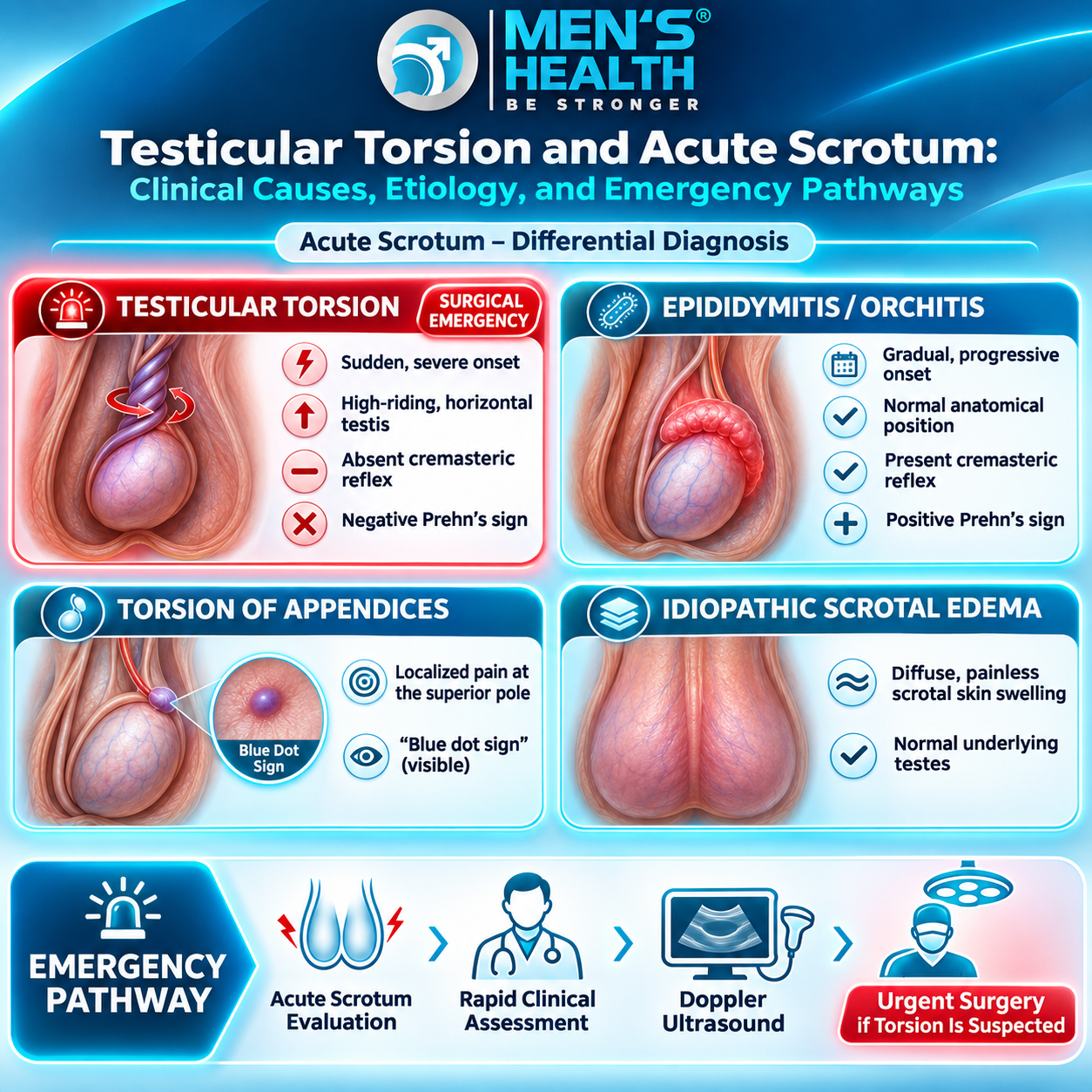
| Clinical Parameter | Testicular Torsion | Epididymo-Orchitis | Torsion of Testicular Appendix |
| Peak Age Group | Adolescents (12–18 years) | Sexually active adults | Pre-pubertal children (7–12 years) |
| Symptom Onset | Sudden, acute, severe | Gradual, progressive over days | Subacute, localized to upper pole |
| Testicular Position | High-riding, horizontal lie | Normal anatomical axis | Normal anatomical axis |
| Cremasteric Reflex | Absent | Present | Present |
| Prehn’s Sign | Negative (No pain relief) | Positive (Pain relief on elevation) | Variable / Neutral |
| Systemic Signs | Nausea, vomiting common | Dysuria, fever, purulent discharge | Absent |
| Pathognomonic Feature | Twisted cord on palpation | Tender, swollen epididymis | “Blue dot sign” at superior pole |
5. Comprehensive Diagnostic Pathways
If clinical suspicion for testicular torsion is high, surgical exploration should proceed immediately without waiting for imaging studies.
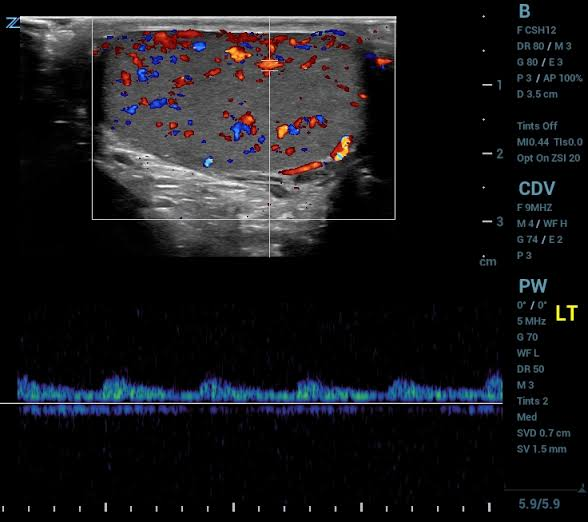
Source: POCUS Journal
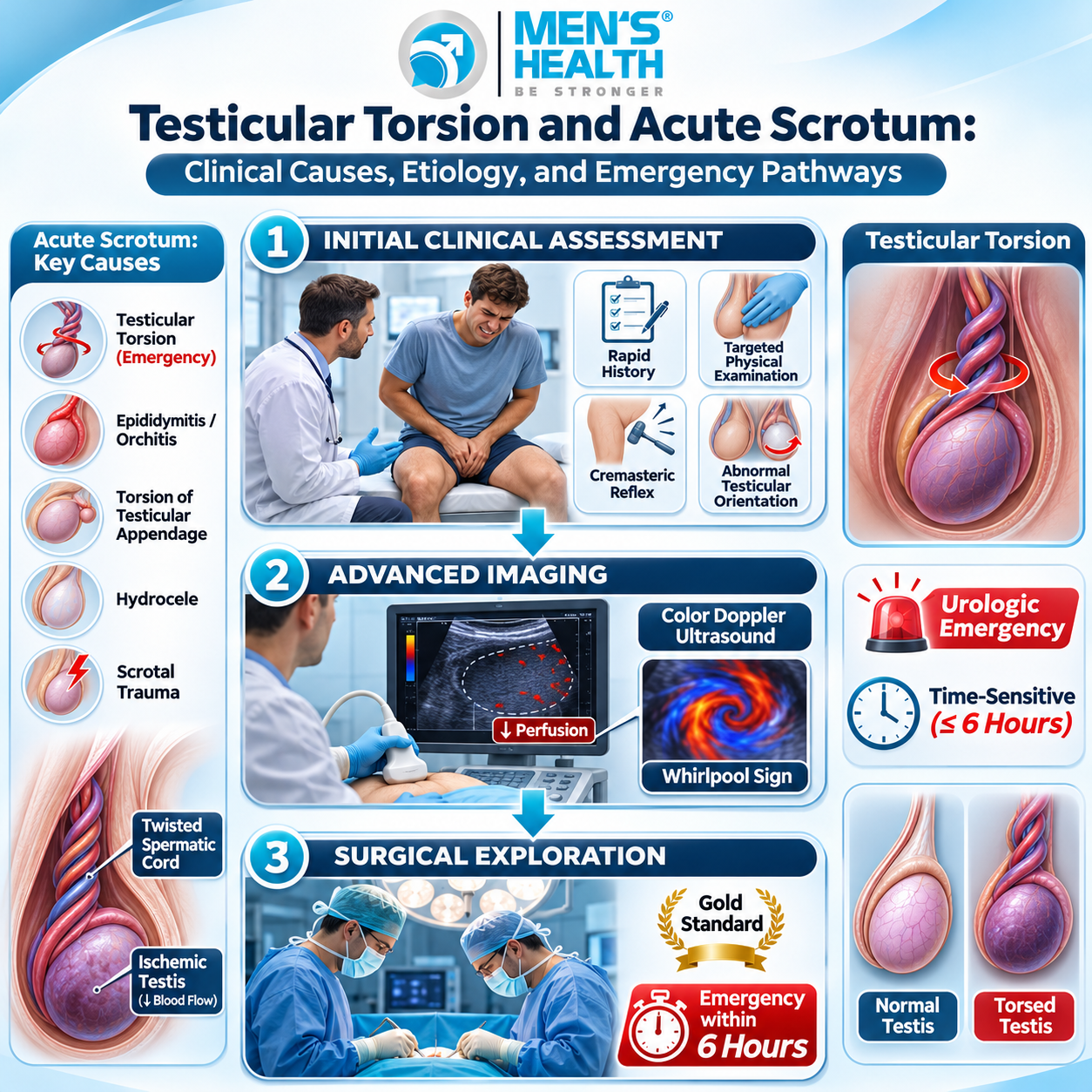
- Focused Physical Examination: Evaluates scrotal symmetry, orientation, tenderness, and cremasteric reflexes.
- Color Doppler Ultrasound (CDUS): The non-invasive imaging modality of choice. Key findings include complete absence or marked reduction of intratesticular parenchymal arterial flow compared to the contralateral side, along with the “whirlpool sign” (visualizing the spiraled cord structure).
- Laboratory Diagnostics: Complete blood count (CBC) and urinalysis rule out concurrent urinary tract infections or systemic inflammatory processes.
6. Treatment Protocols and Surgical Management
Testicular torsion cannot be managed conservatively; emergency surgical intervention is mandatory.
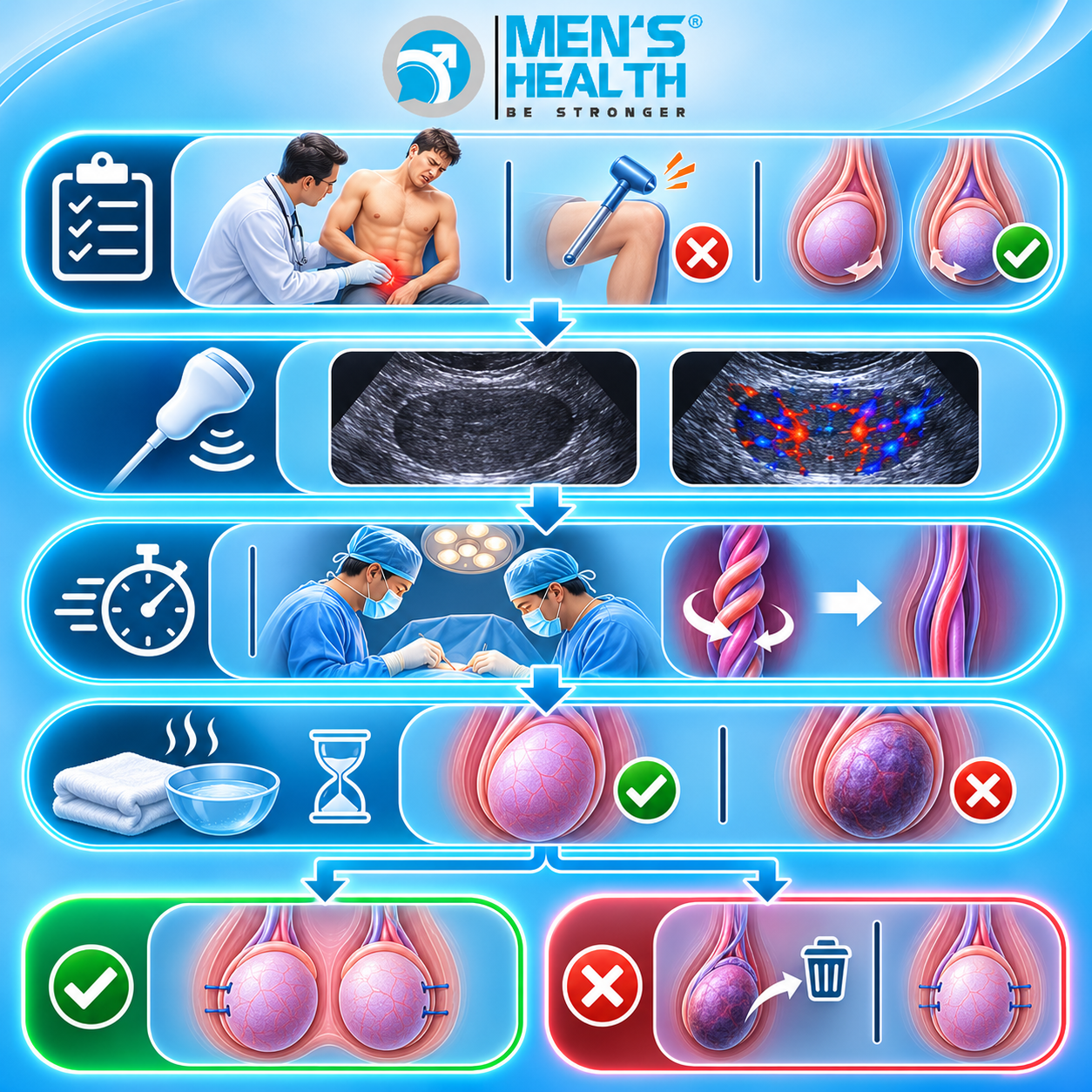
Manual Detorsion
- Procedure: Performed at the bedside while preparing for surgery. Most torsions occur inward (medially); therefore, manual detorsion uses an “open the book” maneuver, rotating the left testis clockwise and the right testis counterclockwise.
- Clinical Purpose: Serves as a temporary measure to restore perfusion; surgical exploration and fixation remain mandatory.
Surgical Exploration and Bilateral Orchiopexy
- Technique: A median scrotal raphe or transverse hemiscrotal incision exposes the spermatic cord and testis.
- Detorsion and Warm Compresses: The cord is untwisted, and the testis is wrapped in warm, saline-moistened sponges for 15 to 20 minutes to encourage reperfusion.
- Bilateral Orchiopexy: If the tissue regains healthy pink coloration and microvascular bleeding, the testis is permanently anchored to the dartos fascia using non-absorbable sutures. Prophylactic fixation of the contralateral testis is performed simultaneously due to the high rate of bilateral bell-clapper anomalies.
Orchiectomy
If prolonged ischemia ( >24 hours) results in irreversible black necrosis without arterial bleeding after warm compression, orchiectomy is performed to prevent scrotal abscess formation and anti-sperm antibody sensitization.
7. Impact of Testicular Torsion on Male Reproductive Function
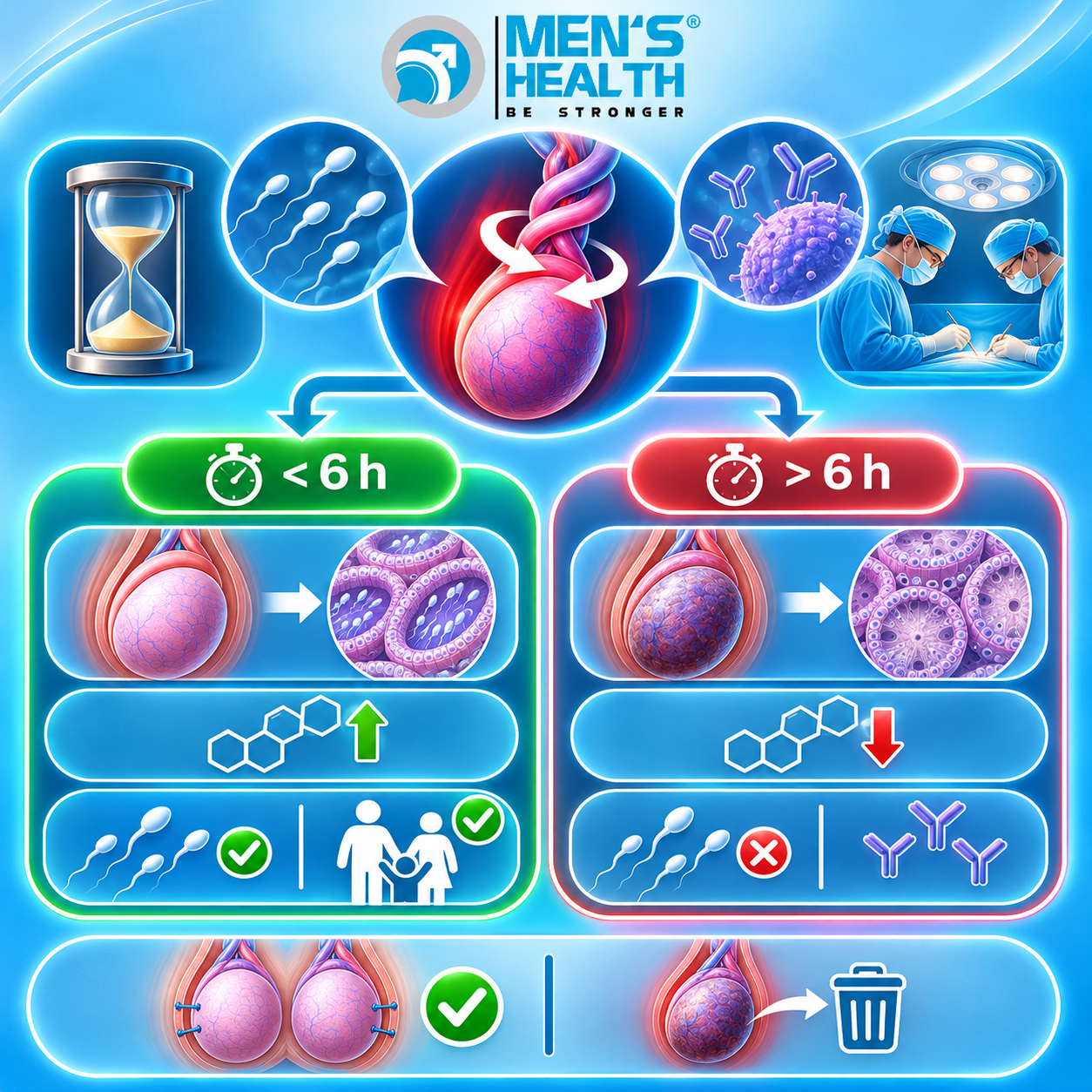
- Early Detorsion (<6 Hours): Preserves endocrine (testosterone) and exocrine (spermatogenesis) functions, protecting long-term fertility potential.
- Unilateral Orchiectomy: The remaining healthy testis undergoes compensatory hypertrophy, maintaining baseline testosterone levels and adequate sperm production for natural conception.
- Autoimmune Responses: Delayed management of necrotic testicular tissue can disrupt the blood-testis barrier, exposing haploid sperm antigens to systemic circulation and triggering anti-sperm antibody (ASA) production, which may affect contralateral sperm function.
8. Role of Pharmacotherapy in Acute Scrotum Care
Pharmacotherapy plays a supportive role in acute scrotal management and post-operative recovery:
- Analgesics: Intravenous opioids (Fentanyl, Morphine) and non-steroidal anti-inflammatory drugs (NSAIDs) control severe pre-operative pain.
- Anesthetic Agents: General or spinal anesthesia ensures complete cremasteric muscle relaxation during surgical exploration.
- Post-Operative Antimicrobials: Prophylactic broad-spectrum antibiotics (e.g., first- or second-generation cephalosporins) prevent surgical site infections.
- Anti-inflammatory Medication: Post-operative NSAIDs or anti-edema enzymes help reduce scrotal edema.
9. Professional Care at Men’s Health Center and Men’s Health Pharmacy
Managing urological emergencies and post-operative care requires specialized medical assessment and multidisciplinary pharmacy support.
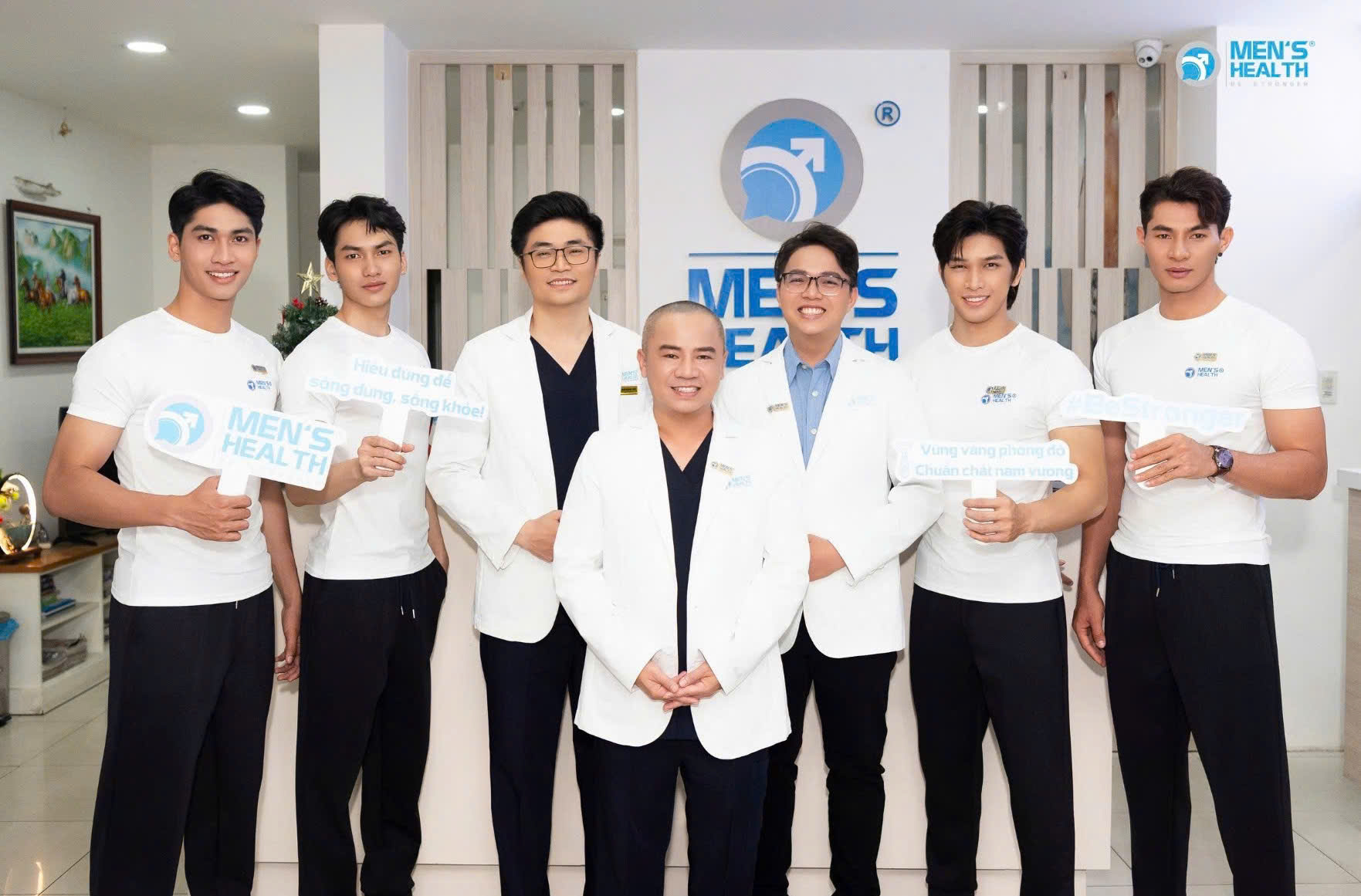
Men’s Health Pharmacy, an integral unit within the Men’s Health Center ecosystem founded by Dr. Tra Anh Duy (MD, PhD, Spec. II), provides clinical pharmacy support for male reproductive and urological health. At Men’s Health, patients consult with experienced urologists and clinical pharmacists to ensure that post-operative therapeutic regimens – including analgesics, anti-inflammatory agents, and antibiotics – are managed safely and monitored effectively. The facility maintains strict clinical safety standards, individual privacy, absolute confidentiality, and evidence-based practice across all phases of patient care.
10. Common Diagnostic Pitfalls to Avoid
- Delaying Surgery for Ultrasound Confirmation: Waiting for Doppler imaging when high clinical suspicion for testicular torsion warrants immediate operative exploration.
- Misdiagnosing Torsion as Epididymitis: Empirically prescribing antibiotics for acute scrotal pain without evaluating the cremasteric reflex or testicular position, missing the golden window.
- Assuming Manual Detorsion Eliminates the Need for Surgery: Failing to perform definitive bilateral orchiopexy after successful manual detorsion.
- Applying Heat Packs or Self-Medicating: Applying warm compresses to the scrotum increases metabolic demand in ischemic tissue, accelerating tissue necrosis.
Testicular Torsion and Acute Scrotum: Frequently Asked Questions
What is the “golden window” for salvaging a twisted testicle?
The critical window for optimal surgical detorsion and high salvage rates is within 6 hours of symptom onset. Testicular viability drops significantly after 12 hours.
Can testicular torsion resolve spontaneously?
Intermittent torsion-detorsion can occur, causing recurrent episodes of acute pain that resolve spontaneously. However, elective bilateral orchiopexy is still required to prevent complete torsion and permanent ischemic injury.
Does losing one testicle to torsion cause permanent infertility?
No. Unilateral orchiectomy does not cause complete infertility. The remaining healthy testicle undergoes compensatory hypertrophy, producing adequate testosterone and sperm for natural conception.
Why is testicular torsion more common in adolescent boys?
Rapid pubertal enlargement of testicular volume, combined with strong cremasteric muscle contractions and congenital anatomical variations like the bell-clapper deformity, creates favorable conditions for cord twisting.
Are there any medications that can untwist a spermatic cord?
No. There are no oral or injectable medications that can resolve a twisted spermatic cord. Emergency surgical exploration is the only definitive treatment.
Conclusion and Expert Medical Advice
Testicular torsion is a surgical emergency requiring rapid clinical evaluation and prompt intervention within the 6-hour golden window. Recognizing cardinal signs—such as sudden severe scrotal pain, an elevated horizontal testis, and an absent cremasteric reflex—is essential for preventing irreversible testicular necrosis and preserving male reproductive health.
Patients experiencing acute scrotal pain should avoid self-medication, heat applications, or delayed observation. Seeking emergency evaluation at a specialized center such as the Men’s Health Center guarantees immediate diagnostic accuracy, expert surgical intervention, and dedicated clinical pharmacy support for long-term urological health.