
The causes of erectile dysfunction (ED) rarely lie solely in the penis. Erection capability simultaneously depends on blood vessels, nerves, hormones, penile structure, and psychological state; therefore, diabetes, hypertension, cardiovascular disease, obesity, medications, testosterone deficiency, nerve damage, and anxiety can all contribute to the condition. Notably, newly onset erectile dysfunction in middle-aged men can be an essential warning sign requiring cardiovascular-metabolic risk assessment rather than simply self-administering erection-enhancing medications.
What is Erectile Dysfunction?
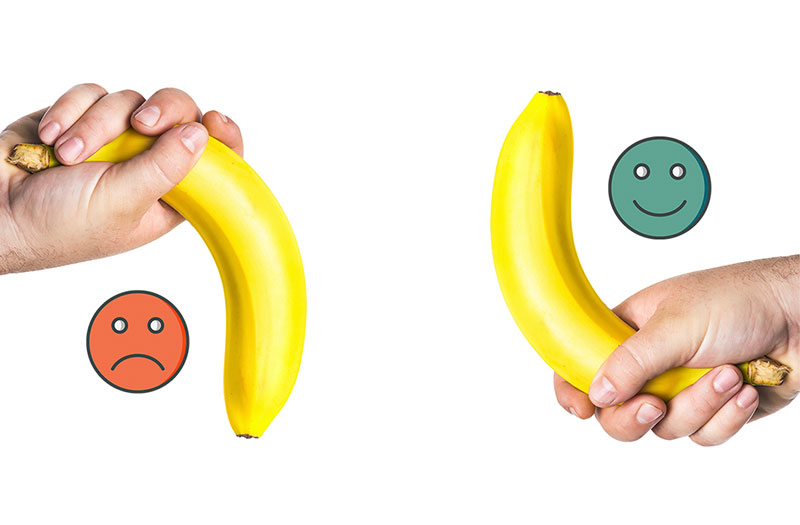
- Erectile dysfunction (ED) is the persistent or recurrent inability to achieve or maintain an erection sufficient for satisfactory sexual performance.
- A few occasional difficulties in achieving an erection due to stress, fatigue, heavy alcohol consumption, or sleep deprivation are not sufficient to diagnose ED.
- The European Association of Urology (EAU) currently divides ED causes into three main groups: physical (organic) causes, psychological causes, and mixed causes. However, in practice, most patients have multiple coexisting factors—such as an individual who has diabetes causing vascular damage alongside anxiety stemming from previous sexual failures.
- The National Institute of Diabetes and Digestive and Kidney Diseases (NIDDK) also emphasizes that ED is not an “inevitable” part of aging. The risk increases with age, but underlying medical conditions, medications, lifestyle, and psychological health are the factors that must be investigated.
What Factors Are Required for a Normal Erection?
For the penis to achieve a proper erection, the body must coordinate at least four distinct systems:
- The brain and nervous system receive sexual stimulation.
- Nerves transmit signals to the penis.
- Nitric oxide and chemical signals relax the smooth muscle of the corpora cavernosa.
- Sufficient blood flows into the corpora cavernosa and is retained long enough.
Any disruption across these steps can lead to ED. Therefore, “poor blood circulation” is merely one of many causes. An individual with relatively healthy blood vessels can still experience erection difficulties due to nerve damage following pelvic surgery; conversely, a person with normal nerve function but severe atherosclerosis can also suffer from ED.
Causes of Erectile Dysfunction Due to Vascular Disorders
Vascular disorders represent one of the most critical causes of ED, particularly among middle-aged and older men. When the arteries supplying blood to the corpora cavernosa are damaged or endothelial function is impaired, blood flow into the penis becomes insufficient to generate and maintain an erection.
Common associated factors include:
- Hypertension;
- Diabetes mellitus;
- Dyslipidemia;
- Atherosclerosis;
- Coronary artery disease;
- Peripheral arterial disease;
- Obesity;
- Metabolic syndrome;
- Smoking;
- Physical inactivity.
Why Does Diabetes Easily Cause Erectile Dysfunction?
- Diabetes can simultaneously damage blood vessels and nerves, which are two essential components of the erection mechanism.
- Prolonged high blood glucose levels contribute to endothelial dysfunction, diminished nitric oxide responses, and peripheral neuropathy.
- NIDDK notes that men with diabetes face a significantly higher risk of ED, which can manifest earlier than in non-diabetic individuals.
- Consequently, men with diabetes experiencing erection difficulties must focus not only on ED medications but also on:
- HbA1c;
- Blood pressure;
- Lipid profiles;
- Body weight;
- Smoking status;
- Diabetic neuropathy.
- Controlling these factors benefits sexual function while helping minimize systemic complications.
How Does Hypertension Cause ED?
- Long-standing hypertension can damage vascular walls and impair endothelial function. Some individuals simultaneously suffer from atherosclerosis, diabetes, or obesity, further elevating their risk.
- Certain antihypertensive medications—specifically thiazide diuretics or beta-blockers—have historically been linked to adverse effects on erectile function; however, not all blood pressure medications cause ED, and newer generation drugs tend to be more neutral.
- Patients should never independently discontinue blood pressure medication due to erection difficulties. A physician can assess whether ED stems from the hypertension itself, the medication, or both, and adjust treatment if genuinely necessary.
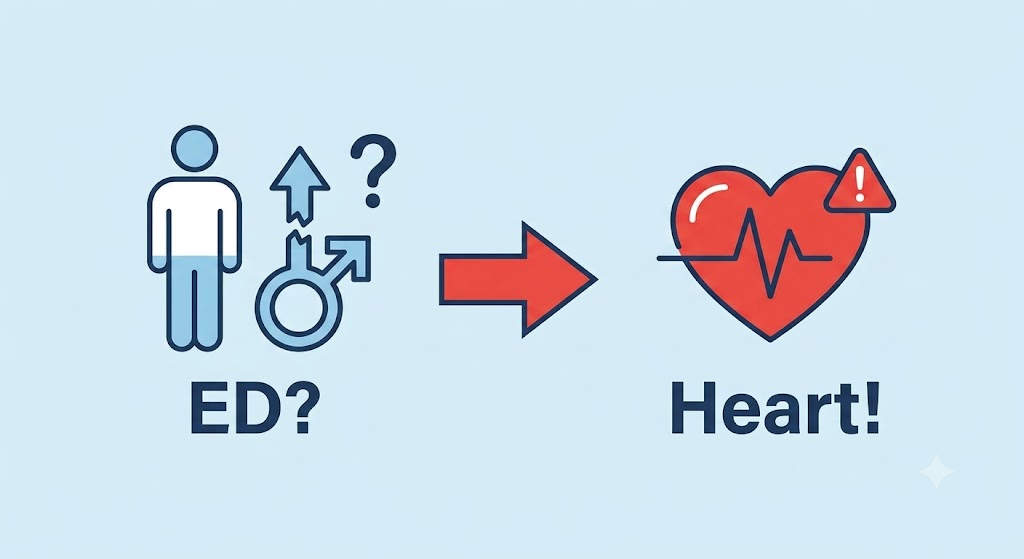
Is Erectile Dysfunction a Sign of Cardiovascular Disease?
- Yes, it can be.
- The penis requires a well-functioning vascular system to achieve an erection. Because penile arteries are relatively small in caliber, endothelial dysfunction or atherosclerosis can manifest as erectile impairment before systemic cardiovascular symptoms become apparent.
- The EAU currently recognizes ED as a sign significantly associated with the risk of cardiovascular disease, coronary artery disease, stroke, and cardiovascular mortality. Specifically, newly onset ED in younger or middle-aged men should not be managed solely with erection medications while ignoring a cardiovascular risk evaluation.
- Recommended screening parameters include:
- Blood pressure;
- Blood glucose or HbA1c;
- Cholesterol and triglycerides;
- Smoking status;
- Weight/waist circumference;
- Family history;
- Exercise capacity;
- Chest pain or shortness of breath upon exertion.
- This does not imply that every man with ED definitively has heart disease; rather, ED serves as a rational trigger for comprehensive risk assessment.
Causes of Erectile Dysfunction Due to Neurological Disorders
Achieving an erection requires neurological signals passing from the brain, spinal cord, and peripheral nerves down to the penis. If this pathway is damaged, erections may weaken or fail to appear even when sexual desire remains intact.
The EAU lists numerous neurological causes, such as:
- Multiple sclerosis;
- Parkinson’s disease;
- Spinal cord injuries;
- Stroke;
- Central nervous system tumors;
- Polyneuropathy;
- Diabetic nerve damage;
- Pelvic or retroperitoneal surgery.
Why Is Erectile Dysfunction Common After Prostate Surgery?
- Radical prostatectomy to treat cancer can impact the nerves and vascular bundles surrounding the prostate and penis.
- Even when nerve-sparing techniques are implemented, erectile capability may temporarily decline postoperatively. The extent of recovery depends on age, preoperative erectile function, the degree of nerve preservation, and underlying vascular health.
- The EAU acknowledges ED as a frequent complication following radical prostatectomy as well as certain forms of pelvic radiation therapy.
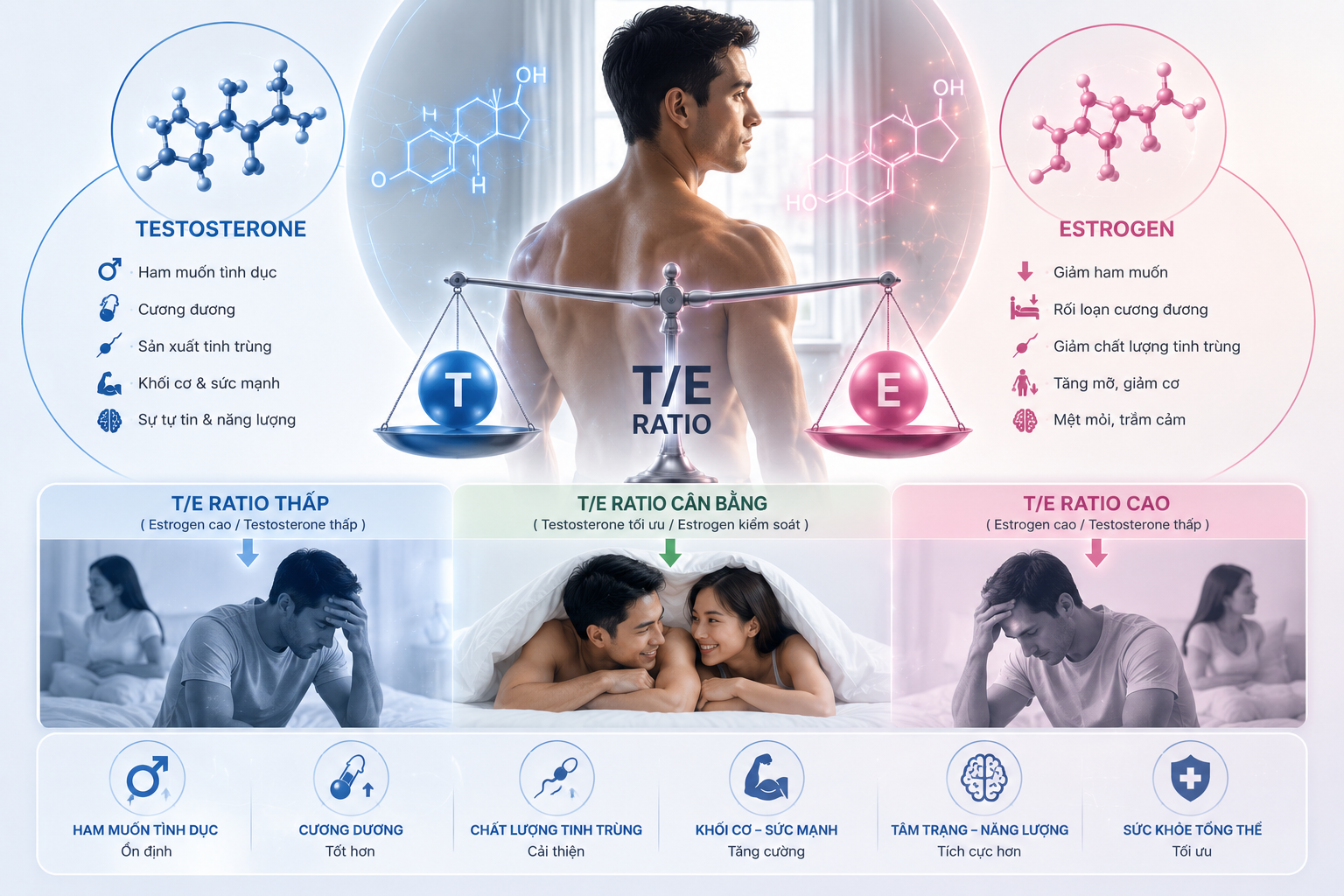
Does Testosterone Deficiency Cause Erectile Dysfunction?
- Yes, it can, but low testosterone is not the root cause of every case of ED.
- Testosterone strongly influences:
- Sexual desire (libido);
- Spontaneous erections;
- Cavernosal tissue health;
- Aspects of the sexual response.
- However, in patients with diabetes or cardiovascular disease, vascular and neurological etiologies are frequently predominant. The EAU notes that ED can coincide with hypogonadism, but healthcare providers must confirm testosterone deficiency using rigorous diagnostic criteria before considering hormone therapy.
- Indications suggesting a need for testosterone evaluation include:
- Marked reduction in libido;
- Decreased morning erections;
- ED accompanied by chronic fatigue;
- Loss of muscle mass;
- Small or abnormal testicles;
- History of pituitary disorders;
- Long-term opioid utilization.
- Diagnostic testing typically requires a fasting morning total testosterone level; if results are low, confirmation and further assessment should follow based on individual clinical presentations.
- Patients should never self-administer testosterone simply because tadalafil or sildenafil fails to yield satisfactory results.
Other Endocrine Disorders Capable of Causing ED
Beyond low testosterone, other endocrine dysfunctions can impact sexual function, including:
- Thyroid disorders;
- Pituitary diseases;
- Cortisol imbalances;
- Hyperprolactinemia in select cases;
- Combined endocrine irregularities.
- Note: Not every patient experiencing ED requires a complete battery of hormone tests; investigations should rely on symptoms, physical exams, and baseline testosterone assessments.
Medications That Can Induce Erectile Dysfunction
Certain drugs can alter libido, neurological functions, hormonal profiles, or blood pressure, thereby contributing to ED. Frequently cited classes encompass:
- Specific antihypertensive medications;
- Antidepressants, notably SSRIs;
- Antipsychotic medications;
- Anti-androgen drugs;
- 5-alpha reductase inhibitors;
- Certain prostate cancer treatment regimens.
- Additionally, excessive alcohol consumption alongside specific drugs of abuse or stimulants can impair erectile capability.
Should You Stop Medication If Suspected of Causing ED?
- No, patients should never stop medications independently.
- A drug may be critical for controlling hypertension, depression, or heart disease. Abruptly discontinuing therapy can pose far greater risks than ED.
- The proper course of action is to supply physicians with an exhaustive list of:
- Prescription drugs;
- Over-the-counter medications;
- Dietary supplements;
- Testosterone or steroids if utilized;
- Alcohol and regularly consumed substances.
- Physicians may substitute medications, adjust dosing, or manage ED concurrently when appropriate.
How Do Alcohol, Tobacco, and Stimulants Affect Erections?
- Smoking: Tobacco damages the endothelium and accelerates vascular disease; hence, smoking represents a major modifiable risk factor for ED. The EAU groups smoking alongside obesity, physical inactivity, and cardiovascular disease as core risk elements.
- Alcohol: Heavy alcohol intake during a single session can impair neural responses and cause temporary erection difficulties. Chronic misuse is linked to hepatic, neurological, endocrine, and psychological disorders, all of which compromise sexual health.
- Recreational Drugs and Anabolic Steroids: The EAU identifies cocaine, heroin, methadone, synthetic substances, and anabolic steroids as risk factors tied to ED. Anabolic steroids can deeply suppress the endocrine axis post-use, resulting in low endogenous testosterone, reduced libido, and reproductive complications.

Psychological Factors and Structural/Systemic Conditions
- Psychological ED: While common, clinicians should not automatically attribute ED in younger individuals solely to psychological factors. Psychological elements include performance anxiety, stress, depression, relational conflict, pressure to maintain erections, negative sexual experiences, or fear of failure following past difficulties. The EAU classifies psychological ED into generalized and situational types (e.g., ED manifesting only under specific circumstances or with particular partners). A frequent vicious cycle involves an isolated erection failure leading to anxiety over future attempts, increased cognitive focus on the erection, reduced sexual arousal, and subsequent recurring failure. However, psychological and organic causes frequently coexist.
- Morning Erections: Retaining morning or masturbatory erections suggests that vascular-neural systems maintain some functionality, but it is insufficient to rule out organic pathology. Conversely, a lack of morning erections can be influenced by age, sleep quality, testosterone deficiency, vascular disease, or stress. Consequently, physicians must review the complete medical history rather than relying on a single indicator.
- Peyronie’s Disease and Structural Anomalies: Peyronie’s disease induces fibrous plaque formation in the tunica albuginea, leading to penile curvature, shortening, indentation, hourglass deformation, or pain during erection. While some individuals achieve erections, structural deformations impede intercourse. Others concurrently experience vascular ED or psychological distress rooted in structural destabilization. The EAU lists Peyronie’s and structural abnormalities within potential ED etiologies.
- Renal and Hepatic Disorders: Chronic kidney disease (CKD) and chronic liver disease can induce ED via multiple mechanisms: vascular disturbances, hormonal shifts, neuropathy, chronic fatigue, medications, systemic illness, and psychological strain. Management requires evaluating hepato-renal function prior to initiating PDE5 inhibitors or dietary supplements.
- Sleep Apnea and Sleep Deprivation: Sleep disorders, including obstructive sleep apnea (OSA), correlate with ED. Men presenting with loud snoring, witnessed apneas, daytime somnolence, obesity, poorly controlled hypertension, low testosterone, or ED warrant evaluation for sleep apnea. Adequate sleep does not cure all ED, but healthy sleep hygiene plays an important role in endocrinology, psychology, and cardiovascular health.
- Age and ED: Aging elevates risk, but ED is not an obligatory consequence of aging. Older men typically accumulate more risk factors—hypertension, diabetes, atherosclerosis, obesity, medications, declining testosterone, and neuropathy. NIDDK emphasizes that while ED becomes more common with advancing age, it should not be dismissed as a mandatory element of growing old. Thus, dismissing treatable underlying pathology simply due to advanced age is unwarranted.
- Maintenance Difficulties vs. Initial Erection: Difficulties maintaining an erection rather than achieving one can stem from various causes beyond a simplistic diagnosis of “venous leak.” Maintenance issues can be influenced by reduced arterial inflow, suboptimal cavernosal veno-occlusive mechanisms, intra-coital anxiety, reduced stimulation, medications, alcohol, or vascular disease. The diagnosis of “venous leak” should not be rendered solely based on patient reports of achieving an erection that quickly subsides. For suspected vascular causes, clinicians may consider penile color duplex ultrasound following pharmacologic stimulation—a specialized diagnostic test, not a routine screening tool for every ED presentation according to EAU guidelines.
Diagnostic Approach: Uncovering the Root Cause
Initial evaluations remain systematic:
- Medical History (EAU Recommendations): Inquiries cover sudden versus gradual onset, difficulties initiating versus maintaining erections, morning erections, masturbatory responses, libido, ejaculation and orgasm, underlying medical conditions, current medications, stress levels, and emotional relationships.
- Physical Examination: Focuses on the genitalia and testes, signs of Peyronie’s disease, blood pressure, weight/waist circumference, signs of testosterone deficiency, and targeted neurological and vascular checks when indicated.
- Basic Laboratory Testing (EAU Recommendations): Assesses reversible metabolic and hormonal abnormalities, typically incorporating:
- Fasting blood glucose or HbA1c;
- Lipid profile;
- Fasting morning total testosterone.
- Note: Specialized tests like LH, prolactin, PSA, or advanced imaging are reserved for specific clinical indications.
When to Seek Early Medical Attention
Evaluation is advised if ED:
- Persists or recurs frequently;
- Progressively worsens;
- Appears at a young age without clear provocation;
- Accompanies diminished libido;
- Accompanying pain or penile curvature;
- Arises following surgery or trauma;
- Occurs alongside diabetes, hypertension, or heart disease;
- Fails to respond despite correct medication utilization.
- Red Flag: Newly onset ED coinciding with chest pain, exertional shortness of breath, or marked reductions in physical stamina requires prioritizing cardiovascular evaluation before taking erection medications.
Preventive Measures
Many ED risk factors are modifiable. The EAU demonstrates that physical activity, weight loss, and cardiovascular risk management improve erectile function in select men. Effective actions encompass:
- Smoking cessation;
- Regular physical exercise;
- Weight control;
- Blood glucose management;
- Managing hypertension and dyslipidemia;
- Limiting alcohol intake;
- Sufficient sleep hygiene;
- Treating sleep apnea if present;
- Avoiding self-administered steroids/testosterone;
- Prioritizing mental health care.
- Caution: Patients must not stop underlying disease treatments under the assumption it will resolve ED without consulting a physician.
Comprehensive Care at Men’s Health
Erectile dysfunction may manifest as an indicator of andrological, endocrine, neurological, metabolic, or cardiovascular pathology. Addressing symptoms solely via an erection pill often masks underlying problems while leaving root systemic issues unmanaged.
The Men’s Health Andrology Pharmacy operates within the Men’s Health Center ecosystem, founded by Dr. Tra Anh Duy (MD, Specialist Level 2). During patient care, physicians assess ED severity, underlying medical conditions, testosterone status, and cardiovascular risk, while pharmacists review ongoing medications, potential drug interactions, and correct usage instructions when erection medications are prescribed.
Sildenafil, tadalafil, and other PDE5 inhibitors are strict prescription medications and are unsafe for all patients—particularly those utilizing nitrates. Testosterone is indicated exclusively for confirmed hormone deficiencies. Men’s Health emphasizes professional, safe, discreet, confidential, and personalized care centered on identifying the true underlying causes for each patient.
Frequently Asked Questions (FAQs)
1. What is the most common cause of erectile dysfunction? In middle-aged and older men, vascular-metabolic causes—such as diabetes, hypertension, dyslipidemia, obesity, and cardiovascular disease—are paramount. However, many cases involve coexisting psychological, hormonal, or pharmaceutical factors.
2. Is erectile dysfunction in young men strictly psychological? It cannot be automatically assumed. Anxiety and stress are common in young populations, but diabetes, low testosterone, medications, neurological conditions, or vascular issues must still be considered when symptoms persist.
3. Does erectile dysfunction stem from low testosterone? It can, particularly when accompanied by decreased libido and reduced spontaneous erections. Nevertheless, low testosterone does not account for all instances of ED and requires verification through appropriate laboratory testing.
4. Can diabetes cause erectile dysfunction? Yes. Sustained hyperglycemia damages both blood vessels and nerves critical to achieving erections.
5. Do blood pressure medications cause erectile dysfunction? Certain medications can contribute to ED, but hypertension itself serves as a vital underlying cause. Patients should not independently discontinue medication; physicians can explore alternative choices if drugs are genuinely impacting erectile function.
6. Is erectile dysfunction a warning sign for heart disease? Potentially. ED and cardiovascular disease share multiple risk factors, and ED frequently precedes coronary symptoms. Consequently, newly onset ED in middle-aged men serves as a critical window to assess cardiovascular risk.
7. Does having morning erections rule out physical causes if intercourse fails? Psychological factors play roles, but conclusions cannot be drawn solely from this sign. Overall context, medical history, medications, libido, and erection rigidity must be evaluated.
8. Does alcohol cause erectile dysfunction? Excessive alcohol intake can induce temporary erection problems, and chronic misuse damages neural, hepatic, hormonal, and sexual health. The EAU lists excessive alcohol consumption among factors linked to ED.
9. Does Peyronie’s disease cause erectile dysfunction? Potentially. Fibrous plaques and penile deformation complicate intercourse, while Peyronie’s may coincide with vascular or psychological ED.
10. What diagnostic tests are indicated for persistent erectile dysfunction? Initial evaluations typically encompass fasting blood glucose or HbA1c, lipid profiles, and fasting morning total testosterone, alongside a thorough medical history and physical exam. Additional testing is selected on a case-by-case basis.
Conclusion
The causes of erectile dysfunction typically reflect a combination of factors rather than simple “sexual weakness” or advancing age. Principal etiologies include cardiovascular-vascular disease, diabetes, nerve damage, testosterone deficiency, medication side effects, structural penile abnormalities, and psychological variables.
Particularly, newly diagnosed ED in middle-aged men represents an opportunity for early detection of hypertension, diabetes, dyslipidemia, or cardiovascular risk. Evaluating blood glucose, lipid profiles, blood pressure, and testosterone when indicated yields greater value than blindly purchasing erection enhancement pills.
Erectile dysfunction remains treatable across many instances, but optimal efficacy depends on identifying the root cause. Patients must avoid self-discontinuing medications, self-prescribing testosterone, or relying on unverified “potency” products. If difficulties maintaining erections persist, recur, or diminish quality of life, consulting an andrologist helps pinpoint underlying factors and select safer therapeutic strategies.