
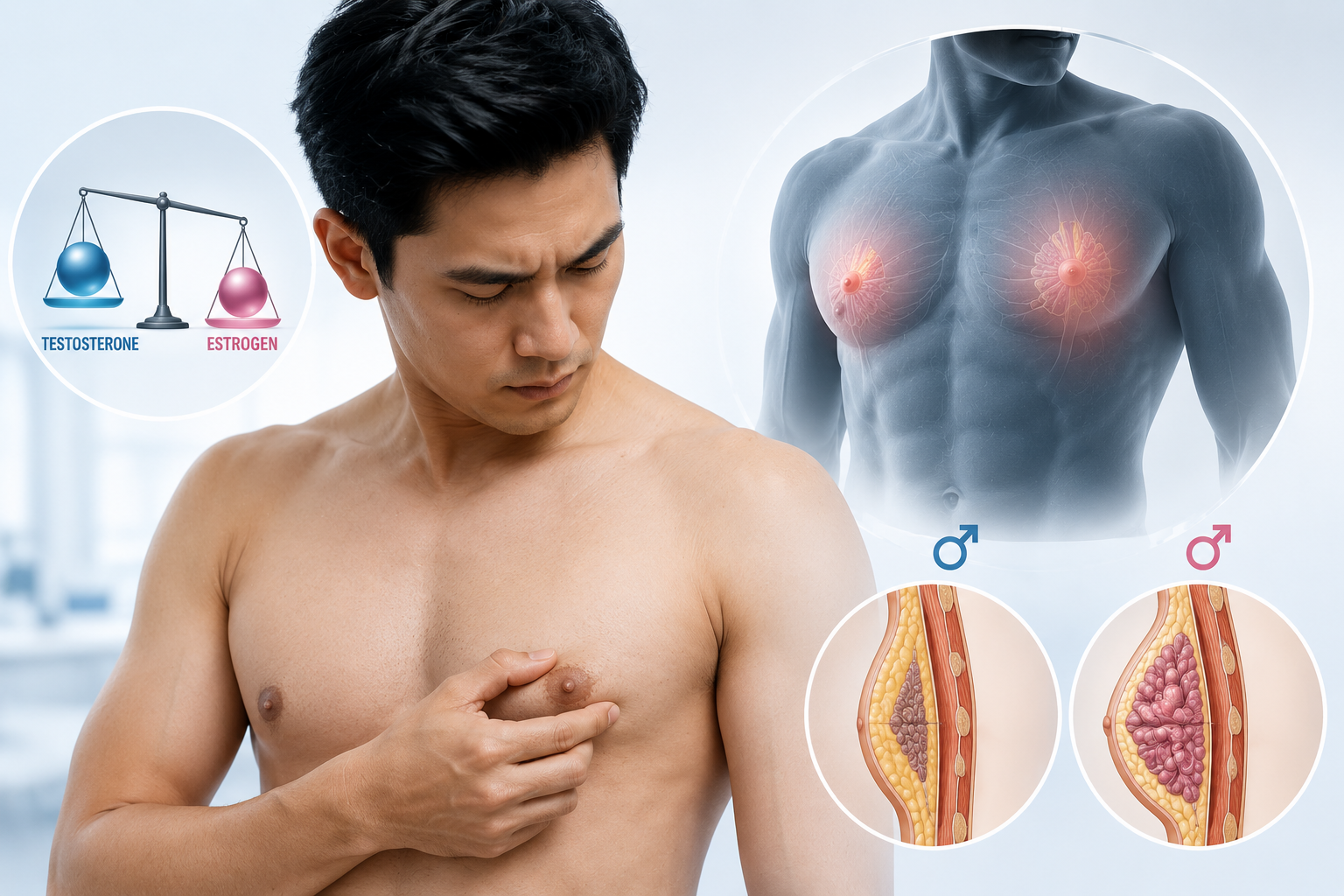
Gynecomastia in men is a medical condition characterized by the abnormal development and enlargement of breast glandular tissue resulting from a hormonal imbalance—specifically, an increase in female hormone levels (Estrogen) relative to male hormones (Testosterone). This condition causes physical discomfort and pain, alongside significant psychological distress and reduced self-esteem in men. Understanding the causes of excess estrogen, distinguishing key symptoms, and adopting evidence-based medical treatments allow men to proactively manage the condition, protect their overall health, and restore their confidence.
What Is Male Gynecomastia and Its Pathophysiology?
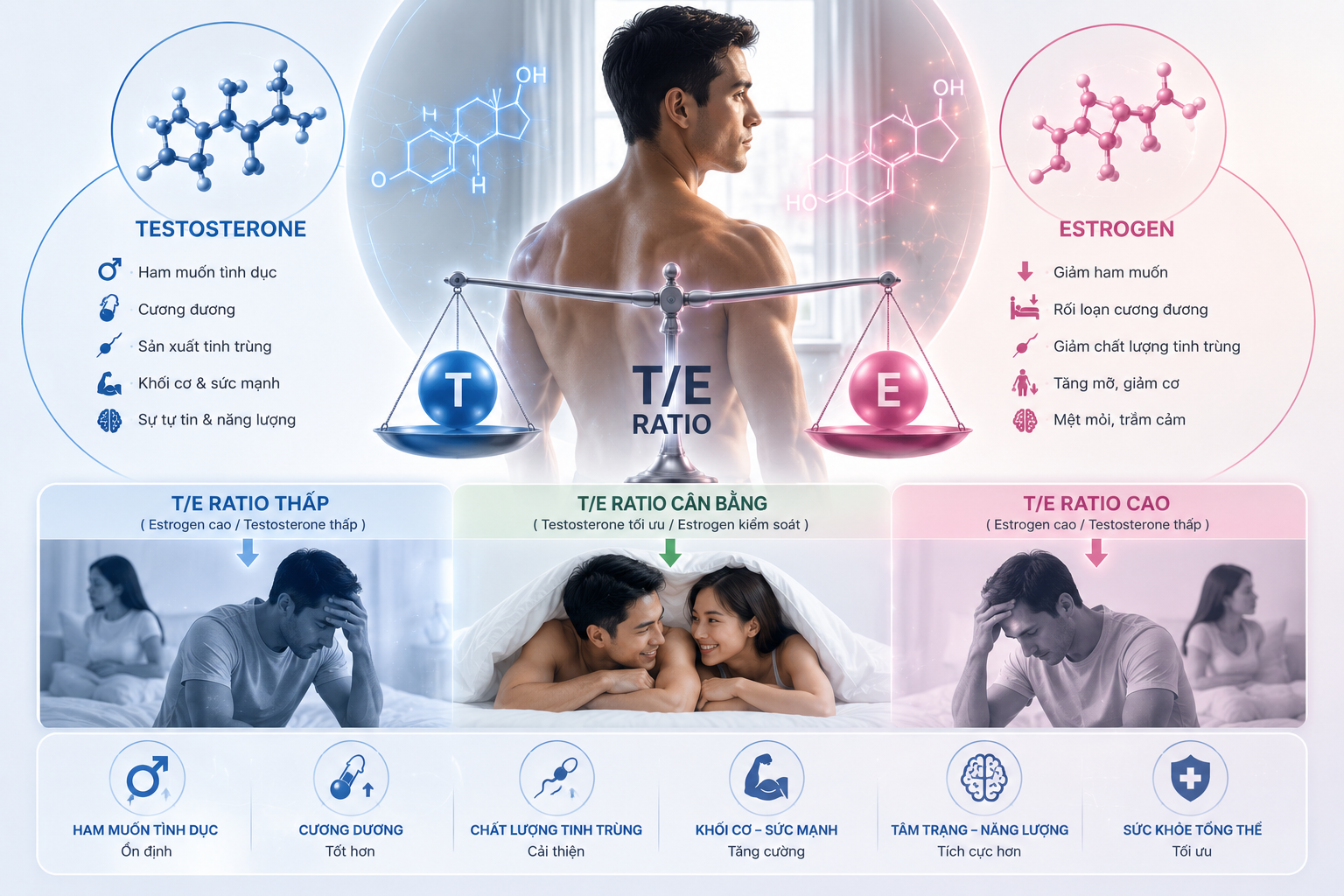
Under normal physiological conditions, the male body produces a small amount of Estrogen alongside a much larger quantity of Testosterone. Maintaining a stable Testosterone-to-Estrogen ratio is essential for developing and preserving male secondary sexual characteristics.
Gynecomastia occurs when this hormonal balance is disrupted. An absolute excess of Estrogen or a relative excess (when Testosterone drops significantly) stimulates hormone receptors in breast tissue. Under Estrogen’s influence, ductal elements and stromal tissues in the male breast undergo proliferation and enlargement, forming firm, rubbery, tangible masses directly beneath the areola.
It is crucial to distinguish true Gynecomastia from Pseudogynecomastia. Pseudogynecomastia refers solely to fat accumulation in the chest area due to overweight or obesity, without any true proliferation of breast glandular tissue.
What Causes Excess Estrogen and Gynecomastia in Men?
According to current medical guidelines, the hormonal imbalances leading to gynecomastia stem from natural physiological processes, systemic medical conditions, or exogenous drug and chemical exposures.
1. Physiological Gynecomastia
This natural form can occur during three distinct stages of a man’s life:
- Neonates: Over half of male infants are born with transiently enlarged breasts due to transplacental exposure to maternal estrogen. This usually resolves spontaneously within 2 to 3 weeks.
- Puberty: Sudden hormonal fluctuations during puberty—when testosterone production cannot yet offset rising estrogen—cause temporary gynecomastia in many adolescent boys. Most cases regress spontaneously within 6 months to 2 years.
- Aging Males: The aging process leads to a natural decline in testosterone production (andropause). Concurrently, an increase in body fat in older age elevates peripheral conversion of hormones into estrogen.
2. Pathological Endocrine Disorders
- Obesity: Adipose (fat) cells contain high concentrations of the Aromatase enzyme, which converts testosterone into estrogen. Excess body fat directly correlates with higher circulating estrogen levels in men.
- Hypogonadism: Testicular conditions (such as Klinefelter syndrome, orchitis, or trauma) or pituitary disorders severely impair testosterone production.
- Tumors: Certain testicular, adrenal, or pituitary tumors actively secrete estrogen or produce tropic hormones that stimulate estrogen synthesis.
- Liver and Kidney Diseases: Liver cirrhosis or failure impairs hepatic breakdown and clearance of estrogen. Renal failure and chronic hemodialysis also disrupt systemic hormone balance.
- Hyperthyroidism: An overactive thyroid increases levels of sex hormone-binding globulin (SHBG), indirectly altering the ratio of free testosterone to free estrogen in the blood.
3. Side Effects of Medications and Substances
Substance abuse and pharmaceutical side effects are primary drivers of gynecomastia in adult males:
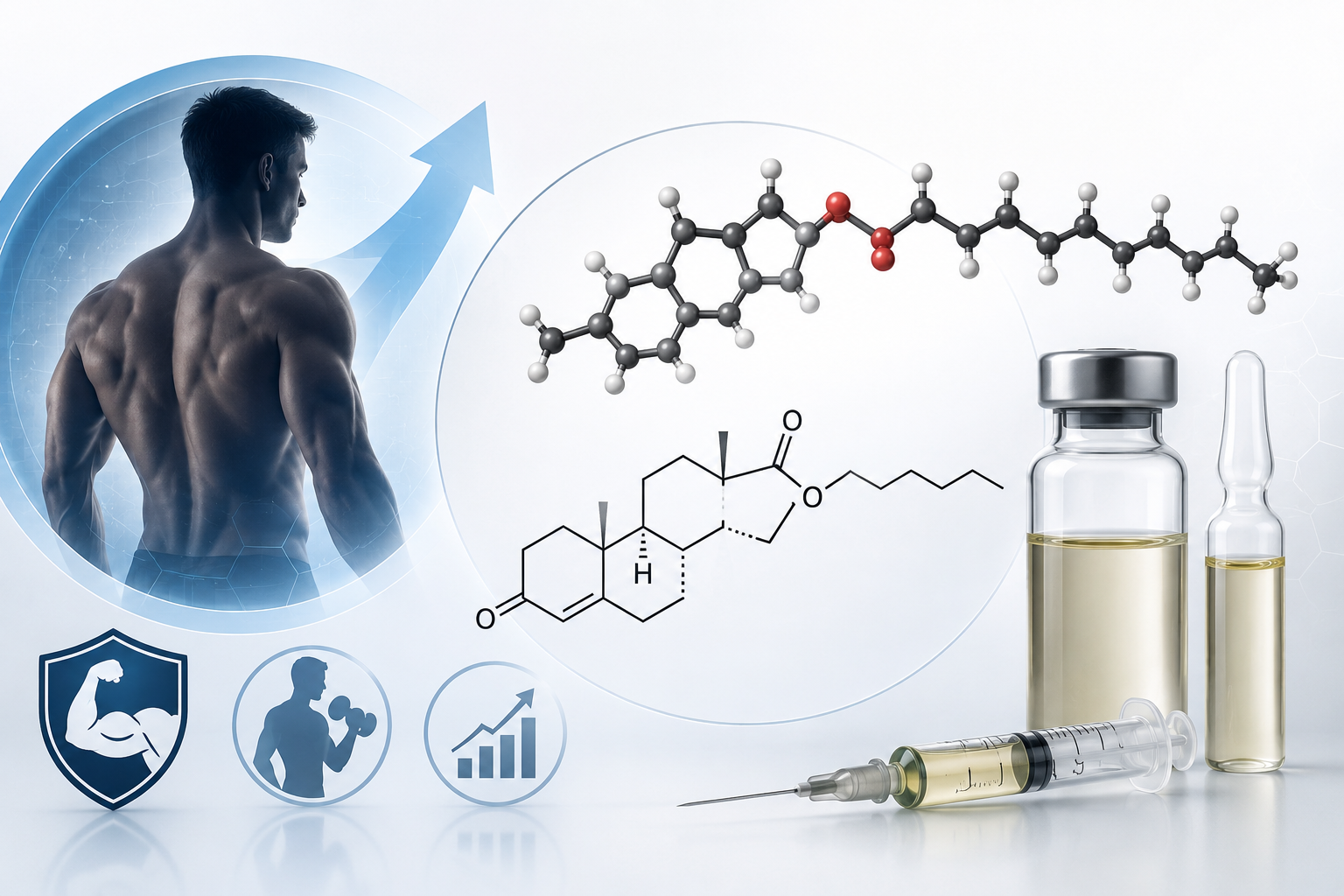
- Anabolic-Androgenic Steroids (AAS): Misused by bodybuilders to rapidly build muscle mass. Excess exogenous testosterone is aromatized by the body into estrogen.
- Prescription Drugs: Anti-androgens used for prostate cancer, cardiovascular drugs (such as Spironolactone), antidepressants, and ulcer medications (Cimetidine).
- Substance Misuse: Chronic alcoholism, marijuana, heroin, or amphetamines.

What Are the Symptoms and When Should You See a Doctor?
Gynecomastia can affect one or both breasts. Early identification allows medical therapy to be more effective before glandular tissue undergoes irreversible fibrosis.
Typical Symptoms
- Swelling of breast tissue, causing the chest to project forward or sag.
- A firm, elastic, rubbery tissue mass located symmetrically under the nipple or areola that moves together with the nipple complex.
- Breast tenderness, soreness, burning sensations, or hypersensitivity to touch or clothing friction.
- Asymmetrical development between the breasts.
When to Seek Immediate Medical Evaluation?
Men should not monitor symptoms at home and must consult an Andrologist or Oncologist immediately if they notice:
- Rapidly enlarging breast swelling accompanied by severe pain, redness, or heat (signs of infection or abscess).
- Nipple discharge, particularly if blood-stained.
- A hard, painless, fixed, or immovable nodule with dimpled skin (red flags for male breast cancer).
- Breast swelling paired with a palpable abnormal mass in the testicles.

How Is Male Gynecomastia Diagnosed?
To identify the root cause of estrogen excess and rule out malignancies, physicians utilize a multi-step approach:
- Medical History & Physical Examination: Detailed review of current medications, medical history, clinical evaluation of breast tissue density/size, and testicular examination.
- Hormonal Blood Tests: Quantitative measurement of Total Testosterone, Estradiol (Estrogen), LH, FSH, Prolactin, HCG, and thyroid hormones.
- Biochemical Screening: Liver function tests (AST, ALT) and kidney function tests (Creatinine) to evaluate underlying organic diseases.
- Diagnostic Imaging: Breast ultrasound to differentiate glandular tissue (true gynecomastia) from adipose tissue (pseudogynecomastia) and rule out malignancy. Scrotal ultrasound to screen for testicular tumors. Mammography or tissue biopsy may be ordered if breast cancer is suspected.
How Is Gynecomastia Treated and What Is the Role of Medical Therapy?
The core principle of treating gynecomastia is addressing the primary etiology behind the hormonal disruption, rather than simply attempting to flatten the chest.
1. Non-Pharmacological Management (Observation)
For pubertal or asymptomatic physiological gynecomastia, periodic monitoring every 3 to 6 months is recommended, as most cases resolve spontaneously. If caused by underlying medications (e.g., cardiac or gastric drugs), doctors will consider switching to alternative drugs that do not interfere with endocrinology.
2. Prescription Pharmacotherapy
Medical therapy is effective primarily during the early active phase (under 12 months) before tissue becomes fibrotic.
- Selective Estrogen Receptor Modulators (SERMs – e.g., Tamoxifen, Raloxifene):
- Mechanism: Competitively binds to estrogen receptors in breast tissue, blocking estrogenic activity, alleviating pain, and regressing glandular volume.
- Indications: Men with painful, recent-onset (non-fibrotic) gynecomastia or severe psychological distress. Thorough evaluation—particularly of liver function—is required prior to use.
- Aromatase Inhibitors (AIs – e.g., Anastrozole):
- Mechanism: Inhibits the aromatase enzyme from converting testosterone to estrogen, addressing the root source of excess estrogen (frequently considered in obesity or metabolic dysfunction).
Critical Medical Safety Warnings:
- These medications are strictly prescription drugs, not dietary supplements for chest fat reduction.
- Never use someone else’s prescription or self-prescribe breast cancer drugs intended for women.
- Side Effects: Long-term misuse can cause hot flashes, nausea, fatigue, muscle cramps, mood swings, and adverse effects on bone mineral density and the cardiovascular system.
- Contraindications: Extreme caution is required in patients with a history of deep vein thrombosis or severe hepatic/renal impairment. Immediate cessation and medical contact are mandatory if leg pain, chest tightness, or dyspnea occurs.
The Role of Men’s Health Andrology Pharmacy
Managing endocrine-related male conditions demands rigorous medical precision and oversight. Men’s Health Andrology Pharmacy is a specialized unit within the Men’s Health Center ecosystem founded by Dr. Tra Anh Duy (MD, Specialist Level 2). Patients receive expert consultations from physicians and clinical pharmacists to select appropriate care plans.
Men’s Health emphasizes professionalism, safety, privacy, strict confidentiality, and personalized care throughout diagnosis, treatment, and follow-up. Specialized pharmacists provide meticulous instructions regarding dosing schedules, warning signs, and potential drug interactions. Self-purchasing unverified hormone-suppressing drugs online is strongly discouraged, emphasizing that all hormonal interventions require explicit physician orders following proper diagnostic testing.
3. Surgical Resection
Once breast tissue persists beyond 12 months, it transitions into a chronic fibrotic phase where estrogen receptors no longer respond to medical therapy. Surgeons will perform surgical excision (combining liposuction with a peri-areolar incision to remove the entire glandular mass) to restore chest aesthetics and permanently eliminate pain.
Lifestyle Modifications and Prevention Strategies
To prevent recurrent imbalances between Testosterone and Estrogen, men should adopt evidence-based lifestyle habits:
- Weight Management: Obesity is a major contributor to male hormonal dysfunction. Maintaining a healthy BMI through regular exercise reduces aromatase activity in fat tissue, suppressing the rate of estrogen conversion.
- Avoid Toxic Substances: Never use anabolic steroids for muscle building without medical supervision. Discontinue illicit drugs and minimize alcohol consumption to preserve the liver’s capacity to metabolize hormones.
- Exercise Caution with Botanicals: Certain topicals or essential oils containing lavender or tea tree oil exhibit weak estrogenic activity. Sensitive individuals should avoid excessive exposure.
- Routine Health Screenings: Undergo regular check-ups to detect underlying liver, kidney, or thyroid disorders early.
Frequently Asked Questions (FAQs)
1. Does pubertal gynecomastia resolve on its own? Yes. Clinical studies show that over 90% of adolescent boys with pubertal gynecomastia experience spontaneous regression within 6 months to 3 years as their endocrine system naturally balances. Medical intervention is rarely needed unless severe pain is present.
2. Is gynecomastia a sign of male breast cancer? No. Gynecomastia is a benign condition and does not turn into cancer. However, if you feel a hard, fixed mass causing nipple retraction or bloody discharge, seek immediate evaluation to rule out male breast cancer.
3. Can gym workouts or push-ups flatten gynecomastia? No. Chest exercises burn fat and build underlying pectoral muscles, which improves pseudogynecomastia (fat accumulation). However, exercise cannot shrink or dissolve fibrotic glandular tissue in true gynecomastia.
4. Does excess estrogen and gynecomastia cause infertility? Gynecomastia itself does not directly cause infertility. However, it serves as an indicator of underlying endocrine disruption (low testosterone, high estrogen). This hormonal imbalance can impair sperm count and quality, leading to subfertility if the root cause goes untreated.
5. Are there topical creams that can dissolve gynecomastia? No. There is zero scientific evidence supporting claims that topical creams, gels, or patches can shrink male breast glandular tissue or correct internal hormonal imbalances. Using unverified products wastes money and risks severe contact dermatitis or allergic reactions.
Conclusion
Male gynecomastia caused by excess estrogen is not merely a cosmetic concern; it is a clinical sign reflecting endocrine disruption or underlying systemic disease. Accurate evaluation through hormone panels and imaging is essential to identify the root cause before embarking on medical or surgical therapies.
Men are strongly advised against self-medicating with unverified hormone-modulating drugs bought online. Upon noticing breast swelling, tenderness, or a palpable subareolar mass, consult an Andrologist promptly. The Men’s Health Center ecosystem offers comprehensive diagnostic evaluations, safe and discreet medication management, and personalized care to help men restore their confidence, physical well-being, and reproductive health.