
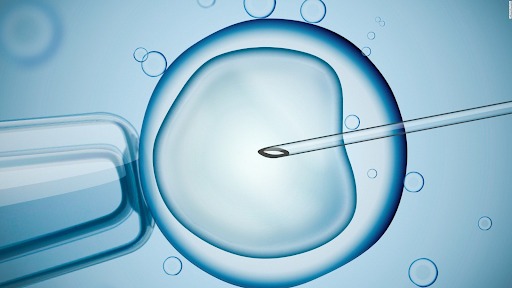
Male infertility can result from a variety of factors, including hormonal imbalance, lifestyle habits, and underlying medical conditions. In some cases, fertility problems occur because the body does not produce enough hormones to stimulate sperm production.
When this happens, doctors may recommend hormone therapy to support the natural process of spermatogenesis. Two hormones commonly used in these treatments are human chorionic gonadotropin (HCG) and human menopausal gonadotropin (HMG).
Although both hormones are used in fertility therapy, they play different roles in the male reproductive system.
Understanding the Hormonal Control of Sperm Production
Sperm production is regulated by a complex hormonal system known as the hypothalamic–pituitary–gonadal axis.
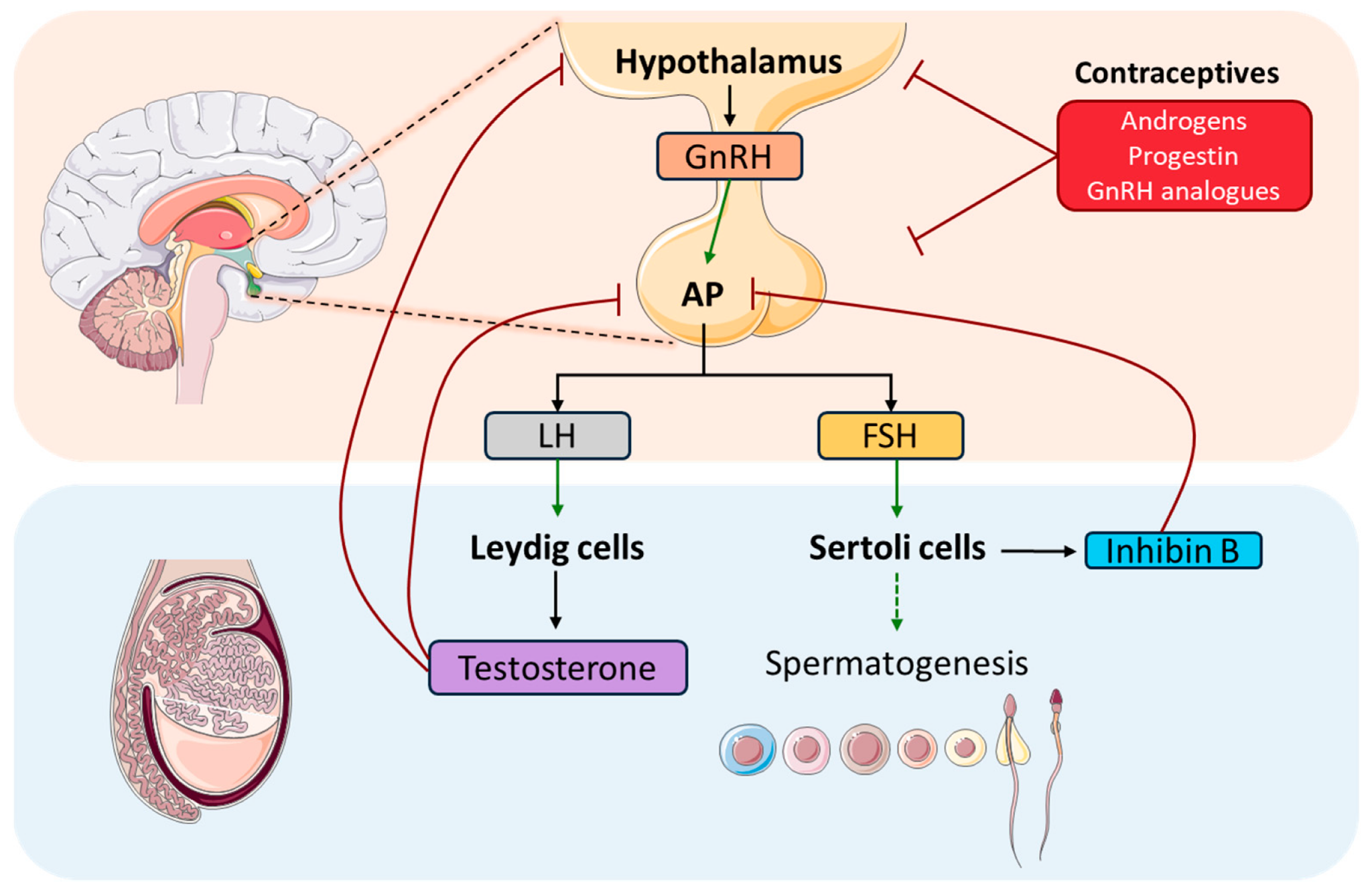
The process involves several key hormones:
- GnRH (gonadotropin-releasing hormone) from the hypothalamus
- LH (luteinizing hormone) from the pituitary gland
- FSH (follicle-stimulating hormone) from the pituitary gland.
These hormones stimulate the testes to produce testosterone and sperm cells.
When this hormonal signaling pathway is disrupted, sperm production may decrease or stop entirely.
What Is HCG?
Human chorionic gonadotropin (HCG) is a hormone that acts similarly to luteinizing hormone (LH).
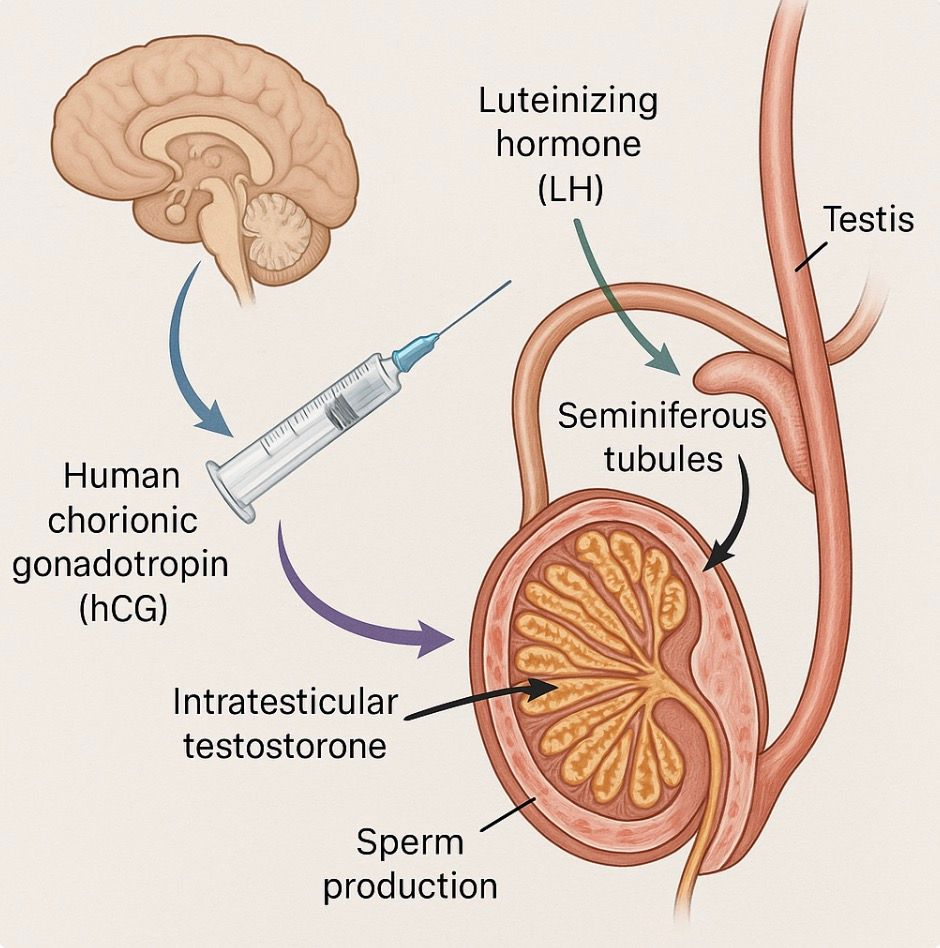
In male fertility therapy, HCG is used to stimulate the Leydig cells in the testes. These cells produce testosterone, a hormone essential for sperm production.
By increasing testosterone levels within the testes, HCG helps create the hormonal environment necessary for spermatogenesis.
Doctors may prescribe HCG in cases such as:
- hypogonadotropic hypogonadism
- delayed puberty related to hormone deficiency
- certain types of male infertility caused by low testosterone signaling.
What Is HMG?
Human menopausal gonadotropin (HMG) contains both FSH and LH activity.
In fertility therapy, the most important component is FSH, which stimulates the Sertoli cells in the testes. These cells play a crucial role in supporting sperm development.
HMG is often used when additional stimulation of sperm production is needed after testosterone levels have been restored.
Key Differences Between HCG and HMG
Although both hormones are used in fertility treatment, they target different parts of the reproductive system.
| Feature | HCG | HMG |
| Hormone activity | Mimics LH | Contains FSH and LH |
| Main target | Leydig cells | Sertoli cells |
| Primary effect | Increases testosterone production | Directly stimulates spermatogenesis |
| Role in therapy | Often used first | Often added later if sperm production remains low |
In many treatment protocols, HCG is used initially to restore testosterone levels. If sperm production does not improve sufficiently, HMG may be added to further stimulate the testes.
When Are HCG and HMG Used Together?
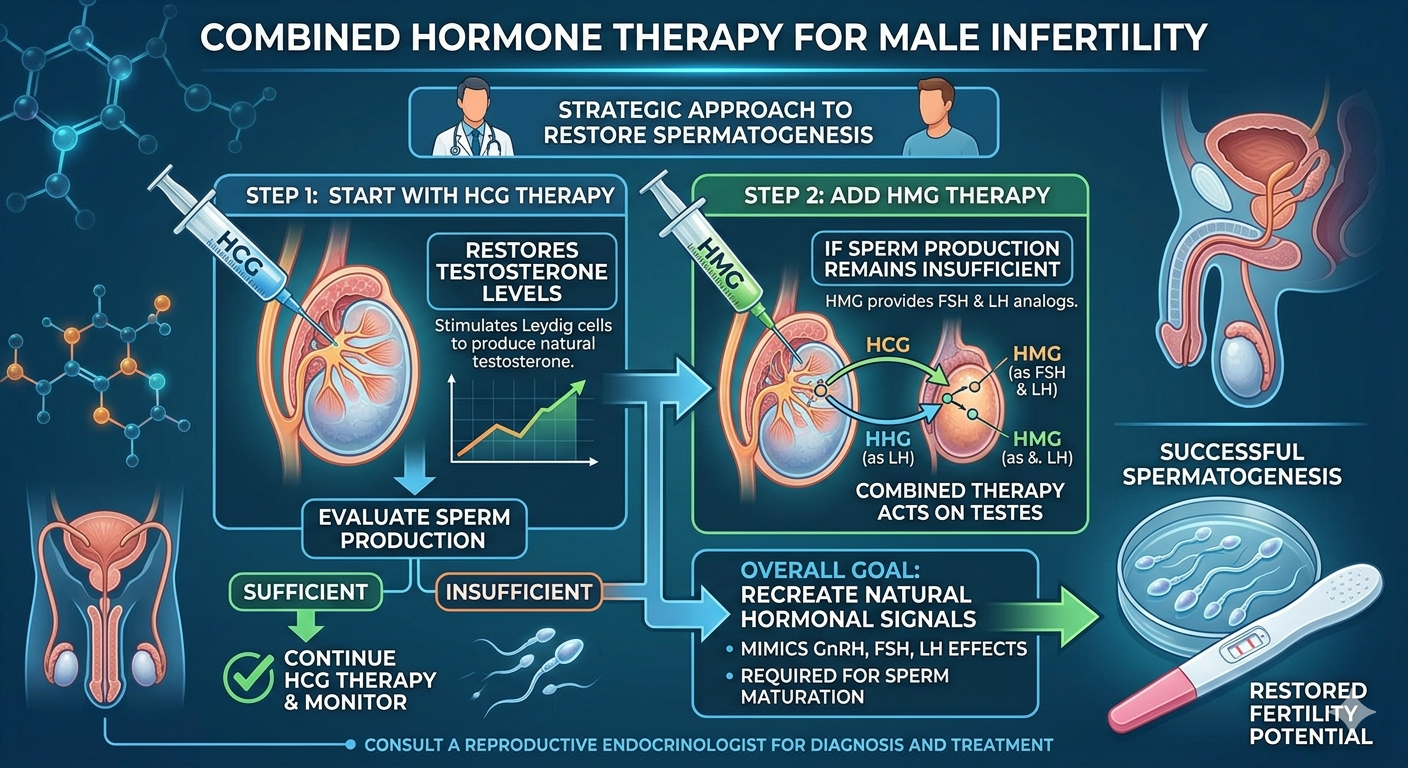
In certain cases of male infertility, doctors may prescribe a combination of both hormones.
The typical approach may involve:
- Starting with HCG therapy to restore testosterone levels in the testes
- Adding HMG therapy if sperm production remains insufficient.
This combined strategy aims to recreate the natural hormonal signals required for spermatogenesis.
How Long Does Hormone Therapy Take?
Sperm production is a gradual process.
The complete cycle of spermatogenesis takes approximately 70 to 90 days.
Because of this biological timeline, hormone therapy may require several months before improvements in sperm count or quality can be observed.
Regular monitoring by healthcare professionals is important during treatment.
Supporting Male Fertility Beyond Hormone Therapy
While hormone therapy may address specific medical conditions, overall fertility also depends on other factors.
Men trying to improve reproductive health should consider:
- maintaining a healthy weight
- avoiding smoking
- limiting alcohol consumption
- managing stress
- maintaining a balanced diet.
Nutritional support and healthy lifestyle habits may complement medical treatment.
Final Thoughts
HCG and HMG are two hormones used in certain male fertility treatments, particularly when hormonal deficiencies affect sperm production.
HCG primarily stimulates testosterone production, while HMG provides additional stimulation for sperm development through FSH activity. In many cases, these hormones are used together as part of a carefully monitored treatment plan.
Because hormone therapy involves complex medical decisions, it should always be guided by qualified healthcare professionals.
If you would like professional advice about male fertility, hormone therapy, or reproductive health support, you can consult healthcare professionals at:
Men’s Health Pharmacy – Male Fertility Support Center
📍 Address: 7B/31 Thanh Thai Street, Dien Hong Ward, Ho Chi Minh City
(Former address: Ward 14, District 10, Ho Chi Minh City)
📞 Hotline: 0911 161 161
Healthcare professionals can provide guidance on fertility treatments, supplements, and lifestyle strategies that support male reproductive health.