
The Link Between Oxidative Stress and Male Infertility
In recent years, research in male infertility has shown that oxidative stress is one of the key factors affecting sperm quality. When free radicals increase in the body, they can damage sperm cell membranes and DNA, reducing the chances of fertilization.
Sperm cells are particularly vulnerable to oxidative stress because their membranes contain a high amount of unsaturated fatty acids. When free radicals attack these membranes, sperm structure and function can be significantly impaired.
Among the many antioxidants studied, vitamin E is considered one of the most important micronutrients for protecting sperm.
So, does vitamin E really improve sperm quality and support male fertility? Let’s explore.
What Is Vitamin E?
Definition
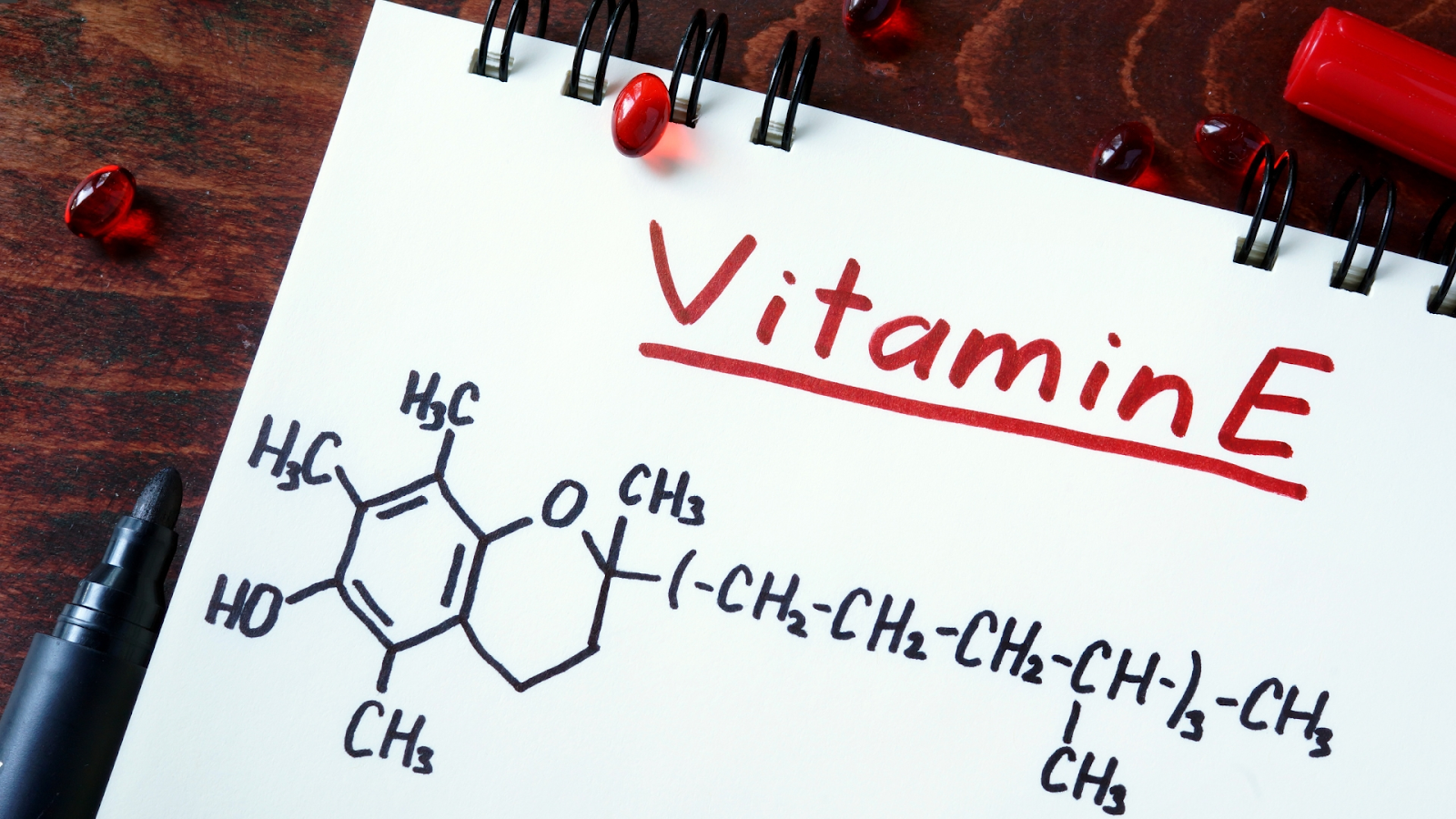
Vitamin E is a fat-soluble vitamin that plays a crucial role in protecting cell membranes from damage caused by free radicals.
It exists in several forms, including:
- Alpha-tocopherol
- Beta-tocopherol
- Gamma-tocopherol
- Tocotrienols
Among these, alpha-tocopherol is the most biologically active form in the human body.
Antioxidant Role of Vitamin E
Vitamin E acts as a powerful antioxidant by:
- Neutralizing free radicals
- Protecting cell membranes
- Reducing lipid peroxidation
In sperm cells, vitamin E is especially important in protecting the phospholipid membrane, which is highly susceptible to oxidative damage.
When Should Men Consider Vitamin E Supplementation?
In clinical andrology practice, vitamin E is often considered in specific situations related to increased oxidative stress or abnormal semen parameters.
1. Abnormal Semen Analysis with Oxidative Damage
Indicators may include:
- Poor sperm motility
- High abnormal morphology
- Increased sperm DNA fragmentation
In these cases, vitamin E can be used as a foundational antioxidant to protect sperm.
2. Presence of Oxidative Stress Risk Factors
Vitamin E is particularly beneficial for men with:
- Long-term smoking habits
- Exposure to toxic environments (chemicals, heat)
- Obesity or metabolic syndrome
- Chronic stress and sleep deprivation
These factors increase free radicals and directly affect sperm quality.
3. During Fertility Support Treatment
Vitamin E is commonly included in male fertility protocols:
- As an antioxidant component
- Combined with CoQ10, Zinc, L-Carnitine, and Selenium
The goal is to:
- Improve the sperm production environment
- Optimize sperm quality before natural conception or assisted reproduction
Benefits of Vitamin E for Sperm Quality
1. Protects Sperm Cell Membranes
Sperm membranes are rich in unsaturated fatty acids, making them highly vulnerable to oxidative damage.
Vitamin E helps:
- Stabilize membrane structure
- Reduce lipid peroxidation
- Protect sperm from damage
This allows sperm to maintain:
- Normal morphology
- Better motility
2. Reduces Sperm DNA Damage
Oxidative stress can lead to sperm DNA damage, which may result in:
- Reduced fertilization rates
- Increased risk of miscarriage
- Poor embryo quality
Vitamin E helps:
- Reduce oxidative damage
- Protect sperm DNA
- Improve overall sperm quality
3. Improves Sperm Motility
Some studies suggest that vitamin E supplementation may:
- Increase the proportion of motile sperm
- Improve semen quality
This is due to its protective effects on sperm membranes and mitochondrial function.
4. Supports Natural Conception
When sperm quality improves, the chances of natural conception may also increase.
Clinical studies indicate that vitamin E supplementation over several months can:
- Improve semen parameters
- Support treatment of oxidative stress-related male infertility
Foods Rich in Vitamin E
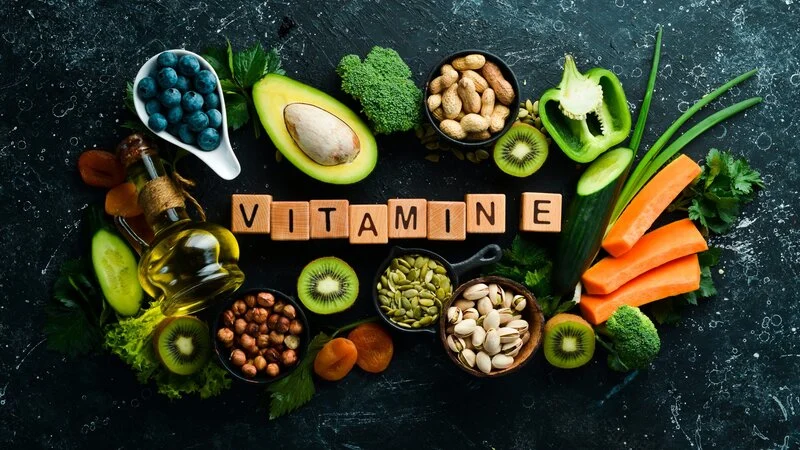
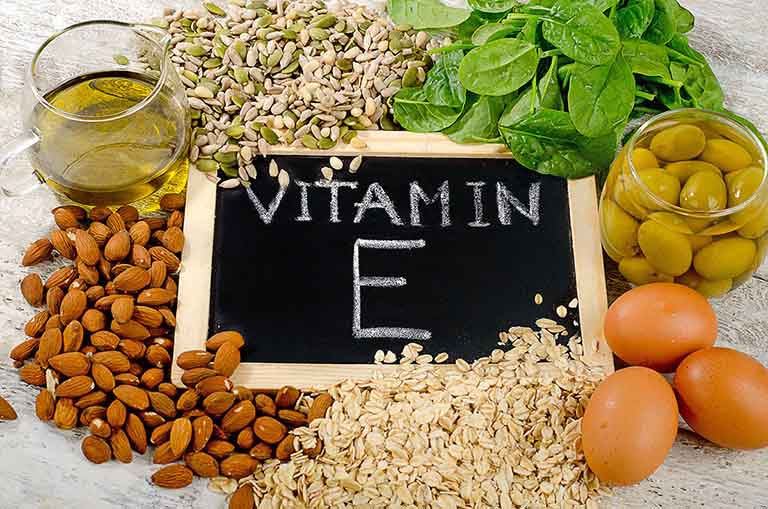
Vitamin E can be obtained through diet. Common sources include:
- Almonds
- Sunflower seeds
- Vegetable oils
- Avocados
- Dark leafy greens
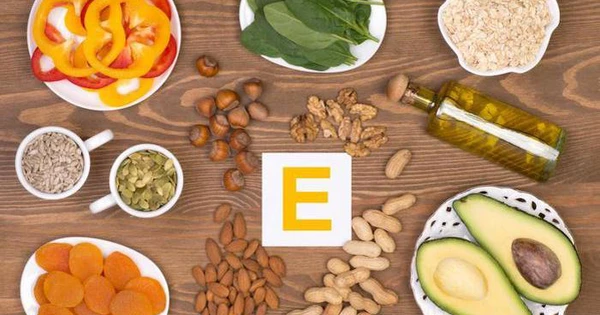
However, in cases of poor sperm quality, dietary intake alone may not be sufficient, and supplementation may be needed.
Should Vitamin E Be Combined with Other Nutrients?
In andrology practice, vitamin E is often combined with other micronutrients for better effectiveness:
| Micronutrient | Benefits |
| Coenzyme Q10 (CoQ10) | Boosts cellular energy and improves sperm motility |
| Zinc | Supports testosterone production and spermatogenesis |
| L-Carnitine | Enhances sperm energy and movement |
| Selenium | Protects sperm from oxidative stress and stabilizes structure |
Precautions When Using Vitamin E
- Use according to recommended dosage
- Avoid excessive long-term intake
- Consult a healthcare professional before use
Possible side effects at high doses:
- Nausea
- Headache
- Digestive discomfort
Conclusion
Vitamin E is a key antioxidant that helps:
- Protect sperm membranes
- Reduce DNA damage
- Improve sperm quality
When used appropriately and combined with nutrients such as CoQ10, Zinc, L-Carnitine, and Selenium, vitamin E can effectively support male reproductive health.
Consultation
If you are looking for solutions to improve male fertility or need advice on appropriate supplementation, you can consult directly with a professional pharmacist at:
Men’s Health Andrology Pharmacy
📍 7B/31 Thanh Thai Street, Dien Hong Ward, Ho Chi Minh City
Our pharmacists can help you:
- Answer questions related to male reproductive health
- Recommend suitable supplements
- Guide safe and effective usage