
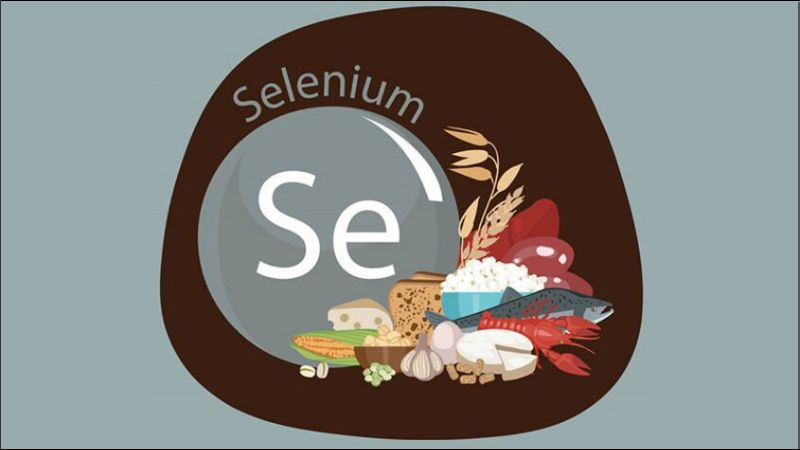
A Common Scenario in Male Infertility
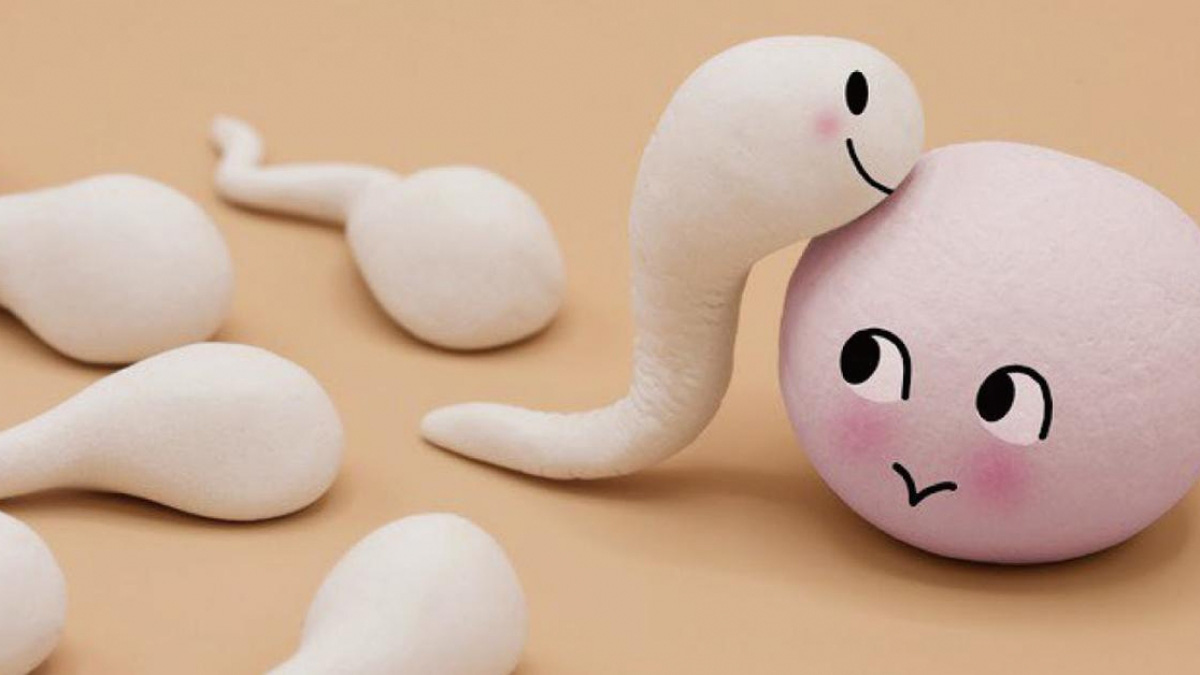
In clinical andrology practice, many men seek medical help due to prolonged infertility, yet their hormonal test results appear completely normal.
However, semen analysis often reveals abnormalities such as:
- Poor sperm motility
- High percentage of abnormal sperm morphology
- Slightly reduced sperm count
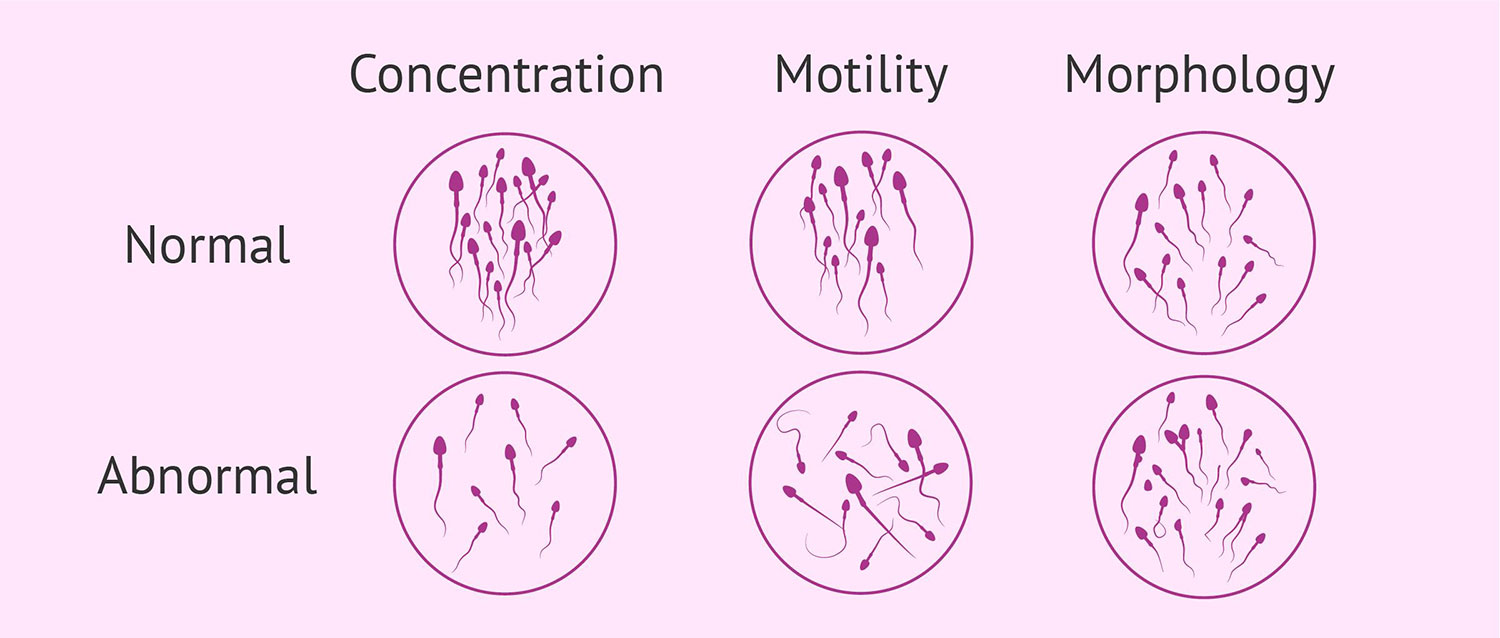
In these cases, the underlying cause is not necessarily hormonal imbalance or structural issues of the reproductive system. Instead, it may be linked to oxidative stress within the sperm-producing environment.
This is where antioxidant micronutrients—especially selenium—play a crucial role.
What Happens When Sperm Is Affected by Oxidative Stress?
Sperm cells are particularly vulnerable because:
- Their cell membranes are rich in unsaturated fatty acids
- Their natural antioxidant defense is relatively limited
When the body produces excessive free radicals, these molecules can directly damage sperm, leading to:
- Destruction of the cell membrane
- Reduced motility
- DNA damage
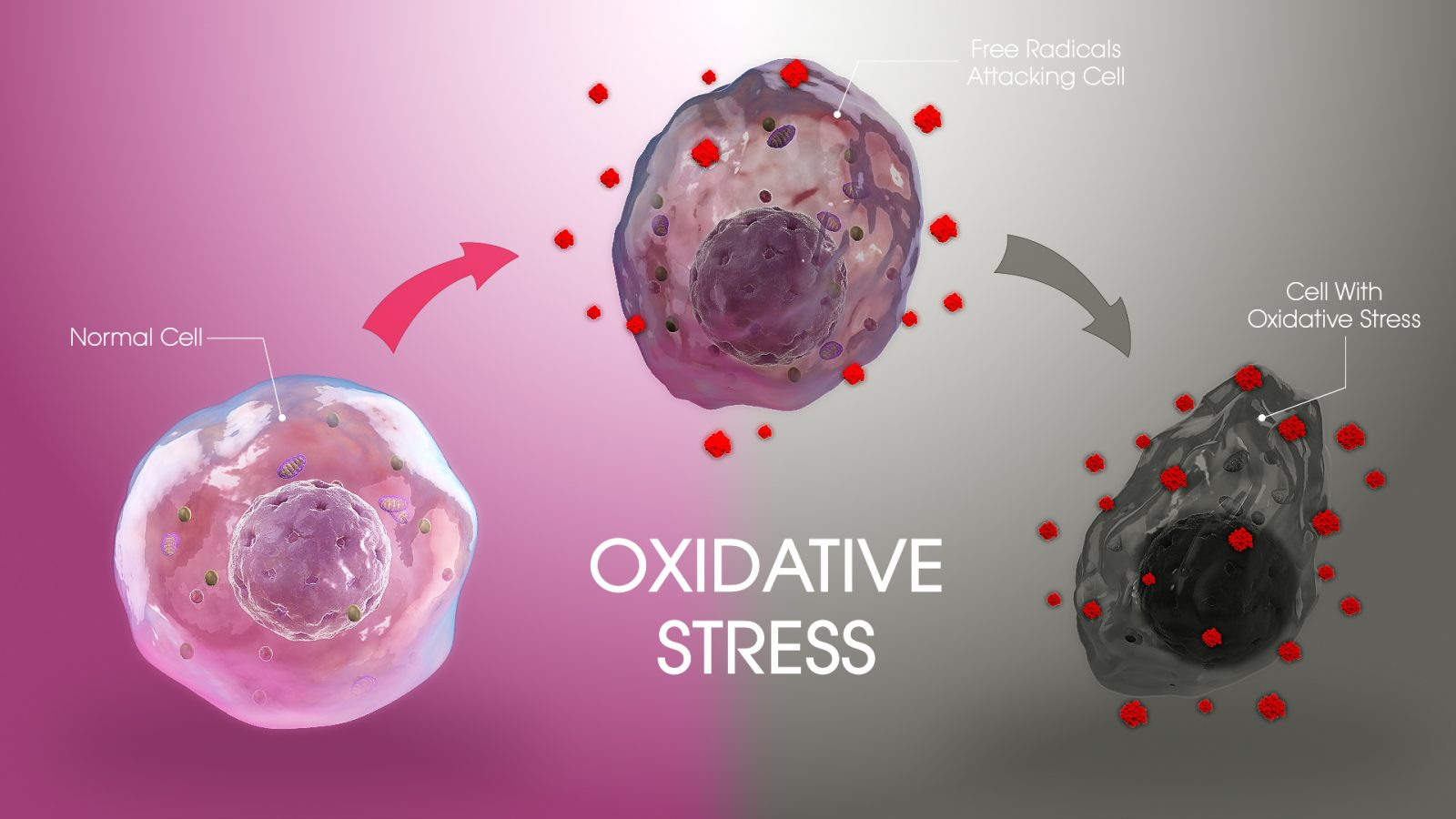
These effects not only lower the chances of fertilization but may also negatively impact embryo quality.
To counteract this, the body requires an effective antioxidant system—and selenium is a key component of that system.
How Does Selenium Protect Sperm?
Selenium does not act alone. It functions as part of important antioxidant enzymes in the body.
One of the most critical enzymes is:
Glutathione Peroxidase
This enzyme helps to:
- Neutralize peroxides and free radicals
- Protect lipid membranes
- Reduce oxidative damage
In semen, selenium-dependent enzymes help maintain a stable environment for normal sperm function.
Selenium and Sperm Structure
Beyond its antioxidant role, selenium is also essential for maintaining sperm structure.
Selenium-containing proteins contribute to:
- Stabilizing the midpiece of sperm
- Maintaining the structure of the sperm tail
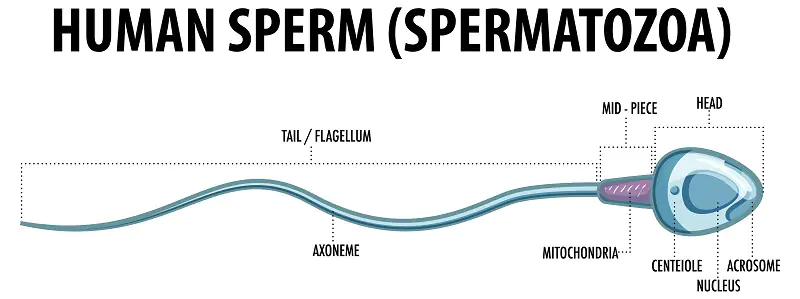
The sperm tail contains mitochondria that generate energy for movement. When this structure is compromised, sperm may:
- Move slowly
- Or fail to move entirely
This explains why selenium deficiency may be associated with poor sperm quality.
Selenium Intake in the Modern Diet
Although selenium is found in various foods, its content largely depends on soil quality.
Common selenium-rich foods include:
- Seafood
- Eggs
- Poultry
- Whole grains
- Brazil nuts
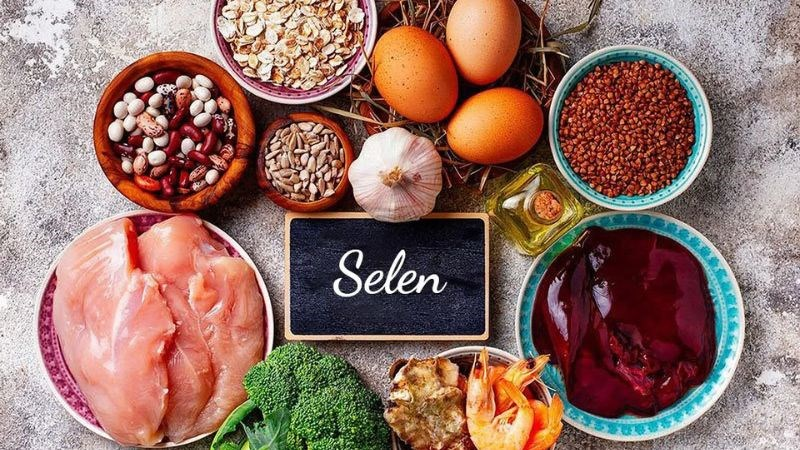
However, modern dietary habits often include:
- Low seafood intake
- Insufficient protein consumption
- High intake of processed foods
→ This can lead to inadequate selenium intake.
When Should Selenium Be Considered?
In clinical practice, selenium supplementation may be considered when men present with:
- Poor sperm motility
- High abnormal sperm morphology
- Increased oxidative stress
- Unhealthy lifestyle (smoking, alcohol consumption, lack of sleep)
In such cases, selenium may help support antioxidant defenses and improve the sperm production environment.
Micronutrients Commonly Combined with Selenium
To enhance male reproductive health, selenium is often combined with other key nutrients:
| Micronutrient | Benefits |
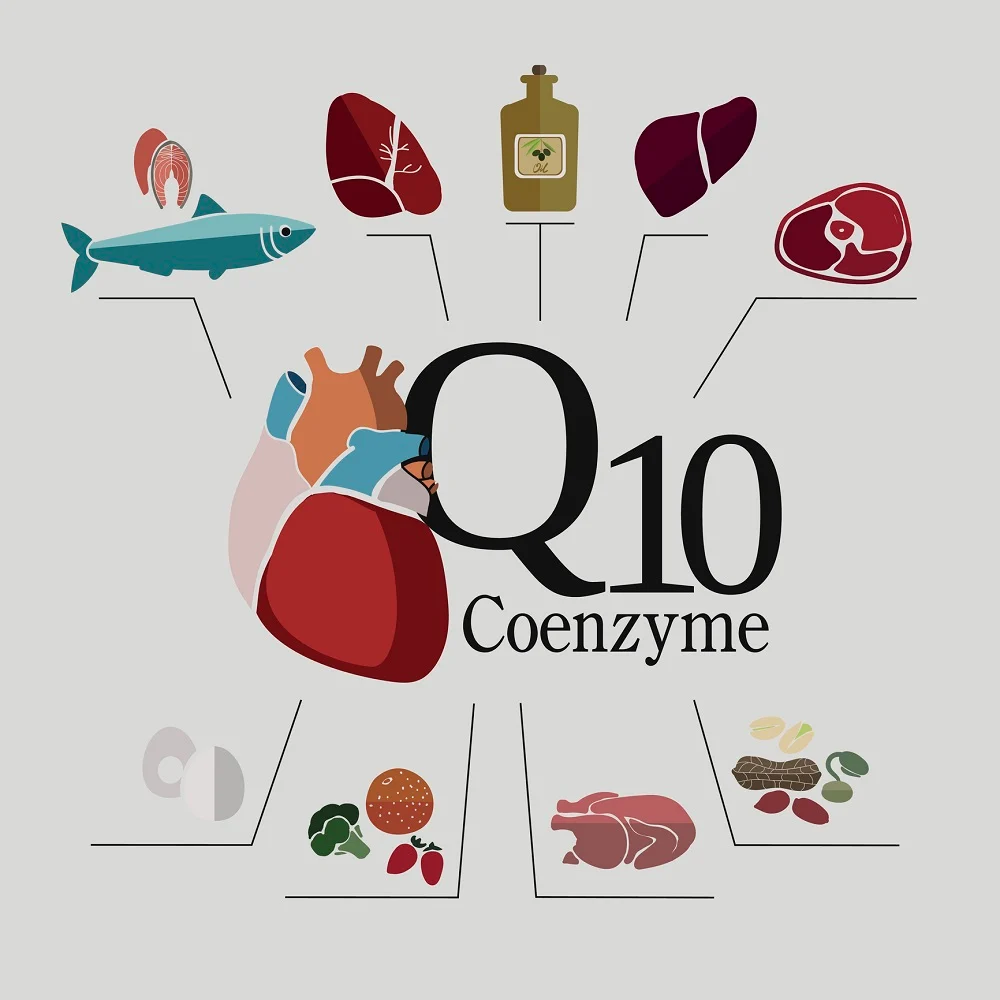
| Coenzyme Q10 (CoQ10) | Enhances cellular energy production and improves sperm motility |
| Zinc | Supports testosterone production and spermatogenesis |
| L-Carnitine | Boosts sperm energy and motility |
| Vitamin E | A powerful antioxidant that protects sperm membranes |
Conclusion
Selenium is a trace mineral, but it plays a vital role in protecting sperm from oxidative stress and supporting sperm structure.
Maintaining a balanced diet and ensuring adequate intake of essential micronutrients can help improve the sperm production environment and support male reproductive health.
Contact for Consultation
If you are looking for solutions to support male fertility or need personalized advice on micronutrient supplementation, you can contact:
Men’s Health Andrology Pharmacy
📍 7B/31 Thanh Thai Street, Dien Hong Ward, Ho Chi Minh City
📞 Hotline: 0911 161 161
🌐 Fanpage: https://www.facebook.com/nhathuocnamkhoavn
Our team of experienced doctors and pharmacists is ready to assist you.