

Male fertility depends on many biological and lifestyle factors. Among these, sperm quality plays a central role in the ability to conceive.
Sperm quality can be influenced by several factors, including:
- hormonal balance
- the environment of sperm production
- nutritional status
- lifestyle habits

Among these factors, micronutrients and antioxidants are particularly important because they help:
- protect sperm from oxidative stress
- support the spermatogenesis process
- improve sperm motility
A growing number of studies on male infertility suggest that supplementation with nutrients such as CoQ10, zinc, L-carnitine, vitamin E, and selenium may help improve semen quality in certain cases.
However, each nutrient works through different biological mechanisms.
Comparison of 5 Nutrients That Support Sperm Quality
| Nutrient | Primary Role | Key Benefit for Sperm |
|---|---|---|
| CoQ10 | Cellular energy production | Improves sperm motility |
| Zinc | Hormonal support | Supports spermatogenesis |
| L-Carnitine | Fatty acid transport for energy | Enhances sperm movement |
| Vitamin E | Antioxidant protection | Protects sperm cell membranes |
| Selenium | Component of antioxidant enzymes | Stabilizes sperm structure |
Although these nutrients all support male reproductive health, each plays a distinct role in sperm function and development.
CoQ10 – The “Energy Source” for Sperm
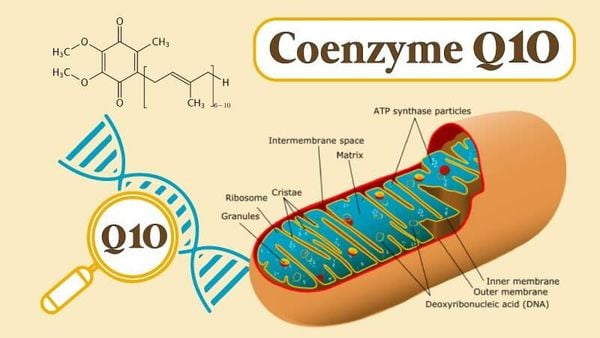
Coenzyme Q10 (CoQ10) is a coenzyme involved in the mitochondrial electron transport chain, where it plays a key role in cellular energy production.
Sperm cells require a significant amount of energy to travel from the vagina to the fallopian tube, where fertilization occurs.
CoQ10 may help:
- increase ATP production
- improve mitochondrial function
- enhance sperm motility
CoQ10 supplementation is commonly considered in men with:
- poor sperm motility
- advanced paternal age
- high oxidative stress
(Related article: Does CoQ10 Improve Sperm Quality? A Pharmacist’s Perspective on Male Fertility)
Zinc – A Key Mineral for Spermatogenesis
Zinc is an essential trace mineral that plays a critical role in:
- testosterone production
- enzyme activity involved in spermatogenesis
- maintaining prostate function
Zinc concentrations are naturally high in seminal fluid, reflecting its importance in male reproductive physiology.
Zinc deficiency may lead to:
- reduced testosterone levels
- lower sperm count
- impaired fertility
Zinc supplementation may be particularly helpful for men whose diets are low in seafood or high-protein foods, which are common sources of zinc.
(Related article: The Role of Zinc in Male Reproductive Health)
L-Carnitine – Supporting Sperm Motility
L-Carnitine is a compound that helps transport fatty acids into mitochondria, where they are converted into cellular energy.
In sperm cells, L-carnitine helps:
- increase energy production
- improve sperm motility
- support mitochondrial function
For this reason, L-carnitine is often used in cases of:
Asthenozoospermia (reduced sperm motility)
or slow-moving sperm.
(Related article: Can L-Carnitine Improve Sperm Motility?)
Vitamin E – Antioxidant Protection for Sperm
Vitamin E is one of the most powerful antioxidants in the human body.
Sperm cell membranes contain a high amount of polyunsaturated fatty acids, which makes them highly vulnerable to damage from free radicals.
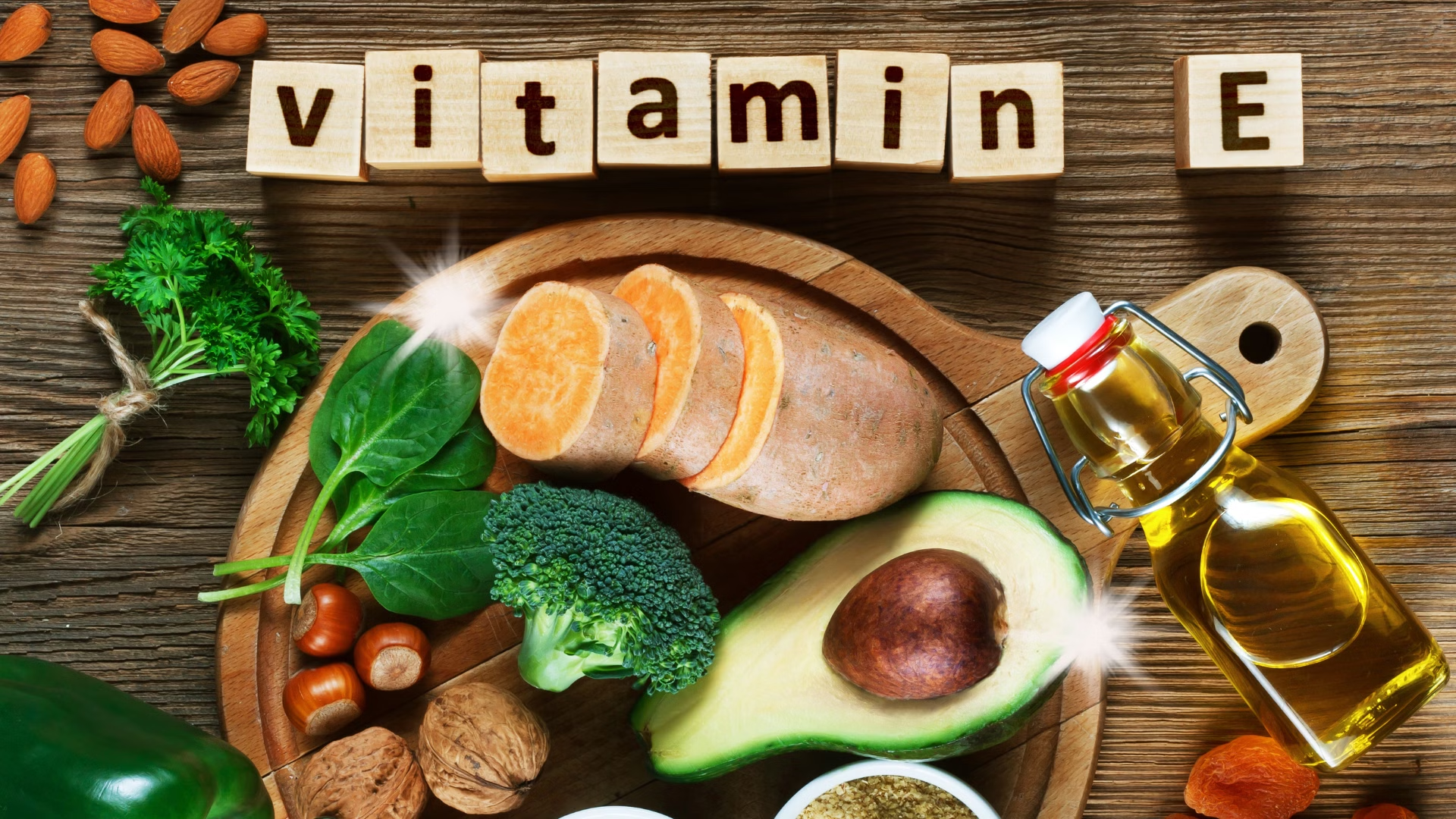
Vitamin E helps:
- protect sperm cell membranes
- reduce lipid peroxidation
- minimize sperm DNA damage
Through these mechanisms, vitamin E may contribute to improving semen quality.
(Related article: Does Vitamin E Protect Sperm? The Role of Antioxidants in Male Fertility)
Selenium – A Trace Element for Sperm Structure
Selenium is an essential component of antioxidant enzymes such as glutathione peroxidase.
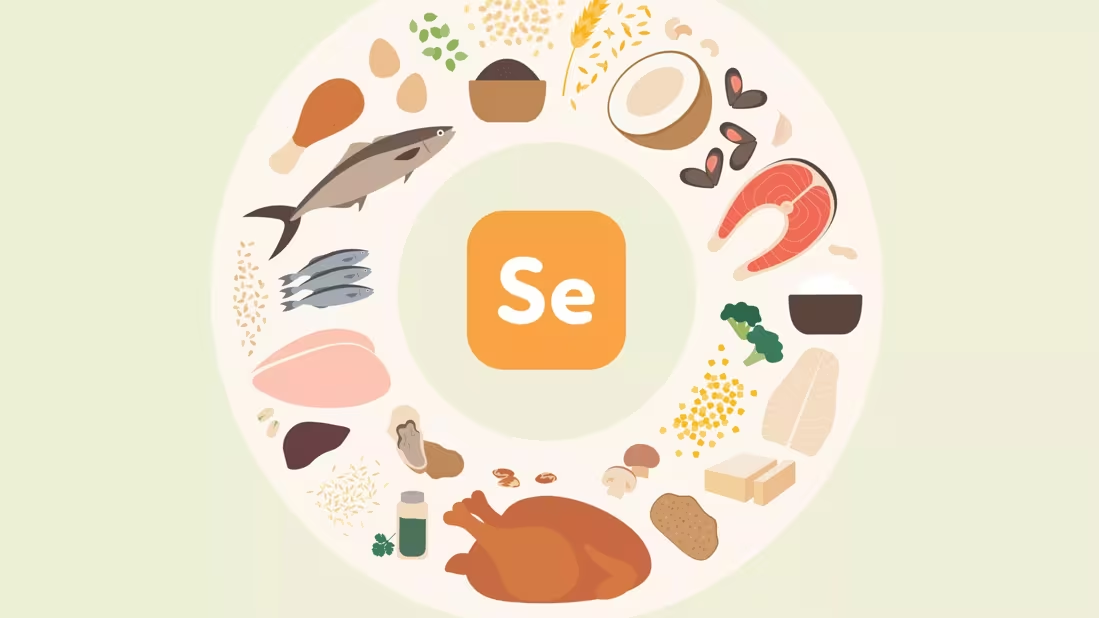
This mineral plays an important role in:
- protecting sperm from oxidative stress
- stabilizing sperm structure
- supporting sperm maturation
Selenium deficiency has been associated with:
- abnormal sperm morphology
- reduced sperm motility
(Related article: Is Low Selenium Linked to Poor Sperm Quality?)
Should These Five Nutrients Be Taken Together?
In many male fertility support protocols, these nutrients are often combined.
This is because they work through complementary mechanisms:
- CoQ10 and L-Carnitine → enhance cellular energy production
- Vitamin E and Selenium → provide antioxidant protection
- Zinc → supports hormonal balance and spermatogenesis
Together, these nutrients may provide comprehensive support for sperm health.
Supplements That Combine Multiple Male Fertility Nutrients
Today, several nutritional supplements are designed to provide a combination of micronutrients that support sperm quality.
Some commonly referenced products include:
| Product | Key Nutrients | Main Benefit |
|---|---|---|
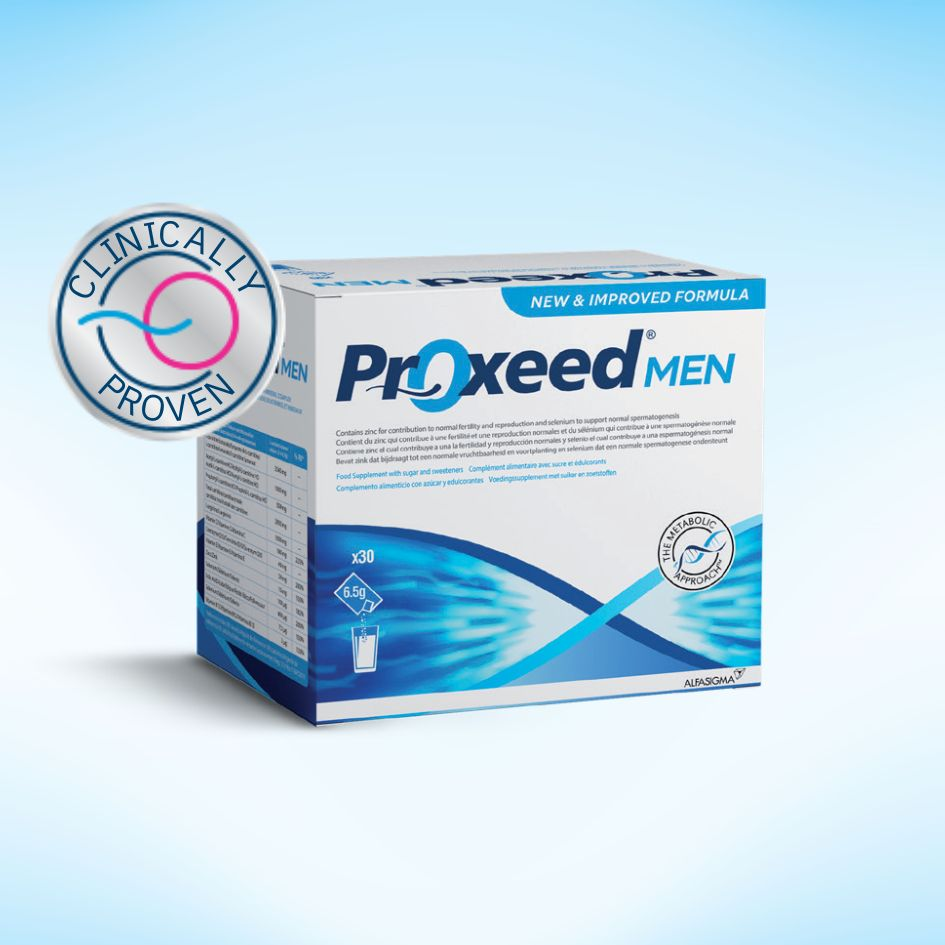
| Proxeed Men | L-Carnitine, CoQ10, Zinc, L-Arginine, Vitamin E, Vitamin D, Selenium | Supports male reproductive health |
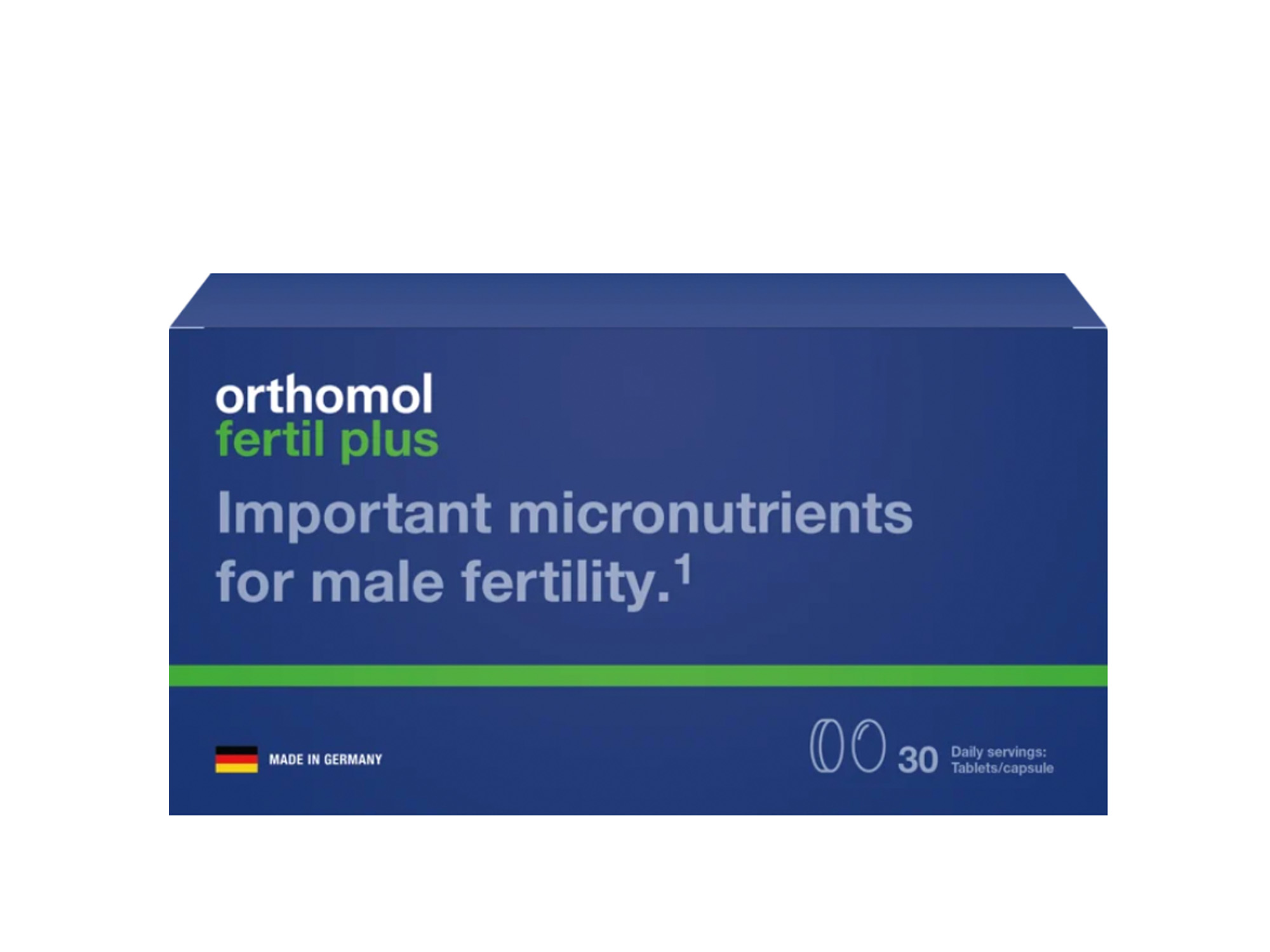
| Orthomol Fertil Plus | L-Carnitine, CoQ10, Zinc, Omega-3, L-Arginine, Vitamin E, Vitamin D, Vitamin C, Selenium | Comprehensive fertility micronutrient formula |
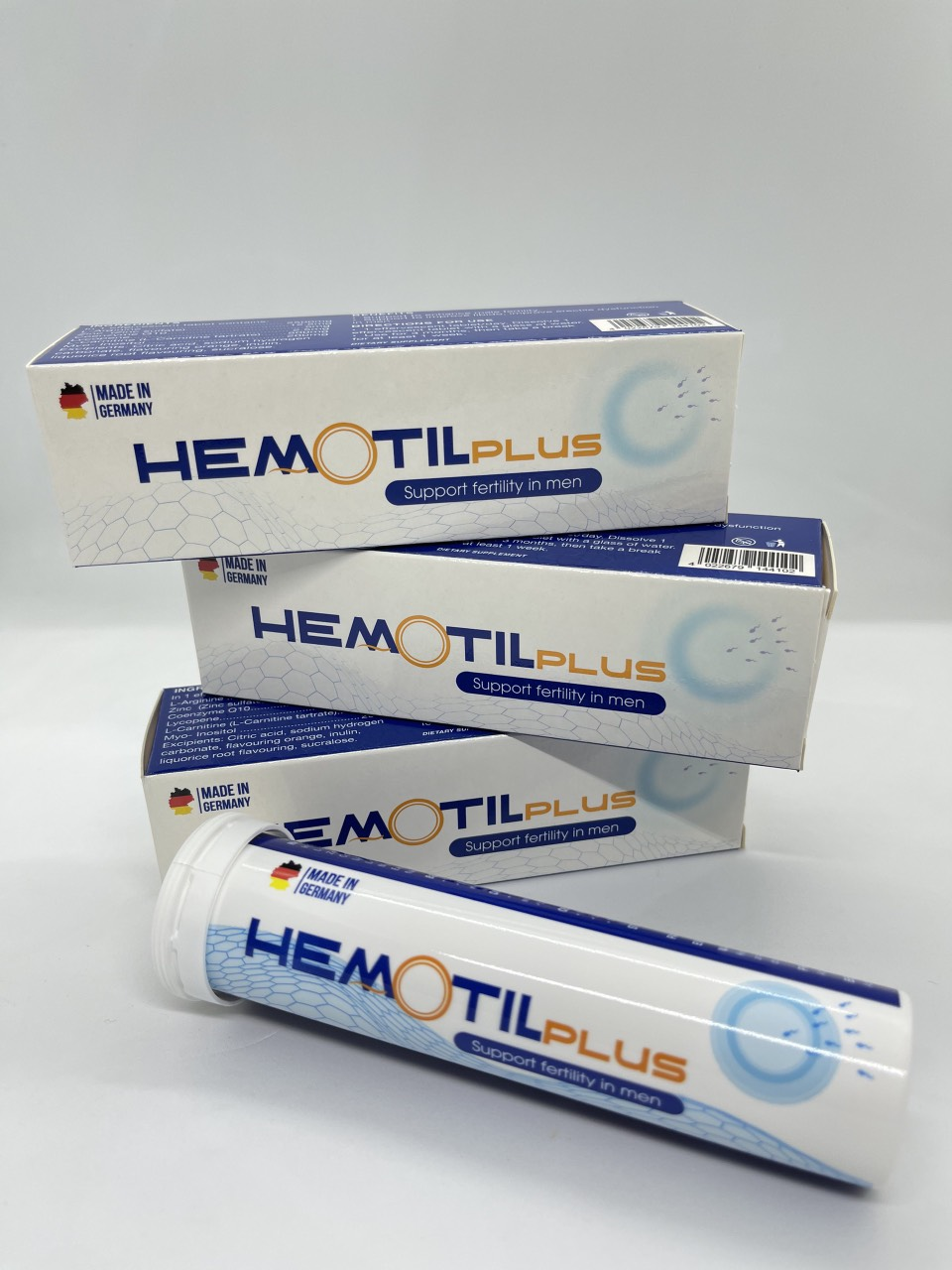
| Hemotil Plus | L-Carnitine, CoQ10, Zinc, L-Arginine | Supports semen quality and male vitality |
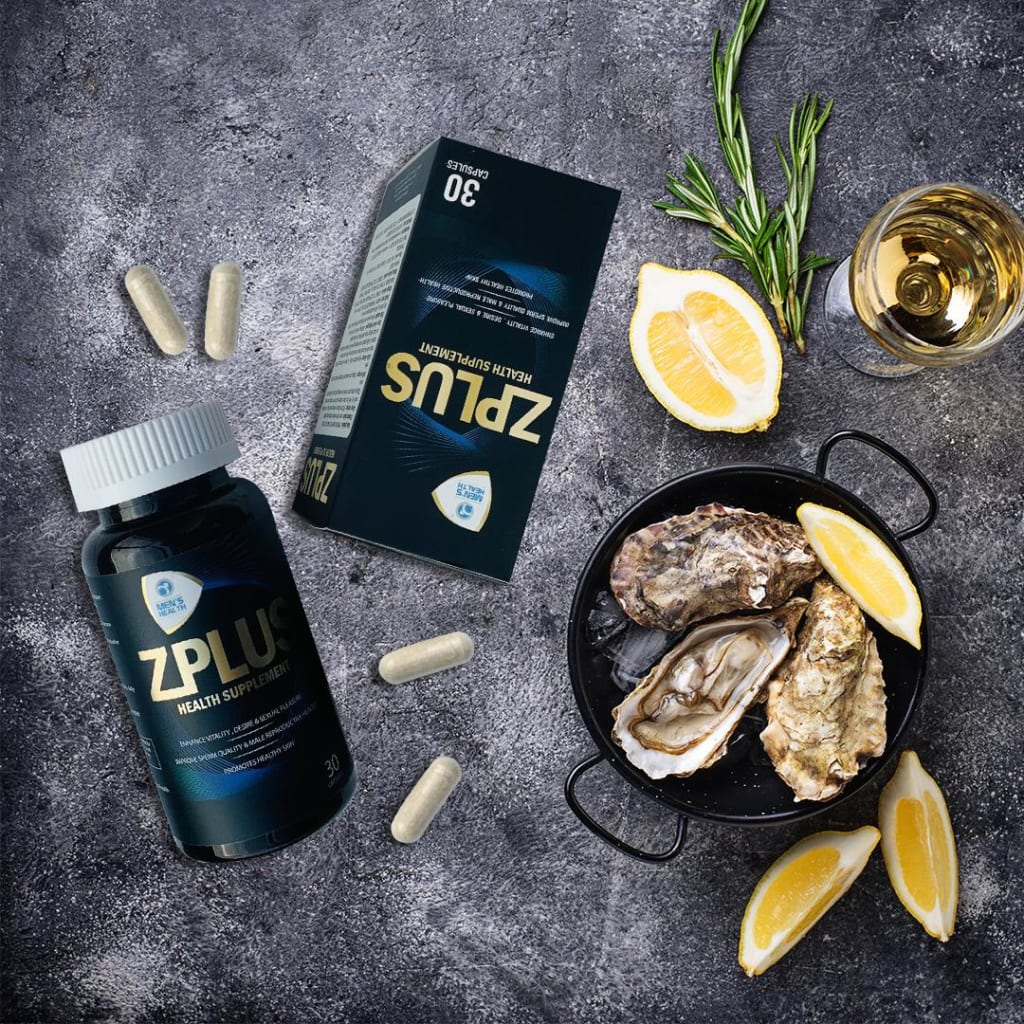
| ZPLUS | Oyster extract, Zinc, Selenium | Supports male vitality and reproductive health |
These supplements typically combine multiple nutrients to provide broader support for male fertility.
However, men should consult a healthcare professional before starting fertility supplements to ensure safety and appropriate use.
Conclusion
CoQ10, zinc, L-carnitine, vitamin E, and selenium are important nutrients that support male reproductive health.
Each nutrient contributes through different mechanisms, including:
- improving cellular energy production
- supporting spermatogenesis
- protecting sperm from oxidative stress
When combined with a healthy lifestyle, proper nutritional support may help improve sperm quality and male fertility potential.
If you would like to learn more about nutrients that support male reproductive health, you can consult a pharmacist at Men’s Health Andrology Pharmacy.
📍 Address: 7B/31 Thanh Thai Street, Dien Hong Ward, Ho Chi Minh City
📞 Hotline: 0911 161 161